


The scientific community continues to explore novel interventions that may influence healthspan and cellular vitality. Among emerging compounds, 5 amino 1mq peptide injection has garnered attention within longevity research circles. This synthetically derived small molecule, formally known as 5-Amino-1-methylquinoline, operates through a distinct metabolic pathway that researchers believe may support cellular function as organisms age.
Understanding why this compound has become relevant requires examining the biological mechanisms involved in aging processes.
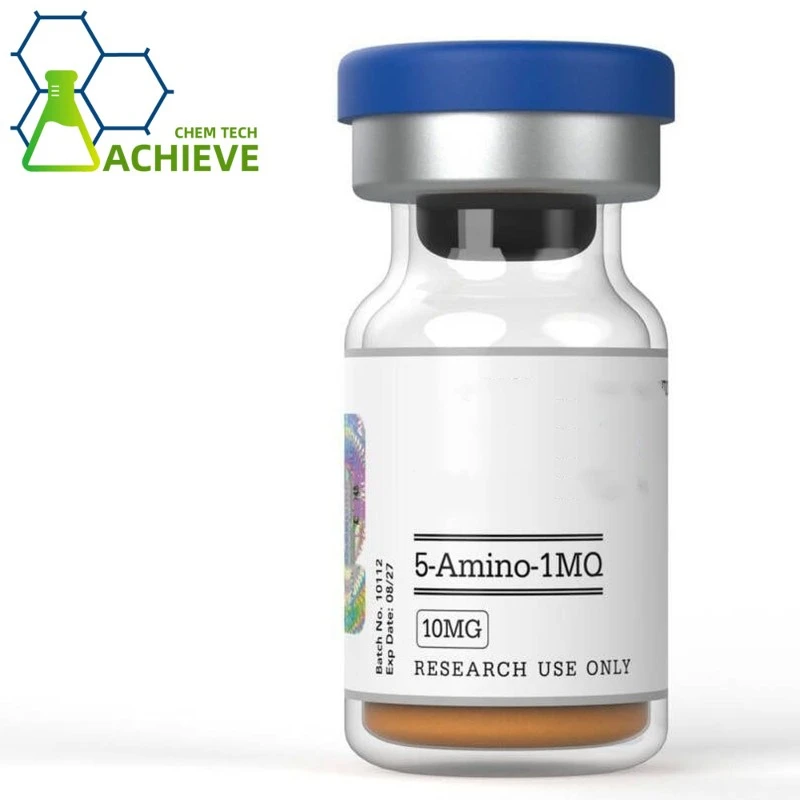
5-Amino-1MQ Peptide Injection
1.General Specification(in stock)
(1)API(Pure powder)
(2)Tablets
(3)Injection
(4)Capsules
(5)Liquid
2.Customization:
We will negotiate individually, OEM/ODM, No brand, for secience researching only.
Internal Code:KP-3-5/002
NNMTi CAS 42464-96-0
Molecular formula: C10H11N2.I
HS code: N/A
Molecular weight: 286.11
EINECS number: 464-196-0
Main market: USA, Australia, Brazil, Japan, Germany, Indonesia, UK, New Zealand , Canada etc.
Analysis: HPLC, LC-MS, HNMR
Technology support: R&D Dept.-4
Cellular aging involves multiple factors including energy metabolism decline, mitochondrial dysfunction, and disruptions in critical coenzyme availability. The 5 amino 1mq peptide injection mechanism centers on inhibiting nicotinamide N-methyltransferase (NNMT), an enzyme particularly abundant in adipose tissue that influences metabolic regulation and energy homeostasis. Research teams investigating aging interventions have observed that NNMT activity tends to increase with age across various tissue types. By modulating this enzymatic pathway, investigators hypothesize that metabolic balance might be partially restored. This article explores the scientific foundations connecting 5-Amino-1MQ to longevity research, examining cellular energy regulation, metabolic resilience, and the preservation of essential cellular pathways.
Why Is 5 Amino 1MQ Peptide Injection Being Explored in Longevity Research?
The Connection Between NNMT Inhibition and Aging Biology
Metabolic enzymes are becoming more and more important in research on aging as possible treatment targets. NNMT is a key part of nicotinamide metabolism because it changes the amount of NAD+ that is available. NAD+ is a coenzyme that cells need to make energy and keep the genome stable. NAD+ levels slowly drop in living things as they age. This changes how mitochondria work and how active sirtuins are. Sirtuins are proteins that help cells stay healthy and fight stress.
There is value in the 5 amino 1mq peptide injection because it can stop NNMT from working. When NNMT is stopped in animal models used in basic studies, the amount of NAD+ inside cells goes up the most. This rise happens because NNMT usually changes nicotinamide, which is a building block for NAD+, into N-methylnicotinamide. This makes less substrate available for building NAD+. Because this conversion route is blocked,


more nicotinamide can be turned back into NAD+.
Evidence From Metabolic Syndrome Models
Diet-induced obesity models help studies that look into ways to make people live longer by giving us basic knowledge. When 5-Amino-1MQ was given to mice whose metabolism was already lower than usual, it improved things like glucose balance and lipid oxidation ability. Along with these changes, the amount of NAD+ in tissues that were metabolically active went up.
More mitochondria were found and the respiratory chain worked better in the fat tissue study. NNMT activity went down. These studies show that stopping NNMT may help stop some of the metabolic loss that comes with getting older. Researchers have been looking into whether similar processes could help people age in a healthy way, even though these results come from studying obesity.
Molecular Pathways Linking Metabolism to Longevity
Some of the cellular processes that are changed when NNMT is blocked are not just those that make energy. In order for sirtuin enzymes,
especially SIRT1, to work, they need NAD+. SIRT1 manages how genes are expressed in ways that help cells stay healthy and deal with stress. More NAD+ raises sirtuin activity, which might change things that happen as we age, like how well DNA is fixed, how mitochondria are made, and how the inflammatory response is managed.
Giving 5 amino 1mq peptide injections to old animal models changed the amounts of genes linked to senescence and the production of inflammatory cytokines. This was seen in many studies that looked at signs of cellular aging. Some people think that long-term inflammation and metabolism problems can speed up the aging process. These results support that idea.

5 Amino 1MQ Peptide Injection and Long-Term Cellular Energy Regulation
Mitochondrial Function and Energy Homeostasis
A big part of the study into how to live longer is looking at how healthy mitochondria are. These parts of the cell make most of the ATP and manage apoptosis, calcium signaling, and the creation of reactive oxygen species. Our mitochondria start to work less well as we age. This lowers the membrane potential, makes less ATP, and damages cell parts more through reactive stress.
Some interesting things have been found by researchers who have looked into how 5-Amino-1MQ changes mitochondrial factors. The skeletal muscle of older rats that had been treated for a long time had more copies of mitochondrial DNA and more genes that code for respiratory chain complexes were turned on. A lot of people who made these changes saw improvements in their endurance and grip strength. These are examples of functional outputs that are linked to mitochondrial ability.
It looks like turning on PGC-1α,
which is a key driver of mitochondrial formation, is what made these changes happen. By raising the amount of NAD+, blocking NNMT turns on SIRT1. Then, SIRT1 removes the acetyl group and turns on PGC-1α. This chain reaction makes it easier for nuclear genes that code for proteins in mitochondria to be copied. This makes it easier for the body to make new mitochondria that work to fix organelles that are broken.
Energy Sensor Activation and Metabolic Flexibility
It gets harder as you age to switch between different fuel sources efficiently, which is called metabolic flexibility. It's harder for cells to respond to changes in food and body needs because of this drop. AMPK is a cellular energy monitor that controls metabolism based on how many nutrients are present. The 5 amino 1mq peptide injection seems to change it.
A lot of research has shown that lowering NNMT and working out together can make metabolism markers better. Based on this interaction,
it looks like the compound might make cells more sensitive to stresses in the body, which usually cause good changes. The mitochondria worked better when both treatments were used together than when either treatment was used by itself.
Fatty Acid Oxidation and Metabolic Efficiency
As people get older, their metabolism often slows down, which can make it harder for them to burn fat. This might make fat gather in places other than adipose cells. It gets worse insulin resistance and organ failure because of this lipotoxicity. Genes for fatty acid oxidation enzymes like CPT1A and ACOX1 were turned on more in tissues from animals that had been given 5-Amino-1MQ.
People may live longer in more than one way if they can better burn fat. Better use of mitochondrial substrates lowers metabolic stress and stops the buildup of lipids that make it hard for cells to talk to each other. When NNMT is blocked,
changes in metabolism are seen that are similar to changes that happen when you cut back on food, which has been linked to living longer in many species.
Investigating Metabolic Resilience With 5 Amino 1MQ Peptide Injection
Stress Response Pathways and Cellular Adaptation
Metabolic resilience means that cells and living things can keep their balance even when they are physically or environmentally stressed. It takes longer to get better after getting sick, hurt, or having a biological change because this barrier slowly goes down with age. As scientists look into the processes that cause stress, they have found a number of ways that stopping NNMT might make people stronger.
That heat shock proteins (HSPs) help fold proteins and keep broken proteins from sticking together is something scientists have found. Cells stop working right when HSP production decreases with age. This causes proteins to get skewed and proteins to build up. Using models of cellular aging, researchers have found that treating cells with 5-Amino-1MQ raises the levels of HSP70 and HSP90. This may happen by activating heat shock factor 1 (HSF1).
As people age, autophagy slows down.
Autophagy is the process by which cells get rid of and recycle broken organelles and protein aggregates. Cell trash and mitochondria that don't work right build up when autophagic flow slows down. Researchers have found that stopping NNMT makes more of the genes ATG5 and ATG7 that are involved in autophagy. This makes the processes in cells that check for quality work better.
Inflammatory Modulation and Tissue Health
For many people, getting older is accompanied by a number of diseases. One of these is "inflammaging," which is a sign of biological aging. The amounts of pro-inflammatory cytokines like IL-6 and TNF-α rise with age, which makes tissue damage and metabolic problems worse. Researchers gave old animals 5 amino 1mq peptide shots and found that inflammation markers in their blood were always lower.
It looks like there are more than one way that the anti-inflammatory benefits work. More NAD+ helps sirtuin work, which stops NF-κB signaling.
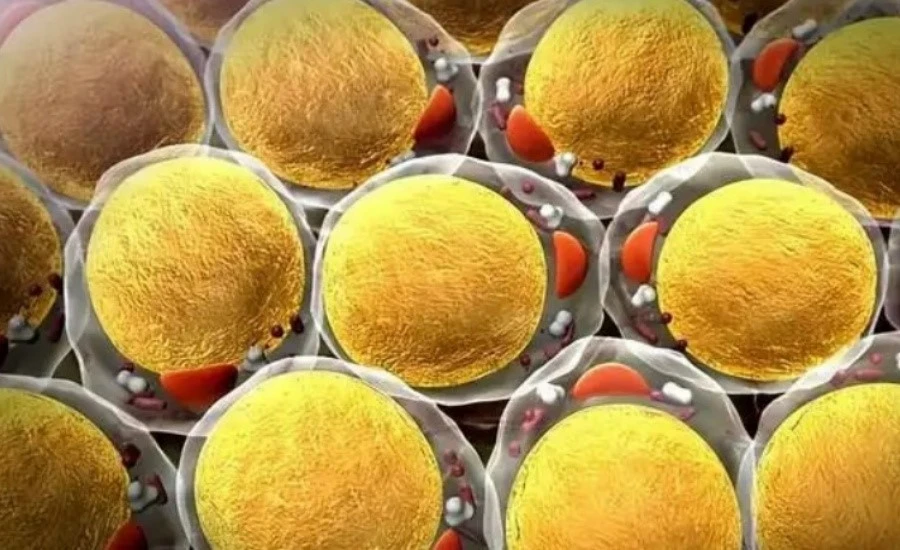
NF-κB is a key generator of genes that cause inflammation. Even though metabolic efficiency is better, the metabolic stress signs that cause inflammation are also lower. In animal tests, these changes were linked to better histopathology of the tissue and fewer signs of fibrosis.
Cognitive Function and Neurometabolic Support
Loss of mitochondria, metabolic decline, and neuroinflammation are all brain changes that happen with age. You usually lose some of your mental skills as you age, even if you don't have a neurological disease. Using metabolic treatments to deal with the root causes of inflammation and energy use may help people live longer and healthier minds.
Old rats have been used to study what happens to the brain after NNMT blocking goes on for a long time. In the Morris water maze, the animals that were given medicine did better than the animals that were not given medicine at learning how to use space and remembering things.
The number of synapses had grown and neuroinflammatory markers had decreased, according to a study of hippocampal tissue. It seems that improving metabolism by blocking NNMT could help the brain and other parts of the nervous system work better.

Could NAD+ Preservation Explain Interest in 5 Amino 1MQ Peptide Injection?
The Central Role of NAD+ in Cellular Maintenance
Another important coenzyme is NAD+, which is used by hundreds of enzymes to do things like fix DNA, make energy, and control how cells react to stress. A lot of research has been done on how organs lose NAD+ levels as they age. When an organism is young and when it is old, amounts drop by about half.
This drop takes place in several ways, including enzymes that need NAD+ using it up faster, making it harder to produce, and breaking it down faster. The effects happen at every level of a cell's physiology. They change how mitochondria work, how circadian rhythms are controlled, the immune system, and how safe the genome is. It's becoming interesting and maybe even useful to study aging to find ways to keep or raise NAD+ levels.
The 5 amino 1mq peptide injection is a different way to keep NAD+ levels high than direct supplementation.
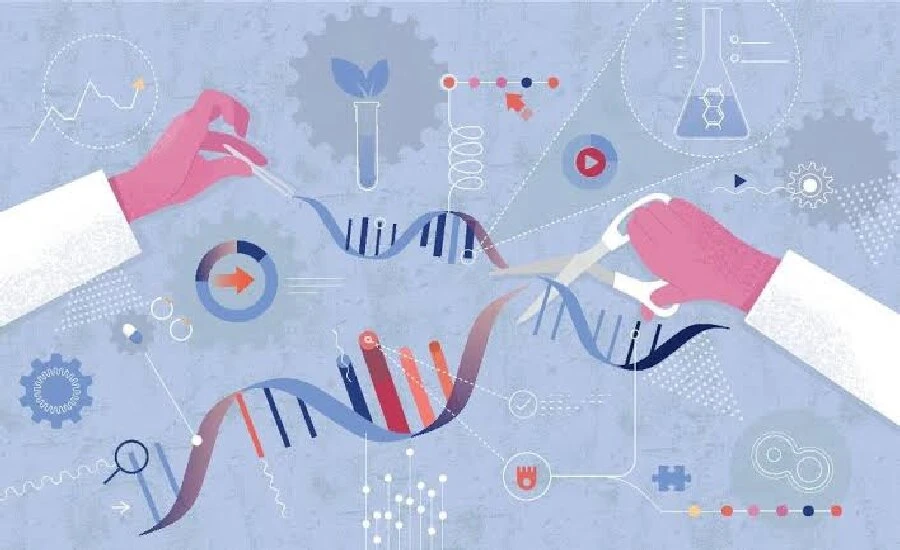
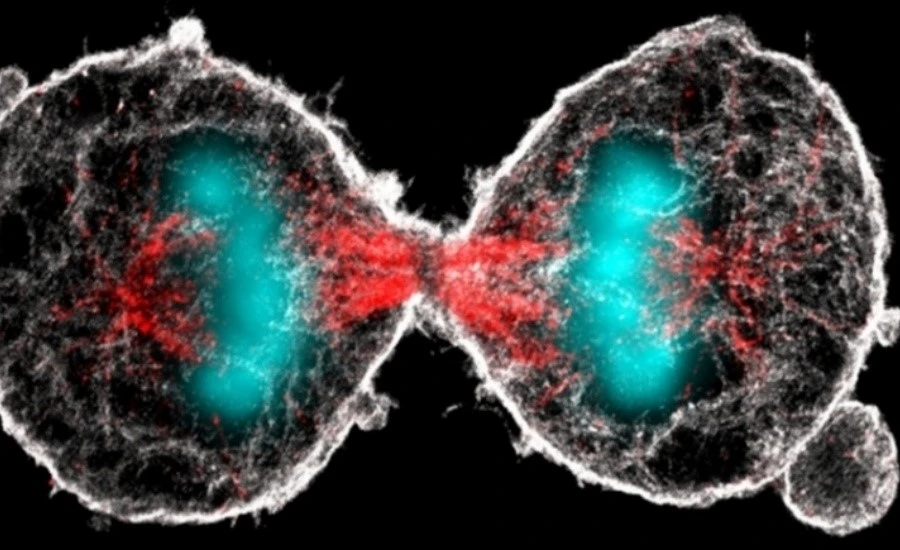
NNMT inhibition stops the change of nicotinamide into modified substances, so it doesn't give building blocks or speed up the production process. Instead, it lowers the use of NAD+. One of the main ways that NAD+ levels drop can be fixed with this method.
Sirtuin Activation and Epigenetic Regulation
Sirtuins are a group of deacetylases that rely on NAD+ and control many processes that happen in the body as it ages. The acetyl groups on histones and other proteins are taken off by these enzymes. This changes the way metabolism works, genes are turned on and off, and cells handle stress. The amount of NAD+ in the cell directly impacts sirtuin activity, which is linked to cell energy levels and gene control.
Silentuin pathways are activated by activities that maintain high amounts of NAD+. These pathways are mostly SIRT1 in the nucleus and SIRT3 in the mitochondria. SIRT1 changes a lot of target proteins, like transcription factors that manage metabolism,
inflammation, and how cells learn to divide. SIRT3 manages the acetylation state of mitochondrial proteins, which has an effect on how well the respiratory chain works and how well the body can handle reaction stress.
It was found that the patterns of histone acetylation changed in tissues from animals that had been given 5-Amino-1MQ. These changes are consistent with sirtuin activation. More H3K9 deacetylation and different chromatin shapes in the promoter areas of metabolic genes are two of these changes. Why did metabolism get better after NNMT was blocked? This change in epigenetics may help explain it.
DNA Repair Capacity and Genomic Stability
To keep genetic integrity, DNA needs to be fixed all the time. This is to fix damage from things like oxidative stress, mistakes in replication, and being in the environment. A lot of processes that fix DNA need NAD+ as a partner or substrate. Poly(ADP-ribose) polymerases (PARPs) are an important group because they help fix base excision and double-strand breaks.
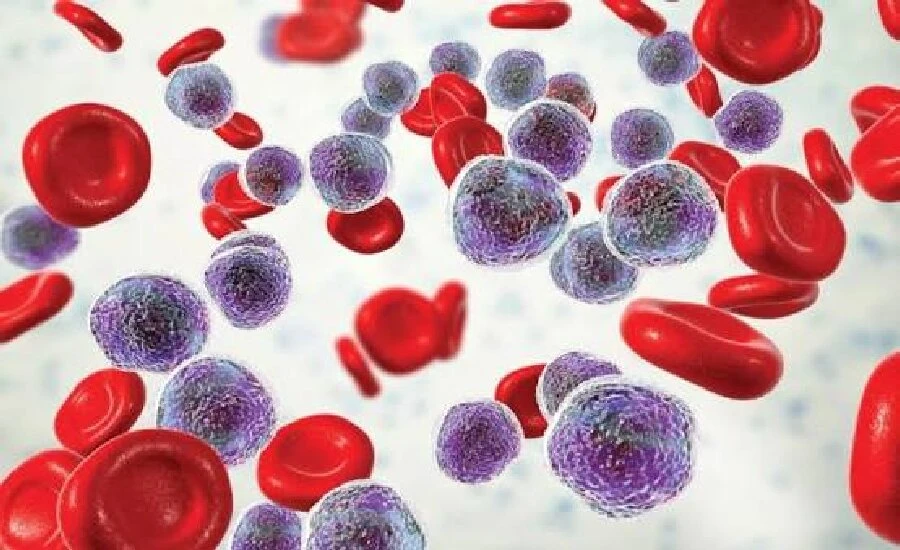
Loss of NAD+ with age may make DNA repair less effective, which can cause harm to the genome to build up. Cells don't work right, you age, and maybe even cancerous changes happen because of this buildup. In theory, treatments that keep NAD+ available could help people keep their DNA repair skills throughout their lives.
Researchers who use replicative aging models to study cells have found that giving them NNMT inhibitors lowers DNA damage markers like γH2AX foci. After being treated, cells had more telomerase activity, which keeps the ends of chromosomes whole. NNMT might help processes that keep genomic information up to date, which is important for cell life, based on these results.

Cellular Longevity Pathways Relevant to 5 Amino 1MQ Peptide Injection

Senescence Modulation and Tissue Regeneration
5-Amino-1MQ may reduce cellular senescence by lowering senescence-associated β-galactosidase, p16, p21, and SASP factors such as IL-6 and matrix metalloproteinases. Improved mitochondrial function may reduce oxidative stress, while increased NAD⁺ supports sirtuin-mediated chromatin regulation. These effects may limit senescence progression and inflammatory signaling, supporting tissue regeneration.
Proteostasis and Cellular Quality Control
Proteostasis maintains protein synthesis, folding, transport, and degradation, but declines with age as chaperone, proteasome, and autophagy functions weaken. NNMT inhibition may improve protein quality control, reducing mutant huntingtin aggregation, enhancing chaperone production, and promoting autophagic clearance. These effects may reduce proteotoxic stress, improve cellular resilience, and extend cell survival.
Metabolic Memory and Long-Term Adaptation
Metabolic interventions may create lasting cellular changes through epigenetic and transcriptional adaptation. Studies suggest that improvements in metabolic markers and stress resistance can persist after NNMT inhibition ends, even when enzyme activity normalizes. This metabolic memory may support longer-term cellular resilience, suggesting potential benefits from intermittent rather than continuous interventions.

Conclusion
For studying life, the 5 amino 1mq peptide injection is useful since it works on NNMT in a way that no other drug does. When this enzyme gets blocked, it changes many biological processes that are involved in getting older. This plan changes how mitochondria work, how sirtuin is activated, how flexible metabolism is, how inflammation is controlled, and the systems that keep cells healthy by keeping NAD+. Preclinical studies show that metabolic parameters, cellular aging markers, and functional declines that come with getting older get better.
Most of what we know about how NNMT reduction changes pathways that are important for life comes from studying cells and animal models. However, the main ideas behind these effects seem strong. These compounds work on basic parts of how cells make energy and deal with stress that get worse with age. It is still hard for scientists to understand all the different biological systems and how they affect health over time.
Researchers who study aging are very interested in 5-Amino-1MQ because it has traits that are connected to metabolic regulation, NAD+ biology, and quality control processes in cells. Knowing about these links helps us understand how we age and what we can do to make the process go more easily.
Frequently Asked Questions
1.What makes 5-Amino-1MQ different from NAD+ precursor supplements?
-
In order to do its job, the molecule stops enzymes from adding substrates. To make new NAD+, you need NAD+ precursors like NMN or NR. NNMT activity is stopped by 5-amino-1MQ. This means that NAD+ precursors can't be used through methylation pathways. This is an extra system that handles the loss of NAD+ in a different way. It might work better when used with methods for adding more preparations.
2.How long do metabolic improvements persist after treatment discontinuation?
-
Researchers in animals have found that stopping NNMT may cause metabolic changes that last longer than the active treatment time. This is because it changes epigenetics and reprogrammes transcription. Researchers have found that stress tolerance factors and metabolic gene expression keep getting better even after the person stops taking their medicine. How long these effects last probably depends on how long the person is being treated, how much they are taking, and their metabolic state. This is something that needs to be looked into more.
3.Can 5-Amino-1MQ be combined with other longevity-focused interventions?
-
NNMT suppression and exercise training work better together, according to research. This means that they can be used together with changes in living. The processes that were changed-the way NAD+ is used, how mitochondria work, and how sirtuin is turned on-should work well with other medicines that target different aspects of aging biology. It's possible that treatments that work on more than one part of aging will work better together than when used alone, but there hasn't been a lot of research done on this yet.
Partner With a Trusted 5 Amino 1MQ Peptide Injection Supplier
Kpeptide is the company you can trust when you need peptides for study or as building blocks for medicines. As a well-known business that sells 5 amino 1mq peptide injections, we test our products three times to make sure they are of the highest quality: in-house analysis, internal QA/QC checks, and approval by a third party. We have GMP-certified facilities that are 100,000 square meters and meet the rules of the US FDA, the EU, Japan, and China. This makes sure that your school projects follow the rules that these groups have set.
Over the past 12 years, we have become very good at chemical chemistry and pharmaceutical intermediates. Our prices are clear, our lead times are correct, and we offer professional technical help to research institutions, biotechnology companies, pharmaceutical companies, and contract development organizations (CDOs). As a way to help you with your protocols for researching longevity, our dedicated team gives you detailed analytical documentation that includes HPLC and MS data.
Find out how Kpeptide's stable supply chain and high quality standards can help your research. You can talk to our team about your specific needs and get full product information for your next project by emailing sales@kpeptide.com.
References
1. Katsyuba E, Romani M, Hofer D, Auwerx J. NAD+ homeostasis in health and disease. Nature Metabolism. 2020;2(1):9-31.
2. Kraus D, Yang Q, Kong D, et al. Nicotinamide N-methyltransferase knockdown protects against diet-induced obesity. Nature. 2014;508(7495):258-262.
3. López-Otín C, Blasco MA, Partridge L, Serrano M, Kroemer G. The hallmarks of aging. Cell. 2013;153(6):1194-1217.
4. Yoshino J, Baur JA, Imai SI. NAD+ intermediates: the biology and therapeutic potential of NMN and NR. Cell Metabolism. 2018;27(3):513-528.
5. Campisi J, Kapahi P, Lithgow GJ, Melov S, Newman JC, Verdin E. From discoveries in ageing research to therapeutics for healthy ageing. Nature. 2019;571(7764):183-192.
6. Cantó C, Menzies KJ, Auwerx J. NAD+ metabolism and the control of energy homeostasis: a balancing act between mitochondria and the nucleus. Cell Metabolism. 2015;22(1):31-53.


