


Understanding how the body breaks down stored fat has become a focal point in metabolic research. Scientists worldwide are investigating mechanisms that could help address excessive adipose tissue accumulation and its associated metabolic complications.

5-Amino-1MQ Peptide Injection
1.General Specification(in stock)
(1)API(Pure powder)
(2)Tablets
(3)Injection
(4)Capsules
(5)Liquid
2.Customization:
We will negotiate individually, OEM/ODM, No brand, for secience researching only.
Internal Code:KP-3-5/002
NNMTi CAS 42464-96-0
Molecular formula: C10H11N2.I
HS code: N/A
Molecular weight: 286.11
EINECS number: 464-196-0
Main market: USA, Australia, Brazil, Japan, Germany, Indonesia, UK, New Zealand , Canada etc.
Analysis: HPLC, LC-MS, HNMR
Technology support: R&D Dept.-4
Among emerging research compounds, 5 amino 1mq peptide has attracted attention for its potential role in modulating fat metabolism through nicotinamide N-methyltransferase (NNMT) inhibition. This article explores the lipolysis pathway and examines how this compound fits into current research on fat breakdown and energy regulation.

What Is Lipolysis and Where Does 5 Amino 1MQ Peptide Fit?
Understanding the Lipolysis Process
Triglycerides stored in adipose tissue are broken down into glycerol and free fatty acids. This is known as lipolysis. It's a major metabolic route that the body uses to deliver energy where it needs to go when it needs fuel between meals or during a workout. Hormone sensitive lipase (HSL) and adipose triglyceride lipase (ATGL) initiate a cascade of enzyme activities. These enzymes sequentially cleave fatty acid chains from the glycerol backbone.
In a healthy metabolism, lipolysis and lipogenesis (formation of new fat) operate together. But if this equilibrium is disturbed it might lead to an excess of fat accumulation or insufficient energy storage. Lipolytic activity has been demonstrated to be modulated by several variables, such as endocrine signals, nutritional condition and cellular energy demands. This is where nicotinamide adenine dinucleotide (NAD⁺) comes in. NAD⁺ is a coenzyme required for several metabolic activities that break down fat and provide energy.
The NNMT Connection

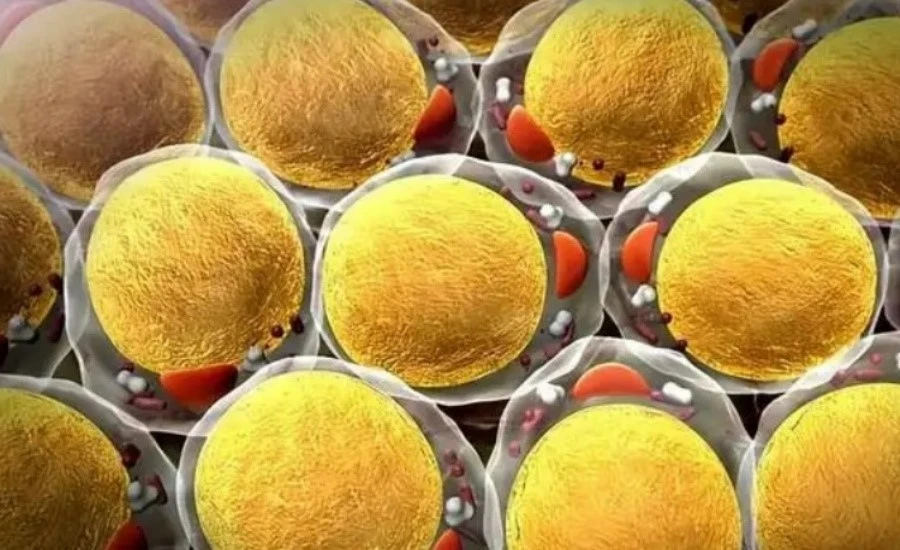
Nicotinamide N-methyltransferase (NNMT) has emerged as a crucial regulator of how cells utilise energy. The enzyme catalyses methylation of the nicotinamide group and reduces the available pool of NAD+ to the cell. Animal model and human research has shown that elevated NNMT levels are associated with increased obesity and metabolic issues. Increases in NNMT activity reduce the levels of NAD+ in cells, which reduces the activity of NAD+-using enzymes involved in fat metabolism. The 5 amino 1mq peptide is chemically known as 5-Amino-1-methylquinolinium chloride and acts as a selective NNMT inhibitor . By inhibiting this enzyme, the compound may increase levels of NAD+, which would affect several metabolic processes, such as lipolysis. Model studies indicate that inhibition of NNMT may provide a novel view on metabolic regulation, particularly on the response of adipose tissue to the signals of energy storage and demand.
Research Applications in Metabolic Studies
It seems like NNMT activity and fat metabolism are related to each other ,
and researchers are playing with a 5 amino 1mq peptide in the lab . In vitro studies of mature adipocytes have shown that NNMT inhibition alters the expression of genes involved in both lipolysis and lipogenesis. These laboratory models allow us to learn how the quantity of NAD+ in cells impacts metabolic characteristics.
These findings have been extended to full animals in animal research. In diet-induced models of metabolic dysfunction, NNMT inhibitors have been associated with alterations in adipose tissue mass, inflammatory markers, and metabolic parameters. These results have spurred more study into how inhibiting NNMT might influence the body's metabolism, particularly its capacity to activate lipolytic enzymes and mobilise stored fats.
5 Amino 1MQ Peptide and Adipocyte Lipid Mobilization
Adipocyte Biology and Fat Storage Dynamics
Adipocytes, which are cells that store fat, keep the balance between holding and releasing lipids. These cells react to different signals, such as insulin, catecholamines, and inflammatory mediators. These signals tell adipocytes whether to store or release fatty acids. To figure out how substances like 5 amino 1mq peptide affect these cellular choices, we need to look at the signaling pathways that control how adipocytes work.
Large fat bubbles mostly made up of triglycerides are found in mature adipocytes. When metabolic demand goes up, lipolytic enzymes get to these droplets and start breaking them down. According to research, NNMT expression rises when adipocytes differentiate and stays high in mature fat cells. This finding shows that NNMT activity may affect both the process of storing lipids and the machinery inside cells that lets them out.
NAD⁺ Restoration and Metabolic Signaling
The amount of NAD⁺ in cells controls metabolism, sending signals about energy levels and affecting many biological processes.

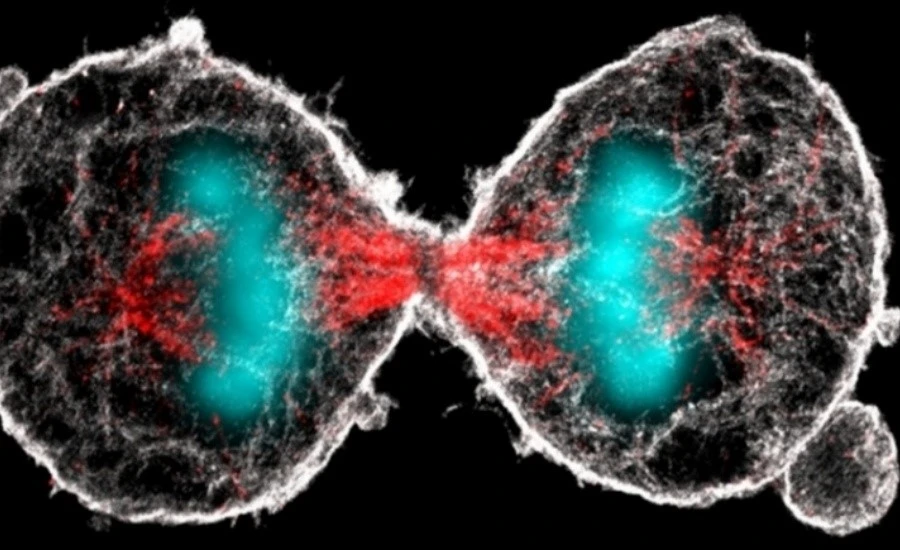
SIRT1, a deacetylase enzyme that depends on NAD+, shows how the availability of NAD+ affects metabolic processes. Activating SIRT1 has been linked to better insulin sensitivity, better mitochondrial activity, and more fat being burned in different study models. The 5 amino 1mq peptide might raise cellular NAD+ levels by blocking NNMT. This could then turn on SIRT1 and related signaling pathways. This process might explain why the production and activity of lipolytic enzymes change in experimental systems. Lab results show that cells treated with NNMT inhibitors have different amounts of ATGL and HSL, which are important enzymes in the lipolysis chain. This supports the idea that the presence of NAD⁺ directly affects the ability to break down fat.
Experimental Observations in Cell Culture Systems
Using 3T3-L1 preadipocytes, a common model for studying fat cell formation, in vitro research has helped us understand how blocking NNMT changes the function of adipocytes. Researchers show that when they treat differentiating preadipocytes with the 5 amino 1mq peptide,
lipid accumulation goes down and the expression of adipogenic transcription factors like PPARγ and C/EBPα changes. This effect is dose-dependent.
Changes in metabolic gene expression profiles are also shown by these cell culture experiments. When cells are treated, genes related to fatty acid oxidation are turned on and lipogenic pathways are turned off. The amount of triglycerides inside cells shows that blocking NNMT is linked to less fat storage. This suggests that the compound changes the balance between making fat and breaking it down, even during the crucial period when preadipocytes change into mature adipocytes.

How Does 5 Amino 1MQ Peptide Relate to Fatty Acid Release?
Lipolytic Enzyme Expression and Activity
Enzymes must work together for fatty acids to be released from adipose tissue. ATGL starts the process by taking out the first fatty acid from triglycerides. This makes diacylglycerols. The breakdown continues with HSL, which makes monoacylglycerols. The process is finished by monoacylglycerol lipase, which frees the last fatty acid and glycerol. Researchers who have looked into NNMT suppression have found that the levels of production of these enzymes change. Studies on animals have shown that giving them the 5 amino 1mq peptide leads to higher levels of ATGL and HSL mRNA in fat tissue. This finding shows that blocking NNMT might improve the transcriptional programs that control lipolytic ability. The process probably uses signaling pathways that depend on NAD⁺ and change histone proteins and transcription factors to control gene transcription.
Hormonal Sensitivity and Metabolic Flexibility
How well the body can use saved energy depends on how responsive adipose tissue is to hormonal messages.

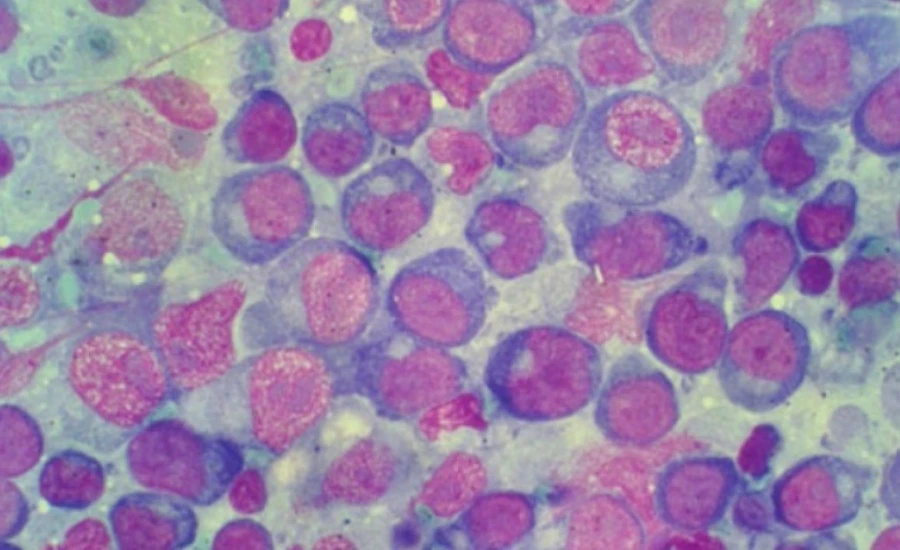
When you're stressed or working out, your body releases catecholamines. These chemicals bind to beta-adrenergic receptors on adipocytes, which starts a chain of events that turns on lipolytic enzymes. In contrast, insulin encourages the storage of lipids and stops lipolysis, causing a push-pull effect that changes when you are fed or fasted. According to research, metabolic dysfunction is often caused by adipose tissue that isn't responding properly to hormones. Adipocytes may not respond as well to lipolytic signals when there is chronic inflammation, too much fat buildup, or changes in NAD+ metabolism. There is evidence from experiments that blocking NNMT might restore some aspects of metabolic flexibility. This could make it easier for adipocytes to respond to body signals that tell them to move fat.
Systemic Metabolic Context
When adipose tissue releases fatty acids, it affects more than just the fat cells themselves. Once free fatty acids are in the bloodstream, they go to other tissues, like the heart, muscles, and liver,
where they are beta-oxidized to make ATP. But releasing too many fatty acids can lead to lipotoxicity, especially in the liver, where it may cause steatosis.
Researchers who used metabolic study models to look at the 5 amino 1mq peptide have found changes in both adipose tissue and the liver's cholesterol metabolism. Mice that are given NNMT inhibitors often have less triglyceride buildup in their livers and less fat mass. This suggests that the compound's effects on lipolysis are part of a larger metabolic process that changes how energy is distributed and used throughout the body.

5 Amino 1MQ Peptide, Lipolysis, and Cellular Energy Use
Mitochondrial Function and Fat Oxidation
Fatty acids that have been released must eventually be oxidized to make energy that can be used. This process mostly happens in the mitochondria through beta-oxidation, which cuts fatty acid chains into two-carbon units one at a time. This makes acetyl-CoA, which goes into the citric acid cycle. It is important for mitochondria to work well so that released fats are used instead of building up outside the cell.
During the oxygen metabolism route, NAD+ is an important cofactor. The electron transport chain, which makes most of the ATP in cells, needs NAD⁺ in its reduced form (NADH) to work right. Researchers have shown that the amount of NAD⁺ available in cells affects the production of mitochondria, the ability to breathe, and the general efficiency of oxidation. By possibly increasing NAD+ through blocking NNMT, the 5 amino 1mq peptide might indirectly make it easier for cells to burn off released fatty acids.
Energy Expenditure Observations


Metabolic research makes a distinction between lipolysis (the breakdown of fat) and oxidation (the burning of fat for energy). To keep partly digested lipid intermediates from building up, effective metabolic treatments should ideally speed up both processes. Studies on animals that looked at NNMT suppression found that the animals used more energy and their bodies changed shape.
Indirect calorimetry tests, which look at how much oxygen is used and how much carbon dioxide is made to figure out how much energy is being used, have shown that animals that have been given NNMT inhibitors have different patterns of using substrates. These findings suggest that the compound's effect goes beyond just releasing fatty acids. It may also change how tissues use these released lipids to make energy.
Metabolic Flexibility and Adaptive Responses
Metabolic flexibility means being able to switch between burning glucose and fatty acids efficiently based on the supply of nutrients and the body's energy needs. In many cases of metabolic dysfunction,
cells have trouble oxidizing available fuel sources properly because their metabolism is not as flexible as it should be. Models from research show that increasing NAD+ levels might make the metabolism more flexible by making enzymes and communication pathways that choose fuels work better.
Researchers have looked into the 5 amino 1mq peptide to see if blocking NNMT affects how cells adjust to changes in energy levels. Early research shows that treated cells and animals may have better changes between metabolic states when they are fed and when they are not. This could be because the lipolytic pathways and oxidative ability work better together.

Mapping the Lipolysis Mechanism of 5 Amino 1MQ Peptide Research
Molecular Signaling Cascades
At the moment, researchers are trying to figure out the exact molecular processes by which blocking NNMT affects lipolysis. The path probably has more than one node that is connected to each other. An increase in NAD⁺ turns on SIRT1, which deacetylates many target proteins, including PGC-1α, which controls mitochondrial formation and oxidative metabolism. It's possible that this activation will start a positive feedback loop that makes both lipolytic capacity and oxidative potential stronger. AMPK signaling is another important energy-sensing mechanism that is affected by NAD⁺ levels. When AMPK is activated, it speeds up processes that break down things, like lipolysis, and stops processes that build things up, like lipogenesis. When SIRT1 and AMPK work together, they make a complicated network that controls many parts of cellular metabolism based on energy levels.
Inflammatory Modulation and Metabolic Environment
Low-level inflammation that lasts for a long time in adipose tissue messes up regular metabolic function,


which includes the right lipolytic reactions. IL-6 and other inflammatory cytokines can mess up insulin signals and change how adipocyte genes are expressed. Researchers have found a link between blocking NNMT and lower levels of inflammation markers in fat tissue. By making the metabolic environment better, this anti-inflammatory effect may indirectly lead to better lipolytic function. Lessening the number of macrophages and cytokines could help get adipocytes back to responding normally to lipolytic signals. Some studies have also found that animals treated with NNMT inhibitors made more of certain lipid mediators that help inflammation go away. This suggests that there are more ways for inflammation to go away.
Integration with Broader Metabolic Networks
Lipolysis doesn't happen by itself; it works with other biochemical pathways, like the metabolism of glucose and amino acids. Researchers have started to look into how NNMT inhibition affects these linked systems by looking at the 5 amino 1mq peptide.
Several types of experiments have shown that insulin sensitivity, glucose release in the liver, and glucose uptake in muscles can all change.
Researchers are still trying to figure out how these bigger metabolic effects work. The compound's effect on lipolysis is one part of a bigger metabolic change process that might have an impact on the body's energy balance. Researchers are still trying to figure out how these complicated interactions work and what effects are direct results of blocking NNMT and which are secondary responses to different metabolic states.

Conclusion
The lipolysis pathway is a complicated and tightly controlled system that controls how living things use energy that they have saved. Studying the 5 amino 1mq peptide has shown possible links between NNMT activity, NAD+ metabolism, and the breaking down of fat. Researchers can use this compound to study metabolic regulation at the cellular, tissue, and systemic levels because it selectively blocks NNMT receptors.
There is evidence that blocking NNMT affects many steps in the lipolysis process, ranging from the expression of enzymes to the sensitivity of hormones to oxidative capacity further down the line. These effects happen in a bigger metabolic context that includes lowering inflammation, making mitochondria work better, and making metabolism more flexible. As research goes on, we may be able to find new ways to study metabolic health and disease as we learn more about these processes.
The study of the 5 amino 1mq peptide shows how focusing on certain metabolic processes can tell basic ideas about how energy is controlled. Even though there is still a lot to learn about the exact processes and possible uses, the compound has already helped us understand the complex connection between NNMT activity, cellular energy state, and lipid metabolism.
Frequently Asked Questions
1.What makes 5 amino 1mq peptide relevant to lipolysis research?
-
The chemical works by selectively blocking nicotinamide N-methyltransferase (NNMT), an enzyme that lowers the amount of NAD⁺ in cells. Because NAD⁺ is an important cofactor for many metabolic processes, including lipolysis, blocking NNMT might make NAD⁺ available again and change the pathways that break down fat. Researchers have found links between blocking NNMT and changes in the production of lipolytic enzymes. This substance is useful for studying how metabolism works.
2.How does NNMT inhibition potentially affect fatty acid mobilization?
-
NNMT inhibition raises the amount of NAD+ in cells, which then turns on SIRT1 and other NAD+-dependent enzymes. This action changes the transcription of genes that make lipolytic enzymes like ATGL and HSL. This could make the machinery inside cells that breaks down stored fats work better. Having more NAD⁺ may also improve the oxidative capacity of mitochondria, which helps cells use released fatty acids for energy production more efficiently.
3.What distinguishes research-grade 5 amino 1mq peptide quality?
-
For research-grade materials, they need to be very pure (usually ≥98%) and be checked using a number of analytical techniques, such as HPLC and mass spectrometry. Complete documentation, such as certificates of analysis, stability data, and handling protocols, makes sure that the results of an experiment can be repeated. Reliable suppliers offer consistent batches, the right storage conditions, and technical support to help researchers improve their experimental protocols and correctly interpret the results.
Partner with Kpeptide: Your Trusted 5 Amino 1MQ Peptide Supplier
As metabolic research moves forward, it becomes more important for scientists to have stable access to high-quality study compounds. Kpeptide is the best place to get 5 amino 1mq peptides because they offer pharmaceutical-grade materials to researchers and make sure they follow all the rules for quality and safety. Our 100,000-square-meter production facilities are GMP-certified and also have certifications from the US FDA, the EU, Japan, and China. This makes sure that every batch meets the highest international standards.
We have been making organic chemicals and pharmaceutical intermediates for more than 12 years, so we know how important it is for study uses to be pure, consistent, and have good documentation. Our quality control method has three levels of confirmation: testing in the plant, analysis by an independent QA/QC department, and certification by a third party. This makes sure that researchers get materials with full analytical data and specs that have been checked.

We offer reasonable prices, reliable supply chains, and quick technical help to pharmaceutical companies, biotechnology companies, CDMOs, and research schools all over the world. Our team handles everything in-house, from the initial question to clearing customs. We communicate clearly and keep track of accurate delivery dates through our ERP platform.
Kpeptide gives you the high-quality chemicals and professional support you need whether you're studying how lipolysis works, metabolic pathways, or coming up with new research methods. Get in touch with us right away at sales@kpeptide.com to talk about your study needs and find out how our skills can help you reach your science goals.
References
1. Kraus D, Yang Q, Kong D, et al. Nicotinamide N-methyltransferase knockdown protects against diet-induced obesity. Nature. 2014;508(7495):258-262.
2. Komatsu M, Kanda T, Urai H, et al. NNMT activation can contribute to the development of fatty liver disease by modulating the NAD+ metabolism. Scientific Reports. 2018;8:8637.
3. Ulanovskaya OA, Zuhl AM, Cravatt BF. NNMT promotes epigenetic remodeling in cancer by creating a metabolic methylation sink. Nature Chemical Biology. 2013;9(5):300-306.
4. Brachs S, Polack J, Brachs M, et al. Genetic nicotinamide N-methyltransferase (NNMT) deficiency in male mice improves insulin sensitivity in diet-induced obesity but does not affect glucose tolerance. Diabetes. 2019;68(3):527-542.
5. Campesi I, Occhioni S, Tonolo G, et al. Ageing/menopausal status in healthy women and ageing in healthy men differently affect cardiometabolic parameters. International Journal of Medical Sciences. 2016;13(2):124-132.
6. Hong S, Moreno-Navarrete JM, Wei X, et al. Nicotinamide N-methyltransferase regulates hepatic nutrient metabolism through Sirt1 protein stabilization. Nature Medicine. 2015;21(8):887-894.


