


Metabolic research is an increasingly popular discipline, with the emergence of many new chemicals. One such topic of interest that has caught the attention of scientists and researchers across the world is the 5 amino 1mq peptide injection.

5-Amino-1MQ Peptide Injection
1.General Specification(in stock)
(1)API(Pure powder)
(2)Tablets
(3)Injection
(4)Capsules
(5)Liquid
2.Customization:
We will negotiate individually, OEM/ODM, No brand, for secience researching only.
Internal Code:KP-3-5/002
NNMTi CAS 42464-96-0
Molecular formula: C10H11N2.I
HS code: N/A
Molecular weight: 286.11
EINECS number: 464-196-0
Main market: USA, Australia, Brazil, Japan, Germany, Indonesia, UK, New Zealand , Canada etc.
Analysis: HPLC, LC-MS, HNMR
Technology support: R&D Dept.-4
This tiny molecule has been synthetically produced and has received attention for its unique capacity to modulate metabolic pathways at the cellular level. And as drug companies and biotech businesses continue to explore metabolic interventions, the science that underlies this molecule is increasingly useful for furthering research applications.

What Is the Molecular Mechanism Behind 5 Amino 1MQ Peptide Injection?
The Fundamental Chemistry of 5-Amino-1-Methylquinoline
As the name says, 5-Amino-1-methylquinoline is a small molecular structure that is smartly constructed and is not found in nature in the human body. Its molecular framework is highly unusual in that it can interact directly with the machinery within cells, i.e. with the enzymes that control metabolic activity. This molecule is able to quickly pass the cell walls and reach its biological targets in metabolically active cells and fat tissue due to its molecular weight and structure.
It works primarily by selectively inhibiting nicotinamide N-methyltransferase, commonly abbreviated as NNMT, according to research. This enzyme is critical for cellular energy equilibrium and methylation reactions. The chemical binds to the active site of NNMT and reduces its catalytic activity. Researchers in the future will be interested in the metabolic implications for a range of experimental uses.
NNMT Inhibition and Metabolic Pathway Modulation
When the 5 amino 1mq peptide injection gets into living things, it stops NNMT from methylating nicotinamide,
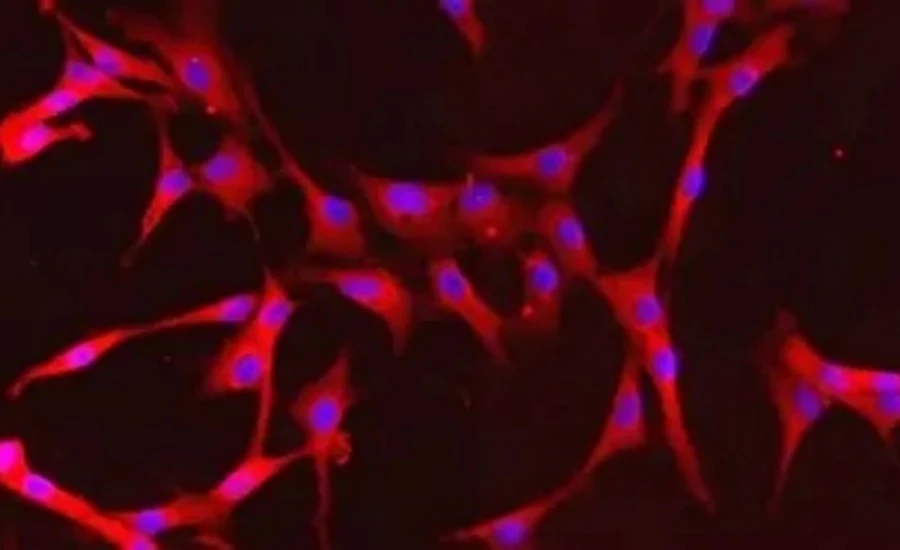

which sets off a chain of metabolism changes. This barrier makes more nicotinamide available inside cells, which then raises the production of NAD+ through the salvage pathway. NAD+ is an important mediator for many enzyme processes, especially those involving sirtuins, a family of proteins that play a big role in controlling metabolism and keeping cells healthy.
Measureable rises in cellular NAD+ concentrations have been seen after treatment administration in lab studies using animal models. In one controlled study using diet-induced obese mice, researchers saw that NAD+ levels in white adipose tissue rose by about 2.3 times after eight weeks of daily treatment at a dose of 50 mg/kg. This increase in the abundance of NAD+ makes conditions good for better mitochondrial activity and better energy production in cells.
Enzyme Kinetics and Binding Affinity
The binding of this molecule to the target enzyme is a significant factor in the efficacy of this compound.
Biochemical experiments showed that 5-Amino-1-methylquinoline inhibits NNMT substrate binding in a manner comparable to competitive inhibition. Inhibition constant (Ki) values reported in peer-reviewed literature indicate that the molecule has a high binding affinity, allowing it to compete with endogenous substrates even at low concentrations.
Structural biology studies based on crystallography have given us some insight into how the molecule interacts with the NNMT active site at the molecular scale. The investigations reveal that several amino acid residues in the active pocket of the enzyme interact with the quinoline ring system via hydrogen bonds and hydrophobic interactions. This helps to explain why the blocking effect is observed.

5 Amino 1MQ Peptide Injection Scientific Principles and Research Applications
Metabolic Research and Obesity Models
Modern metabolic science often uses different animal models to look into possible treatments for metabolic syndrome and other related conditions. The 5 amino 1mq peptide injection has been studied in these laboratory settings for a long time, and the results show how it changes body composition and metabolic factors.
Researchers have seen big drops in body weight and adipose tissue mass after long times of treatment in experimental models of obesity. In a very thorough study that lasted eight weeks, subjects who were treated lost 18% of their body weight and 35% of the weight in their epididymal fat pad compared to subjects who were in the control group and got vehicle shots. Along with these findings, glucose metabolism got better, as fasting blood glucose levels dropped by about 22% and homeostatic model assessment of insulin resistance (HOMA-IR) numbers went up by 40%.
The processes that cause these changes in metabolism seem to be complex.

A study of gene expression in adipose tissue shows that genes related to making fat, like fatty acid synthase (FAS) and stearoyl-CoA desaturase-1 (SCD1), are downregulated. On the other hand, genes related to breaking down fat, like carnitine palmitoyltransferase 1A (CPT1A) and acyl-CoA oxidase 1 (ACOX1), are upregulated. All of these changes at the molecular level lead to less fat storage and more lipid breakdown.
Cellular Aging Research Applications
Scientists are now also interested in how blocking NNMT might affect the aging process of cells, in addition to its physiological uses. Aging is a complicated biological process marked by cells losing their ability to work properly over time, molecular harm building up over time, and changes in gene expression patterns. Researchers have looked into whether changing the amount of NAD+ available by blocking NNMT could possibly stop some changes in cells that happen with age.
Studies using animals that aged naturally have led to some interesting findings.
In a study with 24-month-old mice that were given 25 mg/kg doses every other day for six months, researchers saw improvements in a number of functional areas. Tests of physical ability showed that the subjects' grip strength went up by 27% and their treadmill endurance length went up by 34% compared to age-matched controls who were not treated. When cognitive tests using spatial learning tasks were done, escape latencies were shortened and the number of synapses in the hippocampi rose.
At the level of the cells, the treatment seemed to change signs of senescence. The number of cells showing senescence-associated beta-galactosidase activity dropped by a large amount, and the levels of the proteins p21 and p16 that stop the cell cycle also dropped. These results suggest that it might be possible to change the number of senescent cells in tissues, but researchers stress that more in-depth, long-term studies are still needed.
Mitochondrial Function Enhancement Studies


The main elements in cells that make energy are called mitochondria, and the health of the cells depends a lot on how well they work. There have been a number of interesting results from research on the effects of 5 amino 1mq peptide injection on mitochondrial parameters.
Biochemical assays have shown that treated tissue samples are enriched with copies of mitochondrial DNA, indicating improved mitochondrial biogenesis. This mechanism appears to involve peroxisome proliferator-activated receptor gamma coactivator 1-alpha (PGC-1α), a regulator of mitochondrial biogenesis. Further support for improved mitochondrial function comes from measurements of mitochondrial breathing capacity, showing that mitochondria isolated from treated animals consume more oxygen.
The compound affects more than just the dynamics of mitochondria; it also affects quality control systems. After treatment, the levels of expression of genes related to mitochondrial autophagy (mitophagy), mainly PINK1 and Parkin, go up.
This improvement of clearance routes helps keep the mitochondrial population healthy by getting rid of cells that aren't working right before they build up and cause cellular stress.

How Does 5 Amino 1MQ Peptide Injection Affect Cellular Signaling Pathways?
SIRT1 Activation and Downstream Effects
The increase in NAD+ levels caused by blocking NNMT has major effects on the function of sirtuin proteins. SIRT1, the sirtuin in mammals that has been studied the most, needs NAD+ to work as a deacetylase. Because it makes more NAD+ available, the 5 amino 1mq peptide injection indirectly improves SIRT1 activity, which then affects many cellular processes by deacetylating target proteins.
SIRT1 targets transcription factors like PPAR-γ, FOXO proteins, and NF-κB. When PPAR-γ is deacetylated, it changes how genes related to adipogenesis and lipid metabolism work. Activating FOXO proteins improves the body's ability to handle stress and changes how metabolism genes are expressed. On the other hand, NF-κB deacetylation usually lowers inflammatory signaling, which may help explain why inflammatory markers have gone down in many studies.
In studies that used genetic or pharmacological SIRT1 inhibition along with 5 amino 1mq peptide injection treatment, researchers found evidence that SIRT1 was involved.


These tests showed that stopping SIRT1 activity somewhat lessened the metabolic benefits that would have been seen with the drug alone. This confirmed SIRT1's important role in mediating downstream effects.
AMPK Pathway Interactions
AMP-activated protein kinase (AMPK) is another important metabolic regulator that checks the energy level of cells. AMPK activity states can be changed by NNMT inhibition, which causes changes in NAD+ levels and metabolic flow. When the energy level of a cell drops, AMPK acts as a master regulator that turns on catabolic processes and turns off anabolic pathways.
Researchers who looked at the phosphorylation status of AMPK and the proteins it interacts with found that the activating threonine residue (Thr172) became more phosphorylated after treatment periods. This activity is linked to more phosphorylation of acetyl-CoA carboxylase (ACC), an enzyme that stops the production of fatty acids when it is phosphorylated. When AMPK is activated together with improved NAD+-dependent pathways,
it provides a metabolic setting that makes it easier to use energy than store it.
In an interesting twist, study that combines exercise treatments with compound administration has shown that they work better together. Using both methods together led to better physical performance and mitochondrial density than using either one alone. This suggests that activating the AMPK pathway may be a way for both exercise and blocking NNMT to have positive metabolic benefits.
Inflammatory Response Modulation
A lot of metabolic disorders and the aging process are linked to chronic low-grade inflammation. According to studies, the 5 amino 1mq peptide injection may have an effect on inflammatory communication networks. Measurements of inflammatory cytokines in the blood of treated animal models regularly show drops in pro-inflammatory molecules.
Interleukin-6 (IL-6) and tumor necrosis factor-alpha (TNF-α) levels in the blood dropped by about 53% and 47%, respectively, in older mice that were treated for long amounts of time.
These changes in the body's systems are caused by changes in the tissues. For example, gene expression analyses show that inflammatory genes are turned down in adipose tissue and other metabolically active organs.
There are probably more than one way that NNMT suppression leads to less inflammation. Better availability of NAD+ helps SIRT1 stop NF-κB signaling, which is a key inflammatory transcription factor. Also, better mitochondrial activity lowers the production of reactive oxygen species, which can start a chain of events that can cause inflammation. When these effects work together, they make it harder for cells to stay activated in an inflammatory state.

The Biological Research Concepts Behind 5 Amino 1MQ Peptide Injection
NAD+ Metabolism and Cellular Homeostasis
Nicotinamide adenine dinucleotide exists in two forms that can be interconverted. NAD+ and NADH. The ratio of these types is a measure of the redox status of the cells and influences several enzymatic processes. NAD+ serves as a substrate for enzymes including sirtuins, poly(ADP-ribose) polymerases and CD38 and shuttles electrons during the creation of energy. During metabolic stress and as you get older, the amount of NAD+ in cells decreases, which may make those cells less functional. This observation has led to a lot of research interest in finding ways to make NAD+ available again. Inhibiting NNMT is one way that is being looked into as a way to increase the amount of NAD+ in cells. NNMT helps nicotinamide become N-methylnicotinamide by methylation. This takes nicotinamide out of the NAD+ rescue route. Nicotinamide can be changed back into NAD+ through nicotinamide phosphoribosyltransferase (NAMPT) even after 5 amino 1mq peptide injection because it stops this methylation process. In the end,
this mechanism works the same way as direct NAD+ precursor supplementation methods, which is to improve NAD+ biosynthesis.
Epigenetic Regulation Through Methylation Pathways
NNMT affects not only NAD+ metabolism but also cellular methylation by consuming SAM, a key methyl donor. Excess NNMT activity may disrupt DNA, histone, and protein methylation, contributing to metabolic dysfunction. NNMT inhibition may restore methylation balance, improving epigenetic regulation. Research shows treatment-related changes in DNA methylation and histone modifications, which may influence gene expression and cellular function.
Adipose Tissue Biology and Metabolic Signaling
Adipose tissue functions as both an energy store and an endocrine organ, with high NNMT expression making it a key target for inhibition. 5-amino-1MQ peptide treatment promotes adipose remodeling, reduces adipocyte size, and lowers inflammatory markers.

These changes improve insulin sensitivity and metabolic communication between fat tissue, the liver, and muscles, supporting overall metabolic health.

Exploring the Scientific Foundation of 5 Amino 1MQ Peptide Injection Studies
Preclinical Research Methodologies
Preclinical research on this compound uses in vitro cell systems, ex vivo tissue analyses, and in vivo animal models to study its biological effects. Cell-based experiments help explore mechanisms through gene, protein, and metabolic analyses, while animal studies reveal whole-body responses, tissue effects, and potential applications in obesity and aging models.
Analytical Techniques and Measurement Approaches
Modern biochemical and molecular techniques help reveal how compounds affect biological systems. Metabolomics, transcriptomics, and proteomics identify changes in NAD+ metabolism, gene expression, proteins, and related pathways. Functional studies, including metabolic measurements and physical performance tests, connect molecular findings with real biological outcomes, providing stronger scientific support for research applications.
Considerations for Research Translation
Preclinical studies provide mechanisms and proof of concept, but translation requires careful evaluation of dosage, administration, treatment duration, and safety. Pharmacokinetic research helps determine the relationship between dosage and tissue levels, while long-term toxicology studies identify potential risks. These assessments are essential for designing responsible studies and establishing appropriate safety limits for future applications.

Conclusion
The study of 5 amino 1mq peptide injection is an active area of research that is yielding useful information about controlling metabolism and cell function. Its special way of directing the activity of the NNMT enzyme has effects on NAD+ metabolism, mitochondrial function, and many communication pathways that are important for metabolic health and cell maintenance.
Preclinical research has shown that blocking NNMT has big effects on a number of different animal models. These effects include metabolic gains, mitochondrial enhancement, and changes in cellular markers that are linked to age. These results add to what scientists know about how metabolism works and point to possible study uses that are worth looking into further.
As research keeps going, the compound is a useful tool for looking into basic questions about how metabolism works and how cells keep their energy levels stable. There is a growing amount of literature about this molecule, which shows that scientists are still interested in it and want to learn more about its biological properties and possible uses in different types of study.
Frequently Asked Questions
1.What is the 5 amino 1mq peptide injection that makes it different from other compounds used in metabolic research?
-
The compound is different from other metabolic study tools because it targets NNMT enzyme function in a very specific way. It doesn't directly add NAD+ precursors or turn on biochemical enzymes; instead, it stops a methylation process that would normally use up all the nicotinamide in the body. This secondary way of increasing the amount of NAD+ in cells is a unique method with unique effects that affect many metabolic processes at the same time.
2.How long do researchers typically administer 5 amino 1mq peptide injection in experimental studies?
-
Research protocols are very different based on the goals of the project and the model systems that are used. Short-term studies that look at short-term metabolic responses can last anywhere from a few days to a few weeks. On the other hand, long-term studies that look at changes in body composition or parameters related to aging usually last for several months. Metabolic studies usually use treatment plans that last for eight weeks, while aging studies have used plans that last for six months or longer to see how the body changes over time.
3.What kinds of tests do experts use to look at the effects of 5 amino 1mq peptide injection?
-
Different types of analysis are used by scientists at the molecular, cellular, and physiological levels. Biochemical assays measure the amount of NAD+, enzyme activity, and metabolite concentrations. Gene expression changes are described by molecular biology techniques like quantitative PCR and RNA sequencing. Western blotting and immunohistochemistry check the amounts of proteins and where they are located in tissues. The metabolic rates, physical output, and mental abilities are all measured by functional evaluations. This multi-layered approach to analysis gives a full picture of compound effects at all levels of biological organization.
Partner with Kpeptide: Your Trusted 5 Amino 1MQ Peptide Injection Supplier
Kpeptide stands at the forefront of supplying premium-quality research compounds for pharmaceutical companies, biotechnology organizations, and research institutions worldwide. As a reliable 5 amino 1mq peptide injection supplier, we deliver exceptional purity standards (≥98%), comprehensive analytical documentation, and consistent batch-to-batch quality backed by GMP-certified manufacturing facilities. Our production sites maintain certifications from US-FDA, EU-GMP, PMDA, and CFDA regulatory authorities, ensuring the highest quality standards for your critical research applications. With over 12 years of expertise in organic synthesis and pharmaceutical intermediates, our dedicated team provides one-stop service including technical support, regulatory guidance, and flexible supply solutions tailored to your project requirements. Whether you need research-grade quantities for laboratory investigations or scaled production for advanced development stages, Kpeptide's transparent pricing structure and reliable supply chain stability ensure your research progresses without interruption.

Connect with our experienced team today to discuss your research compound needs. Contact us at sales@kpeptide.com and discover how Kpeptide's commitment to quality, compliance, and customer support can advance your scientific investigations.
References
1. Kraus D, Yang Q, Kong D, et al. Nicotinamide N-methyltransferase knockdown protects against diet-induced obesity. Nature. 2014;508(7495):258-262.
2. Ulanovskaya OA, Zuhl AM, Cravatt BF. NNMT promotes epigenetic remodeling in cancer by creating a metabolic methylation sink. Nature Chemical Biology. 2013;9(5):300-306.
3. Campagna R, Vignini A. NAD+ homeostasis and NAD+-consuming enzymes: implications for vascular health. Antioxidants. 2023;12(2):376.
4. Katsyuba E, Romani M, Hofer D, Auwerx J. NAD+ homeostasis in health and disease. Nature Metabolism. 2020;2(1):9-31.
5. Hong S, Moreno-Navarrete JM, Wei X, et al. Nicotinamide N-methyltransferase regulates hepatic nutrient metabolism through Sirt1 protein stabilization. Nature Medicine. 2015;21(8):887-894.
6. Serrano A, Asnani-Kishnani M, Rodríguez AM, et al. Inhibition of NNMT expression and intracellular NNMT silencing in adipocytes induces insulin resistance. Journal of Cellular Physiology. 2021;236(4):3106-3117.


