


A group of scientists studying a fascinating tiny chemical with a complicated name but great promise is focusing on metabolic control. The 5 amino 1mq peptide has been the focus of scientific interest due to its ability to interact with cellular pathways involved in the regulation of energy balance and fat metabolism. The SIRT1 pathway is a biological signal response to cellular energy status and is involved in many metabolic events and is crucial to understanding the mechanism of this chemical.
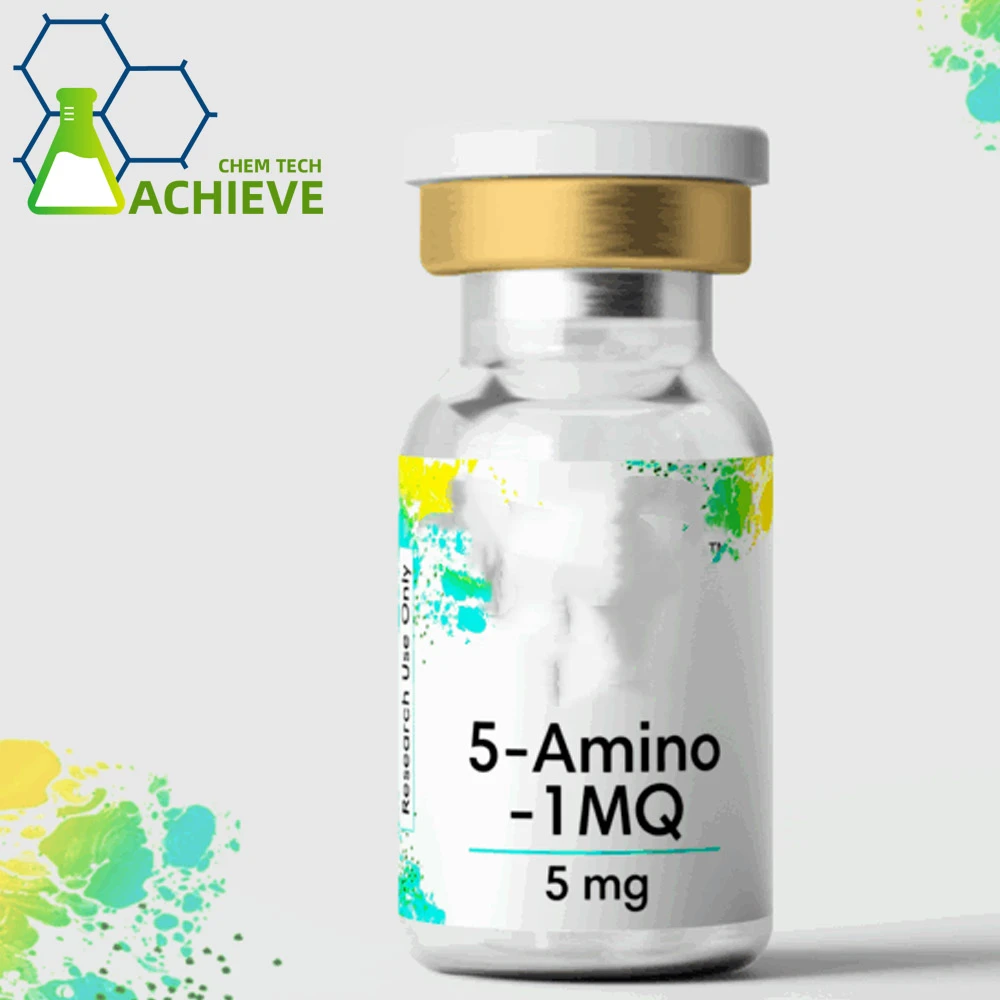
5-Amino-1MQ Peptide Injection
1.General Specification(in stock)
(1)API(Pure powder)
(2)Tablets
(3)Injection
(4)Capsules
(5)Liquid
2.Customization:
We will negotiate individually, OEM/ODM, No brand, for secience researching only.
Internal Code:KP-3-5/002
NNMTi CAS 42464-96-0
Molecular formula: C10H11N2.I
HS code: N/A
Molecular weight: 286.11
EINECS number: 464-196-0
Main market: USA, Australia, Brazil, Japan, Germany, Indonesia, UK, New Zealand , Canada etc.
Analysis: HPLC, LC-MS, HNMR
Technology support: R&D Dept.-4
SIRT1 has been identified as a key longevity-associated protein that controls responses to dietary stress, according to research. The researchers found that when 5 amino 1mq was applied, the metabolic consequences were significantly linked to SIRT1 activation, revealing novel pathways in cellular energy management. This association between the peptide inhibitor and sirtuin signalling gives us useful information about why this chemical has caught the interest of biotech companies as well as pharmaceutical research groups worldwide.

To understand these molecular interactions, we will discuss how NNMT inhibition, the major mechanism of 5 amino 1mq, leads to a cascade of cellular processes that eventually impact SIRT1 activity. Many effects seen in experimental models are explained by the interaction between the pathways, ranging from changes in adipocyte behaviour to changes in whole-body energy expenditure.
Why Is SIRT1 Relevant to 5 Amino 1MQ Peptide Research?
SIRT1 Functions as a Metabolic Master Regulator
SIRT1 is a NAD+-dependent enzyme that regulates gene expression by deacetylation of proteins. It belongs to the sirtuin family. This enzyme measures NAD + levels to monitor the amount of energy available in cells. As NAD+ levels increase, SIRT1 activity increases, triggering metabolic changes that allow cells to burn energy instead of conserving it. Researchers found that SIRT1 influences the formation of mitochondria, the speed of aerobic metabolism, and the susceptibility of various tissues to insulin.
This is vital for studies on 5 amino 1mq peptides because of the way the molecule operates. 5 amino 1mq is a selective NNMT inhibitor that prevents methylation of nicotinamide. This maintains cellular NAD+ pools. Thus the preservation provides circumstances favourable for the activation of SIRT1, providing a direct connection between the peptide inhibitor and the activation of the sirtuin pathway.
The NAD⁺ Connection Bridges NNMT Inhibition to Sirtuin Activation
NNMT degrades nicotinamide and S-adenosylmethionine to produce 1-methylnicotinamide.


This mechanism employs intracellular NAD⁺ precursors. Researchers observed greater NNMT levels frequently mean lower NAD+ levels, which in turn means less active SIRT1. The scientists tested 5 amino 1mq and discovered that the levels of NAD+ returned to normal and there was evidence of improved SIRT1 activity.
This molecular relationship explains why the research of SIRT1 and the investigation of 5 amino 1mq are now inseparable. "The peptide really removes a block on the production of NAD+, and that allows SIRT1 to work at a higher level. This relationship has made the compound valuable to laboratories interested in both NNMT biology and the regulation of sirtuin pathways in metabolic conditions.
Experimental Models Reveal Coordinated Pathway Responses
In laboratory studies, adipocyte cell cultures and animal models have revealed NNMT inhibition to have effects comparable to activating SIRT1. The inhibitor was shown to reduce the activity of adipogenic transcription factors including PPARγ and C/EBPα.
This fits with what they previously understood about the function of SIRT1 in inhibiting fat cells from developing. These related data lent credence to the notion that the peptide's metabolic effects are mediated mostly by SIRT1-dependent pathways.
We also turned to the lab to find further evidence by analysing the gene expression patterns in the tissues that were treated. Treatment with 5 amino 1mq upregulated the indicators of mitochondrial activity and fatty acid oxidation, consistent with the transcriptional profile associated with SIRT1 activation. The peptide has comparable effects on NNMT inhibition and SIRT1 pathway activation, and may be utilised to explore sirtuin biology in metabolic research.

5 Amino 1MQ Peptide and the NAD+–SIRT1 Pathway
Biochemical Mechanisms Linking NNMT Inhibition to NAD⁺ Availability
There are well-known molecular processes that show how 5 amino 1mq and NAD+ metabolism are connected. NNMT speeds up the methylation of nicotinamide, which is a main way that many cells use up NAD⁺. Nicotinamide can be recycled back into NAD⁺ through salvage pathways instead of being methylated and flushed out of the body because the 5 amino 1mq peptide blocks this enzyme.
Researchers have measured this effect and given it a number. Researchers who used the inhibitor on cell cultures saw rises in NAD+ that ranged from 30% to over 100%, based on how much NNMT was present to begin with. These higher levels of NAD⁺ gave SIRT1 and other NAD⁺-dependent enzymes more substrate, which made their biological functions stronger.
The fact that 5 amino 1mq only affects NNMT makes this route modification pretty specific. Unlike other metabolic interventions, this substance targets NAD+ loss caused by high NNMT activity. This makes it especially useful in situations where this enzyme is elevated,

like in adipose tissue that is metabolically dysfunctional.
SIRT1 Activation Produces Downstream Metabolic Effects
When NNMT is blocked, NAD+ levels rise, and SIRT1 can deacetylate many substrate proteins that control metabolic pathways. PGC-1α is one of the main targets because it is a transcriptional coactivator that controls mitochondrial biogenesis and oxidative metabolism. SIRT1-mediated deacetylation turns on PGC-1α, which improves mitochondrial activity and makes it easier to burn fat.
Researchers have shown that treating cells with 5 amino 1mq causes biochemical changes that are consistent with activating PGC-1α. Animals used in experiments had higher levels of oxygen intake and higher activation of mitochondrial genes, which means they used more energy. These findings support the idea that the peptide's effects on body composition are partly caused by its involvement in the SIRT1-PGC-1α pathway. FOXO1 is a transcription factor that controls glucose metabolism and stress tolerance and is also an important SIRT1 target.
SIRT1 deacetylation raises FOXO1 activity, which helps the body respond better to insulin and change its metabolism. Studies have shown that models treated with the NNMT inhibitor were better at handling glucose. These results are consistent with the activation of the SIRT1-FOXO1 pathway.
Tissue-Specific Responses Reflect Local NNMT and SIRT1 Expression
The amount of NNMT expressed in different tissues is different, which affects how sensitive those tissues are to 5 amino 1mq. Adipose tissue usually has a lot of NNMT activity, especially when the body is under a lot of metabolic stress. This makes it very sensitive to inhibition. Further research has shown that treated animals' fat tissue has strong SIRT1 pathway activation along with less fat buildup.
Hepatic tissue also has a lot of NNMT, and research has shown that 5 amino 1mq makes liver metabolic parameters better. Animals that were treated had lower amounts of lipids in their livers and better markers of mitochondrial function,
which is consistent with SIRT1 activation in the liver. These reactions that are special to tissues show how the peptide's effects change depending on how NNMT is expressed in a given area. Muscle tissue, which normally has less NNMT mRNA, responds less strongly. Researchers have found that some metabolic markers in muscles get better after treatment, but the effects are usually not as strong as they are in fat or liver tissues. Researchers can use this spread of reactions to figure out where the chemical has the most impact on metabolism.

How Does 5 Amino 1MQ Peptide Connect With Cellular Energy Regulation?

NAD⁺ Sensing Links Nutrient Status to Metabolic Adaptation
Sensor molecules check for available nutrients and coordinate the right responses to control cellular energy. NAD⁺ levels show how much energy is being produced and used, so they are a key sign of the energy state. NAD⁺ is made when cells actively break down nutrients through glycolysis and oxidative phosphorylation. This lets other cells know that there is a lot of energy available.
This sensor system is affected by the 5 amino 1mq peptide, which stops NAD⁺ from running out by methylation through NNMT. Scientists have found that NNMT activity rises during metabolic stress, which is strange because it lowers NAD+ when cells need a strong energy metabolism the most.
5 amino 1mq helps keep NAD⁺ pools that accurately reflect cellular metabolic activity by stopping this drain.
This kept NAD+ signaling lets SIRT1 and related enzymes organize metabolic reactions correctly. Studies have shown that cells that have been treated keep their metabolic flexibility better,
which means they can respond better to changes in nutrients. This better ability to sense energy is one of the main ways that the peptide changes the metabolism of cells.
Mitochondrial Function Improves Through Enhanced Biogenesis
Through oxidative phosphorylation, mitochondria make most of the ATP in cells. This makes their job very important for controlling energy. By activating SIRT1, PGC-1α helps mitochondria grow and work better, which increases both their number and efficiency. Researchers who used 5 amino 1mq found that treated tissues, especially those in the adipose and liver areas, had more mitochondria.
These improvements have been measured in experiments. Cells and tissues used more oxygen after being treated with a NNMT inhibitor, which shows that they had more oxidative capacity. Studies using electron imaging showed that the mitochondrial content had grown. This proved that the metabolic changes seen were caused by real structural changes and not just sudden enzyme activation.
These improvements to mitochondria lead to better energy use throughout the body.


Studies in metabolic chambers with treated animals showed that they used more oxygen and made more carbon dioxide, which shows that their metabolic rate went up. Tissues burn more calories even when they're not doing anything, which helps explain the changes in body composition seen in research models.
Substrate Utilization Shifts Toward Fat Oxidation
Not only does energy regulation control how much energy cells use, but it also controls which substrates they prefer to oxidize. When SIRT1 is turned on, cell metabolism changes from depending on glucose to relying on fatty acid oxidation. Researchers have found that treating cells with 5 amino 1mq makes their metabolism more flexible, which means they can burn fat for energy more efficiently.
Biochemical tests that measure the rate of target degradation confirmed this change. Tissues that had been treated took in and burned fatty acids more quickly while still using glucose normally. This reprogramming of the metabolism makes it easier to use stored fat,
which helps explain the changes in body composition seen in animal models.
The process involves SIRT1 controlling enzymes that choose which substrates to use. SIRT1 deacetylates metabolic enzymes, which makes them work better in oxidative pathways but less well in anabolic pathways. This coordinated regulation makes a cellular environment that favors energy use over storage, which changes the way tissues handle nutrients that come in.

5 Amino 1MQ Peptide, SIRT1 Signaling, and Fat Metabolism
Adipogenesis Suppression Through Transcriptional Regulation
There are two ways that fat tissue can grow: adipocytes can get bigger, and precursor cells can make new adipocytes. SIRT1 stops adipogenesis by blocking transcription factors that help fat cells change into other types of cells. Researchers have shown that treating culture systems with 5 amino 1mq peptide lowers the formation of adipocytes. This effect is caused by the SIRT1 pathway being activated.
Using models of preadipocytes in cell culture experiments showed that the NNMT inhibitor stopped differentiation in a way that depended on the amount. Adipogenic markers like PPARγ, C/EBPα, and fatty acid-binding proteins were less present in cells that had been treated. These changes in transcription matched what was seen with direct SIRT1 activators, which supports the link in terms of how it works.
The practical significance is stopping the growth of adipose tissue. When compared to controls, research models that were given 5 amino 1mq had fewer and smaller adipocytes,


even when they ate the same foods. Stopping fat cells from multiplying could be a way to control body composition over the long run, since fewer mature adipocytes mean less fat store space.
Lipolysis Enhancement Mobilizes Stored Triglycerides
5 amino 1mq may increase SIRT1 related lipolysis by boosting hormone-sensitive lipase and adipose triglyceride lipase activity. Treated adipocytes produce greater amounts of glycerol and free fatty acids, indicative of enhanced triglyceride breakdown. The augmented lipolysis also has an increased oxidative capacity, which may lead to a more effective utilisation of the liberated fatty acids, and therefore, to a decreased danger of lipid buildup that may be damaging to the cell.
Inflammatory Modulation in Adipose Tissue
5 amino 1mq therapy may attenuate adipose inflammation by increasing SIRT1-mediated suppression of NF-κB signalling. Experimental models demonstrate lowered levels of TNF-α,
IL-6 and MCP-1 and reduced macrophage accumulation. NNMT inhibition may enhance insulin responsiveness, adipose function and general metabolic health by restricting inflammatory signalling and adipocyte stress.
Exploring 5 Amino 1MQ Peptide Through Sirtuin Research
Comparative Studies With Other SIRT1 Activators
Comparative investigations indicate , 5 amino 1mq induces SIRT1-related effects that vary from those induced by resveratrol and other direct activators. It may boost NAD+ availability via NNMT inhibition instead of binding SIRT1 and effects may depend on NNMT expression. The direct activation of SIRT1 in combination with suppression of NNMT may have synergistic effects in the pathway and should be further investigated.
Genetic Models Validate Pathway Connections
Genetic models indicate links between NNMT inhibition and SIRT1 signalling. SIRT1 defective systems reveal worse metabolic responses to 5 amino 1mq whereas NNMT-overexpression models indicate target engagement and metabolic improvement. Further ablation of downstream targets such as PGC-1α or FOXO1 helps to discern which SIRT1-mediated pathways are responsible for particular metabolic consequences.
Translational Research Implications for Metabolic Studies

5 amino 1mq is a helpful research tool for the investigation of NNMT-SIRT1 metabolic pathways and for assessing metabolic intervention candidates. Its application allows the study of adipose malfunction, hepatic steatosis and age-related metabolic decline. Studies also focus on tissue-specific NAD+-SIRT1 signalling. The need of extremely pure NNMT inhibitors is increasing in the area of metabolic research.

Conclusion
The SIRT1 pathway is very important for knowing how 5 amino 1mq peptide 5 amino 1mq works in living things. By stopping NNMT and keeping NAD+ pools stable, this small chemical makes conditions that improve SIRT1 function. This leads to regulated metabolic changes in many tissues. Researchers have found clear links between the peptide, the metabolism of NAD+, the activation of SIRT1, and the effects on energy regulation and fat metabolism that follow.
These pathway links have been proven by experiments using cell culture methods, animal models, and biochemical tests. The effects that have been shown on adipogenesis, lipolysis, mitochondrial function, and inflammation are all consistent with SIRT1-mediated processes. Because it is so clear how it works, the chemical is useful for labs that study metabolic control and sirtuin biology.
Scientists who study metabolic pathways are likely to pay more attention to the NNMT-NAD⁺-SIRT1 axis as their work goes on. Selective research tools like 5 amino 1mq make it possible to study these complicated biological systems in more depth, which helps us learn more about how cells keep their energy levels stable and how their metabolisms change.
Frequently Asked Questions
1.What makes the SIRT1 pathway important for metabolic research?
-
SIRT1 is a key metabolic regulator that checks the energy level of cells by measuring NAD+ levels and planning how to respond in different situations. It changes how mitochondria work, how fat is burned, how glucose is handled, and how inflammation signals are sent to many different tissues. SIRT1 is often studied in metabolic conditions because its activity links the abundance of nutrients to gene expression patterns that affect metabolic phenotypes. The pathway is important for understanding energy balance because it plays a role in aging and metabolic health.
2.How does 5 amino 1mq differ from direct SIRT1 activators?
-
Direct SIRT1 activators bind to the enzyme to make it more catalytic, while 5 amino 1mq works upstream by blocking NNMT and keeping NAD+ substrate pools full. Because of this indirect process, the peptide's effects rely on how much NNMT is expressed in the tissue. Tissues with high amounts of this enzyme have especially strong effects. The method might be helpful because it improves SIRT1 activity only in physiologically important tissues, without activating systemic enzymes, which could cause problems.
3.Can researchers combine NNMT inhibition with other metabolic interventions?
-
Several experimental studies have looked at what happens when you mix 5 amino 1mq with different interventions, such as changes to your diet, exercise plans, and other metabolic compounds. Researchers have found that the peptide might work better when combined with methods that work in a way that complements its own, like those that make you burn more calories or make your body more sensitive to insulin. These kinds of combination methods might help researchers make models that look at metabolic control through multiple pathway modulation in a more complete way.
Partner With Kpeptide for Premium 5 Amino 1MQ Peptide Supply
To move your metabolic study forward, you need to be able to get research-grade chemicals that meet very high quality standards. Kpeptide is a reliable source for 5 amino 1mq peptides. They have been making organic compounds and pharmaceutical intermediates for over 12 years. Our GMP-certified factories have been through thorough checks by the CFDA, US-FDA, PMDA, and MFDS to make sure that every batch meets the strict rules set by foreign regulators.
We know that biotechnology research groups and pharmaceutical development teams need more than just products. They also need full support, detailed technical information, and a reliable supply chain. Our professional research and development (R&D) team gives us thorough analytical data, such as HPLC and MS verification, and the uniformity of each batch is higher than the 98% purity standards. Our ERP-integrated logistics platform makes sure that you get accurate delivery dates and all the paperwork you need for customs clearance, whether you need small amounts for research or large quantities that can be made on demand.

Because we value long-term relationships over short-term transactions, Kpeptide is a good supplier to large foreign pharmaceutical and biotech businesses. Our clear price, three-level quality control system, and all-in-one service model have made us the partner of choice for study institutions all over the world. Get in touch with our scientific team at sales@kpeptide.com to talk about your specific needs and find out how our experience with peptide synthesis can help speed up your research on the SIRT1 pathway.
References
1. Kraus D, Yang Q, Kong D, et al. Nicotinamide N-methyltransferase knockdown protects against diet-induced obesity. Nature. 2014;508(7495):258-262.
2. Komatsu M, Kanda T, Urai H, et al. NNMT activation can contribute to the development of fatty liver disease by modulating the NAD+ metabolism. Scientific Reports. 2018;8(1):8637.
3. Campagna R, Vignini A. NAD+ homeostasis and NAD+-consuming enzymes: implications for vascular health. Antioxidants. 2023;12(2):376.
4. Revollo JR, Grimm AA, Imai SI. The NAD biosynthesis pathway mediated by nicotinamide phosphoribosyltransferase regulates Sir2 activity in mammalian cells. Journal of Biological Chemistry. 2004;279(49):50754-50763.
5. Cantó C, Auwerx J. Targeting sirtuin 1 to improve metabolism: all you need is NAD+? Pharmacological Reviews. 2012;64(1):166-187.
6. Pissios P. Nicotinamide N-methyltransferase: more than a vitamin B3 clearance enzyme. Trends in Endocrinology & Metabolism. 2017;28(5):340-353.


