


The global struggle with obesity has driven researchers to explore novel molecular approaches for understanding fat metabolism. Among emerging compounds, 5 amino 1mq peptide has captured scientific attention for its unique mechanism targeting nicotinamide N-methyltransferase (NNMT).
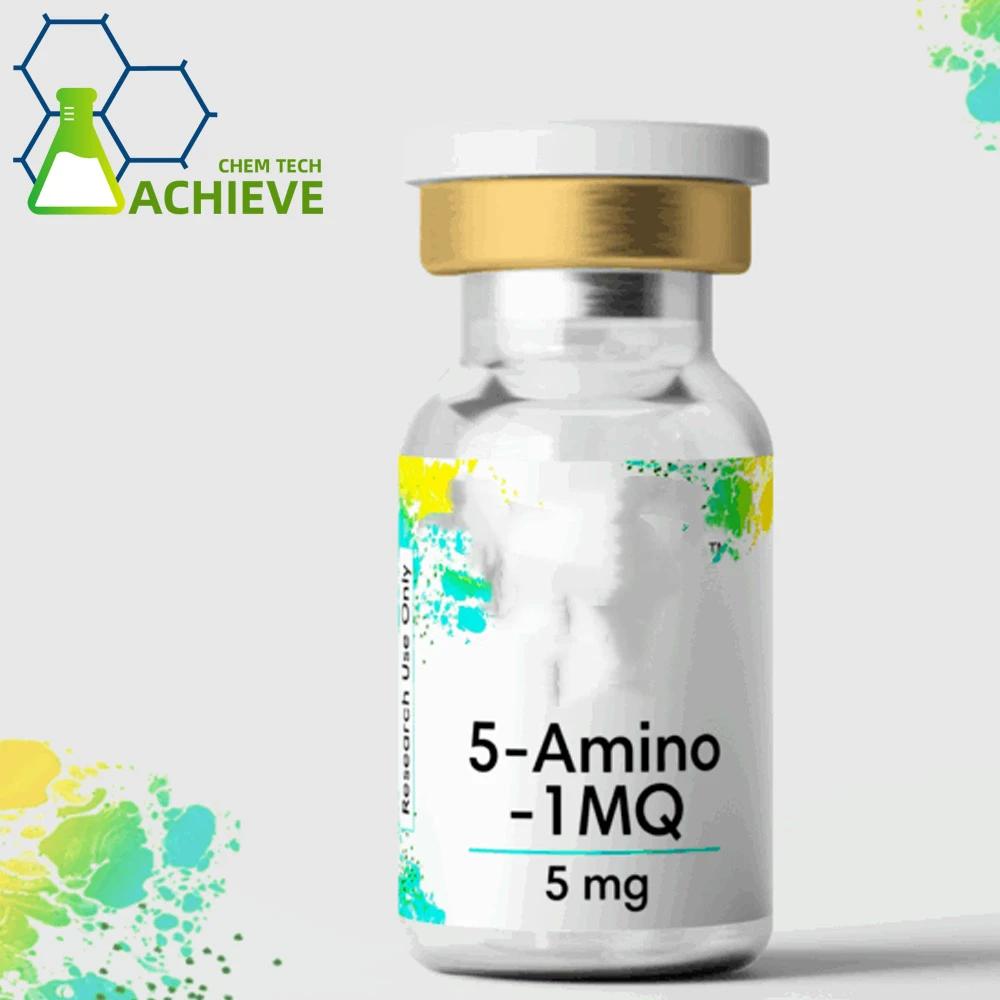
5-Amino-1MQ Peptide Injection
1.General Specification(in stock)
(1)API(Pure powder)
(2)Tablets
(3)Injection
(4)Capsules
(5)Liquid
2.Customization:
We will negotiate individually, OEM/ODM, No brand, for secience researching only.
Internal Code:KP-3-5/002
NNMTi CAS 42464-96-0
Molecular formula: C10H11N2.I
HS code: N/A
Molecular weight: 286.11
EINECS number: 464-196-0
Main market: USA, Australia, Brazil, Japan, Germany, Indonesia, UK, New Zealand , Canada etc.
Analysis: HPLC, LC-MS, HNMR
Technology support: R&D Dept.-4
This small-molecule peptide inhibitor offers researchers a valuable tool for investigating the complex biological processes underlying fat accumulation and energy expenditure. Understanding how this compound interacts with metabolic pathways opens new avenues for exploring adipose tissue regulation and lipid homeostasis at the cellular level.

How Does 5 Amino 1MQ Peptide Relate to Fat Reduction Research?
Understanding NNMT and Metabolic Regulation
Nicotinamide N-methyltransferase is a key enzyme in cell metabolism, particularly in fat tissue. Researchers have shown that NNMT expression is highly increased during adipocyte differentiation and in the overweight individual . It breaks down nicotinamide adenine dinucleotide (NAD + ), an essential co-enzyme for energy generation and mitochondrial action. Increased NNMT activity depletes NAD+ reserves in cells. This slows down your metabolism and promotes fat accumulation.
The 5 amino 1mq peptide selectively inhibits NNMT, inhibits enzyme activity, and maintains NAD+ concentrations. In 3T3-L1 preadipocyte models, the adipogenesis process is delayed by more than 70% when this chemical is given to cells at a concentration of 30 μM. This dramatic drop occurs when the levels of NAD+ rise, which activates the SIRT1 longevity pathway – a major regulatory point for metabolic health and sensing of cell energy.


The Molecular Foundation of Fat Research
To find out how 5-amino-1-methylquinolinium chloride affects fat metabolism,
we need to know how it is put together.
The molecule has a quinoline ring as its main structure, which lets it pass through cell membranes very well despite its low molecular weight. Because of this property, researchers can see direct effects on cells without the problems that come with many experimental chemicals not being bioavailable.
Studies that look at how diets can make animals fat show interesting information about how metabolisms change. Researchers gave the peptide inhibitor to overweight mice every day for 28 days and saw big changes in how their genes were expressed. Some genes that break down fat, like adipose triglyceride lipase (ATGL) and hormone-sensitive lipase (HSL), were strongly turned up, while genes that make fat, like fatty acid synthase (FAS) and acetyl-CoA carboxylase (ACC), were strongly turned down.
These changes at the molecular level led to measurable decreases in white fat tissue mass-about 35% less than in the control groups-without changing the way people ate.
Research Applications in Metabolic Science
The peptide's value goes beyond finding that it helps people lose weight. Scientists use this chemical to figure out how NNMT activity, NAD+ metabolism, and adipose tissue function are all connected. Scientists can study NNMT-mediated pathways more clearly with 5 amino 1mq peptide than with appetite suppressants or thermogenic agents because it doesn't affect the pathways when people eat less or exercise more.At the same time, blocking NNMT has effects on fat tissue at more than one level, as shown by various lab studies. The substance does more than stop preadipocytes from maturing. It also changes the metabolic phenotype of current adipocytes, making them break down fat and use more energy.
This effect has many different parts, which makes it very useful for scientists who are studying the basic biology of how fat tissue is controlled.


5 Amino 1MQ Peptide and the Biology of Fat Storage
Adipocyte Differentiation Mechanisms
There are two main ways that fat builds up: existing adipocytes getting bigger by storing fat (hypertrophy) and new adipocytes growing from precursor cells (hyperplasia). Differentiating preadipocytes into adult fat-storing cells is a tightly controlled growth process that involves coordinated expression of transcription factors.
Researchers who used the NNMTi chemical found that it has a big effect on this differentiation process. Master regulators such as peroxisome proliferator-activated receptor gamma (PPARγ) and CCAAT/enhancer-binding protein alpha (C/EBPα) make sure that fibroblast-like precursors change into mature adipocytes that are full of fat during normal adipogenesis. During this process, higher NNMT expression seems to help differentiation by decreasing NAD+ and stopping SIRT1 activity.
Researchers see that adding 5-amino-1-methylquinolinium to cultures of differentiating preadipocytes lowers the expression of adipogenic markers in a way that depends on the dose. There is a big drop in the amount of triglycerides stored in cells, and the normal changes that happen in adult adipocytes don't happen.
Scientists can use this tool to find out exactly how the amount of NAD+ and SIRT1 activity affects the decisions made by adipose tissue precursor cells about what to do next.
Inflammatory Processes in Adipose Tissue
When someone is overweight, their fat stores are constantly inflamed at a low level. People who are metabolically unhealthy have immune cells, especially macrophages, in their adipose tissue. These cells release pro-inflammatory cytokines like tumor necrosis factor-alpha (TNF-α) and interleukin-6 (IL-6). This inflamed environment keeps metabolic problems going by making insulin resistance and making it harder for the body to handle fats normally.
Researchers looking into NNMT's part in fat inflammation have found that high enzyme expression is linked to higher production of inflammatory markers. On the other hand, studies using the 5 amino 1mq peptide in mice fed a high-fat diet show big drops in fatty tissue inflammation. When compared to animals that didn't get any treatment,

animals that were treated have much lower levels of macrophage infiltration and mRNA and protein production of inflammatory markers.
The process seems to be connected to restoring NAD+ and activating SIRT1. This stops nuclear factor-kappa B (NF-κB) signaling, which controls inflammatory reactions. The peptide treatment also encourages the release of anti-inflammatory lipids known as palmitic acid hydroxystearic acids (PAHSAs) from adipocytes, which makes the tissue microenvironment even better. These research results show important links between controlling metabolism and immune system function in adipose depots.

NNMT Inhibition With 5 Amino 1MQ Peptide and Lipid Metabolism
Cellular Energy Balance and NAD⁺ Restoration
Nicotinamide adenine dinucleotide, a coenzyme that is totally necessary for making energy in cells, is kept safe by blocking NNMT. In glycolysis and oxidative phosphorylation, the biochemical processes that get energy from food, NAD⁺ moves electrons around. Cells use less energy when NNMT methylates nicotinamide, which uses up NAD⁺ in the process. Using the specific NNMT inhibitor in research shows that NAD+ levels inside cells are quickly restored. This change in biochemistry has effects that spread through the metabolism of cells. Better mitochondrial activity makes fatty acid metabolism more efficient. The NAD⁺-dependent enzyme SIRT1 becomes more active, deacetylating target proteins that help control metabolism and changing the way cells use energy instead of storing it.
In lab tests measuring how much energy treated animals use, more oxygen is used and more carbon dioxide is made, which means their metabolic rate is higher. This happens even though people don't eat more or become more active on their own,
which suggests that the effect comes from changes in the metabolism of cells rather than changes in behavior. These results give researchers useful information about how the availability of NAD⁺ controls energy homeostasis at a fundamental level.
Hepatic Lipid Metabolism Research
Even though adipose tissue is where most fat is stored, the liver is also very important for breaking down fats. Non-alcoholic fatty liver disease (NAFLD), which is marked by too much lipid buildup in hepatocytes, is often found in obese people. According to research, NNMT is highly expressed in fatty livers, which may contribute to the metabolic problems that cause this condition.
Researchers who have looked into how 5-amino-1-methylquinolinium chloride affects the liver's function have found some positive results. In fat mice that were put on a diet, the treatment greatly decreased the liver's weight, volume, and triglyceride level. A look at the tissue under a microscope revealed less steatosis and inflammation.
Gene expression analysis showed patterns that were consistent with the liver burning fat more efficiently and making less fat.
The peptide seems to have effects on adipose tissue metabolism that are linked to its ability to improve how liver lipids are handled. NNMT suppression lowers the flow of fatty acids to the liver by stopping the wrong kind of fat from being moved from malfunctioning fat stores and making insulin work better. At the same time, higher amounts of NAD⁺ in the liver improve the ability of mitochondria to burn fat, which helps the liver handle lipid loads better.
How 5 Amino 1MQ Peptide May Support Fat Oxidation Research

Mitochondrial Function Enhancement
By burning fatty acids to make ATP, mitochondria are like power plants for cells. To move electrons through the respiratory chain, this process needs a lot of NAD+. A study using a 5 amino 1mq peptide shows that stopping NNMT directly increases mitochondrial oxidative capacity by keeping NAD+.
Biochemical tests that measure mitochondrial respiration in fat tissue from animals that have been treated show that they use oxygen more efficiently and can burn fats more efficiently. It looks like the substance especially raises the activity of enzymes that work in beta-oxidation, the metabolic process that turns fatty acids into acetyl-CoA units so that energy can be made. Because they can handle oxidation better, adipocytes can easily turn saved fats into energy that the body can use.
It's interesting that the metabolic changes don't just happen in fat cells. NNMT suppression is also good for skeletal muscle, which is another important place where fatty acids are burned.
Researchers have found that mice that have been treated have higher muscle oxidative capacity and better endurance performance. Studies show that giving the compound to older animals made their grip stronger by about 40%. This suggests that it has positive effects on the health and function of muscles.
Thermogenic Capacity Investigation
Brown and brown adipose cells burn fat to make heat, which is a type of non-shivering thermogenesis that uses energy. Uncoupling protein 1 (UCP1) is expressed in these thermogenic fat depots. This lets mitochondria make heat instead of ATP. Scientists have looked into whether blocking NNMT affects the function of thermogenic fat tissue.
Earlier studies show that using 5-amino-1-methylquinolinium to keep NAD+ levels high may help thermogenic adipocytes work better and maybe even attract more of them. Enzymes that depend on NAD+, such as SIRT1, control the activity of genes that are involved in thermogenesis and mitochondrial formation.
The peptide may indirectly help these processes that use a lot of energy by keeping NAD⁺ available.
Studies that track how much energy treated animals use up all over their bodies regularly show that they burn more calories without being physically active more. This shows that a faster metabolism might be connected to more thermogenic activity or better mitochondrial function in many tissues. These results make the compound very useful for scientists who are trying to figure out how energy is used and how the metabolic rate is controlled.

5 Amino 1MQ Peptide in Adipocyte Metabolism Studies
Lipolysis and Lipogenesis Balance
The metabolism of adipocytes depends on a careful balance between lipogenesis (the making and storing of fat) and lipolysis (the breaking down and release of fat). When someone is overweight, this balance shifts a lot toward storage, making it harder to use stored fat when energy is needed. A big study goal is to find out how to recover good metabolic flexibility.
Using the NNMT inhibitor in research shows that it can restore balance to these two processes that are working against each other. Molecular studies show that the treatment increases the activity of key lipolytic enzymes while decreasing the activity of lipogenic pathways at the same time. The outcome is a metabolic profile with better fat utilization and less fat storage, basically undoing the metabolic dysfunction that comes with being overweight.
The specificity of the mechanism is what makes these results so interesting. Unlike hormonal treatments that cause lipolysis all over the body,
which could lead to metabolic stress, NNMT suppression seems to work by giving adipocytes their basic metabolic competence back. The cells get back to being able to properly respond to energy needs, which means they can release stored fat when they need to instead of holding on to it in a bad way.
Insulin Sensitivity Research Applications
Insulin resistance is a major metabolic problem that comes with being overweight. This is when cells stop responding as well to insulin's signals to take up glucose. Adipose tissue failure is a major cause of systemic insulin resistance. It does this in a number of ways, such as by releasing inflammatory cytokines and fat acids in the wrong way.
Studies in the lab show that treating obese animal models with 5 amino 1mq peptide makes their bodies more sensitive to insulin. Tests of glucose tolerance show that glucose clearance is better, and insulin levels needed to keep blood sugar normal drop by a lot.

These improvements are linked to less inflammation in adipose tissue, less fat buildup in insulin-sensitive tissues like muscle and liver, and better metabolic function in adipocytes. Researchers can use the peptide to find out exactly how NNMT activity leads to the development of insulin resistance. Scientists can study how NAD+ metabolism and adipocyte activity affect glucose balance in the whole body by blocking this enzyme specifically. This kind of study helps sort out the complicated web of factors that link fat, inflammation, and metabolic disease.
Long-Term Metabolic Phenotype Studies
For metabolic gains to last, they need more than just short-term molecular changes. They also need long-term changes in how tissues work and how cells look. Researchers who looked at long-term treatments with the NNMT inhibitor found that it had positive benefits that lasted after the treatment stopped. Studies that followed animals after the substance was stopped showing that some metabolic benefits stay even after treatment ends. For weeks after the last dose,
body weight stays lower than in people who were not treated, and insulin sensitivity stays better. Based on these findings, blocking NNMT may help change adipose tissue's metabolism to a healthier state that lasts for a long time.
The fact that lean body mass is kept while fat is lost is especially interesting. Unlike calorie restriction or many pharmaceutical interventions that make you lose both fat and muscle, research with 5-amino-1-methylquinolinium shows that it only reduces fat while keeping or even increasing muscle mass. Because it only affects certain tissues, it is very useful for studying how adipose tissue is controlled without looking at overall energy balance.

Conclusion
The study of the 5 amino 1mq peptide by scientists has shed light on key processes that control fat metabolism, the biology of adipocytes, and metabolic health. This substance selectively blocks NNMT, which gives researchers an exact way to look into how NAD⁺ metabolism affects the function of adipose tissue, the amount of energy used, and the balance of lipids in the body. Studies in the lab regularly show that it can lower fat storage, improve metabolic factors, and make insulin work better by restoring cellular NAD⁺ levels and starting up metabolic pathways that are good for you.
The uses of this research range from simple cell biology studies of how adipocytes differentiate to more complicated animal studies that look at how the body's metabolism works as a whole. Scientists can figure out which molecular pathways cause obesity and metabolic dysfunction because the compound only affects one enzyme and not a person's appetite or energy intake in general. As more research is done, the peptide should help us learn more about how fats work and maybe even lead to the creation of new ways to manage metabolic health.
Frequently Asked Questions
1.What makes 5 amino 1mq peptide different from other compounds used in fat metabolism research?
-
The chemical blocks NNMT in particular, focusing on a single molecular process instead of affecting many paths at once. This selectivity lets researchers study how NAD+ controls metabolism without having to worry about how hunger restriction or thermogenic activation might affect their results. It is very good at penetrating cell membranes and has been shown to be safe in lab studies, which makes it ideal for both in vitro cell research and in vivo animal research.
2.How does NNMT inhibition affect cellular energy metabolism?
-
When NNMT methylates nicotinamide, it uses up NAD⁺, which leaves less of this important coenzyme. 5-amino-1-methylquinolinium keeps cellular NAD⁺ levels steady by blocking NNMT. This improves mitochondrial activity and turns on SIRT1 and other NAD⁺-dependent enzymes. This chain of biological reactions changes the metabolism of cells so that they burn more fat and use more energy while storing less fat. The result shows how a single enzyme can have a big effect on the metabolic state of a whole cell.
3.Can 5 amino 1mq peptide be used to study metabolic diseases beyond obesity?
-
Any disease having a problem with NAD+ metabolism or fat tissue dysfunction can be studied using this method. Its effects on non-alcoholic fatty liver disease, insulin resistance, and the metabolic decrease that comes with getting older have been studied. The chemical is useful for studying the metabolic parts of many diseases because it can improve mitochondrial activity and lower inflammation. Researchers are still looking into how useful it is in a variety of metabolic research settings.
Partner With a Trusted 5 Amino 1MQ Peptide Supplier for Your Research
To move your metabolic study forward, you need to be able to get your hands on high-purity chemicals that have been through strict quality control. You can trust Kpeptide as a provider of 5 amino 1mq peptides. They offer research-grade materials made in GMP-certified facilities that are approved by the US FDA, EU, JP, and CFDA. We have more than 12 years of experience in organic synthesis and pharmaceutical intermediates. To support your experimental needs, we provide full analytical documentation including HPLC and MS data.

Our commitment goes beyond just selling products. Kpeptide offers all-in-one study support, including clear pricing, a variety of packaging choices, and technical help from our skilled team. We know how important it is for scientific research to have consistent batches, a reliable supply chain, and detailed analytical characterization. Our quality control process includes three checks: triple-checking at the factory, internal QA/QC testing, and testing by an outside authority. If any materials don't meet our standards, we guaranty a full refund.
Kpeptide offers scalable options that can be adjusted to your project's needs, whether you need milligram amounts for basic studies or large amounts for long-term research programs. Email our team at sales@kpeptide.com to talk about your study needs and find out how our knowledge can help speed up your metabolic science studies.
References
1. Komatsu M, Kanda T, Urai H, et al. "NNMT activation can contribute to the development of fatty liver disease by modulating the NAD+ metabolism." Scientific Reports, 2018; 8(1): 8637-8649.
2. Kraus D, Yang Q, Kong D, et al. "Nicotinamide N-methyltransferase knockdown protects against diet-induced obesity." Nature, 2014; 508(7495): 258-262.
3. Ulanovskaya OA, Zuhl AM, Cravatt BF. "NNMT promotes epigenetic remodeling in cancer by creating a metabolic methylation sink." Nature Chemical Biology, 2013; 9(5): 300-306.
4. Hong S, Moreno-Navarrete JM, Wei X, et al. "Nicotinamide N-methyltransferase regulates hepatic nutrient metabolism through Sirt1 protein stabilization." Nature Medicine, 2015; 21(8): 887-894.
5. Sampson CM, Dimet AL, Neelakantan H, et al. "Identification of a novel selective small-molecule inhibitor of nicotinamide N-methyltransferase with potential clinical applications." Journal of Medicinal Chemistry, 2021; 64(18): 12662-12677.
6. Brachs S, Polack J, Brachs M, et al. "Genetic nicotinamide N-methyltransferase overexpression exacerbates high-fat diet-induced obesity and insulin resistance in mice." Molecular Metabolism, 2019; 22: 93-105.


