


Metabolism serves as the foundation of human health, governing how our bodies convert nutrients into energy and maintain cellular balance. Recent scientific exploration has uncovered promising connections between 5 amino 1mq peptide injection and metabolic regulation, opening new pathways for addressing weight management challenges and age-related metabolic decline. Understanding this relationship requires examining the intricate biochemical mechanisms that govern cellular energy production and utilization.
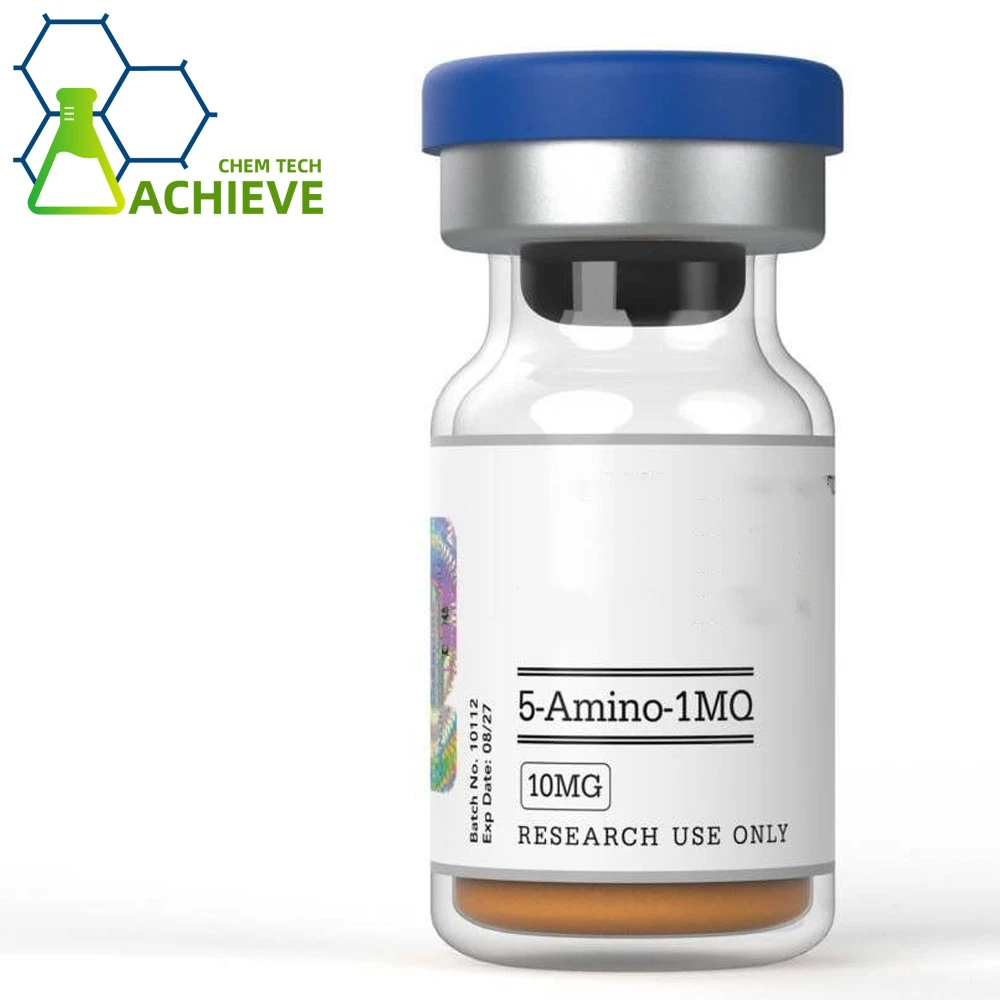
5-Amino-1MQ Peptide Injection
1.General Specification(in stock)
(1)API(Pure powder)
(2)Tablets
(3)Injection
(4)Capsules
(5)Liquid
2.Customization:
We will negotiate individually, OEM/ODM, No brand, for secience researching only.
Internal Code:KP-3-5/002
NNMTi CAS 42464-96-0
Molecular formula: C10H11N2.I
HS code: N/A
Molecular weight: 286.11
EINECS number: 464-196-0
Main market: USA, Australia, Brazil, Japan, Germany, Indonesia, UK, New Zealand , Canada etc.
Analysis: HPLC, LC-MS, HNMR
Technology support: R&D Dept.-4
The relationship between this innovative compound and metabolism extends beyond simple weight loss applications. Research demonstrates that 5-Amino-1-methylquinoline functions through targeted enzyme inhibition, specifically affecting nicotinamide N-methyltransferase (NNMT), which plays a central role in cellular energy pathways. This mechanism creates cascading effects throughout metabolic systems, influencing everything from fat storage patterns to mitochondrial efficiency.

How Does 5 Amino 1MQ Peptide Injection Influence Metabolic Pathways?
The NNMT-NAD+ Connection in Metabolic Regulation
The main metabolic effect of the 5 amino 1mq peptide injection comes from its interaction with NNMT, an enzyme that is mostly found in fat tissue. When NNMT is active at high levels, it uses up nicotinamide and S-adenosylmethionine (SAM), which makes less NAD+ available in cells. NAD+ is an important coenzyme that plays a part in many metabolic processes, especially those that use glycolysis and oxidative phosphorylation to make energy.
This compound stops too much use of methyl groups and nicotinamide by blocking NNMT activity. This lets NAD+ levels rise significantly. Lab tests have shown that NAD+ levels rise by up to 2.3 times in fat tissue after a treatment is given. This raise turns on sirtuin proteins, especially SIRT1, which controls the production of metabolic genes and helps the body use energy efficiently. The restoration of NAD+ homeostasis changes the metabolic ability of cells in a basic way.
Activation of Fat-Burning Metabolic Pathways


AMPK (adenosine monophosphate-activated protein kinase), which is often called the "cellular energy sensor," is turned on when NAD+ levels rise. When AMPK is turned on, metabolic programming moves away from building blocks like fat synthesis and toward breaking down blocks like fatty acid oxidation. Studies show that treating people with 5-Amino-1-methylquinoline raises the production of genes that break down fat. These genes include CPT1A (carnitine palmitoyltransferase 1A) and ACOX1 (acyl-CoA oxidase 1).
At the same time, the compound stops lipogenic gene expression, especially FAS (fatty acid synthase) and SCD1 (stearoyl-CoA desaturase 1), which are known to make fat build up. This two-step process creates a metabolic environment that encourages burning energy over storing it. Epididymal fat pad weight dropped significantly in animal studies, sometimes by more than 35% after long-term treatment, which suggests a deep metabolic reprogramming.
Impact on Glucose Metabolism and Insulin Sensitivity
Metabolic health includes more than just how fat is burned.
It also includes how well glucose is controlled and insulin works. Several ways show that the 5 amino 1mq peptide injection is good for maintaining glucose balance. Making more NAD+ available makes mitochondrial glucose oxidation more efficient. This lets cells get more energy from glucose molecules while making fewer reactive oxygen species. HOMA-IR (Homeostatic Model Assessment for Insulin Resistance) scores got better by about 40% in diet-induced obesity models, according to treatment studies that looked at insulin sensitivity markers. Fasting blood glucose levels dropped by about 22%, which suggests that the body is taking in and using glucose more efficiently. SIRT1 deacetylates PPAR-γ (peroxisome proliferator-activated receptor gamma), a transcription factor that controls glucose metabolism and insulin sensitivity. This leads to some of these improvements.

5 Amino 1MQ Peptide Injection Role in Cellular Metabolism Regulation Studies
Mitochondrial Function Enhancement Through Metabolic Modulation
In cells, mitochondria are like power plants, and how well they work affects the general health of the metabolism. 5-Amino-1-methylquinoline has big effects on the production and operation of mitochondria, according to research. The compound turns on the PGC-1α pathway, which controls the activity of genes in both the nucleus and the mitochondria; these genes are needed for mitochondrial production.
Studies have shown that the number of copies of mitochondrial DNA grows by about 1.5 times after treatment. This growth of mitochondrial populations improves the ability of cells to use oxygen for energy, which makes it easier to make ATP from nutrients that are available. The medicine also improves the quality control of mitochondria by improving autophagy mechanisms, especially PINK1/Parkin-mediated mitophagy. This process gets rid of broken mitochondria before they can stop cells from working properly.
Metabolic Adaptation in Adipose Tissue Remodeling
Adipose tissue does more than just store energy;

it's also an active biological organ that releases hormones and chemicals that cause inflammation. The 5 amino 1mq peptide injection causes big changes in the metabolism of fat tissue structure. The treatment lowers NNMT activity in white adipose tissue by around 60%, which changes the metabolic profile of adipocytes in a fundamental way.
This change in metabolism helps white adipose tissue "brown." This is when fat cells that normally store fat become more like thermogenic brown fat cells. More UCP1 (uncoupling protein 1) is found in these changed cells. UCP1 releases energy as heat instead of keeping it as fats. The hormonal change that happens in fat tissue helps the body use more energy and be more flexible with its metabolism.
Cellular Energy Metabolism and Aging Processes
As we age, our metabolism slows down, which is marked by lower amounts of NAD+, problems with mitochondria, and trouble recognizing nutrients.
Studies using old animal models show that treating them with 5-Amino-1-methylquinoline partially reverses these metabolic problems that come with getting older. Restoring NAD+ turns on pathways related to life that involve sirtuins and AMPK. These pathways control how well cells fight stress and how efficiently their metabolism works.
Older animals that were treated were able to exercise better; their grip strength increased by about 27% and their running endurance increased by 34%. These functional improvements are caused by underlying metabolic improvements, such as more mitochondria in muscles and better use of metabolic substrates. Upregulation of genes involved in mitochondrial function and DNA repair was found thru transcriptomic analysis. This suggests that metabolic renewal is happening at the cellular level.

How Does NNMT Inhibition Connect 5 Amino 1MQ Peptide Injection with Metabolism?
The Biochemical Mechanism of NNMT Inhibition
NNMT helps change nicotinamide into 1-methylnicotinamide and S-adenosylhomocysteine by using SAM as a methyl source. Nicotinamide is needed to make NAD+, and SAM is the universal methyl donor for many methylation reactions inside cells. Both are depleted by this reaction. The 5 amino 1mq peptide injection blocks NNMT by attaching to its active site and blocking substrate access and enzyme function.
Studies of its structure show that 5-Amino-1-methylquinoline has a molecular structure that is similar enough to nicotinamide's to fit into the enzyme's binding spot, but it lacks the chemical properties needed for methylation. This competitive inhibition keeps nicotinamide levels in cells high, which lets enzymes in the rescue pathway, such as NAMPT (nicotinamide phosphoribosyltransferase), turn nicotinamide back into NAD+ quickly. Therefore, the increase in NAD+ is the main physiological effect of blocking NNMT.
Methylation Metabolism and Epigenetic Regulation
In addition to stopping the breakdown of NAD+, NNMT reduction also keeps SAM available,


which keeps the ability of cells to methylate. Methylation reactions change DNA and histones, which controls gene expression and affects metabolic gene programs. Enough SAM levels help keep epigenetics in good shape, which stops genes from expressing themselves in ways that aren't normal and cause metabolic problems.
It has been shown that treating cells with 5-Amino-1-methylquinoline restores better histone modification patterns, especially H3K9 deacetylation and H4K16 acetylation mediated by SIRT1. These epigenetic changes make metabolic genes that burn fat and help mitochondria work better while turning down gene programs that cause inflammation and aging. One part of how NNMT reduction affects metabolic health that isn't given enough attention is how it protects methylation metabolism.
Systemic Metabolic Consequences of NNMT Suppression
Different tissues produce NNMT at different amounts, with higher levels found in fat tissue, the liver, and some parts of the brain.
Giving a 5 amino 1mq peptide injection to the whole body has metabolic effects that depend on the expression patterns of NNMT in different tissues. In adipose tissue, inhibition speeds up lipolysis and slows down lipogenesis, which helps lower fat mass. Hepatic NNMT inhibition may help control glucose production and lipid metabolism, but more research needs to be done in this area.
Systemic metabolic gains seen in study models are caused by reactions that are coordinated across many tissues. Combined hormonal changes in fat, muscle, and liver tissue lead to weight loss, better insulin sensitivity, and more energy for activity. This coordination across multiple tissues shows how targeting a single enzyme can have a big impact on metabolism by using physiological systems that are all connected.


5 Amino 1MQ Peptide Injection Research on Fat and Energy Metabolism Processes

Adipocyte Metabolism and Fat Storage Dynamics
Fat cells are always balancing lipogenesis (making new fat) and lipolysis (breaking down fat). The net balance determines how much fat is gained or lost. Using 5-Amino-1-methylquinoline changes this balance decisively in favor of lipolysis in a number of ways. Increasing NAD+ turns on SIRT1, which then deacetylates and turns on ATGL (adipose triglyceride lipase), which is the enzyme that breaks down triglycerides the slowest.
To make things even better, the treatment lowers the expression of SREBP-1c, which is a master regulator of lipogenic gene expression. This combined control lowers the production of new fats while increasing the release of stored triglycerides for oxidation. Adipocyte size and overall fat pad weight have shrunk significantly, showing real fat mass loss rather than just changes in fluid or muscle loss.
Energy Expenditure and Thermogenic Metabolism
Metabolic rate tells us how much energy our bodies use when they are at rest and when they are working out.
The 5 amino 1mq peptide injection changes how much energy is used by increasing the expression of thermogenic proteins and mitochondrial uncoupling. The treatment raises the level of UCP1 in both brown adipose tissue and "beige" adipocytes in white fat stores. This makes more heat while decreasing the production of ATP. This triggering of thermogenesis raises the body's total energy use, making a bigger caloric shortfall that speeds up fat loss. Indirect calorimetry studies on animal models have shown that after treatment, the animals used more oxygen and made more carbon dioxide, which confirms that their metabolic rates were higher. When you store fewer calories and burn more, your metabolism changes in powerful ways that help you improve your body makeup.
Exercise-Induced Metabolic Adaptation Enhancement
Physical activity is a strong metabolic stimulant, and research suggests that 5-Amino-1-methylquinoline may make the metabolic changes that exercise causes stronger. When medicine and movement training were used together,

the results were better than with either one alone. Grip strength went up by 60% with the combined treatment, compared to 40% with exercise alone and 20% with compound treatment alone. The combined effect seems to happen thru increased activity of the AMPK/PGC-1α pathway, which controls the production of metabolic genes and mitochondrial biogenesis. This pathway is normally activated by exercise, and the reaction is boosted by higher NAD+ levels caused by NNMT inhibition. People who want to get the most out of their training responses and metabolic gains may be able to use this metabolic synergy by combining diet and supplementation methods.

Exploring the Metabolic Relationship Between Cells and 5 Amino 1MQ Peptide Injection

Cellular Metabolic Sensing and Nutrient Responses
Sensor proteins that check for energy charge, nutrient availability, and oxidative stress are always on board with cells to keep an eye on their metabolic state.
The 5 amino 1mq peptide injection mostly changes these sensing mechanisms by changing NAD+. SIRT1 and other sirtuins work as NAD+ monitors, and their action is directly related to the amount of NAD+ in cells. At the molecular level, high sirtuin activity acts like calorie restriction in some ways, starting stress tolerance pathways and metabolic efficiency programs. In response, cells boost their antioxidant defenses, improve their ability to control the quality of proteins, and make sure that their mitochondria work at their best. These adaptive reactions make cells stronger and improve metabolic health. This creates conditions that support healthy age and resistance to metabolic diseases.
Metabolic Flexibility and Substrate Switching
Metabolic flexibility is the ability to switch between different food sources (like glucose and fatty acids) quickly and effectively, depending on what's available and how much energy is needed. Obesity and metabolic syndrome are both marked by metabolic inflexibility, which means that cells become stuck on glucose and can't burn fats efficiently. 5-Amino-1-methylquinoline treatment makes the metabolism more flexible by improving the ability to burn glucose and the machinery for burning fatty acids. Researchers have found that cells that have been treated have better respiratory exchange ratios during times of fasting and feeding, which means they can switch between substrates more easily. This flexibility lets nutrients be used more efficiently to make energy, while also lowering the metabolic stress that comes with fuels that aren't flexible. Better metabolic flexibility is a key sign of metabolic health, and it may help explain why this compound is good for weight loss and metabolic disease markers.
Inflammatory Metabolism and Metabolic Health
Metabolic dysfunction is often accompanied by chronic low-grade inflammation.

Inflamed adipose tissue releases cytokines that block insulin signaling and speed up the progression of metabolic disease. The 5 amino 1mq peptide injection has metabolic effects that reduce inflammation. In study models, it cuts the release of pro-inflammatory molecules like IL-6 and TNF-α by about 50%. These anti-inflammatory benefits probably happen in a number of ways, such as by lowering the amount of fat tissue in the body, improving mitochondrial function (which lowers ROS production), and directly blocking NF-κB inflammatory signals thru SIRT1. Less inflammation makes insulin work better and the metabolism work better. This creates a positive feedback loop where better metabolism lowers inflammation, which further improves metabolic health. This link between inflammation and metabolism is a key part of the compound's general metabolic effects.

Conclusion
5 amino 1mq peptide injection and metabolism are linked in many ways, ranging from basic NAD+ biochemistry to controlling energy levels throughout the body. This substance restores cellular NAD+ levels by blocking NNMT. This starts metabolic processes that improve mitochondrial function, burn more fat, and make the best use of glucose. Research shows that different models of metabolism get a lot better, like losing weight, becoming more sensitive to insulin, and being able to exercise more.
The metabolic effects go beyond just losing weight. They also include slowing down the aging process of cells, controlling inflammation, and making the metabolism more flexible. As more research is done to figure out how all the different metabolic pathways work together, 5-Amino-1-methylquinoline looks like a good way to fix metabolic problems by blocking specific enzymes. By understanding these metabolic links, we can better look at how they might be used to help people lose weight, deal with metabolic syndrome, and slow down their metabolism as they age.
Frequently Asked Questions
1.What's different about 5 amino 1mq peptide injection from other weight loss drugs?
-
5-Amino-1-methylquinoline works at the cellular metabolic level by stopping the action of the NNMT enzyme, unlike other chemicals that only make you feel full or stop your body from absorbing nutrients. This process raises the level of NAD+, which starts natural metabolic pathways that burn fat and use up energy. Instead of just making caloric shortfalls thru outside means, this method focuses on fixing the underlying metabolic dysfunction, which might lead to more long-lasting metabolic changes.
2.How long does it usually take to see changes in metabolism after getting a 5 amino 1mq peptide injection?
-
Research timelines are different based on the metabolic factors that are being studied. Within days to weeks of starting treatment, changes in gene expression and NAD+ levels show up in cells. In research models, results like weight loss and better insulin sensitivity usually show up after 6 to 8 weeks, and they keep getting better during longer treatment periods. Responses may be different for each person depending on their metabolic state at the start and other living factors at the time.
3.Can a 5 amino 1mq peptide injection be used with exercise and changes to the diet to get even better metabolic results?
-
NNMT inhibition and fitness training have synergistic benefits, which means that the metabolic gains are greater than with either intervention alone. The substance seems to boost the metabolic changes caused by exercise by making AMPK and PGC-1α work better. It's likely that metabolic outcomes are best when treatment is combined with healthy nutrition and regular exercise, but specific protocols need more research to find the best ways to work together.
Partner with a Trusted 5 Amino 1MQ Peptide Injection Supplier
Kpeptide stands as your reliable 5 amino 1mq peptide injection supplier, delivering research-grade compounds backed by comprehensive quality assurance and regulatory compliance. With GMP-certified production facilities spanning 100,000 square meters and certifications from US-FDA, EU, JP, and CFDA, we ensure every batch meets the highest pharmaceutical standards. Our 12-year expertise in organic synthesis and pharmaceutical intermediates positions us to support your research and development needs with precision and reliability.

Whether you're a pharmaceutical company requiring bulk supply with complete CMC documentation, a research organization needing detailed analytical data, or a CDMO seeking supply chain stability, Kpeptide provides customized solutions with transparent pricing and one-on-one professional service. Our quality assurance operates through triple-verification protocols, and we guarantee full refunds for any products failing contractual specifications. As qualified suppliers to 24 international pharmaceutical and biotechnology companies, we understand the critical importance of consistency, purity, and documentation in metabolic research applications.
Discover how Kpeptide can accelerate your metabolic research and product development initiatives. Contact our technical team at sales@kpeptide.com to discuss your specific requirements, request certificates of analysis, or obtain detailed product specifications. Let our expertise in organic synthesis and commitment to quality excellence support your breakthrough metabolic research projects.
References
1. Kraus D, Yang Q, Kong D, et al. Nicotinamide N-methyltransferase knockdown protects against diet-induced obesity. Nature. 2014;508(7495):258-262.
2. Ulanovskaya OA, Zuhl AM, Cravatt BF. NNMT promotes epigenetic remodeling in cancer by creating a metabolic methylation sink. Nature Chemical Biology. 2013;9(5):300-306.
3. Komatsu M, Kanda T, Urai H, et al. NNMT activation can contribute to the development of fatty liver disease by modulating the NAD+ metabolism. Scientific Reports. 2018;8:8637.
4. Hong S, Moreno-Navarrete JM, Wei X, et al. Nicotinamide N-methyltransferase regulates hepatic nutrient metabolism through Sirt1 protein stabilization. Nature Medicine. 2015;21(8):887-894.
5. Roberti A, Fernández AF, Fraga MF. Nicotinamide N-methyltransferase: At the crossroads between cellular metabolism and epigenetic regulation. Molecular Metabolism. 2021;45:101165.
6. Campagna R, Mateuszuk Ł, Wojnar-Lason K, et al. Nicotinamide N-methyltransferase in endothelium protects against oxidant stress-induced endothelial injury. Biochimica et Biophysica Acta - Molecular Cell Research. 2021;1868(3):118889.


