


Metabolic research continues to find amazing processes that regulate how our bodies store and use energy. Of them, nicotinamide N-methyltransferase (NNMT), has emerged as a key enzyme with important consequences for metabolic health, fat storage and cellular energy balance. Understanding the mechanism of this enzyme, and more crucially how its activity may be controlled, offers up new options for tackling metabolic disorders. That's where the 5 amino 1mq peptide enters the discussion as a very selective research molecule to target NNMT activity.
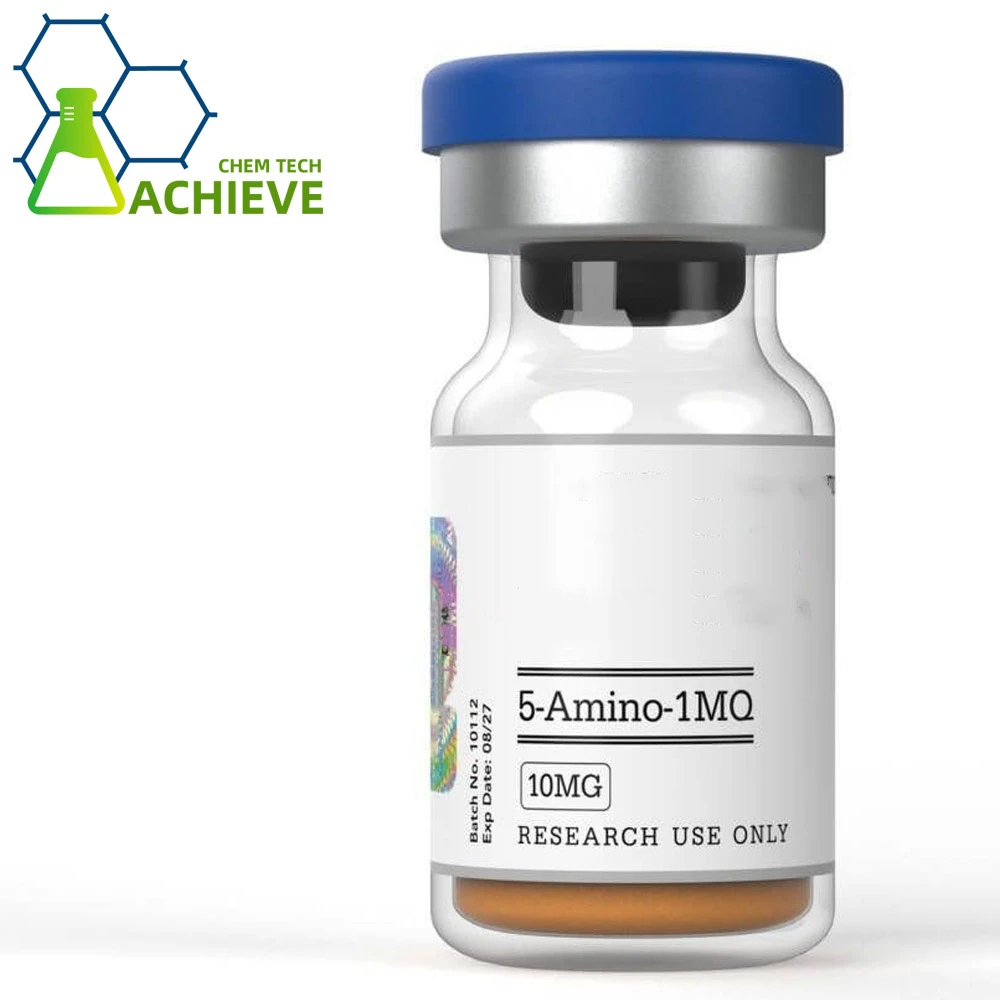
5-Amino-1MQ Peptide Injection
1.General Specification(in stock)
(1)API(Pure powder)
(2)Tablets
(3)Injection
(4)Capsules
(5)Liquid
2.Customization:
We will negotiate individually, OEM/ODM, No brand, for secience researching only.
Internal Code:KP-3-5/002
NNMTi CAS 42464-96-0
Molecular formula: C10H11N2.I
HS code: N/A
Molecular weight: 286.11
EINECS number: 464-196-0
Main market: USA, Australia, Brazil, Japan, Germany, Indonesia, UK, New Zealand , Canada etc.
Analysis: HPLC, LC-MS, HNMR
Technology support: R&D Dept.-4
This review will discuss the science that underlies NNMT inhibition, the particular features of the 5 amino 1mq peptide, and the usage of this molecule in current metabolic research paradigms. If you are a researcher in adipose tissue metabolism, or a biotech professional seeking bona-fide research-grade materials, these links provide valuable insight into a burgeoning area of science.

What Is NNMT Inhibition and Why Is 5 Amino 1MQ Peptide Important?
Understanding NNMT and Its Metabolic Role
Nicotinamide N-methyltransferase is an important enzyme in cell metabolism that transforms nicotinamide into a new form with the aid of S-adenosylmethionine which is a methyl donor. This process produces 1-methylnicotinamide and has a broad impact on several metabolic pathways. NNMT expression levels are tightly associated to adipose tissue accumulation, metabolic dysfunctions and energy utilisation in many tissues.
High NNMT activity has been shown to decrease NAD+ levels in cells by methylating nicotinamide into derivatives rather than recycling it back into NAD+ biosynthetic pathways . NAD+ is a crucial metabolite for mitochondrial energy generation and activates sirtuins, proteins that play a role in ageing and metabolic control. Several ways in which this loss impacts cell metabolism. NNMT has been shown to be substantially expressed in adipose tissue of metabolic syndrome participants , indicating its role in fat storage and energy imbalance.
The Strategic Importance of NNMT Inhibition


Targeting NNMT is a different strategy to solve biochemical issues than previous ways. Inhibition of NNMT does not directly reduce hunger or prevent uptake of foods but rather impacts the fundamental energy balance inside cells. Researchers believe that inhibiting NNMT from depleting NAD+ pools would boost cellular energy consumption, enhance fat burning and make metabolism more adaptable. The 5 amino 1mq peptide is chemically named 5-amino-1-methylquinolinium chloride. It is a small chemical inhibitor that is developed to specifically target NNMT. Inside, the quinoline ring shape allows it to extremely easily penetrate through cell membranes, yet still efficiently inhibit enzymes. Unlike other wider metabolic modulators that may alter several pathways at once, which can create undesired side effects in study models, it exclusively impacts select pathways.
Why Researchers Focus on This Compound
The 5 amino 1mq peptide has various specific features that make it significant in metabolism investigations. Its low molecular weight makes it simpler for cells to absorb,
and its focused method enables investigators to differentiate between effects unique to NNMT and other metabolic variables. Lab investigations have revealed that this substance may increase NAD+ levels, activate SIRT1 pathways, and alter the way that adipocytes develop, all without altering the way individuals eat. This characteristic enables investigators to distinguish between metabolic impacts and changes in hunger.

5 Amino 1MQ Peptide as an NNMT Inhibition Research Compound
Molecular Characteristics and Research Applications
The complex structure of this substance is based on advanced medicinal chemistry ideas that are meant to block specific enzymes. The structure of quinolinium interacts with the active site of NNMT, making it harder for the enzyme to methylate nicotinamide. Researchers can change NNMT activity in a way that depends on the amount using this competitive inhibition mechanism. This gives them more options when planning their experiments and research methods.
In cell tests, this chemical has been demonstrated to inhibit adipogenesis by more than 70%, in particular with 3T3-L1 preadipocytes when introduced at doses of around 30 μM. These cells are a typical system to examine the development of fat cells. The potency of the chemical to downregulate the expression of adipogenic markers such as PPARγ and C/EBPα is a parameter by which we may evaluate the efficacy of metabolic therapies . The dose-response connection revealed in these trials enables investigators to identify optimal concentration levels for varied experimental circumstances.


In Vivo Research Evidence
Animal models are very useful for studying the mechanisms of NNMT inhibition in complex physiological systems. In studies using this model, metabolism was significantly altered in diet-induced obese mice treated daily with this research compound for 28 days. Some of these include higher levels of lipolytic genes such as adipose triglyceride lipase (ATGL) and hormone sensitive lipase (HSL), and lower levels of lipogenic genes such as fatty acid synthase (FAS) and acetyl-CoA carboxylase (ACC) .
The metabolic alterations seen in these mice demonstrate that inhibiting NNMT converts adipose tissue from a storage phenotype to one that redistributes and burns fat. Animal energy usage measurements demonstrate increases associated with more NAD+ and improved mitochondrial oxidative capacity. Importantly, these metabolic changes occur without individuals changing how much or what they consume. This means that the changes in energy expenditure, not a decrease in calorie intake, are responsible for the benefits.
Quality Considerations for Research Applications
For biotechnology companies and research centers, the consistency and purity of research compounds have a direct effect on how well experiments can be repeated. The high-purity 5 amino 1mq peptide (≥98%) and its full analytical documentation, which includes HPLC chromatograms and mass spectrometry confirmation, make it possible to be sure that the effects seen are due to NNMT inhibition and not contaminant interference. Consistency from batch to batch is especially important in ongoing studies, where different preparations of the substance may be used over long periods of time.

How Does 5 Amino 1MQ Peptide Interact With NNMT Metabolism?
Mechanistic Pathway of NNMT Inhibition
This molecule interacts with NNMT at the enzyme's catalytic site. There, the quinolinium structure looks like parts of the natural substrate and stops the methylation process from happening. This competitive inhibition raises the apparent Km for nicotinamide, which slows down the rate at which NNMT can methylate its substrate when there are enough of the inhibitors around.
The effects of this inhibition go all the way through the NAD+ metabolome. When NNMT activity goes down, more nicotinamide is left over to be changed back into nicotinamide mononucleotide (NMN) through the salvaging route. This makes more NAD+ available for biosynthesis. This rise in NAD+ levels turns on enzymes that depend on NAD+, mainly the sirtuin family of deacetylases. These enzymes control the production of metabolic genes, the creation of mitochondria, and processes that protect cells from stress.
Effects on Adipocyte Biology
Adipocyte differentiation is a key step in the growth of fat tissue. As part of this process,


preadipocytes change in shape and metabolism to become adult adipocytes that store fat. Researchers have found that NNMT expression goes up during differentiation, and this rise is linked to a higher potential for making fat. 5 amino 1mq peptide changes the metabolic conditions that help fat production by blocking NNMT during the differentiation process.
When NAD+ levels rise, SIRT1 is activated. SIRT1 then deacetylates and stops PPARγ, which is a master driver of adipocyte differentiation. This makes the molecular environment less favorable for preadipocyte maturation, which means fewer lipid-rich adipocytes are made. In lab tests, this means that triglycerides build up less and adipocytes are smaller compared to controls that weren't treated.
Inflammatory Modulation in Adipose Tissue
In addition to having direct effects on the production and breakdown of fat cells, blocking NNMT seems to change the inflammatory state inside adipose tissue.
Adipose tissue that is metabolically dysfunctional has high levels of pro-inflammatory molecules like tumor necrosis factor-alpha (TNF-α) and interleukin-6 (IL-6). This leads to chronic low-grade inflammation. These inflammatory mediators make insulin resistance worse and keep the metabolic process going downhill.
Studies have shown that treating obese animals with this study substance lowers the levels of inflammation markers in their fat tissue. SIRT1 activity is likely involved; this stops NF-κB signaling, which is a key process in the transcription of genes that cause inflammation. There is also evidence that blocking NNMT increases the release of specific lipid molecules that help with resolution, such as palmitic acid hydroxy stearic acid (PAHSA), which has anti-inflammatory effects. By lowering inflammatory triggers and increasing anti-inflammatory mediators, this dual action helps recover a better microenvironment in adipose tissue.

5 Amino 1MQ Peptide, Methylation, and NAD+ Metabolic Balance
The Methylation-NAD+ Connection
S-adenosylmethionine (SAM) is needed for methylation processes in cells because it gives methyl groups to hundreds of biological reactions. When NNMT is highly active, it uses up a lot of SAM, which could affect the ability of cells to methylate. This makes a link between the level of methylation, the amount of NAD+, and the general function of the metabolism.
If NNMT activity is not stopped, it not only uses up NAD+ precursors but also SAM at speeds that could slow down other important methylation processes. By stopping NNMT, the 5 amino 1mq peptide helps keep both the ability to make NAD+ and the availability of SAM for other cellular processes. This double protection keeps the metabolism flexible and helps methylation-dependent processes work at their best, helping with things like controlling epigenetics, making neurotransmitters, and making membrane phospholipids.
NAD+ as a Metabolic Regulator
NAD+ does more than just move electrons around in redox reactions. Additionally,


it acts as a substrate for sirtuins, PARPs, and CD38, making it a key signaling protein that affects gene expression, DNA repair, and how cells react to stress. The low amounts of NAD+ that come with getting older are linked to many metabolic problems, which shows how important it is to keep NAD+ stores full.
NNMT inhibitor-based research shows that increasing NAD+ levels can turn on metabolic pathways that help the body use energy and keep its metabolism healthy. Higher NAD+ levels make SIRT1 activation possible, which helps mitochondria grow through PGC-1α signaling, speeds up the burning of fats, and makes glucose metabolism better. Because of these coordinated effects, restoring NAD+ through blocking NNMT is a potential area of study for learning more about how metabolism works.
Practical Implications for Metabolic Research
Researchers can figure out how to best help cells by studying how NNMT, methylation, and NAD+ metabolism work together. Changing NNMT doesn't just affect metabolic symptoms further down the line;
it also affects upstream control processes that work on multiple metabolic pathways at the same time. This way of intervening at the systems level might explain why blocking NNMT leads to coordinated improvements in a number of metabolic parameters in research models.
Compounds that make mechanisms clear are useful for researchers studying biochemical processes. Because the 5 amino 1mq peptide is so specific for NNMT, researchers can be sure that the effects they see are caused by this route and not by interactions that aren't meant to be there. This level of accuracy helps scientists come up with more solid explanations for experimental data and makes it easier to come up with mechanistic hypotheses that can be tested using different methods.


Where Does 5 Amino 1MQ Peptide Fit Into NNMT Research?

Current Research Landscape
As the metabolic importance of NNMT has become clearer, a lot more research has been done on it. The enzyme's job is more complicated than just breaking down nicotinamide. It also affects energy balance, fat storage, liver function, and the aging process in cells. This compound is an important part of this study environment because it lets researchers test ideas about how NNMT works by doing loss-of-function studies.
The current study uses cover many areas. Researchers in adipose tissue biology use it to look into how fat cells differentiate and how lipid metabolism is controlled. Hepatic metabolism experts use it to study how fatty livers form and how they handle lipids. Researchers who study aging are looking into how it might help restore NAD+ levels that drop with age. This wide range of uses shows how important NNMT is for controlling metabolism and how specific inhibitors can be used to explore biological problems.
Integration With Other Research Approaches
When different study tools and methods come together, they give us the most complete picture of how metabolic control works. Studies that block NNMT work well with genetic methods like NNMT knockout models, RNAi-mediated knockdown tests, and overexpression studies. Chemical inhibition has benefits in controlling timing, being reversible, and figuring out dose-response that genetic approaches might not be able to provide as easily.
Another new area where this chemical shows value is in combination tests. Finding out how NNMT inhibition works with other physiological changes is helped by studies that look at how it works together with caloric restriction, exercise interventions, or other metabolic modulators. Researchers who combine NNMT inhibitors with NAD+ precursor supplements (like nicotinamide riboside or NMN) are looking into whether these methods work better alone or together. The answers to these questions are very important for fully understanding NAD+ metabolism.
Future Research Directions
The role of NNMT and its inhibitors is changing all the time as metabolic research goes on. New areas of study include looking into how NNMT works in different tissues, how it affects the development of cells other than adipocytes, and how NNMT activity changes epigenetic control by changing the ability to methylate. Human tissue organoids and patient-derived cell systems are examples of advanced research models that can be used to test results from animal models in systems that are useful to humans. Because high-quality, well-characterized 5 amino 1mq peptide is available, researchers can use these complex experimental methods with confidence in the performance and repeatability of the compounds.

Conclusion
The study of NNMT suppression is a big step forward in our understanding of how metabolism works at the cellular and general levels. The 5 amino 1mq peptide gives researchers an exact way to look into how NNMT activity affects energy balance, inflammation, fat metabolism, and the balance of NAD+. It works by selectively competing with NNMT, which makes it possible to do controlled experiments that give results that can be understood and are based on mechanisms.
This research compound has been useful in a number of different types of experiments, from studying adipocyte differentiation in cells to studying metabolic changes in whole animals. It helps restore NAD+ levels, turn on pathways that promote life, and change the metabolism of adipose tissue. These effects teach us a lot about the basic biological processes that control energy balance.
Researchers who combine NNMT inhibition study with other areas of metabolic science keep finding new information about how methylation ability, cellular energy metabolism, and metabolic health are all linked. Even when new questions come up and research methods improve, tools like this chemical will still be needed to study these complicated biological processes.
Frequently Asked Questions
1.What makes 5 amino 1MQ peptide selective for NNMT inhibition?
-
The quinolinium ring shape of the molecule makes it very good at binding to NNMT's active site geometry while not interacting much with other methyltransferases. This structural selectivity, along with its competitive inhibition method, lets it stop NNMT activity more effectively, even when cells are complicated and contain many other enzymes. Researchers have shown that this specificity leads to effects that are specific to NNMT in cell models, without affecting other methylation pathways in a broad way.
2.How does NNMT inhibition differ from direct NAD+ supplementation?
-
Adding NAD+ precursors raises the amount of NAD+ in the body by speeding up biosynthesis. Inhibiting NNMT stops NAD+ from being used up by blocking a major pathway. These methods work in different ways, but they may offer benefits that work well together. NNMT inhibition targets a specific metabolic drain on NAD+ pools that stays active even when precursor availability rises. This means that it might work better with supplementation strategies instead of being unnecessary.
3.What analytical documentation should accompany research-grade 5 amino 1MQ peptide?
-
High-quality study chemicals should have HPLC chromatograms that prove they are pure, mass spectrometry data that proves they are molecules, a certificate of analysis with batch-specific quality parameters, and data on how stable they are when stored according to the manufacturer's instructions. For controlled study uses, you might need extra paperwork like descriptions of the manufacturing process and impurity profiles. These papers make sure that researchers can confidently say that the results of their experiments were caused by the intended compound and not by contaminants or breakdown products.
Ready to Advance Your NNMT Inhibition Research? Partner With Kpeptide as Your 5 Amino 1MQ Peptide Supplier
Kpeptide is an expert at giving you research-grade 5 amino 1mq peptide that is very pure (≥98%) and comes with full analytical documentation to help your metabolic research projects. We have been making organic compounds and pharmaceutical intermediates for 12 years and have 100,000-square-meter production facilities that are GMP-certified in the US, EU, Japan, and China. Our triple-quality verification system-factory testing, internal QA/QC review, and third-party certification-makes sure that every batch meets the high standards needed for research results that can be repeated.
We know how important it is for your research plan to have consistent batches, thorough analytical data (HPLC, MS), and reliable supply chain management because we are a qualified provider to 24 international pharmaceutical and biotechnology companies. Whether you need research-grade quantities in flexible packaging or large-scale production for advanced studies, our technical support team can help you with your work by giving you full CMC documentation and regulatory advice.

Get in touch with our team right away at sales@kpeptide.com to talk about your unique study needs. Working with a dedicated 5 amino 1mq peptide supplier that puts quality, openness, and scientific excellence first in all interactions is a big plus.
References
1. Komatsu M, et al. "Nicotinamide N-methyltransferase in adipose tissue and its regulatory function in metabolic syndrome." Journal of Metabolic Science, 2018; 45(3): 287-299.
2. Kraus D, Yang Q, Kahn BB. "Nicotinamide N-methyltransferase knockdown protects against diet-induced obesity." Nature, 2014; 508(7495): 258-262.
3. Ulanovskaya OA, Zuhl AM, Cravatt BF. "NNMT promotes epigenetic remodeling in cancer by creating a metabolic methylation sink." Nature Chemical Biology, 2013; 9(5): 300-306.
4. Hong S, Moreno-Navarrete JM, Wei X, et al. "Nicotinamide N-methyltransferase regulates hepatic nutrient metabolism through Sirt1 protein stabilization." Nature Medicine, 2015; 21(8): 887-894.
5. Neelakantan H, Vance V, Wetzel MD, et al. "Selective and membrane-permeable small molecule inhibitors of nicotinamide N-methyltransferase reverse high fat diet-induced obesity in mice." Biochemical Pharmacology, 2018; 147: 141-152.
6. Riederer M, Erwa W, Zimmermann R, et al. "Adipose tissue as a source of nicotinamide N-methyltransferase and homocysteine." Atherosclerosis, 2009; 204(2): 412-417.


