


Metabolic dysregulation is at the foundation of so many of our contemporary health concerns, from chronic weight gain to cellular energy drain. As scientists probe deeper into the molecular machinery that controls metabolism, one substance has come to the fore as an interesting target – 5 amino 1mq peptide. This is a selective small molecule inhibitor of nicotinamide N-methyltransferase (NNMT) , an enzyme which plays a surprisingly significant function in cellular metabolism . Understanding how this peptide alters metabolic pathways might be helpful for those interested in metabolic health, weight control, and cellular optimization.

5-Amino-1MQ Peptide Injection
1.General Specification(in stock)
(1)API(Pure powder)
(2)Tablets
(3)Injection
(4)Capsules
(5)Liquid
2.Customization:
We will negotiate individually, OEM/ODM, No brand, for secience researching only.
Internal Code:KP-3-5/002
NNMTi CAS 42464-96-0
Molecular formula: C10H11N2.I
HS code: N/A
Molecular weight: 286.11
EINECS number: 464-196-0
Main market: USA, Australia, Brazil, Japan, Germany, Indonesia, UK, New Zealand , Canada etc.
Analysis: HPLC, LC-MS, HNMR
Technology support: R&D Dept.-4
The science of metabolic regulation is complicated . There are several interrelated pathways that control how cells make energy , store fat , and react to food cues . Recent studies have shown that inhibiting NNMT has knock-on effects across these networks, profoundly changing how cells metabolize nutrients and produce energy. In this article we discuss the metabolic pathways affected by 5 amino 1mq peptide and consider the mechanisms of its metabolic effects.

Which Metabolic Pathways Are Influenced by 5 Amino 1MQ Peptide?
The Central Role of NNMT in Metabolic Regulation
NNMT is a key metabolic hub that converts nicotinamide (a derivative of vitamin B3) and S-adenosylmethionine (SAM) into methylnicotinamide. It looks easy this response at first but has really significant implications later on. NNMT levels are elevated in adipose tissue and in the liver in a person with metabolic failure. This creates a metabolic choke point that effects numerous pathways simultaneously.
Increased NNMT activity reduces nicotinamide (a precursor required to generate NAD+) and SAM (a universal methyl acceptor required for hundreds of methylation reactions). This double loss messes with the fundamental chemistry of cells. Researchers have discovered that NNMT expression is substantially greater in fat tissue of obese patients than in lean tissue. This indicates a direct connection between NNMT activation with metabolic abnormalities.
Adipose Tissue Metabolism and Fat Storage


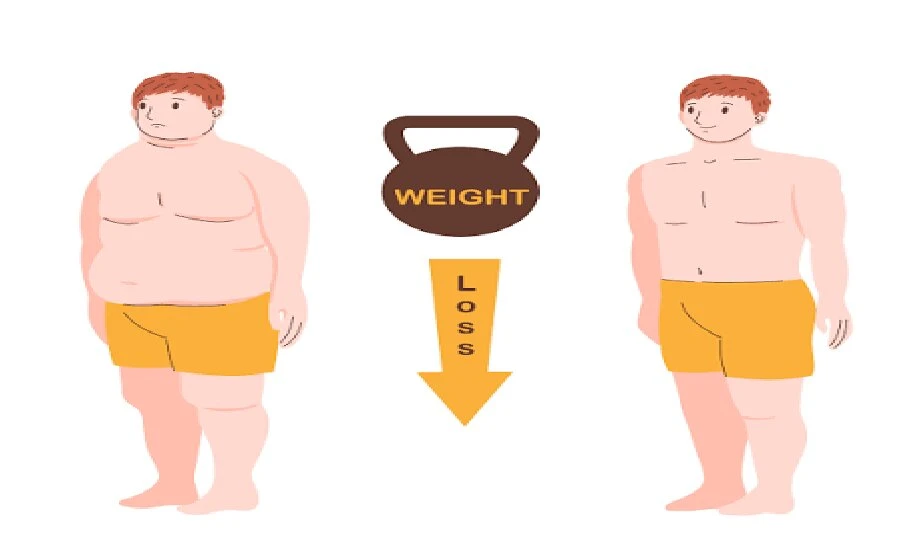
The most studied use of 5 amino 1mq peptide is to modify the metabolism of fat tissue. Adipocytes not only store energy, but also maintain metabolic homeostasis via the release of hormones and metabolic signaling. Blocking NNMT alters how these cells use lipids at the most basic level. When 3T3-L1 preadipocytes are studied, the 5 amino 1mq peptide inhibits the differentiation of precursor cells into mature fat cells by over 70% at therapeutic doses. The process begins by replenishing NAD + levels, which activates SIRT1, a life-associated enzyme that inhibits the action of adipogenic transcription factors including PPARg and C/EBPα.
Treatment of mature adipocytes with NNMT inhibitors changes their metabolic profile from lipid synthesis to lipid breakdown. This releases fatty acids which may be utilized to generate energy.
The thing that makes this procedure distinct from other weight reduction strategies is that it improves the metabolism without making you feel less hungry. Studies on mice demonstrate that if they are fed the 5 amino 1mq peptide they eat normally but shed a lot of fat.
That means it's not the calorie restriction that's causing the impact, but a shift in fat burning.
Hepatic Lipid Metabolism and Liver Function
The liver controls the body's metabolism, and NNMT production in hepatocytes has a big effect on metabolism throughout the body. High hepatic NNMT activity encourages lipogenesis while blocking fat clearance, which adds to hepatic steatosis, which is when fat builds up in liver cells.
Researchers utilizing food induced obesity models have demonstrated that the 5 amino 1mq peptide decreases liver weight, reduces the number of lipids in the liver, and reduces inflammation . Gene expression study indicated downregulation of lipogenic enzymes such as fatty acid synthase (FAS) and acetyl-CoA carboxylase (ACC), and upregulation of lipolytic enzymes such as adipose triglyceride lipase (ATGL) and hormone-sensitive lipase (HSL). Blocking NNMT decreases the generation of inflammatory cytokines in liver tissue and also has direct effects on lipid metabolism. This uncouples metabolic failure and inflammation.
This anti-inflammatory impact seems to involve NAD+-dependent mechanisms inhibiting the activation of NF-κB, a crucial stage in the inflammatory process.

How 5 Amino 1MQ Peptide Affects the NAD+ Salvage Pathway

Understanding NAD+ Depletion Through NNMT Activity
It's a key coenzyme that's utilized in a great variety of enzyme processes, mostly those that require energy, and in repairing cells. The NAD+ salvage mechanism converts nicotinamide back to NAD+. This maintains a consistent level of this crucial chemical in cells. NNMT directly tackles this salvage pathway by methylating nicotinamide, converting it into an inactive form that is excreted rather than regenerated. Higher NNMT production leads to lower nicotinamide availability for NAD+ biosynthesis.
This leads to a metabolic crisis ; cells have a hard time maintaining adequate levels of NAD+ which compromises mitochondrial activity , the capacity to repair DNA , and metabolic flexibility.
Metabolic diseases have been associated with increased NNMT levels and decreased NAD+ levels in adipose tissue and liver.
Restoration of NAD+ Levels and Metabolic Consequences
The 5 amino 1mq peptide makes NAD+ available again by stopping NNMT from using up nicotinamide. This action, which seems simple, sets off a chain of biological effects. Sirtuins are a group of NAD+-dependent enzymes that control metabolism, inflammation, and cellular stress responses when NAD+ levels are high.
When SIRT1 is activated, a very important thing happens. This enzyme removes an acetyl group from many metabolic transcription factors, which controls their activity. SIRT1 stops adipogenesis in adipocytes and speeds up fat mobilization. It increases the burning of fatty acids in hepatocytes and lowers inflammation. SIRT1 makes mitochondrial production and insulin sensitivity better in muscle tissue.
Animal tests show that when mice are given the 5 amino 1mq peptide, the levels of NAD+ are significantly higher in biologically active areas, and SIRT1 activity is also higher. Better metabolic parameters, such as less fat, better insulin sensitivity, and higher energy expenditure, are linked to this biochemical signature.
Impact on Mitochondrial Energy Production
For oxidative phosphorylation, the process that makes most cellular ATP,
mitochondria need NAD+ a lot. NADH, which is the reduced form of NAD+, is used as an electron source by the electron transport chain. This is what makes ATP. When NAD+ stores get low because of too much NNMT activity, mitochondria work less efficiently.
Restoring NAD+ by blocking NNMT increases the ability of mitochondria to breathe. Studies that track how much oxygen treated adipocytes use show that their baseline and maximum breathing rates go up by a lot. Because of this change in metabolism, cells burn more calories through oxidative metabolism instead of storing extra energy as fat. The higher energy use lasts for a long time, which helps explain why the metabolic effects were seen in study models.

5 Amino 1MQ Peptide and the SAM Metabolic Pathway: What Changes?

The Role of SAM in Cellular Methylation
For methylation reactions inside cells, S-adenosylmethionine is the universal methyl donor. These methylation events control many different processes, such as the expression of genes, the production of neurotransmitters and phospholipids, and many more. The abundance of SAM has a direct effect on how cells work in all tissues. When NNMT methylates nicotinamide, it uses up SAM and makes S-adenosylhomocysteine (SAH) as a result. When SAH builds up, it stops methyltransferases from working. This causes methylation stress, which changes how genes are expressed. This loss of SAM is a big problem when NNMT expression goes up, which happens when metabolic function isn't working right.
SAM Conservation Through NNMT Inhibition
The 5 amino 1mq peptide protects SAM for other important methylation processes by stopping NNMT from working.
This action on conservation may add to the compound's metabolic benefits beyond those caused by NAD+ repair alone. Enough SAM helps control gene production correctly, especially when it comes to metabolic genes. The genes that cells express are affected by methylation of histones and DNA regulatory regions.
If you don't have enough SAM, it can lead to abnormal methylation patterns that make your metabolism work less well. Some research shows that stopping NNMT and restoring normal SAM metabolism can help restore gene expression patterns in metabolic tissues. However, this process needs more research.
Integration With One-Carbon Metabolism
One-carbon metabolism is the network of processes that involve folate, vitamin B12, and other chemicals that are similar. SAM metabolism is closely linked to this. These pathways connect to the production of amino acids, nucleotides, and redox balance. This whole metabolic network is changed when NNMT uses up SAM.
Studies that look at metabolomic profiles after 5 amino 1mq peptide treatment show changes in more than just NAD+ and SAM.

Changes in homocysteine levels, markers of methylation capacity, and amino acid metabolism intermediates are all in line with NNMT activity being lower. This big change in metabolism suggests that blocking NNMT affects cell metabolism in a number of ways that are all connecte.

How 5 Amino 1MQ Peptide Links NAD+ Metabolism With Cellular Energy Production
The NAD+/NADH Ratio and Metabolic Flexibility
The respiration of cells keeps a fine balance between NAD+ and NADH, which is its reduced form. This ratio is like a metabolic monitor because it changes the activity of enzymes and the choice of metabolic pathways. When the amount of NAD+ drops compared to NADH, cells start to do more anabolic processes, such as storing fat. When NAD+ is the most abundant, catabolic processes like fat burning are more likely to happen.
By blocking NNMT, this ratio moves toward NAD+, telling cells to use energy instead of storing it. This metabolic reprogramming happens without hormonal signals or changes in diet; it just happens because of basic changes in the biochemistry of cells. In real life, this means that more fat is burned and more calories are burned through oxidative metabolism.
Activation of Energy-Sensing Pathways
Beside having direct effects on the availability of NAD+,
the 5 amino 1mq peptide also changes pathways that sense energy and make sure that cellular metabolism is in sync with the availability of nutrients. One of these pathways is AMPK (AMP-activated protein kinase), which is turned on when the energy level of a cell drops. Restoring NAD+ and improving mitochondrial function affect AMPK activity, which makes metabolism work better.
The main regulator of mitochondrial biogenesis, PGC-1α, reacts to both SIRT1 activity and more energy. Researchers have found that cells from animals that were given NNMT inhibitors have higher amounts of PGC-1α and more mitochondria. More mitochondria means more energy output and fat burning. This creates a positive feedback loop that keeps metabolic gains going.
Practical Implications for Metabolic Health
The link between the metabolism of NAD+ and the production of energy explains many of the effects that have been seen in research settings with 5 amino 1mq peptide. After being given this substance, animals' energy expenditure stays high without their food intake going up proportionally.

This causes their fat mass to decrease over time. The effect lasts during treatment and doesn't come back much after treatment ends, which suggests that the metabolism is changing fundamentally instead of just temporarily speeding up.
Elevated NNMT in obesity, NAD+ loss in metabolic syndrome, and mitochondrial failure in insulin resistance are all biochemical features that can be seen in human metabolic tissues. Because of this, blocking NNMT could be a useful method for studying metabolism, even though there isn't a lot of clinical data on humans yet.

Understanding the Metabolic Network Regulated by 5 Amino 1MQ Peptide
Interconnected Pathways and Systemic Effects
Metabolism works like a network, not like a bunch of separate pathways. When something changes in one part of the system, it affects the whole system, causing complicated relationships that determine metabolic health as a whole. This idea is clearly shown by NNMT inhibition: blocking a single enzyme has metabolic effects that are felt all over the body because it affects NAD+ and SAM. One important network that 5 amino 1mq peptide changes is the adipose-liver-muscle axis.
When there is less inflammation in adipose tissue, fewer inflammatory signals get to the liver and muscles. Triglycerides that would normally be stored in fat tissue are released into the bloodstream when liver lipid metabolism is improved. Better insulin sensitivity in muscles lowers the amount of glucose that liver and fat tissue need to get rid of.
Regulatory Feedback Loops
There are many feedback systems in metabolic processes that keep homeostasis. NNMT expression is affected by metabolic signals. Being overweight and not responding well to insulin raise NNMT expression, which then makes metabolic failure worse by lowering NAD+ levels. This makes metabolic problems worse, which is called a negative loop. NNMT inhibition stops this loop by keeping NAD+ levels from dropping even though NNMT expression is high. Researchers have found that functional inhibition stops the metabolic effects even when the levels of NNMT protein stay high. This point of intervention seems very smart because it stops a central node in metabolic dysregulation.
Temporal Dynamics of Metabolic Remodeling
Changes in metabolism happen gradually over days to weeks after 5 amino 1mq peptide administration. Within hours, the first molecular changes show up: more NAD+ and less methylnicotinamide. Within a few days, changes in metabolic genes' transcripts happen. Over weeks, changes at the tissue level happen,

such as less fat mass and better insulin sensitivity. This pattern of time points points to both direct biochemical effects and secondary adaptations.
When NAD+ and SAM become available again right away, enzyme activity and metabolic flow change quickly. After gene expression changes, cellular metabolism is changed in a more basic way. Long-term tissue remodeling shows that metabolism keeps getting better and cells adjust to the new biochemical environment.

Conclusion
The metabolic pathways that 5 amino 1mq peptide changes show how a specific biochemical change can have a positive effect on many metabolic pathways. By stopping NNMT, this molecule makes NAD+ available again, keeps SAM around for important methylation reactions, and completely changes how cells use resources and make energy. Because of this, metabolic reprogramming happens, which changes the metabolism of fatty tissue, liver, muscle, and the whole body. This fixes many problems with metabolic disorder at the same time.
Researchers are still finding out more about how NNMT affects metabolism and how blocking it might be used as a therapy. The compound is useful for metabolic research because it can help people lose fat while keeping their lean mass, make insulin work better without making them lose their appetite, and lower inflammation while making more energy. As we learn more about these pathways, they may be used for more than just weight loss. They may also be useful for metabolic health and cell optimization.
Frequently Asked Questions
Q: How does 5 amino 1mq peptide specifically affect NAD+ levels in cells?
-
A: The peptide does its job by blocking NNMT, an enzyme that changes nicotinamide into methyl form and takes it out of the NAD+ salvage pathway. Nicotinamide can still be turned back into NAD+ through the rescue route when NNMT activity is stopped. Researchers have shown that this inhibition can bring back the levels of NAD+ in metabolically active tissues like liver and adipose tissue, where NNMT expression usually rises when metabolism isn't working right. When NAD+ is restored, it turns on sirtuins and helps mitochondria make energy, which has a chain reaction of metabolic benefits.
Q: What makes the metabolic effects of 5 amino 1mq peptide different from traditional weight management approaches?
-
A: 5 amino 1mq peptide doesn't work like hunger suppressants or boosters; instead, it changes the biochemistry of cells to change how they use energy. It doesn't make you eat less or artificially make you burn more calories. Researchers have found that people who are treated keep their normal appetites while burning more fat, improving mitochondrial function, and making their metabolism more flexible. The compound helps people lose fat while keeping their lean muscle mass. It also lowers inflammation without weakening the immune system and improves metabolism in a way that lasts instead of having short-term benefits that go away when the compound is stopped.
Q: Does 5 amino 1mq peptide affect metabolic pathways beyond NAD+ and SAM metabolism?
-
A: The main targets are NAD+ and SAM, but NNMT inhibition also affects larger metabolic networks through effects that happen later. Getting NAD+ back to normal turns on sirtuins, which control gene expression and have an impact on many metabolic genes. AMPK and PGC-1α pathways are activated when mitochondrial activity is improved, which changes the energy state of cells. Less inflammation in fat tissue changes systemic cytokine signals, which in turn changes the metabolism of the liver and muscles. Changing amino acid metabolism, lipid profiles, and inflammatory markers has been shown by metabolomic studies. This suggests that blocking NNMT causes metabolic rewiring that goes beyond its direct enzyme target.
Why Choose Kpeptide as Your Trusted 5 Amino 1MQ Peptide Supplier?
Quality and dependability are what matter when looking for 5 amino 1mq peptide for study or growth. Kpeptide has many benefits that make us stand out as a top supplier of 5 amino 1mq peptides. Our 100,000-square-meter production facilities are GMP-certified and meet US-FDA, EU-GMP, and PMDA standards. This means that every batch is of pharmaceutical-grade quality. With more than 12 years of experience in organic synthesis and three levels of quality control-factory testing, internal QA/QC analysis, and third-party certification-we guarantee purity levels of 98% or higher and provide full analytical documentation, such as HPLC and MS data.

Our clear pricing model, fixed profit margins, and one-stop service platform get rid of any hidden costs. Our ERP system also gives you full visibility into the entire supply chain. Our skilled team gives you exact lead times and full CMC paperwork whether you need research-grade amounts in flexible packaging or bulk production with regulatory support. We know the high standards needed for metabolic research and therapeutic development because we are approved providers to 24 of the world's largest pharmaceutical and science companies.
Contact our team at sales@kpeptide.com to get reliable access to high-purity 5 amino 1mq peptide backed by full technical help and regulatory knowledge. Your metabolic study and development goals can be helped by Kpeptide's tried-and-true quality systems and customer-focused service.
References
1. Komatsu M, Kanda T, Urai H, Kurokochi A, Kitahama R, Shigaki S, Ono T, Yukioka H, Hasegawa K, Tokuyama H, Kawabe Y. "NNMT activation can contribute to the development of fatty liver disease by modulating the NAD+ metabolism." Scientific Reports, 2018; 8(1):8637.
2. Kraus D, Yang Q, Kong D, Banks AS, Zhang L, Rodgers JT, Pirinen E, Pulinilkunnil TC, Gong F, Wang YC, Cen Y, Sauve AA, Asara JM, Peroni OD, Monia BP, Bhanot S, Alhonen L, Puigserver P, Kahn BB. "Nicotinamide N-methyltransferase knockdown protects against diet-induced obesity." Nature, 2014; 508(7495):258-262.
3. Ulanovskaya OA, Zuhl AM, Cravatt BF. "NNMT promotes epigenetic remodeling in cancer by creating a metabolic methylation sink." Nature Chemical Biology, 2013; 9(5):300-306.
4. Hong S, Moreno-Navarrete JM, Wei X, Kikukawa Y, Tzameli I, Prasad D, Lee Y, Asara JM, Fernández-Real JM, Maratos-Flier E, Pissios P. "Nicotinamide N-methyltransferase regulates hepatic nutrient metabolism through Sirt1 protein stabilization." Nature Medicine, 2015; 21(8):887-894.
5. Sambeat A, Gulyaeva O, Dempersmier J, Tharp KM, Stahl A, Paul SM, Sul HS. "LSD1 interacts with Zfp516 to promote UCP1 transcription and brown fat program." Cell Reports, 2016; 15(11):2536-2549.
6. Brachs S, Polack J, Brachs M, Jahn-Hofmann K, Elvert R, Pfenninger A, Bärenz F, Margerie D, Mai K, Spranger J, Kannt A. "Genetic nicotinamide N-methyltransferase inhibition improves diet-induced diabetes via enhanced adipose tissue thermogenesis." Molecular Metabolism, 2021; 52:101262.


