


The liver stands as one of the body's most metabolically active organs, orchestrating complex pathways that determine how fats are processed, stored, and utilized. When this delicate balance falters, conditions ranging from metabolic syndrome to fatty liver disease can emerge.
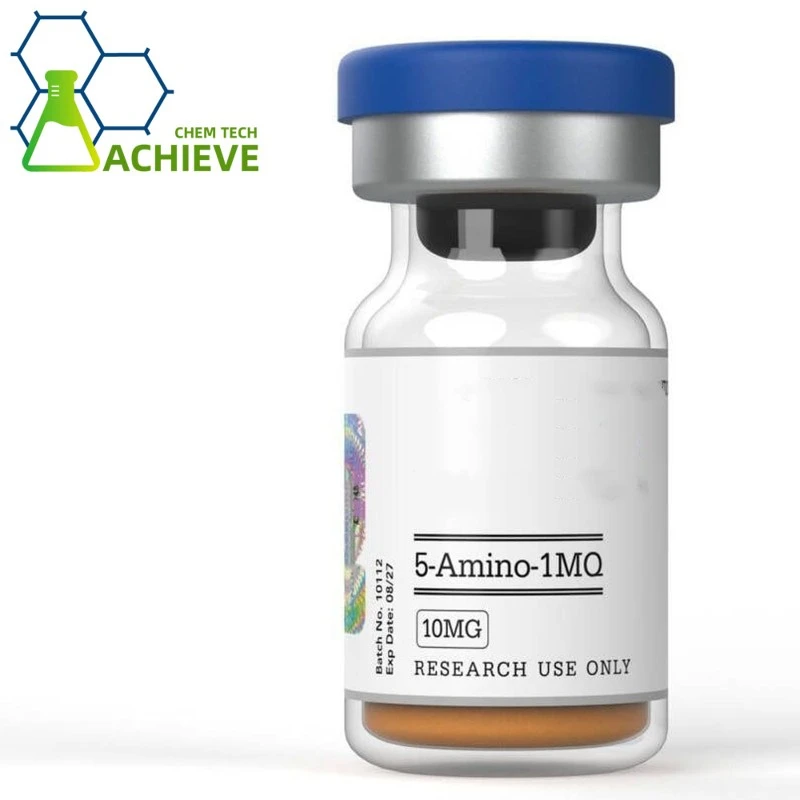
5-Amino-1MQ Peptide Injection
1.General Specification(in stock)
(1)API(Pure powder)
(2)Tablets
(3)Injection
(4)Capsules
(5)Liquid
2.Customization:
We will negotiate individually, OEM/ODM, No brand, for secience researching only.
Internal Code:KP-3-5/002
NNMTi CAS 42464-96-0
Molecular formula: C10H11N2.I
HS code: N/A
Molecular weight: 286.11
EINECS number: 464-196-0
Main market: USA, Australia, Brazil, Japan, Germany, Indonesia, UK, New Zealand , Canada etc.
Analysis: HPLC, LC-MS, HNMR
Technology support: R&D Dept.-4
Researchers investigating these mechanisms have turned their attention to a small molecule with remarkable potential: 5 amino 1mq peptide. This selective inhibitor targets nicotinamide N-methyltransferase (NNMT), an enzyme increasingly recognized for its role in hepatic lipid regulation. Understanding how this peptide influences liver metabolism opens new avenues for addressing metabolic health challenges that affect millions worldwide.

Why Is Liver Lipid Metabolism Relevant to 5 Amino 1MQ Peptide?
The liver is the body's main metabolic hub. It breaks down fats from food, makes lipids for cell membranes, and controls how energy moves through the body's tissues. When lipid metabolism is out of whack, extra fat builds up in hepatocytes, which sets off a chain of metabolic problems. This builds up makes insulin signaling less effective, triggers inflammatory responses, and can lead to worsening liver conditions.
Metabolic failure is strongly linked to high amounts of NNMT expression in the liver. When people eat too many calories, hepatic NNMT activity goes up a lot, which depletes NAD+ pools that are needed for mitochondria to work properly and for lipid oxidation. This enzyme activity methylates nicotinamide, making it less available. This makes it harder for the liver to break down fats, so it stores them instead.
The 5 amino 1mq peptide enters this metabolic landscape as a specific way to help. This small-molecule substance protects NAD+ levels by specifically blocking NNMT.

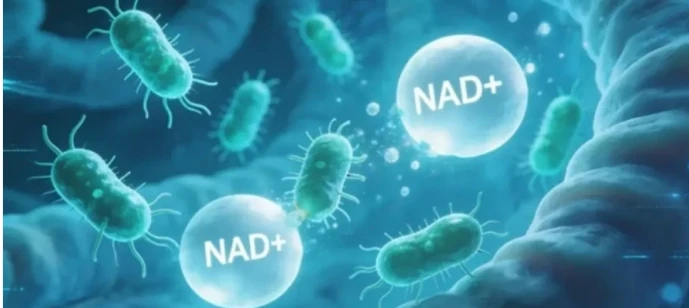
This lets the liver keep up a strong oxidative metabolism. It has been shown in research models that cells are better at burning fatty acids and making triglycerides when hepatic NNMT is turned off. The peptide's method directly targets one of the upstream factors that causes hepatic lipid buildup. This makes it very useful for studying liver metabolism and possibly changing it.
The link is deeper than just stopping enzymes from working. Higher amounts of NAD⁺ turn on sirtuins, especially SIRT1. These work as metabolic controllers that change how genes are expressed all over the liver. When this happens, cellular programs are moved from making fat to burning it, which changes how hepatocytes deal with lipids that come in. To people and groups that study how metabolism works, the peptide is a useful tool for carefully studying these complicated processes.

5 Amino 1MQ Peptide and Hepatic Lipid Metabolism
How Does NNMT Connect With 5 Amino 1MQ Peptide in Liver Research?
In its role as a methyltransferase enzyme, NNMT helps move methyl groups from S-adenosylmethionine to nicotinamide, creating 1-methylnicotinamide. This response may not make sense from a molecular point of view, but its effects on metabolism are very important.
Nicotinamide that would have been recycled into NAD+ through the salvage pathway is used up in each methylation reaction. When there are too many nutrients in the body, hepatic NNMT expression goes up a lot, which makes NAD⁺ less available.
This enzyme is the only one that the 5 amino 1mq peptide is highly selective for. It can bind to NNMT's active site and stop the methylation reaction because its quinolinium structure is similar to the natural substrate.
Researchers using cell models have found that this inhibitor quickly raises NAD+ levels back to what they are in metabolically healthy hepatocytes. Several metabolic processes are affected by this repair at the same time.

When the peptide stops NNMT from working, the liver's metabolic flexibility gets a lot better. Studies using food models of metabolic disorder show that people who were given inhibitors have higher levels of genes that help break down fatty acids. These genes include CPT1 and acyl-CoA oxidase.
At the same time, the amount of lipogenic enzymes like fatty acid synthase (FAS) and acetyl-CoA carboxylase (ACC) in the body goes down. This two-way effect-encouraging breakdown while preventing synthesis-makes the metabolism more favorable for lowering the liver's fat load.
The fact that NNMT is linked to liver disease makes the peptide even more important. When there is too much lipid buildup, it activates inflammatory signaling pathways such as NF-κB, which encourages the production of cytokines that cause inflammation.
5 amino 1mq peptide implicitly lowers these inflammatory reactions by stopping NNMT from working, which is shown by lower levels of tumor necrosis factor-alpha and interleukin-6 in models that were treated.

5 Amino 1MQ Peptide, Fatty Acid Metabolism, and Energy Balance
When fatty acids get to the liver, they go through a number of metabolic processes. They can be broken down in mitochondria to make ATP, changed back into triglycerides to be stored or released in lipoproteins, or added to complicated lipids. Depending on how well these pathways work together, the liver either keeps the metabolism healthy or stores extra fat.
NAD⁺ availability is very important in this decision-making process because it is a necessary cofactor for the enzymes that burn fatty acids.
The peptide changes the way NAD+ is broken down, which in turn changes how hepatocytes handle fatty acids. Beta-oxidation is the process by which fatty acids are broken down in mitochondria.
At several enzyme steps, NAD+ is needed. When NNMT activity lowers NAD+ pools, this oxidative capacity goes down.
This makes fatty acids go to pathways for storage. By blocking this metabolic restriction, the substance makes it easier for the liver to use fatty acids as fuel instead of keeping them as triglycerides.

There is strong evidence for these benefits from experiments using food intervention models. When animals are fed foods that are high in fat, they often develop liver steatosis within a few weeks. This is when hepatocytes get bigger and are filled with lipid droplets. Hepatic lipid buildup is greatly slowed down when these same models are treated at the same time with 5 amino 1mq peptide. Histological research shows that there are a lot fewer and smaller lipid droplets, and chemistry tests show that the total amount of lipids in the liver has gone down.
The peptide affects more than just the liver; it also changes the energy balance of the whole body. Secreted factors and metabolites from the liver let other tissues know about the metabolic state. When the liver's metabolism gets better, it tells the rest of the metabolic network that things are going well. Through indirect calorimetry,research shows that people who are treated with the inhibitor use more energy throughout their bodies. This shows that better metabolic function in the liver leads to better metabolic function throughout the body, providing a positive feedback loop that helps people lose fat.

Exploring Liver Metabolism Through 5 Amino 1MQ Peptide Research
Using the peptide as a study tool has shed light on parts of liver metabolism that were not well understood before. The link between NAD+ levels and liver circadian rhythms is one of the most interesting findings. The liver's metabolic activities happen in cycles throughout the day. During these cycles, oxidation usually goes up and lipid synthesis usually goes down. NNMT expression also changes with the hours of the day, and blocking it seems to make these metabolic oscillations stronger, which could lead to better metabolic synchronization.
Using the 5 amino 1mq peptide in research protocols has shown that it has effects on liver gene expression profiles that depend on the dose. A study of the treated hepatocytes' transcriptomes shows that many metabolic pathway genes have changed. These changes go beyond lipid metabolism and include genes that deal with glucose, amino acids, and getting rid of harmful substances. These results show that blocking NNMT changes hepatic metabolism in a bigger way than was first thought. This makes the enzyme a key player in controlling hepatic metabolism.
The peptide has also helped us figure out how the metabolism of liver and fat tissue is connected. Fatty acids are moved from lipid stores to the liver,


especially when the body is low on calories. When someone is overweight, this fat movement is out of whack, sending too many fatty acids to the liver. Studies using the inhibitor show that increasing hepatic oxidative capacity by blocking NNMT makes it easier for the liver to handle these fatty acid flows without building up lipids, which increases the liver's ability to process metabolic products.
Long-term studies that looked at sustained inhibitor treatment show that the metabolic effects last without resistance building up. Some metabolic approaches lose their effectiveness over time as the body finds ways to compensate. But 5 amino 1mq peptide's effects on liver lipid metabolism stay strong even after long treatment periods.
This finding suggests that blocking NNMT works on a fundamental metabolic bottleneck instead of just messing up a pathway that can be avoided by taking other routes.
Because the compound only affects NNMT and not other methyltransferases, the effects seen can only be linked to this specific enzyme.
This focus is helpful for study because it gets rid of any confusing effects that could come from interactions that aren't on target. Using mass spectrometry to confirm the results shows that the treated hepatocytes have higher amounts of nicotinamide and NAD⁺ products. Other methylation-dependent pathways don't change much, which shows that the intervention is specifically affecting the right areas.

Conclusion
The area where liver lipid metabolism and NNMT suppression through 5 amino 1mq peptide meet is a new and exciting area of metabolic study. Researchers can use this small molecule to precisely study how the abundance of NAD⁺, the activity of sirtuin, and the handling of fatty acids all work together to determine the metabolic fate of the liver. Researchers using both cell and animal models have shown over and over that blocking NNMT changes the liver's metabolism from storing fat to using oxygen, which leads to lower inflammation and better insulin sensitivity. Researchers are still trying to figure out how the liver's metabolism works, and this peptide is being used as both an experimental substance and a possible building block for creating treatments that target metabolic dysfunction. Finding out how it works helps us understand liver biology better and opens up new ways to deal with metabolic health problems that start in the liver when lipids aren't working properly.
Frequently Asked Questions
1.What makes 5 amino 1mq peptide different from other metabolic research compounds?
-
The peptide's high specificity for NNMT sets it apart from other metabolic interventions. Instead of changing many processes at once, it focuses on a single enzyme step that controls the availability of NAD⁺. With this level of accuracy, researchers can separate NNMT's effects on liver metabolism from those caused by other processes. The compound's quinolinium structure also makes it easy for cells to take it in, which is useful for research purposes.
2.How does inhibiting NNMT affect liver function beyond lipid metabolism?
-
Through its effects on NAD+ levels, blocking NNMT affects many parts of liver function. In addition to its role in lipid metabolism, NAD⁺ is a cofactor for enzymes that work with glucose metabolism, circadian rhythm regulation, and the response of cells to stress. Increasing NAD⁺ levels by blocking NNMT may make the liver more sensitive to insulin, improve metabolic circadian rhythms, and make the liver better able to handle oxidative stress, according to research. Because of these broader effects, NNMT is a key regulator of the overall metabolic health of the liver.
3.What analytical methods confirm the effects of the peptide on liver metabolism?
-
Several types of analysis confirm that the peptide has metabolic effects. A technique called high-performance liquid chromatography (HPLC) measures changes in NAD⁺ and related molecules, and mass spectrometry finds specific methylation products. By using quantitative PCR or RNA sequencing to look at gene expression, changes in metabolic pathway activity can be seen. Histological staining techniques show how lipids build up in liver tissue, and indirect calorimetry measures changes in how much energy the whole body uses. This method uses more than one technique to confirm the compound's effects on metabolism at the molecular, cellular, and physiological levels.
Partner With a Trusted 5 Amino 1MQ Peptide Supplier for Your Research Needs
To learn more about how hepatic lipid metabolism works, you need to have access to high-quality products made for study. Kpeptide is ready to help you with your research by making pharmaceutical-grade 5 amino 1mq peptide in sites that are GMP-certified. Our 12 years of experience in chemical synthesis and peptide production means that you will get compounds that are checked for purity (≥98%), come with full analytical data (HPLC, MS), and are consistent from batch to batch, which is important for getting the same results over and over again in research.
As a qualified supplier of 5 amino 1mq peptides, we know the technical needs of metabolic research and can help you with regulatory issues, make sure your projects go smoothly, and provide detailed Certificate of Analysis documentation. Because our supply chain is stable and our production can be scaled up or down, we can help with projects from the early stages of screening to mass production.

Kpeptide gives you the quality, dependability, and service excellence that your work needs, whether you're a pharmaceutical company working on metabolic interventions, a biotechnology company studying NNMT pathways, or a research institution looking into hepatic metabolism. Email our team at sales@kpeptide.com to talk about your particular needs, ask for samples, or get full technical specs. Let our knowledge of peptide production and regulatory compliance help you find new things faster in metabolic research.
References
1. Komatsu M, Kanda T, Urai H, et al. NNMT activation can contribute to the development of fatty liver disease by modulating the NAD+ metabolism. Scientific Reports. 2018;8(1):8637.
2. Kraus D, Yang Q, Kong D, et al. Nicotinamide N-methyltransferase knockdown protects against diet-induced obesity. Nature. 2014;508(7495):258-262.
3. Campagna R, Vignini A. NAD+ homeostasis and NAD+-consuming enzymes: implications for vascular health. Antioxidants. 2023;12(2):376.
4. Sharma R, Kumari M, Mishra S, et al. Nicotinamide N-methyltransferase: a key metabolic regulator and therapeutic target. Biomedicine & Pharmacotherapy. 2022;150:113018.
5. Roberti A, Fernández AF, Fraga MF. Nicotinamide N-methyltransferase: at the crossroads between cellular metabolism and epigenetic regulation. Molecular Metabolism. 2021;45:101165.
6. Ulanovskaya OA, Zuhl AM, Cravatt BF. NNMT promotes epigenetic remodeling in cancer by creating a metabolic methylation sink. Nature Chemical Biology. 2013;9(5):300-306.


