


The body's principal means of storing energy are the fat cells or adipocytes. These specialised cells have important metabolic roles that go much beyond basic fat formation. With researchers looking for new ways to tackle metabolic health, they are becoming more interested in the molecular mechanisms of how these cells work. The specific NNMT inhibitor 5 Amino 1MQ peptide is increasingly in the spotlight of adipocyte metabolism research.

5-Amino-1MQ Peptide Injection
1.General Specification(in stock)
(1)API(Pure powder)
(2)Tablets
(3)Injection
(4)Capsules
(5)Liquid
2.Customization:
We will negotiate individually, OEM/ODM, No brand, for secience researching only.
Internal Code:KP-3-5/002
NNMTi CAS 42464-96-0
Molecular formula: C10H11N2.I
HS code: N/A
Molecular weight: 286.11
EINECS number: 464-196-0
Main market: USA, Australia, Brazil, Japan, Germany, Indonesia, UK, New Zealand , Canada etc.
Analysis: HPLC, LC-MS, HNMR
Technology support: R&D Dept.-4
The substance, which is a tiny molecule, blocks biological pathways that control how fat cells store energy, burn fuel and react to metabolic signals. The association of this peptide with adipocyte activity offers important insight into cellular metabolism and its potential use in metabolic control.

What Happens to Adipocyte Metabolism With 5 Amino 1MQ Peptide?
Metabolism is a complex network of biological processes that determine whether cells retain energy, or release it. In adipocytes, The 5 amino 1mq peptide reaches this metabolic environment and a sequence of molecular processes is triggered. These occurrences prevent NNMT from functioning.
In addition to its role in regulating cellular NAD+ levels, NNMT is a critical enzyme in this process. This enzyme speeds up the methylation of nicotinamide, thus mitochondria cannot employ as many NAD+ cofactors to generate energy.
The impact of the 5 amino 1mq peptide on test subjects termed adipocytes modifies their metabolic status. Selective targeting of NNMT activity increases levels of NAD+ in cells. This boost causes SIRT1 to operate. SIRT1 is a NAD+-dependent deacetylase that regulates several metabolic pathways. The SIRT1 system alters gene expression. This impacts where fat is stored, how much energy is expended, and how cells age. By employing 3T3-L1 preadipocytes, the researchers showed that the peptide treatment impaired the cells' ability to differentiate by more than 70%. This means that the metabolism of the cells was modified significantly.

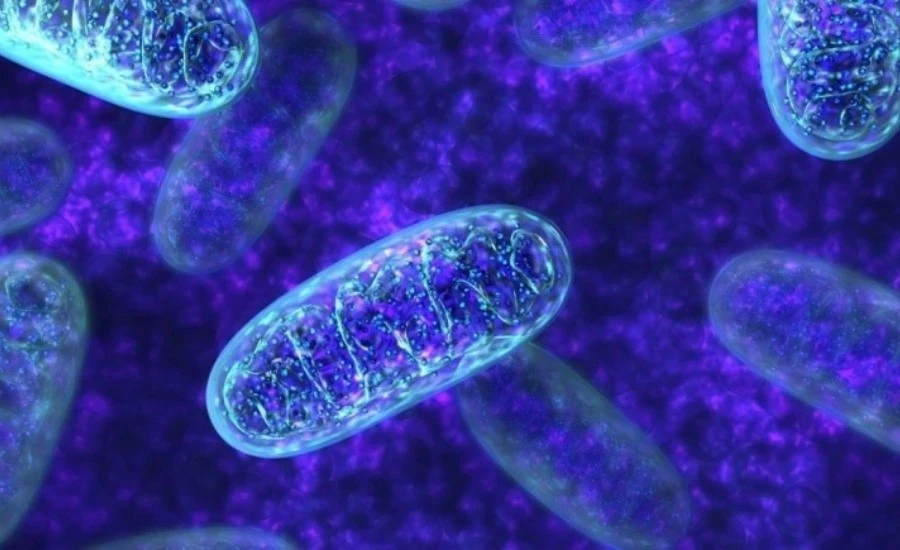
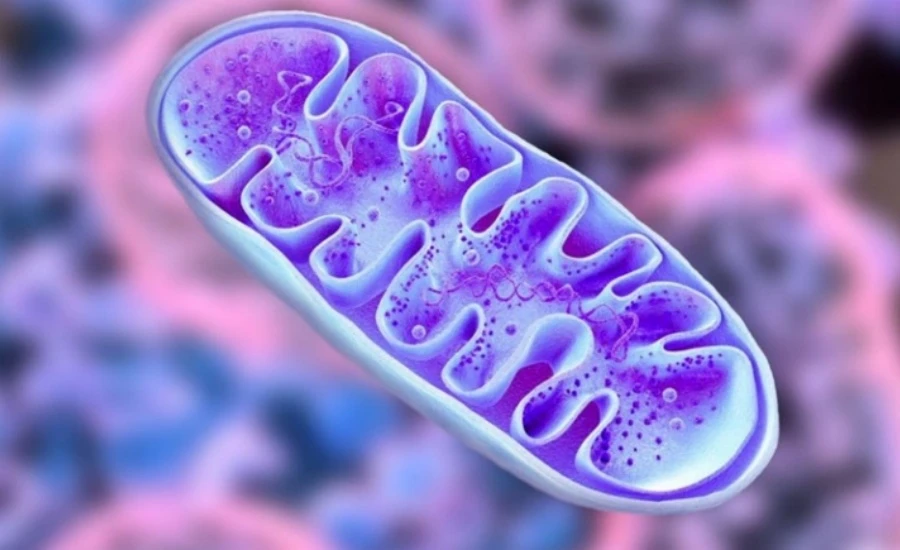
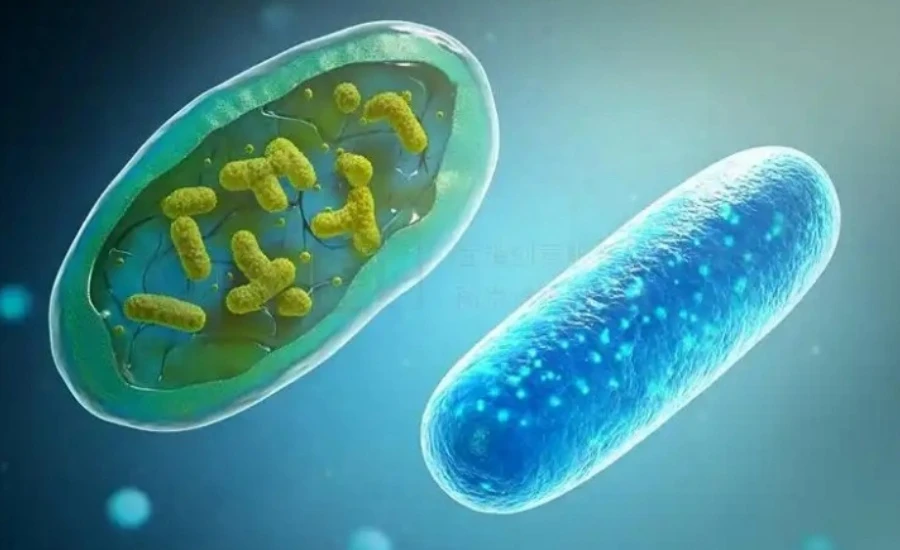
The alteration in metabolism is how mitochondria act in adipocytes. These cell powerhouses which facilitate oxidative phosphorylation increase the quantity of NAD+. "There's more mitochondrial activity, so you burn more fatty acids. This implies adipocytes burn more stored triglycerides for energy rather than storing them. The most notable biochemical alteration in adipocytes exposed to 5 amino 1mq peptide is that the cells are using energy in a totally different manner.
5 Amino 1MQ Peptide and Cellular Fat Storage

The Differentiation Process in Adipocytes
Before they can store fat in adipose tissue, pre-adipocytes need to grow into lipid-rich adipocytes. This process is called adipogenesis, and it involves controlling the activity of transcription factors like PPARγ and C/EBPα. NNMT levels slowly rise during normal adipogenesis, which helps make metabolic conditions good for storing fat. The peptide helps the cell grow by keeping the amount of NAD+ high. This starts SIRT1 and then stops the work of adipogenic transcription factors.
Researchers have found that giving cells the 5 amino 1mq peptide greatly lowers the production of markers that show the growth of adipocytes. Less lipid droplets and lower levels of triglycerides are made by preadipocytes that are grown in differentiation media with the peptide. In this chemical process, SIRT1 deacetylates PPARγ, which lowers its transcriptional activity and stops adipocytes from fully developing. This change made during the differentiation stage shows how cells can change how much fat they can store as they grow.
Lipogenesis and Lipolysis Balance
To keep two processes that are at odds with each other in check, adult adipocytes are always lipogenesis (making fat) and lipolysis (breaking down fat). This balance is skewed toward too much lipogenesis in metabolic dysregulation, which makes fat build up over time. The peptide changes both sides of this equation. Gene expression studies show that fatty acid synthase (FAS) and acetyl-CoA carboxylase (ACC), enzymes that help turn carbs in food into new fatty acids, are slowed down in adipocytes that have been treated.
The five amino 1mq peptide makes lipolytic enzymes like adipose triglyceride lipase (ATGL) and hormone-sensitive lipase (HSL) work better. The body stores triglycerides. They are broken down by enzymes into glycerol and free fatty acids that other cells can use. These two things work together to change the metabolism so that it burns fat more often than stores it. Animal studies have shown that giving peptides for a long time reduces the size of adipocytes and the overall number of fat pads. It can be seen that the changes at the molecular level have an impact on how cells store fat.

Triglyceride Accumulation Patterns
When you change how triglycerides build up in adipocytes, your body stores fat in different ways. Cells that have been treated with the peptide have fewer and smaller lipid droplets than cells that have not been treated. This drop is because fewer triglycerides are being made and more of them are being broken down. Because of this, the structure of the cells in adipocytes changes. These cells don't get swollen and stretched like adult fat cells do; instead, they keep their more compact shape.

How Does 5 Amino 1MQ Peptide Affect Adipocyte Energy Use?
Mitochondrial Oxidative Capacity
Mitochondria work to turn fatty acids into ATP through beta-oxidation, which is the main way that brown fat cells use energy.
The peptide changes the amount of NAD+ in the cell, which in turn changes the mitochondria's ability to make oxygen. Electrons move along the electron transport chain with the help of NAD+.
More NAD+ speeds up the process of making ATP. It has been found that adipocytes that are exposed to the 5 amino 1mq peptide use more oxygen. This shows that the mitochondria are very active.
It takes adipocytes less time to turn stored fat into energy because they are better at using oxygen. The cells switch between a state where they store energy and one where they use it.
They checked the rates of fatty acid oxidation in adipocytes that had been treated. The results show that more long-chain fatty acids are being broken down. Also, the markers for mitochondrial biogenesis are turned up.
This means that cells may make more mitochondria to meet their higher energy needs, but this needs to be studied further.
Thermogenic Potential and Energy Dissipation
You can find dark and beige adipocytes that can do more than just make ATP. They can make heat too. The cells listed below make uncoupling protein 1 (UCP1). It doesn't catch the proton difference as ATP, but instead spreads it across the mitochondrial membranes as heat. The 5 amino 1mq peptide blocks NNMT, which is what mostly changes biochemical pathways.
NAD+ and SIRT1 activity go up because of this, which could change how thermogenic genes are controlled.
A study that looked at how white adipocytes turn brown found that changes in metabolism that raise NAD+ levels can make thermogenic markers more likely to be activated. When the peptide is added to adipocytes, some genes that are involved in thermogenesis become a little more active.

How big the growth is based on the type of cell and how it is grown. Because it makes heat, this metabolic potential helps the body use energy. This is energy that doesn't get kept as fat. It's still being looked into what this result means for the health of whole animals.
Substrate Preference and Metabolic Flexibility
It is possible for a cell to switch between different fuel sources. This is known as metabolic flexibility.
When adipocytes are healthy, they can easily switch between burning fat and glucose. When this fails, cells can't burn stored fats properly, which is called metabolic failure. The peptide seems to make some metabolic pathways more flexible by improving pathways that depend on NAD+ and decide which substrates to use.
Adipocytes that were given the 5 amino 1mq peptide were better able to burn fat in the lab, even when glucose was present. This means the metabolism is more adaptable,
letting cells use fat stores for energy no matter what nutrients are in the blood. For each cell, SIRT1 manages PGC-1α, an important protein that helps make mitochondria and breaks down substrates. By making sure SIRT1 signaling stays active, the peptide helps keep the metabolic flexibility that keeps adipocytes healthy.

5 Amino 1MQ Peptide, NNMT, and Metabolic Cofactors
NAD+ Metabolism and Cellular Function
The cofactor NAD+ is very important for cell metabolism; it works with over 300 enzymes to do different things. Nicotinamide is a part of NAD+. NNMT adds a methyl group to it to make 1-methylnicotinamide. This methylation stops nicotinamide from being used by cells to keep NAD+ levels fixed during the healing process. NAD+ levels drop when NNMT activity is high in adipocytes. This has an effect on many processes that need NAD+.
By stopping the NNMT enzyme from working, adding the 5 amino 1mq peptide stops this loss. There is more of this precursor that can be turned back into NAD+ by the salvage pathway enzyme NAMPT if NNMT can't methylate it. So, the amount of NAD+ in the cell rises, which makes enzymes that depend on NAD+ work properly again all over the cell. This healing process affects more than just SIRT1. It also affects other sirtuins, enzymes called PARP that help fix DNA, and a lot of metabolic dehydrogenases.

Methylation Reactions and Metabolite Balance
It changes the balance of methylation in cells by creating 1-methylnicotinamide and using up S-adenosylmethionine (SAM), which is a methyl source that can be used by all cells. The NNMT changes SAM into S-adenosylhomocysteine (SAH) in each reaction. This changes the amount of SAM to SAH, which figures out how methylation processes happen all over the cell. By stopping NNMT, the peptide helps keep the balance of methylation. Through epigenetic processes, this could change how genes are expressed. When 1-methylnicotinamide builds up in the body, it has effects on cells. It sends signals and may change inflammation and the way blood vessels work. When production of 1-methylnicotinamide drops, so does the activity of NNMT. This might help explain why treating fat tissue with 5 amino 1mq peptide went down inflammation. NNMT suppression changes a complicated metabolic web as shown by the links between NAD+ metabolism and methylation processes.
Sirtuin Activation and Metabolic Regulation
SIRT1 is an example of a regulatory protein that works with NAD+ and responds to changes in the cofactors that are available. It's called SIRT1 and it uses up NAD+ to remove acetyl groups from proteins that it targets. This changes how they work and how stable they are. In adipocytes, SIRT1 changes the acetyl group on transcription factors, coactivators, and metabolic enzymes. This changes how cells work in a big way. The peptide directly raises NAD+ levels, which makes SIRT1 work better and make its regulatory effects greater.
When SIRT1 is turned on, it deacetylates PGC-1α. This makes it better at helping mitochondria form and burning fat. Another thing it does is deacetylate FOXO transcription factors. This changes how metabolic genes are produced and how resistant cells are to stress. PPARγ is less able to make fat cells when SIRT1 deacetylates it. This is why it stops fat cells from changing into something else. When NNMT is blocked, it can change metabolism in a way that can lead to big changes in regulation that are controlled by enzymes that need cofactors.

From Molecular Targets to Adipocyte Function With 5 Amino 1MQ Peptide
Translating Biochemical Changes to Cellular Phenotype
There are changes in the way adipocytes look that show how the 5 amino 1mq peptide works at the molecular level. After the peptide is added to cells, they store less fat, are smaller, and secrete stuff in different ways. Some molecules work together to make these changes in phenotype happen. They begin when NNMT is blocked. SIRT1 starts working when the amount of NAD+ goes up. Then, SIRT1 changes the way transcription factors work, which changes the way genes are expressed and ultimately how cells work.
The number of adipokines that adipocytes send into the body can also be changed. Adipokines are chemicals that let different cells talk to each other. Cells that have been treated release fewer pro-inflammatory adipokines like TNF-α and IL-6.
On the other hand, they release the same amount or more of useful adipokines like adiponectin. This new release profile makes it easier for fatty tissue and peripheral organs to talk about metabolism.
This could have an impact on the body's ability to use insulin and its overall metabolic health.
Inflammatory Modulation in Adipocytes
When adipose tissue doesn't work right, it has chronic low-grade inflammation. This is because immune cells get into the tissue and send inflammatory messages to the adipocytes. In fat tissue, NNMT expression is linked to markers of inflammation, and stopping it lowers signs of inflammation. Inflammatory genes are turned on and off by NF-κB, which is lowered by the peptide treatment. SIRT1 does this by taking away a molecule from NF-κB proteins.
The 5 amino 1mq peptide also helps the body make certain lipid molecules that aid in settlement, like palmitic acid hydroxystearic acids (PAHSAs). These healthy fats can help insulin work better and lessen inflammation. The peptide changes both the production of pro-inflammatory mediators and the signaling pathways that cause inflammation. This helps restore a healthier balance of inflammation in adipocytes.

Inflammation can be reduced, which is an important way that molecular targets lead to functional effects.
Integration Into Systemic Metabolism
5 amino 1mq peptide treatment may improve systemic metabolism by altering adipocyte function, reducing fat storage and excessive free-fatty-acid release. Increased fatty-acid oxidation may reduce lipid stress in the liver and muscles, while improved adipocyte insulin responsiveness supports glucose balance and controlled lipolysis. Animal studies report improvements in body weight, adiposity, insulin sensitivity, and liver fat.

Conclusion
There are a lot of complicated links between stopping enzymes, having enough cofactors on hand, and metabolic action in the 5 amino 1mq peptide and the metabolism of adipocyte cells. This small-molecule peptide blocks NNMT and raises NAD+ levels. It also starts a chain of metabolic changes in adipocytes by turning on SIRT1 signals. Since these changes have happened, the body has less inflammation, burns more energy, and stores less fat. To learn more about metabolism and maybe even make new medicines, it's important to understand how these cell processes work. Its results show that focusing on a single enzyme can lead to changes that are coordinated across several biochemical pathways. This helps us see how adipocytes work and how metabolism is managed at the molecular level.
Frequently Asked Questions
1.How does 5 amino 1mq peptide specifically target adipocytes?
-
The peptide doesn't just target adipocytes; it stops the NNMT enzyme from doing its job everyplace it is found. As it turns out, adipocytes have a lot of NNMT when they are dividing or when their metabolism isn't working right. By stopping NNMT, this means that they can be changed. Adipocytes can't make NNMT work when the peptide gets inside them. This makes more NAD+ and starts processes that decide how fat is burned. Adipose tissue is the part that is most affected because it makes a lot of NNMT and stores a lot of energy.
2.What is the connection between NAD+ levels and adipocyte metabolism?
-
An important part of many enzymes that control how cells use energy is NAD+. Adipocytes use sirtuins, especially SIRT1, to do their jobs. The amount of NAD+ dictates how they work. SIRT1 controls the body's ability to store fat, burn calories, and react to inflammation. Higher numbers of NAD+ make mitochondria work better, which speeds up the process of making ATP and burning fat. A huge number of oxidation-reduction reactions are also needed to break down nutrients, and NAD+ is a part of them. NNMT's methylation activity drops NAD+ levels, which hurts these metabolic processes. This makes it easier for fat to build up and for metabolic failure to get worse.
3.Can 5 amino 1mq peptide affect different types of adipocytes differently?
-
Different types of adipocytes, such as white, brown, and yellow ones, have different metabolic profiles and may respond to NNMT reduction in slightly different ways. When white adipocytes get a strong signal, they become less differentiated and break down fat more quickly. There are a lot of mitochondria in brown adipocytes, and they are very good at thermogenesis. And the peptide might help them do it even better. Beige adipocytes are an intermediate type that can be made in white adipose depots. Because it works with NAD+-SIRT1-PGC-1α, the peptide may speed up the browning process. All types of adipocytes go through the same basic process. The size and results of the process change for each type of cell, though.
Partner With a Trusted 5 Amino 1MQ Peptide Supplier
It's not enough to know about the science behind adipocyte metabolism and 5 amino 1mq peptide. To study or build with this information in the real world, you need to be able to get good chemicals from a reliable source. Kpeptide is a reliable source for 5 amino 1mq peptides. For more than 12 years, they have been making chemical compounds and compounds used in pharmaceuticals. These buildings are 100,000 square meters and are GMP-certified. The US FDA, the PMDA, the MFDS, and other foreign regulatory bodies have checked them out carefully.
24 of the biggest pharmaceutical and biotechnology companies in the world come to us for research-grade peptides that are more than 98% pure, full analytical paperwork that includes HPLC and MS data, and full legal support. We check the quality of our work three times: in the plant, by our own QA/QC team, and by third-party Chinese agencies that are known for their quality control. You can get Kpeptide at a fair price with clear cost structures. They also offer a variety of flexible packaging options for both study and bulk production, as well as reliable cold-chain shipping to keep the product's quality.

Whether you're doing a metabolic study, coming up with new recipes, or improving output, our professional team can help you with everything. We communicate clearly and know a lot about technology. The chemicals we sell are more than 250,000, so it's easy to find what you need. Send us an email at sales@kpeptide.com if you have any questions about the 5 amino 1mq peptide's specs, price, regulatory paperwork, or custom synthesis services. When it comes to metabolic study projects, Kpeptide has the best products, service, and expert help.
References
1. Kraus D, Yang Q, Kong D, et al. Nicotinamide N-methyltransferase knockdown protects against diet-induced obesity. Nature. 2014;508(7495):258-262.
2. Komatsu M, Kanda T, Urai H, et al. NNMT activation can contribute to the development of fatty liver disease by modulating the NAD+ metabolism. Scientific Reports. 2018;8:8637.
3. Campagna R, Mateuszuk L, Wojnar-Lason K, et al. Nicotinamide N-methyltransferase in endothelium protects against oxidant stress-induced endothelial injury. Biochimica et Biophysica Acta Molecular Cell Research. 2021;1868(1):118878.
4. Pointner A, Stadlmann S, Wittersberger I, et al. NNMT promotes epigenetic remodeling in cancer by creating a metabolic methylation sink. Nature Chemical Biology. 2020;16(8):725-735.
5. Roberti A, Fernández AF, Fraga MF. Nicotinamide N-methyltransferase: At the crossroads between cellular metabolism and epigenetic regulation. Molecular Metabolism. 2021;45:101165.
6. Ulanovskaya OA, Zuhl AM, Cravatt BF. NNMT promotes epigenetic remodeling in cancer by creating a metabolic methylation sink. Nature Chemical Biology. 2013;9(5):300-306.


