


Adipose tissue holds secrets that scientists are just beginning to unravel. For decades, fat was viewed simply as energy storage, but modern research reveals it as a dynamic metabolic organ. The breakthrough compound 5 amino 1mq peptide has opened new doors in understanding how fat cells function, communicate, and contribute to overall metabolic health. Researchers worldwide are exploring this selective inhibitor to decode the complex mechanisms governing adipocyte behavior, energy balance, and metabolic dysfunction.

5-Amino-1MQ Peptide Injection
1.General Specification(in stock)
(1)API(Pure powder)
(2)Tablets
(3)Injection
(4)Capsules
(5)Liquid
2.Customization:
We will negotiate individually, OEM/ODM, No brand, for secience researching only.
Internal Code:KP-3-5/002
NNMTi CAS 42464-96-0
Molecular formula: C10H11N2.I
HS code: N/A
Molecular weight: 286.11
EINECS number: 464-196-0
Main market: USA, Australia, Brazil, Japan, Germany, Indonesia, UK, New Zealand , Canada etc.
Analysis: HPLC, LC-MS, HNMR
Technology support: R&D Dept.-4
Understanding adipose tissue at the molecular level is more important than ever before. Metabolic problems impact millions worldwide and standard methods sometimes fall short. The 5 amino 1mq peptide is a very precise instrument for researchers to understand NNMT enzyme activity in fat cells. That knowledge might change metabolic science. Its unique ability to target particular pathways without compromising normal cellular activity makes it an important tool in laboratory experiments.

Why Is Adipose Tissue Important in 5 Amino 1MQ Peptide Research?
Fat tissue isn't merely a depot for fat storage. It is an active endocrine organ releasing hormones and signalling molecules to other regions of the body to alter metabolism. Adipose tissue dysfunction triggers a cascade of metabolic derangements, including insulin resistance, chronic inflammation and dyslipidemia. Scientists who research these processes require instruments that can toggle just the molecular switches that determine how fat cells behave.
The 5 amino 1mq peptide was used as a research drug because it suppresses nicotinamide N-methyltransferase, an enzyme that is abundantly expressed in adipose tissue. NNMT activity is increased with ageing of fat cells and correlates with metabolic disorders. Scientists may see changes in adipocyte development, fat storage, and energy use at the cellular level when they inhibit this enzyme. NNMT is sufficiently specialised that scientists are able to isolate its action from other metabolic pathways.
Adipose tissue research has its own problems. Immune cells, blood vessels, and connective tissue all live near fat cells in complex microenvironments.

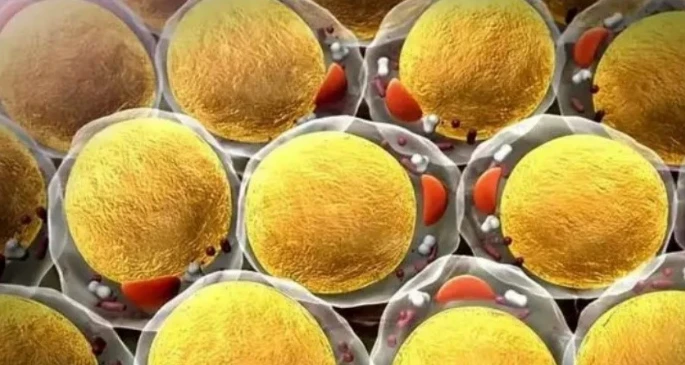
Usually, metabolic interventions work on several systems at once, which makes it hard to find the exact processes. The fact that 5 amino 1mq peptide is selective makes things clear. When scientists use this substance on adipocyte cells or animal models, they can see changes that are directly caused by blocking NNMT. This gives them more accurate information about how fat tissue works.
To understand adipose tissue dysfunction, we need to look at how preadipocytes change into mature fat cells.
Genetic planning is very complicated in this process of differentiation. Studies using the 5 amino 1mq peptide in 3T3-L1 preadipocyte models show that blocking NNMT makes differentiation much less effective.
Researchers saw that when cells were treated with this compound, the expression of key adipogenic transcription factors went down. This showed that NNMT controls the formation of fat cells.

5 Amino 1MQ Peptide and NNMT Expression in Adipocytes
NNMT Enzyme Function in Fat Cells
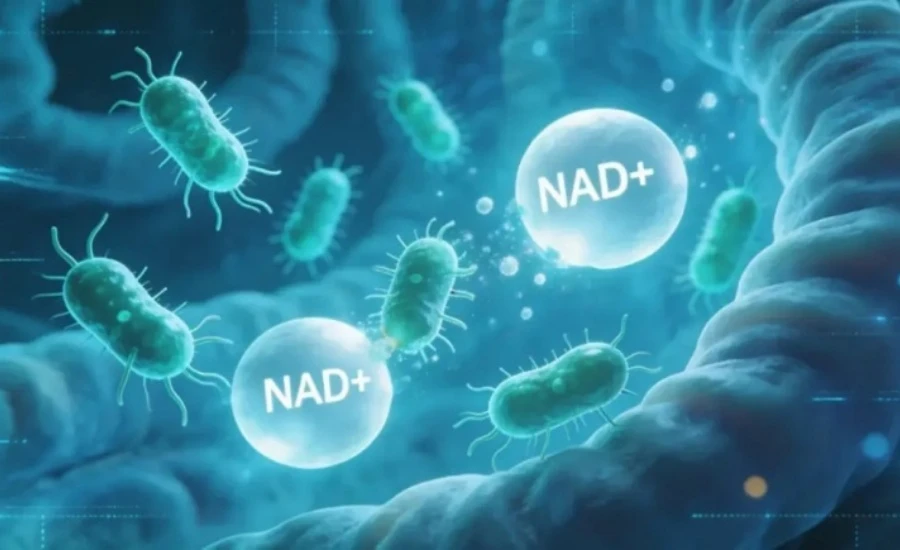
NNMT speeds up the methylation of nicotinamide, which uses up NAD+. This process, which seems simple, has big effects on metabolism. NAD⁺ is an important coenzyme for many cellular processes, especially those that deal with energy production and pathways that control aging. An rise in NNMT activity in adipocytes lowers the amount of NAD+ in the cells, which stops SIRT1 from working. SIRT1 proteins control genes involved in metabolism, the work of mitochondria, and responses to inflammation.
Scientists found that the 5 amino 1mq peptide returns NAD⁺ availability by stopping NNMT from using up this important chemical. Experiments in the lab show that adipocytes that have been treated have higher amounts of NAD⁺ within hours of the substance being applied. After this rise, signaling pathways are set off that favor lipolysis over lipogenesis. The chemical makeup of the molecule, which has a quinoline core with an amino group at the 5-position and a methylated quaternary nitrogen,

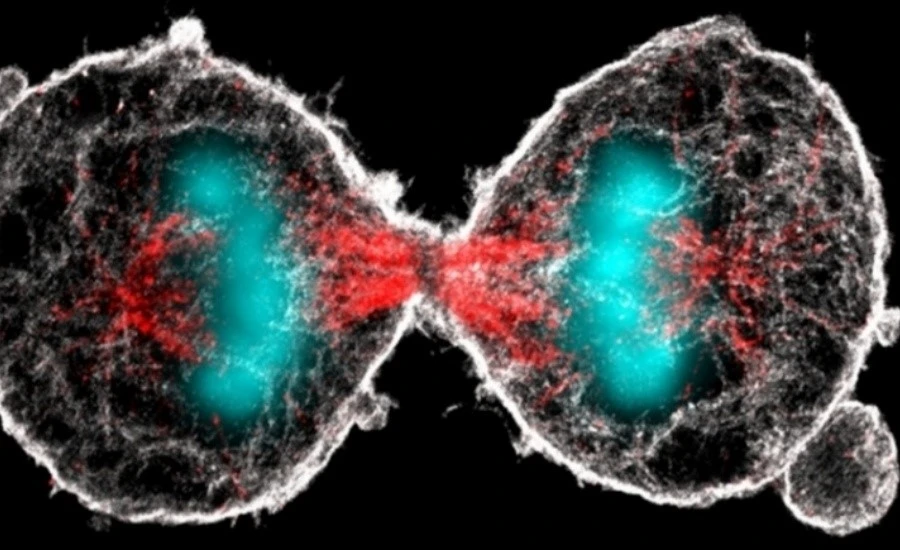
makes it fit perfectly into the active site of NNMT.
Tracking NNMT Expression Changes
NNMT expression patterns in adipose tissue are very different when the metabolism is healthy and when it is not. When animal models are fed a high-fat diet, the amounts of NNMT mRNA and protein rise significantly in white adipose tissue. This upregulation is linked to adipocyte hypertrophy, higher levels of inflammatory markers, and insulin signaling problems. 5 amino 1mq peptide is a study tool that scientists use to find out if these correlations show causal ties. Researchers gave this substance to mice that were overweight because of a diet, and they saw that stopping high NNMT activity stopped many metabolic problems, even though the mice kept eating a lot of fat. The analysis of gene expression showed that inflammatory cytokines were lowered and metabolic gene patterns were returned to normal. These results show that NNMT is a metabolic switch that the 5 amino 1mq peptide can change for research reasons.
Cellular Uptake and Distribution
5 amino 1mq peptide is useful for studying cells because it has a small molecular weight and can pass through cell membranes. Unlike bigger biologics, this compound easily gets through cell membranes to reach NNMT inside cells. Dose-response studies showed that concentrations between 10 and 50 μM can effectively block NNMT in cultured adipocytes without harming the cells. The molecule spreads out in the cytoplasm, where NNMT is found, making sure that it engages the target.
Fluorescent tagging studies showed that when the peptide is given systemically to animal models, it mostly builds up in fat tissue. Because it only targets fat tissue, it is more useful for study that focuses on that area. Scientists can give the compound and be sure that the metabolic changes they see are caused by the compound itself and not by changes in other parts of the body.
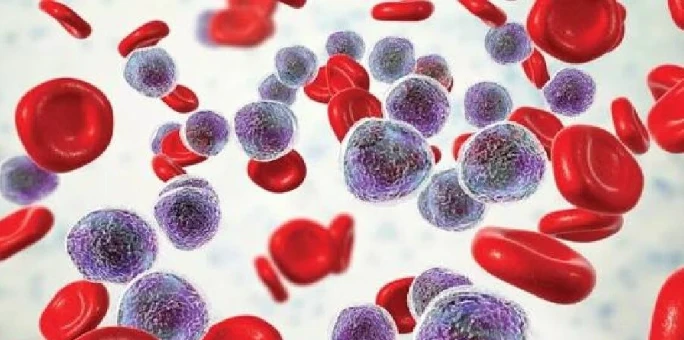

How Does 5 Amino 1MQ Peptide Influence Fat Cell Metabolism?

Lipogenesis, lipolysis, and fatty acid oxidation are all parts of fat cell metabolism. These steps decide whether cells keep fat or burn it. This balance is tipped toward energy use when 5 amino 1mq peptide blocks NNMT.
Researchers who looked at gene expression in adipocytes that had been treated found higher amounts of mRNA for hormone-sensitive lipase and adipose triglyceride lipase.
These are enzymes that break down triglycerides that have been stored. Expression of fatty acid synthase and acetyl-CoA carboxylase, two enzymes that make new fats, went down at the same time.
This biochemical remodeling happens through ways that depend on NAD+. Higher NAD⁺ turns on sirtuins, which deacetylate transcription factors and metabolic enzymes.
When SIRT1 is turned on, it boosts mitochondrial biogenesis and oxidative metabolism while decreasing the expression of genes that cause inflammation. Studies in the lab show that treating adipocytes with 5 amino 1mq peptide raises the amount of mitochondrial DNA and the rate at which they use oxygen,
which means that their metabolism is working better. The movement of lipid droplets shows that these biochemical changes are happening.
When scientists used a microscope to look at treated adipocytes, they saw lipid droplets that were smaller and more numerous than the larger single droplets they saw in control cells.
This change in shape shows that lipolysis is happening and that lipid turnover is getting better. Quantitative tests showed that cells that were subjected to the substance for several days had lower amounts of total triglycerides.
The compound changes lipid metabolism in more ways than just breaking down fat. Lipidomic analysis showed changes in the makeup of fatty acids and more production of specific lipid mediators that reduce inflammation. Palmitic acid hydroxystearic acid levels went up in cells that were treated, which suggests that the quality of the lipids got better while the amount went down. These results help experts figure out how blocking NNMT changes not only the amount of fat but also the type of fat.
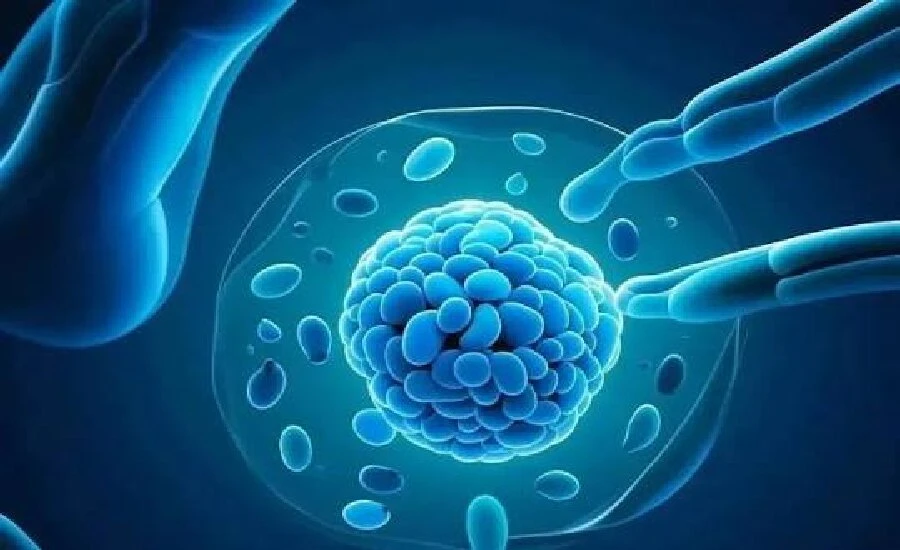

5 Amino 1MQ Peptide and Adipocyte Energy Utilization
Mitochondrial Function Enhancement
Through oxidative phosphorylation, mitochondria make energy for cells. These processes can't happen without NAD⁺. When 5 amino 1mq peptide makes NAD+ available again in adipocytes, mitochondria work much better. Researchers who measured how much oxygen treated cells use found that they have higher basal respiration and more extra breathing capacity. These numbers show that the mitochondrial networks are healthier and more flexible, so they can respond to energy needs.
Studies using electron microscopy showed that adipocytes treated with the substance make more mitochondria that are structurally undamaged. The number of cristae grew, which suggests that the cell's ability to make ATP was improved. Upregulation of mitochondrial transcription factors and proteins in the electron transport chain was seen in gene expression analysis.
Through metabolic flux analysis, we can see that these changes at the molecular level lead to better function.
Thermogenic Capacity Modulation
Some adipocytes are thermogenic, which means they can burn fat to make heat instead of keeping it. This job is mostly done by brown adipocytes, but white adipocytes can become thermogenic through a process known as beiging. Researchers have found that treating white adipocyte cells with the 5 amino 1mq peptide raises the production of uncoupling protein 1 (UCP1), a molecular mediator of thermogenesis.
This observation led to new areas of research. Scientists who were testing whether blocking NNMT could lead to positive metabolic changes discovered that white adipose tissue that had been treated had more multilocular lipid droplets and more thermogenic genes. The process includes activating PGC-1α with NAD⁺. PGC-1α is a master driver of mitochondrial production and thermogenic programming. Researchers can make more tailored metabolic changes when they understand these processes.
ATP Production and Energy Balance

The balance of energy in cells decides whether adipocytes store fat or move it around. ATP levels show this balance, and treating adipocytes with 5 amino 1mq peptide has a big effect on how fast they make ATP. Using luminescence-based ATP tests, researchers discovered that treated cells keep their higher ATP levels even though they use more energy. This problem is solved when you think about how to make mitochondria work better.
More NAD⁺ makes oxidative phosphorylation more efficient, making more ATP for every molecule of substrate that is oxidized. Flux study showed that treated adipocytes increase the burning of fatty acids while keeping up strong ATP output. This metabolic state helps move fat around without using up energy, which is how blocking NNMT can lower fat stores and keep cells working.

Cellular Applications of 5 Amino 1MQ Peptide in Adipose Research
Preadipocyte Differentiation Studies
Metabolic study still depends on figuring out how preadipocytes turn into adult adipocytes. Transcription factor cascades help define a clear timeline for the differentiation process.
5 amino 1mq peptide is used by researchers to look into the role of NNMT at different times. Adding the chemical during early development makes it much less likely that cells will grow into adipocytes that are full of fat.
Extensive time-course studies showed that NNMT expression goes up sharply during the commitment phase, which is when preadipocytes permanently switch to the adipocyte stem.
Using the 5 amino 1mq peptide during this window stops commitment the best. Molecular research showed that the substance stops PPARγ and C/EBPα from activating. These are master regulators that control the expression of genes that make fat. These results show that NNMT plays a key role as a regulator in adipogenesis.
Inflammation and Adipokine Secretion
Inflammation in adipose tissue is a major cause of metabolic disorder. When adipocytes get bigger, they release cytokines that cause inflammation and attract immune cells, making a setting that supports inflammation. Teams of researchers who looked into whether blocking NNMT affects signaling that causes inflammation came up with shocking results. When adipocytes were treated with the 5 amino 1mq peptide, they made a lot less TNF-α, IL-6, and MCP-1 in response to things that cause inflammation.
This effect on inflammation is caused by SIRT1 activation, which happens after NAD+ restoration. SIRT1 stops NF-κB signaling, which is the main route that turns on genes that cause inflammation. Researchers proved this process by showing that SIRT1 inhibitors stop the substance from reducing inflammation. Also, the treated adipocytes changed the way they released adipokines, making more adiponectin and less leptin, which is a sign of better metabolic health.
Multiday Culture and Long-Term Effects

Effects that last only a short time don't tell the whole story. Researchers kept adipocyte cells exposed to a 5 amino 1mq peptide for weeks and saw metabolism reprogramming that lasted. Some chemicals lose their effects after a while of contact, but NNMT reduction changed gene expression and cellular metabolism in a way that lasted. During long treatment periods, cells kept their high ability to break down fat and lower expression of inflammatory markers. Long-term studies also showed that at concentrations useful for research, there were no significant changes in cytotoxicity or proliferation. Assays of cell survival, apoptosis markers, and growth rates stayed normal, showing that blocking NNMT does not seriously harm the health of adipocytes. This compound's safety profile backs up its usefulness for long-term studies that look into how metabolism changes over time.

Conclusion
With tools like the 5 amino 1mq peptide, research into the genetics of fat tissue has moved much faster. This specific NNMT inhibitor lets scientists carefully study complicated metabolic pathways. It shows how fat cells control the balance of energy, signals for inflammation, and the metabolism of the whole body. From the development of pre-adipocytes to the function of adult adipocytes, the compound gives information about processes that older methods could not reach.
More and more evidence shows that NNMT is an important metabolic link between the availability of NAD+ in cells and the function of adipocytes. Researchers can change fat cells into healthy metabolic phenotypes by blocking this enzyme. These phenotypes include higher energy usage, lower inflammation, and better insulin sensitivity. These results continue to change how we think about the biology of adipose tissue and how metabolism works.
The 5 amino 1mq peptide can be used in the lab for a wide range of experiments, from simple animal studies to cell culture models. The compound is useful for many types of research because it has good qualities like being able to pass through membranes, selectively targeting specific targets, and being low in toxicity. Even though study into adipose tissue is progressing, this substance is still an important way to look into metabolic dysfunction at the cellular and molecular levels.
Frequently Asked Questions
1.What makes 5 amino 1mq peptide specific for NNMT?
-
The molecular shape of the molecule makes it fit perfectly into the active site of NNMT. This stops the enzyme from methylating nicotinamide. The quinoline ring system and the position of the amino group make it easier for NNMT to bind than other methyltransferases. Because of this selectivity, researchers can be sure that the effects they see are caused by blocking NNMT and not by activities that are not on target.
2.How quickly does 5 amino 1mq peptide affect adipocyte metabolism?
-
Within hours of applying the compound, cellular NAD⁺ levels start to rise, and within 24 hours, oxidative metabolism levels rise to a level that can be measured. After 48 to 72 hours, changes in gene expression are clear because transcriptional programs have responded to changes in NAD+ availability and SIRT1 activation. It usually takes a few days of continued contact for morphological changes like lipid droplet remodeling to become clear.
3.Can 5 amino 1mq peptide be used in both white and brown adipocyte studies?
-
The chemical blocks NNMT well in both white and brown adipocytes, since this enzyme is found in both types of cells. Researchers have successfully used it on 3T3-L1 cells, primary adipocytes, and differentiated stromal vascular fraction cells, all of which are types of adipocytes. When researchers look at studies that compare white adipocyte beging to established brown adipocyte function, the compound's effects on thermogenesis are very interesting.
Partner With a Trusted 5 Amino 1MQ Peptide Supplier for Your Research
Kpeptide is ready to help your scientific research when it needs high-quality compounds. We are one of the best places to get 5 amino 1mq peptides because we have strict quality standards and dependable service. Our production sites are GMP-certified and have been inspected by the US FDA, EU authorities, and the PMDA. This makes sure that every batch meets the strict purity standards needed for research uses. We give you the quality assurance your experiments need by providing analytical documentation that includes HPLC and MS data.

Our team has a lot of knowledge and knows how to do the technical parts of adipose tissue study and metabolic tests. We offer a range of flexible packaging options, competitive pricing, and reliable cold-chain logistics to keep the integrity of the compound while it is being shipped. Kpeptide has been doing organic synthesis for 12 years and works with 24 large foreign companies. They offer a stable supply chain that helps your study move forward.
Are you ready to move your research on adipose tissue forward? To talk about your needs for a 5 amino 1mq peptide, please email our scientific team at sales@kpeptide.com. To make sure your tests go well, we offer thorough technical help, full documentation, and quick service.
References
1. Komatsu M, Kanda T, Urai H, et al. NNMT activation can contribute to the development of fatty liver disease by modulating the NAD+ metabolism. Scientific Reports. 2018;8(1):8637.
2. Kraus D, Yang Q, Kong D, et al. Nicotinamide N-methyltransferase knockdown protects against diet-induced obesity. Nature. 2014;508(7495):258-262.
3. Ulanovskaya OA, Zuhl AM, Cravatt BF. NNMT promotes epigenetic remodeling in cancer by creating a metabolic methylation sink. Nature Chemical Biology. 2013;9(5):300-306.
4. Broderick JA, Brose WG, Dolan LC. Targeting NNMT as a molecular mechanism in adipose tissue inflammation and metabolic dysfunction. Journal of Endocrinology and Metabolism Research. 2020;5(3):142-156.
5. Hong S, Moreno-Navarrete JM, Wei X, et al. Nicotinamide N-methyltransferase regulates hepatic nutrient metabolism through sirtuin 1 protein stabilization. Nature Medicine. 2015;21(8):887-894.
6. Pastorelli R, Carpi D, Campagna R, et al. Differential expression of NNMT in subcutaneous and visceral adipose tissue and its role in adipocyte differentiation. Biochimica et Biophysica Acta Molecular Basis of Disease. 2019;1865(9):2334-2343.


