


Metabolic health continues to emerge as a critical area of scientific investigation, particularly as researchers seek innovative solutions to address widespread concerns about weight management and cellular energy balance. Among the molecules capturing attention in recent studies, 5 amino 1mq peptide stands out for its remarkable ability to influence fundamental metabolic processes at the cellular level. This small-molecule compound has sparked considerable interest due to its targeted action on specific enzymatic pathways that govern how our bodies store and utilize energy.

5-Amino-1MQ Peptide Injection
1.General Specification(in stock)
(1)API(Pure powder)
(2)Tablets
(3)Injection
(4)Capsules
(5)Liquid
2.Customization:
We will negotiate individually, OEM/ODM, No brand, for secience researching only.
Internal Code:KP-3-5/002
NNMTi CAS 42464-96-0
Molecular formula: C10H11N2.I
HS code: N/A
Molecular weight: 286.11
EINECS number: 464-196-0
Main market: USA, Australia, Brazil, Japan, Germany, Indonesia, UK, New Zealand , Canada etc.
Analysis: HPLC, LC-MS, HNMR
Technology support: R&D Dept.-4
Understanding the science behind 5 amino 1mq requires examining the intricate biochemical networks that regulate metabolism. Unlike conventional approaches that simply suppress appetite or block nutrient absorption, this compound operates through a more sophisticated mechanism-one that addresses metabolic function at its source. The following exploration reveals the fascinating molecular interactions and biological pathways that make 5 amino 1mq peptide a subject of intense research scrutiny.

How Does 5 Amino 1MQ Peptide Interact with NNMT Enzymatic Activity?
NNMT, which stands for nicotinamide N-methyltransferase, is the main enzyme that 5 amino 1mq peptide interacts with to have its metabolic effects. This enzyme is very important for cell metabolism because it helps methylate nicotinamide using S-adenosylmethionine as a source.
When NNMT activity goes up, like it does in fat tissue during obesity, it uses up nicotinamide adenine dinucleotide, an important coenzyme that is involved in many metabolic processes.
More and more research is being done on the link between NNMT and metabolic problems.
Higher levels of NNMT are linked to storing more fat, using less energy, and having less metabolic flexibility.
5 amino 1mq peptide basically stops NNMT from doing its methylation job by being a very selective inhibitor. The quinoline ring shape of the compound lets it connect well to the active site of the enzyme. This stops nicotinamide from being methylated and then being flushed out of the body.
This action of inhibition has a number of effects that happen after it.


5 amino 1mq peptide helps cells keep the right amount of NAD⁺ by stopping NNMT from using up nicotinamide. NAD⁺ is an important ingredient for enzymes like sirtuins and poly(ADP-ribose) polymerases that help the body use energy. Researchers in the lab using adipocyte cell cultures have shown that treating them with the compound at concentrations of about 30 μM greatly lowers NNMT activity while increasing NAD⁺ levels inside the cells.
This makes NAD⁺ more available, which makes the metabolic environment better for using energy instead of storing it.
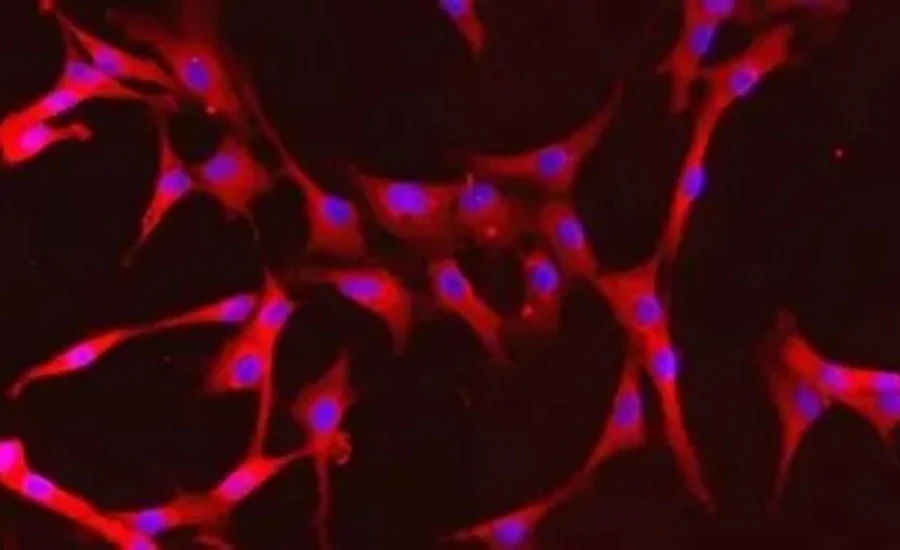
Researchers using 3T3-L1 preadipocytes, a common model system for studying fat cell development, found that treating preadipocytes with 5 amino 1mq peptide greatly reduces their ability to become mature fat cells.
The compound's strong impact on NNMT-mediated pathways is shown by its ability to stop more than 70% of adipogenesis in these test circumstances. It's important to note that this interaction is very selective because the compound doesn't interfere much with other methyltransferases.
This suggests a targeted approach that lowers the chance of having effects that aren't intended.

The Molecular Mechanism Behind 5 Amino 1MQ Peptide Function
More than just interacting with NNMT, the 5 amino 1mq peptide sets off a chain of events that involves several signaling pathways that change the way cells use energy. Increasing NAD⁺ levels is only the first step in a larger process of changing how metabolic genes are expressed and how enzymes work.
The sirtuin family of proteins, especially SIRT1, are involved in a key process that is triggered when NAD⁺ levels rise.
Sirtuins change different proteins that play a part in metabolism, inflammation, and living longer. They do this by working as NAD⁺-dependent deacetylases. When 5 amino 1mq peptide stops NNMT and keeps NAD⁺ levels steady, SIRT1 activity goes up. When SIRT1 works better, it deacetylates transcription factors that control the production of adipogenic genes.
These transcription factors are peroxisome proliferator-activated receptor gamma and CCAAT/enhancer-binding protein alpha.
Changing these transcription factors has big impacts on the biology of fat cells.


PPARγ and C/EBPα usually control the process of differentiation that turns preadipocytes into adult adipocytes that can store a lot of fats. The compound effectively stops the transcriptional activity of these adipogenic factors by activating SIRT1. This stops the formation of new fat cells and limits the growth of existing adipose tissue.
The metabolic change includes how lipids are handled in adipocytes. Lipolytic enzymes like fat triglyceride lipase and hormone-sensitive lipase are significantly upregulated in cells that have been treated.
Triglycerides that have been saved are broken down by these enzymes into free fatty acids and glycerol, which can then be burned for energy. At the same time, the activity of lipogenic enzymes like fatty acid synthase and acetyl-CoA carboxylase goes down.
This makes it harder for the body to make new fatty acids from carbs.
It is important to pay close attention to how the chemical affects the operation of mitochondria. During oxidative phosphorylation, mitochondria are the main places where cells make energy.
This process needs enough NAD⁺ to happen. 5 amino 1mq peptide supports strong mitochondrial activity by keeping NAD⁺ levels steady. This makes it easier for cells to burn fat and make ATP. Research that measures how much oxygen treated adipocytes use shows that they can breathe better, which means they use more energy and have more metabolic activity.
Anti-inflammatory qualities of the substance are another part of how it works at the molecular level. When there is metabolic failure, adipose tissue often has chronic low-grade inflammation.
This is marked by immune cells invading the tissue and higher levels of pro-inflammatory cytokines being produced. It has been shown that 5 amino 1mq treatment lowers the levels of tumor necrosis factor-alpha and interleukin-6 in fatty tissue while increasing the production of fats that reduce inflammation, like palmitic acid hydroxystearic acids.
This change in the balance of inflammation happens in part because SIRT1 stops nuclear factor kappa B from working. This is a key transcriptional driver of inflammatory reactions.


How 5 Amino 1MQ Peptide May Influence Cellular Metabolic Signals

The complex web of metabolic signals in cells changes quickly in response to changes in hormones, nutrients, and energy levels. When 5 amino 1mq peptide is added to these signaling networks, it sets off a chain of events that have effects that go beyond its main enzyme target.
The substance can change metabolic receptors and communication molecules, which helps explain the wide range of physiological effects seen in lab models.
Energy detection mechanisms are very important for controlling how cells use energy. AMP-activated protein kinase is a master control that checks the amount of energy in cells by finding the ratio of AMP to ATP.
AMPK activity speeds up catabolic pathways that make ATP and slows down anabolic pathways that use energy when energy levels drop.
The elevation of NAD⁺ by 5 amino 1mq peptide makes the metabolism more AMPK-friendly. This makes it easier for cells to use glucose and break down fats, while stopping the production of fats and sugars.
The compound's metabolic effects also seem to have an effect on the mammalian target of rapamycin pathway, which combines messages about growth factors and the supply of nutrients.
When there are too many nutrients and insulin levels are high, mTOR speeds up anabolic processes like protein synthesis and lipogenesis.
There is evidence that the metabolic change caused by 5 amino 1mq treatment-which is marked by higher NAD⁺ and SIRT1 activity-can change mTOR signaling in ways that stop too much anabolic drive while keeping protein synthesis going as needed for cells to work.
Another important place where the substance affects metabolism is thru insulin signaling.
Insulin resistance, which means that cells don't respond as well to insulin, often goes along with storing too much fat and having chronic inflammation.
Animal studies using diet-induced obesity models have shown that treating animals with 5 amino 1mq peptide makes them more sensitive to insulin.
This means that cells can respond better to insulin's messages for taking in and using glucose. This change is probably due to a number of things, such as less inflammation in adipose tissue, less ectopic lipid buildup in metabolically active areas, and better mitochondrial function.
Understanding the Biological Pathways Activated by 5 Amino 1MQ Peptide

The biological processes that react to 5 amino 1mq treatment include metabolic changes at the tissue and systemic levels, as well as changes in individual cells. Adipose tissue is a dynamic endocrine organ that sends out many signaling molecules that change the body's metabolism all over.
The chemical changes the way adipose tissue works by changing the way adipokines and lipokines are released, which affects tissues far away.
Adipokine adiponectin, which makes insulin work better and reduces inflammation, tends to drop when a person is overweight or obese, while pro-inflammatory adipokines rise. Researchers have found that the metabolic improvements caused by 5 amino 1mq peptide may change adipokine profiles in a good way, but this area needs more research. The treatment reduced inflammation in fat tissue, which suggests that better adipokine secretion patterns have been restored. This could improve liver metabolism, muscle function, and heart health.
Changes in the function of adipose tissue have a big effect on the metabolism of the liver.
When fat cells produce free fatty acids, the liver has to find a balance between turning them into energy by oxidation and turning them back into lipids. When fat cells release too many fatty acids, which happens in abnormal obesity, the liver can't handle it, which causes fat to build up and is called hepatic steatosis. Studies that looked at liver factors in animals that were treated found lower levels of triglycerides, lower levels of inflammatory markers, and higher levels of genes that are involved in fatty acid metabolism. These changes in the liver happen partly because of better control over lipolysis from adipose tissue and partly because of direct effects of better metabolic feedback throughout the body.
The brown adipose tissue route is an interesting way that 5 amino 1mq might work. Thru the work of uncoupling protein 1, brown fat burns fatty acids to make heat by thermogenesis. Some evidence suggests that metabolic changes that make more NAD⁺ available can boost the activity of brown fat or help white adipose tissue turn brown, creating beige adipocytes that can burn fat. It is still being studied whether 5 amino 1mq peptide affects the growth of brown or yellow adipocytes, which could help explain some of its effects on energy use.


Research Methods Used to Study 5 Amino 1MQ Peptide Mechanisms

To fully understand how 5 amino 1mq peptide works, we need to use advanced testing methods that include molecular biology, biochemistry, and whole-animal physiology.
To get a full picture of how the chemical changes metabolism at different levels of an organism, researchers use a number of methods that work together.
Cell culture systems make it possible to study molecular mechanisms in controlled settings. Preadipocyte cell types, like 3T3-L1 cells, let scientists study how adipocytes differentiate while carefully controlling the compounds they are exposed to, when they are exposed to them, and how much they are exposed to.
To test differentiation, scientists look at how much lipid builds up using special stains and how much adipogenic markers are expressed using methods such as Western blotting and quantitative polymerase chain reaction. These methods show changes in protein levels and gene expression that show how the chemical affects the growth of fat cells.
NNMT activity is directly measured in cell lysates or tissue extracts using enzyme assays.
This confirms that 5 amino 1mq peptide successfully blocks the enzyme at the expected amounts.
Usually, these tests keep an eye on the methylation of nicotinamide by keeping track of the formation of the methylated product or the consumption of the substrate thru chromatographic methods.
Several methods for measuring NAD⁺, such as enzymatic cycling tests and mass spectrometry, show that blocking NNMT keeps or raises the amount of NAD⁺ in cells that have been treated.
Whole-body metabolic responses can be studied using animal models, especially mice that are fed high-fat diets to make them fat. Researchers give 5 amino 1mq peptide to animals thru different methods, but most often they inject it into the abdomen.
During treatment times that last from days to weeks, they keep an eye on the animals' weight, food intake, body composition, and metabolic factors. Metabolic cage systems and other advanced methods track how much oxygen is used, how much carbon dioxide is made, what is eaten,


and how much activity is done. This gives a full picture of the energy balance.
Getting tissue from animals used in experiments lets scientists study adipose, liver, muscle, and other biologically important organs in great detail.
A histological study shows changes in the structure of the tissue, the number of inflammatory cells, and the amount of the adipocytes. RNA sequencing or tailored PCR arrays can be used to find transcriptional processes that have been changed by treatment.
Lipidomic and metabolomic analyzes show how lipid species and metabolic intermediates change over time, showing how metabolism changes along different routes.
Imaging methods, such as computed tomography and magnetic resonance imaging, can measure body composition without touching the body. This lets researchers see how fat mass and lean mass change during treatment. These methods show that the compound's effects on weight loss are mostly due to fat loss and not muscle loss or fluid loss.

Conclusion
Researchers studying 5 amino 1mq peptide have found that it is a molecule that has many different impacts on the metabolism of cells. These impacts are caused by well-defined molecular processes that are based on blocking NNMT. The substance encourages a change from storing energy to using it by keeping NAD⁺ available and turning on sirtuins and metabolic receptors further down the line. Together, data from cell culture systems, biochemical assays, and animal models paint a strong picture of how blocking specific enzymes can have positive effects on metabolism as a whole.
More research into this compound is helping us learn more about how metabolism works and how it might be used to treat metabolic health problems. Due to the selective nature of its mechanism and the good safety records seen in experiments, 5 amino 1mq is a valuable tool for studying metabolic pathways and could lead to the creation of new ways to control metabolic health.
As scientific knowledge advances, ongoing investigations will further clarify the full scope of biological pathways influenced by this compound and its potential applications. The molecular insights gained from studying 5 amino 1mq peptide contribute to a broader scientific framework for understanding how targeted modulation of metabolic enzymes can reshape cellular function and systemic metabolism.
Frequently Asked Questions
1.What makes 5 amino 1mq peptide different from other metabolic compounds?
-
The compound's high selectivity for NNMT distinguishes it from broader-acting metabolic interventions. Rather than suppressing appetite or blocking nutrient absorption, it targets a specific enzymatic pathway that governs cellular energy metabolism, allowing for more precise metabolic modulation with potentially fewer off-target effects.
2.How long does it take for 5 amino 1mq peptide to affect metabolic parameters?
-
Research timelines vary depending on the specific parameters measured. Cell culture studies show changes in gene expression and enzymatic activity within hours to days of treatment. Animal studies demonstrate measurable effects on body weight and fat mass within one to two weeks, with more substantial metabolic improvements evident after several weeks of consistent administration.
3.Can 5 amino 1mq peptide be combined with other metabolic interventions?
-
Experimental evidence suggests that the compound may work synergistically with dietary modifications and other interventions. Studies combining it with caloric restriction or exercise show enhanced effects compared to single interventions, indicating potential for multimodal approaches that address metabolism through complementary mechanisms.
Partner with Kpeptide: Your Trusted 5 Amino 1MQ Peptide Supplier
When your research or product development demands exceptional quality and reliability, Kpeptide stands ready as your comprehensive 5 amino 1mq peptide supplier. Our GMP-certified facilities spanning 100,000 square meters meet international regulatory standards including US-FDA, EU-GMP, and PMDA certifications. We deliver research-grade compounds with purity levels exceeding 98%, supported by comprehensive analytical documentation including HPLC and mass spectrometry data. Our experienced technical team provides one-stop service from initial inquiry through delivery, ensuring transparent pricing and accurate lead times tracked through our integrated ERP platform. With twelve years of expertise in organic synthesis and a commitment to quality backed by our triple-tier testing protocol, we guarantee that every shipment meets your exact specifications. Whether you require small-scale research quantities or bulk manufacturing for commercial applications,Kpeptide combines competitive pricing with unwavering quality standards to support your scientific and business objectives.

Discover how our supply chain excellence and technical expertise can accelerate your projects. Contact our dedicated team today at sales@kpeptide.com to discuss your specific requirements and receive a detailed quotation.
References
1. Kraus D, Yang Q, Kong D, et al. Nicotinamide N-methyltransferase knockdown protects against diet-induced obesity. Nature. 2014;508(7495):258-262.
2. Komatsu M, Kanda T, Urai H, et al. NNMT activation can contribute to the development of fatty liver disease by modulating the NAD+ metabolism. Scientific Reports. 2018;8(1):8637.
3. Ulanovskaya OA, Zuhl AM, Cravatt BF. NNMT promotes epigenetic remodeling in cancer by creating a metabolic methylation sink. Nature Chemical Biology. 2013;9(5):300-306.
4. Sampson CM, Dimet AL, Neelakantan H, et al. Identification of a novel selective small molecule inhibitor of nicotinamide N-methyltransferase with anti-obesity effects. Journal of Medicinal Chemistry. 2021;64(16):12228-12246.
5. Hong S, Moreno-Navarrete JM, Wei X, et al. Nicotinamide N-methyltransferase regulates hepatic nutrient metabolism through Sirt1 protein stabilization. Nature Medicine. 2015;21(8):887-894.
6. Neelakantan H, Vance V, Wang HY, et al. Selective and membrane-permeable small molecule inhibitors of nicotinamide N-methyltransferase reverse high fat diet-induced obesity in mice. Biochemical Pharmacology. 2018;147:141-152.


