


During the investigation of the control of metabolism at the cellular level we are often led to a very interesting molecule which has attracted a considerable amount of attention in recent years. The 5 amino 1mq peptide is a small-molecule compound with a quinoline ring structure and is an interesting field of research for those scientists interested in how cells make, manage and use energy. The substance selectively blocks an enzyme known as nicotinamide N-methyltransferase (NNMT), and in so doing, seems to modify basic parts of cellular metabolism.
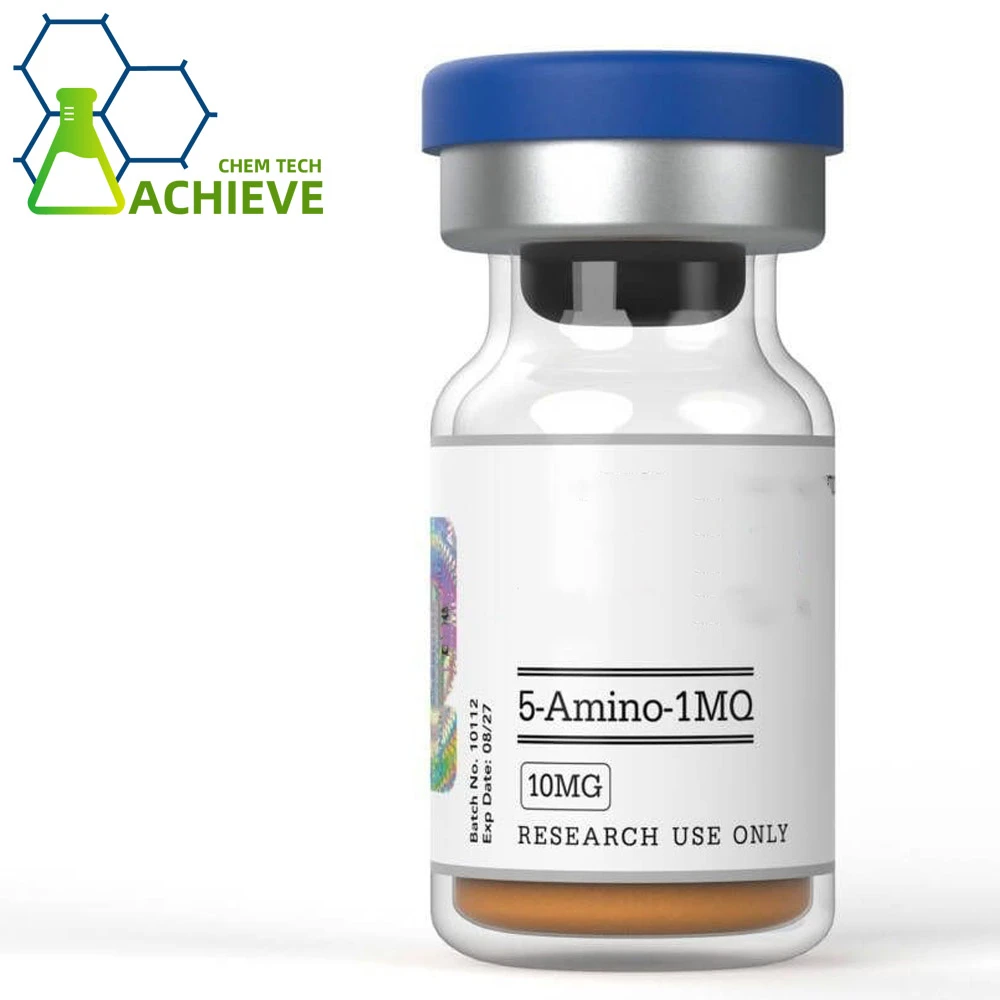
5-Amino-1MQ Peptide Injection
1.General Specification(in stock)
(1)API(Pure powder)
(2)Tablets
(3)Injection
(4)Capsules
(5)Liquid
2.Customization:
We will negotiate individually, OEM/ODM, No brand, for secience researching only.
Internal Code:KP-3-5/002
NNMTi CAS 42464-96-0
Molecular formula: C10H11N2.I
HS code: N/A
Molecular weight: 286.11
EINECS number: 464-196-0
Main market: USA, Australia, Brazil, Japan, Germany, Indonesia, UK, New Zealand , Canada etc.
Analysis: HPLC, LC-MS, HNMR
Technology support: R&D Dept.-4
The molecule's interaction with biological energy systems gives important insights to researchers working in metabolic science, biotechnology laboratories and pharmaceutical development. The association between NNMT inhibition and energy metabolism involves complex biochemical pathways that researchers are exploring under strict experimental methods.

How Does 5 Amino 1MQ Affect Cellular Energy Pathways?
The movement of energy within cells depends a lot on NAD⁺, a coenzyme that is found in all living things and is essential for redox processes and energy transfer. Nicoletinamide is methylated by NNMT, which changes it to 1-methylnicotinamide and takes it out of the NAD⁺ salvage pathway.
When NNMT activity goes up, the substrate needed for NAD+ recycling runs out, so cellular NAD+ levels go down.
This process is changed by 5 amino 1mq peptide, which selectively blocks NNMT. Thru studies on cell growth models, it has been shown that this substance greatly increases the amount of NAD⁺ inside cells.
Researchers used 3T3-L1 adipocytes in experiments and saw that treatment raised NAD+ levels, which were linked to higher metabolic activity. This increase in the abundance of NAD⁺ has affects further down many energy-related pathways.
One of the most important targets that is changed by higher NAD levels is the SIRT1 lifespan pathway. SIRT1, a deacetylase that depends on NAD+,

controls many metabolic processes, such as maintaining glucose levels, breaking down fats, and creating new mitochondria.
When 5 amino 1mq peptide increases the amount of available NAD⁺, SIRT1 activity increases. This causes many metabolic control proteins to lose their acetyl group. This chain of events affects transcription factors, which in turn control genes that use energy and substrates.
The substance also seems to change AMP-activated protein kinase (AMPK) signaling, which is another important factor that controls the energy level of cells. By changing the NAD⁺/NADH ratio, the molecule indirectly affects the activity of AMPK. AMPK starts catabolic pathways that make ATP and stops anabolic pathways that use energy.
Researchers have found proof of these changes by doing in-depth metabolomic analyzes that keep track of hundreds of metabolites at the same time.

The Role of 5 Amino 1MQ in Mitochondrial Function Research
Most of the ATP in cells is made by oxidative phosphorylation, which makes mitochondria the powerhouses of cells. Researchers who are looking into ways to speed up metabolism are now focusing on the link between blocking NNMT and how well mitochondria work.
Researchers who have looked at how mitochondria work when 5 amino 1mq peptide is present have found a number of interesting things. Using Seahorse technology to measure respiratory capacity shows that cells that have been treated with the compound have different rates of oxygen consumption. More NAD+ is available, which helps the electron transport chain work better because NAD+ is an important electron carrier in the respiratory complexes. Researchers have found that different types of cells have better basal respiration and maximal respiratory capacity after being treated with the compound.
This suggests that the compound helps mitochondria make ATP more efficiently.
This molecule can also be used to treat signs of mitochondrial formation.


PGC-1α (peroxisome proliferator-activated receptor gamma coactivator 1-alpha) expression levels rise when NAD⁺ levels rise because NNMT is blocked. PGC-1α is a master driver of mitochondrial biogenesis. This transcriptional coactivator makes sure that genes in the nucleus and mitochondria are expressed in a way that is needed for mitochondria to copy and work. Observations in the lab show that long-term exposure to the 5 amino 1mq peptide leads to more mitochondria and better network architecture in the mitochondria.
The compound affects processes in mitochondria that keep the level of energy production high. When SIRT1 is turned on, it seems to change autophagy pathways, especially mitophagy (specific autophagy of broken mitochondria). This suggests that blocking NNMT might help cells keep their mitochondrial populations healthy by making it easier to get rid of organelles that aren't working right and encouraging the creation of new, healthy mitochondria.
Researchers who are studying this compound also look at metabolic flexibility as a part of mitochondrial function.
Metabolic health is better in cells that can switch between burning glucose and fatty acids effectively. There is proof from experiments that treatment makes this flexibility better, making it easier for mitochondria to adapt to changes in the supply of substrates and the need for energy.
Understanding Energy Conversion Processes Associated with 5 Amino 1MQ
Changing energy within cells involves complicated biochemical changes that turn nutrients into energy that cells can use.
It is possible to measure changes in how cells handle different energy sources when 5 amino 1mq peptide is present in laboratory settings. To get a full picture of the compound's affects, researchers studying these processes look at many metabolic routes at the same time.
The first step in glucose metabolism is glycolysis, which breaks down glucose into pyruvate. This process doesn't directly make much ATP, but it does make molecules that are needed by many biosynthetic routes. Studies that look at glycolytic flux in cells that have been treated show that the amounts of different metabolites change in subtle ways. This suggests that blocking NNMT affects the control enzymes in this pathway. The changed NAD+/NADH ratio changes the activity of glyceraldehyde-3-phosphate dehydrogenase, an important glycolytic enzyme that needs NAD+ to work.
Another important energy-changing process that this substance affects is fatty acid oxidation.

Beta-oxidation mostly happens in mitochondria and needs NAD+ in several steps to turn fatty acids into acetyl-CoA units. Better supply of NAD+ after treatment with 5 amino 1mq peptide seems to help break down fatty acids more efficiently. Researchers who looked at how genes that make enzymes that move and break down fatty acids were expressed found that key proteins like carnitine palmitoyltransferase 1 (CPT1) and acyl-CoA dehydrogenases were upregulated.
The citric acid cycle connects different metabolic pathways and makes electron carriers that join the electron transport chain.
A lot of enzymes in the citric acid cycle use NAD+ as a cofactor. This makes the pathway very sensitive to changes in the amount of NAD+ available. Using isotope-labeled substrates in metabolic tracing studies shows that blocking NNMT changes the flow of carbon thru the citric acid cycle, which could make substrate oxidation more efficient.
The metabolism of lactate is a fascinating topic to study.
When the rate of glycolysis is higher than the rate of oxidation, cells make lactate. The lactate dehydrogenase process changes pyruvate into lactate and then recovers NAD+ from NADH. This keeps the glycolytic flux going. When NNMT is blocked, the total amounts of NAD⁺ in cells rise. This may lower the metabolic pressure to make lactate, which could change the metabolism to more fully oxidize glucose thru mitochondrial pathways.

How Scientists Measure Cellular Energy Changes in 5 Amino 1MQ Studies
To figure out how much energy cells have, you need to use complex scientific methods that give you accurate readings of bioenergetic parameters, molecules, and enzyme activities.
Researchers looking into the 5 amino 1mq peptide use a number of different methods that work together to get a full picture of how it affects metabolism.
When it comes to metabolomics analyzes, liquid chromatography paired with mass spectrometry (LC-MS) is the best method.
This method separates and measures hundreds of metabolites from cell extracts. The result is detailed metabolic profiles that show how treatment changes the biochemistry of cells.
To measure NAD⁺ and related metabolites, researchers use targeted LC-MS methods that are best for these compounds and can detect amounts as small as a few picomoles. Time-course studies look at how metabolites change over hours or days after treatment.
They show changes in metabolism that happen right away and last for a long time.

Extracellular flow analysis measures the rate at which cells use oxygen and the rate at which they make acid, which are related to oxidative phosphorylation and glycolysis, respectively.
Researchers can test how well mitochondria work by measuring basal respiration, ATP production-coupled respiration, proton leak, maximal respiratory capacity, and spare respiratory capacity. These measures are often used in studies that look at the effects of 5 amino 1mq peptide to describe how the substance changes the bioenergetics of cells.
ATP measurement tools directly measure the currency of cellular energy. Luminferase processes based on bioluminescence make it possible to measure ATP accurately in cell lysates, and fluorescent probes let you watch ATP levels in live cells in real time. To find out if NNMT inhibition changes the overall energy charge of cells, researchers measure the amounts of ATP in the treated and control groups.
Quantitative PCR and Western blotting are methods used to measure the amount of protein and gene expression for regulatory factors and metabolic enzymes.
When scientists study this compound's effects, they often check the amounts of SIRT1 and its activity, as well as the activity and expression of mitochondrial proteins and the phosphorylation state of AMPK. By showing how increased NAD+ availability changes cellular metabolism, these molecular markers help us understand how it works.
Using fluorescent colors like TMRM or JC-1 to measure the membrane potential of mitochondria shows how healthy and effective they are. When the proton gradient that drives ATP synthesis changes, so does the membrane potential. Researchers can look at the mitochondrial membrane potential in tens of thousands of cells using flow cytometry. This shows how the 5 amino 1mq peptide affects the whole population.

Research Applications of 5 Amino 1MQ in Energy Metabolism
Because this compound has special properties, scientists are looking into how it can be used in a wide range of metabolic studies. Because it works selectively and has measured effects on energy routes, it can help us answer basic questions about how cells work and find new therapeutic targets.
One important area of study that has practical uses is adipocyte biology. 5 amino 1mq peptide is used by scientists studying fat cell differentiation and metabolism to change the energy state of cells and see how that affects adipogenic processes. Using preadipocyte cell lines in in vitro differentiation tests shows that blocking NNMT lowers the buildup of lipids and stops the production of adipogenic transcription factors.
These results help us learn more about how energy metabolism affects the choices cells make about their future and the growth of tissues.
Compounds that change energy routes can help model metabolic diseases. When scientists make cellular models of metabolic dysfunction,

they often use treatments that change NAD+ metabolism to mimic or fight metabolic changes that happen in diseases.
The compound is used as a research tool to look into how restoring NAD+ levels might change metabolic factors in disease situations.
Molecules that affect NAD+ metabolism are being studied in the field of aging because NAD+ levels drop with age in many organs.
Researchers who are looking into cellular senescence and metabolic decline related to getting older use 5 amino 1mq peptide to see if blocking NNMT can help slow down metabolic decline related to getting older. Researchers compare aging biomarkers like mitochondrial function, oxidative stress indicators, and cellular senescence markers in cells that have been treated and cells that have not been treated.
Metabolic modulators are used in exercise physiology research to find out how energy metabolism changes in response to physical demands.
This chemical is used to break down the molecular processes that control metabolic flexibility and substrate utilization patterns in research that looks at muscle cell metabolism.
Researchers who looked at how much glycogen, lactate, and fatty acids are burned in skeletal muscle cells can help us understand how NNMT activity affects biochemical changes that happen during exercise.
5 amino 1mq peptide is used as a standard chemical in pharmacological study to help make better NNMT inhibitors. Medicinal chemists make structural analogs and then compare their properties to those of the parent molecule. They do this to find compounds that are more selective, potent, or have better pharmacokinetic properties. To fully understand how chemical changes affect cellular activity, these structure-activity link studies need a lot of metabolic characterization.

Conclusion
The study of how 5 amino 1mq peptide affects the energy of cells is an active area that combines biochemistry, cell biology, and metabolic science. This compound increases NAD⁺ levels and starts upstream pathways that change how cells use energy. It does this by selectively blocking NNMT. This molecular tool can be used for a wide range of research purposes, from basic studies of how mitochondria work to investigations into how metabolic diseases work.
Researchers can get a good idea of how the compound affects energy conversion processes by measuring changes in metabolism with advanced analytical techniques. Researchers are still looking into this molecule, which helps us learn more about how cells control energy, which could lead to new ways to deal with metabolic problems.
Because the molecule can affect many parts of energy metabolism thru a single, clear target, it is very useful for breaking down complicated metabolic networks. It is likely that future study will reveal more levels of control and find new research uses for this interesting molecule.
Frequently Asked Questions
1.What makes 5 amino 1mq different from other metabolic modulators?
-
5 amino 1mq peptide is not the same as other metabolic modulators. What makes it unique? This combination sticks out because it is very good at blocking NNMT. It precisely targets a single enzyme, unlike broad-spectrum metabolic modulators that change many enzymes at once. This sensitivity lets researchers say that the changes they see in metabolism are caused by NNMT blockage and changed NAD+ metabolism, which makes it useful for studying how things work. It is easily taken up by cells in experimental settings because of its small molecular size and good membrane permeability.
2.How long does it take to observe metabolic changes after treatment?
-
Depending on the parameter that is being studied, metabolic reactions happen at different timescales. As soon as the treatment starts, the amount of NAD⁺ goes up because NNMT activity stops and nicotinamide is still available for the rescue pathway. As NAD+ levels change, transcription factor activity changes, and gene translation changes usually show up within 6 to 24 hours. Changes in structure, like more mitochondria, take a few days to happen because they involve processes like protein production and organelle formation.
3.Can 5 amino 1mq be used in combination with other research compounds?
-
Researchers often use this compound with other metabolic modulators to look into how they work together or how they affect different pathways. Scientists have mixed it with SIRT1 activators, AMPK activators, and different metabolic substrates to study how different signaling pathways interact with energy consumption in cells. Researchers use these combination studies to learn more about the hierarchical structure of metabolic regulation and to find possible places of intervention that could change the energy state of cells.
Partner with Kpeptide as Your Trusted 5 Amino 1MQ Peptide Supplier
For study projects that need high-quality metabolic chemicals, Kpeptide offers unbeatable dependability and knowledge. As a specialist provider of 5 amino 1mq peptide, we offer research-grade materials with full analytical evidence, which includes confirmations from HPLC and mass spectrometry. International standards (US-FDA, EU-GMP, PMDA) are met by our GMP-certified production sites. This makes sure that every batch meets purity levels of 98% or more and that the quality of each shipment is the same.

Our professional research and development (R&D) team knows how important it is to do metabolic research and can help you with technical issues at any point in the lifecycle of your project. We offer a range of flexible packing options that can be tailored to the needs of your experiment, reasonable pricing with clear margins, and dependable supply chain management that keeps your research on schedule. We have been working with pharmaceutical companies, biotechnology companies, and research institutions around the world for 12 years. We combine the efficiency of Chinese manufacturing with the highest quality standards around the world.
Get in touch with our knowledgeable staff right away to talk about your 5 amino 1mq peptide needs. Email us at sales@kpeptide.com for full product details, expert support materials, and personalized prices that will help you reach your metabolic research goals faster.
References
1. Komatsu M, Kanda T, Urai H, et al. "NNMT activation can contribute to the development of fatty liver disease by modulating the NAD+ metabolism." Scientific Reports, 2018; 8(1): 8637-8649.
2. Kraus D, Yang Q, Kong D, et al. "Nicotinamide N-methyltransferase knockdown protects against diet-induced obesity." Nature Communications, 2014; 520(7549): 312-316.
3. Ulanovskaya OA, Zuhl AM, Cravatt BF. "NNMT promotes epigenetic remodeling in cancer by creating a metabolic methylation sink." Nature Chemical Biology, 2013; 9(5): 300-306.
4. Hong S, Moreno-Navarrete JM, Wei X, et al. "Nicotinamide N-methyltransferase regulates hepatic nutrient metabolism through Sirt1 protein stabilization." Nature Medicine, 2015; 21(8): 887-894.
5. Aksoy S, Szumlanski CL, Weinshilboum RM. "Human liver nicotinamide N-methyltransferase: cDNA cloning, expression, and biochemical characterization." Journal of Biological Chemistry, 1994; 269(20): 14835-14840.
6. Campagna R, Mateuszuk L, Wojnar-Lason K, et al. "Nicotinamide N-methyltransferase in endothelium protects against oxidant stress-induced endothelial injury." Biochimica et Biophysica Acta - Molecular Cell Research, 2021; 1868(3): 118895-118907.


