

The discourse around 5 amino 1mq peptide has mostly revolved around metabolic wellness and body composition. However, further findings reveal that this selective NNMT inhibitor may be relevant far off scale. Scientists are currently researching how this chemical impacts essential cell functions related to ageing, including energy consumption, control of inflammation and cellular repair pathways.

1.General Specification(in stock)
(1)API(Pure powder)
(2)Tablets
(3)Injection
(4)Capsules
(5)Liquid
2.Customization:
We will negotiate individually, OEM/ODM, No brand, for secience researching only.
Internal Code:KP-3-5/002
NNMTi CAS 42464-96-0
Molecular formula: C10H11N2.I
HS code: N/A
Molecular weight: 286.11
EINECS number: 464-196-0
Main market: USA, Australia, Brazil, Japan, Germany, Indonesia, UK, New Zealand , Canada etc.
Analysis: HPLC, LC-MS, HNMR
Technology support: R&D Dept.-4
To understand the larger biological implications of this drug, we must consider the enzyme targeted by this molecule, nicotinamide N-methyltransferase (NNMT), and how its activity fluctuates with age. Ageing is associated with increased NNMT expression in numerous organs that may dysregulate metabolism and contribute to age-related dysfunction. 5 amino 1mq peptide selectively inhibits this enzyme may impair several interrelated systems which regulate ageing and functioning of cells throughout time.

This investigation goes beyond controlling weight to how adjusting NNMT activity may impact the cellular environment, energy-generating ability and the body's reaction to metabolic stress – elements that determine the ageing trajectory.
Why 5 Amino 1MQ Peptide Research Extends Beyond Body Weight
The NNMT Connection to Metabolic Aging
Scientists have found that NNMT elevation is linked to a number of metabolic changes that happen with age. At first, this was mostly focused on the loss of adipose tissue. This enzyme works with other things, like NAD+ metabolism, methylation reactions, and the energy status of cells, rather than working by itself. As we age, NNMT activity goes up. This causes it to use up NAD+ and make byproducts that might get in the way of cells normally working.
Using 5 amino 1mq peptide to block NNMT has been shown to have affects on metabolic flexibility, mitochondrial function, and inflammatory signals in lab models. Based on these findings, it seems that the substance affects basic cellular processes that control how tissues react to stress and keep balance. Researchers have found that insulin sensitivity, liver fat handling, and systemic inflammation markers all get better with age, whereas these things usually get worse with age.


Tissue-Specific Expression Patterns
The amount of NNMT in different organs is very different, and it changes quickly as you get older. Animals that are older have higher levels of NNMT in their fat, liver, and muscles than animals that are younger. Since NNMT is found in a lot of places, blocking it could theoretically have effects on many organ systems at the same time, rather than just one or two.
Researchers showed that therapy with 5 amino 1mq peptide affected more than fat mass using diet-induced obesity rats. It also altered the liver's gene expression patterns, inflammatory cytokine profiles and indicators of metabolic health that tend to decline with age. The fact that lean mass did not change yet fat was lowered shows that the impacts were more specific in terms of modifying the quality and function of certain tissues rather than just mimicking a caloric restriction.
Inflammation and the Aging Microenvironment
Chronic low-grade inflammation, which is also known as "inflammaging," is a sign of cellular aging. NNMT activity seems to be linked to signaling pathways that cause inflammation in more than one way. Researchers have found that when the 5 amino 1mq peptide lowers NNMT activity in the lab, pro-inflammatory cytokines like TNF-α and IL-6 are less expressed, and macrophages are less likely to enter tissues.
This anti-inflammatory effect isn't caused by lowering the immune system; it's caused by cells' metabolism working better. NNMT inhibition may lower oxidative stress and metabolic problems that cause inflammatory reactions by making NAD+ more available and improving the efficiency of mitochondria. Inflammation and metabolism are linked in a way that is very important for understanding how aging works.

5 Amino 1MQ Peptide and the Cellular Pathways Linked to Aging
Mitochondrial Function and Metabolic Flexibility
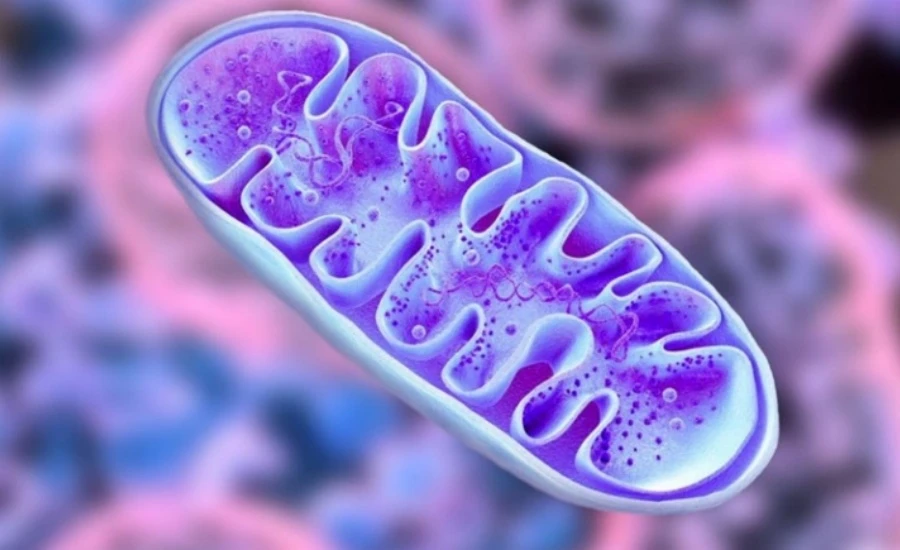
One of the most constant signs of cellular age is the loss of mitochondria. As living things age, these organelles become less efficient, make more reactive oxygen species, and have a harder time switching between fuel sources. NNMT inhibition through the 5 amino 1mq peptide seems to increase the oxidative capacity of mitochondria in a number of different types of tissue.
Researchers in the lab have shown that blocking NNMT leads to an increase in the expression of genes related to mitochondrial biogenesis and oxidative phosphorylation. This suggests that the chemical not only prevents the body from accumulating fat but also strengthens the mechanism within cells that creates energy. Enhanced mitochondrial efficiency improves metabolic flexibility, allowing the body to better use carbohydrate and fat sources based on availability.
Metabolic flexibility declines as we age, and this may contribute to insulin resistance and metabolic syndrome. By boosting this essential cellular function, NNMT inhibitors might tackle the fundamental drivers of metabolic ageing instead of merely the manifestations.

The SIRT1 Activation Connection
Sirtuins, and in particular SIRT1, have been extensively studied in the ageing field because of their role in stress response, DNA repair and metabolic regulation. When NAD+ is in a limited supply, certain NAD+-dependent enzymes are less active. This is precisely what occurs as the activity of NNMT increases with age.
In preadipocyte models, researchers demonstrated that treatment with the 5 amino 1mq peptide increased SIRT1 activity by maintaining the size of the NAD+ pools in the cells. This activity influenced several downstream targets including transcription factors that govern fat metabolism, inflammation and programmes that maintain cell health. The SIRT1 pathway is intimately connected to basic life processes examined in a variety of organisms from yeast to humans.
Another way this chemical could alter ageing processes beyond weight loss is via the relationship between NNMT inhibition and SIRT1 activation. SIRT1 influences the choices that cells make about energy consumption, the way that cells deal with stress, and even the stability of their DNA.
All these aspects influence the way tissues mature.
Epigenetic and Methylation Considerations
NNMT speeds up the methylation of nicotinamide, therefore consuming both the vitamin and the methyl groups. This reaction alters the capacity of cells to methylate and so alters epigenetic control. This is the mechanism of chemical modifications that regulates gene activation without altering the DNA sequences. Methylation patterns vary with age and these variations lead to shift in gene expression profiles in older organs."
5 amino 1mq peptide may assist maintain methylation equilibrium by inhibition of NNMT. This may assist to preserve more youthful epigenetic patterns. While much work need to be done in this area, early evidence suggests that NNMT activity influences the expression of genes associated with metabolic, inflammatory, and cellular stress responses via methylation-dependent mechanisms.


Could 5 Amino 1MQ Peptide Influence NAD+ Availability in Aging Cells?
NAD+ Decline as a Central Aging Mechanism
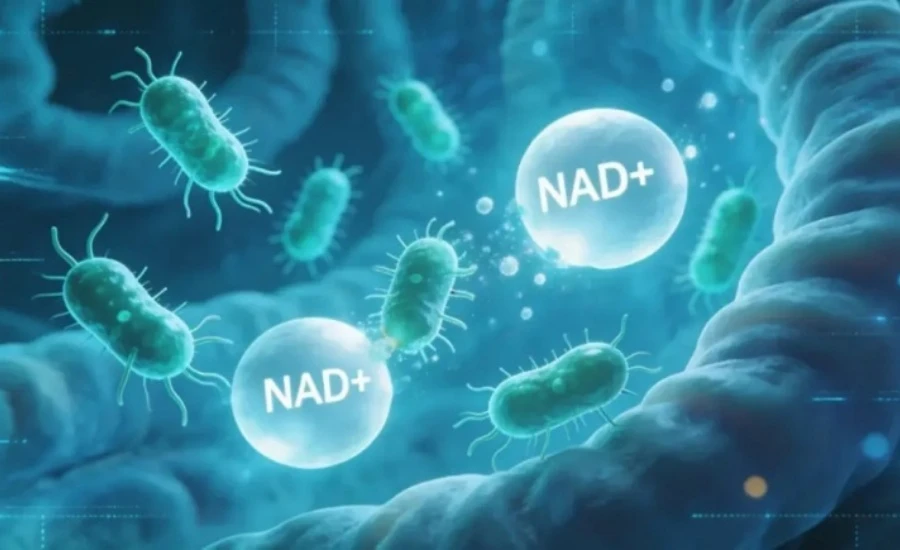
Nicotinamide adenine dinucleotide (NAD+) is an essential coenzyme required for many metabolic activities, including those that generate energy, repair DNA, and convey messages between cells. In many animals and tissues, NAD+ levels decline steadily with ageing. This reduction is detrimental to numerous cellular processes and exacerbates age-related illnesses.
There are a variety of reasons NAD+ levels diminish with ageing include enzymes like PARPs and CD38 using it up quicker and precursors creating less of it. This issue is worsened by NNMT, which methylates nicotinamide, an important NAD+ precursor, into inactive methylated forms. As individuals age, their NNMT levels increase, which inhibits the recycling of NAD+.
Studies using the 5 amino 1mq peptide have shown that when NNMT is blocked, there are higher levels of NAD+ inside cells. In old tissues where NNMT expression is high, this effect might bring back NAD+ levels to more youthful levels.
Which would help the many processes that depend on NAD+ to keep cells healthy.
Experimental Evidence from Aging Models
Researchers using old animals in the lab have found that increasing NAD+ levels can improve many age-related factors, such as mitochondrial function, insulin sensitivity, physical endurance, and cognitive performance. NNMT suppression is a different way to target the consumption side of the equation, while most studies have focused on adding NAD+ precursors.
Researchers who looked at young and old mice found that NNMT expression is much higher in metabolic cells of older animals. When old mice were given the 5 amino 1mq peptide, their metabolic markers improved and their physical performance improved. One study found that the mice's grip strength went up by about 40%, which is a functional measure of muscle quality and systemic health.
These results show that lowering NNMT activity might help stop the loss of NAD+ that comes with getting older and the problems that follow.

The fact that biochemical changes were accompanied by functional gains shows that this route is important for aging in general, not just in cells.
Interaction with NAD+ Biosynthesis Pathways
The body makes NAD+ in a number of different ways, such as the salvage pathway, which reuses nicotinamide, and the de novo pathway, which starts with tryptophan. NNMT changes the salvage pathway by taking nicotinamide out of the recycling pool. This is especially a problem as people age and lose the ability to make NAD+.
5 amino 1mq peptide basically keeps nicotinamide available for NAD+ resynthesis by stopping NNMT. In theory, this complementary approach could make NAD+ precursor supplementation strategies work better, but there aren't many studies that have been done on this yet. The possibility that blocking NNMT and increasing NAD+ could work together is an interesting area that needs more research.

NAD+ Metabolism, Cellular Energy, and 5 Amino 1MQ Peptide Research
Energy Sensing and Metabolic Adaptation
The NAD+/NADH ratio is one of the key factors of cellular energy sensing for regulating metabolic responses. 5-Amino-1MQ may maintain availability of NAD+, which may enhance metabolic rate and energy expenditure without decreasing food intake. It seems to promote oxidative metabolism and fat utilisation while protecting protein and muscle, similar to calorie restriction and exercise.
Brown Adipose Tissue and Thermogenesis
Brown adipose tissue (BAT) generates heat by non-shivering thermogenesis, which reduces with age, and may be implicated in weight gain and decreased metabolism. Preliminary studies reveal that 5-Amino-1MQ may affect BAT function and induce white-fat browning, possibly resulting in increased energy expenditure. More research are required to understand its impact on NAD+ and thermogenic pathways.
Mitochondrial Quality Control

Mitochondrial quality control relies on biogenesis, fusion, fission, and mitophagy, all of which are regulated by NAD+-dependent signalling. With ageing, loss of NAD+ inhibits these activities, resulting in an increase in damaged mitochondria and oxidative stress. By maintaining NAD+ availability, 5-Amino-1MQ may increase mitochondrial quality, not just quantity, via improved mitochondrial maintenance, respiratory activity, and biogenesis.
Where 5 Amino 1MQ Peptide Fits Into Longevity-Focused Research

Complementing Established Anti-Aging Approaches
Inhibition of NNMT by 5-Amino-1MQ may be a possible addition to recognised longevity interventions such calorie restriction, rapamycin, metformin, NAD+ precursors and senolytics. It may decrease NAD+ utilisation and might be a supplement to NAD+ generating techniques and other pathway targeted therapies, perhaps with a wider metabolic and anti-aging impact when used in combination.
Translational Challenges and Opportunities
Translating inhibition of NNMT to humans is problematic due to issues like as species variations, unknown dose, timing, length of therapy, and long-term safety concerns. Rodent studies provide interesting mechanisms and typically excellent safety without evident toxicity, appetite loss or lean-mass decrease however human tissues reveal age-related NNMT increases and controlled clinical trials are required to validate effectiveness and safety.
Research Priorities and Unanswered Questions
Major goals are to determine whether NNMT inhibition increases the lifetime or only healthspan, find the ideal window to treat, and explain the genetic variation in response. Future studies should focus on tissue-specific effects, notably in the brain, possible effects on methylation pathways, transcriptional, metabolic and functional effects in organs and across age groups.

Conclusion
The study of the 5 amino 1mq peptide has grown beyond its original focus on metabolism to include basic processes of aging. By blocking NNMT, this specific chemical changes the availability of NAD+, the function of mitochondria, the signaling of inflammation, and the metabolic flexibility. These are all processes that affect how animals age as a whole.
At this point, mostly from lab models, we know that blocking NNMT leads to metabolic and functional improvements that are important for healthy aging. The link between NNMT activity and the loss of NAD+ with age puts this goal in the larger field of longevity study. It works with other methods that aim to keep cells working normally throughout life.
A lot of work needs to be done to turn these observations into useful applications. Human studies that look at aging-related outcomes, long-term safety profiles, and the best ways to put the technology into action will show if the promise seen in the lab leads to real health benefits or longer lives for people.
The ongoing study of the 5 amino 1mq peptide is an example of how compounds that were first created for specific metabolic uses may turn out to have wider biological implications as we learn more. As more study is done, this molecule may help develop methods that deal with many parts of biological aging at the same time.
FAQ
1.What makes 5 amino 1mq peptide different from weight loss supplements?
+
-
5 amino 1mq peptide works by selectively inhibiting the NNMT enzyme, which is different from other weight loss products that either make you feel less hungry or stop your body from absorbing nutrients. This method affects basic cellular processes like the metabolism of NAD+, the function of mitochondria, and inflammatory signals. These are all things that are important for metabolic health and the biology of aging. Researchers have found that it lowers fat storage while maintaining lean muscle mass and improving metabolic markers linked to healthy aging. This suggests that it has effects that go beyond just calorie balance.
2.How does NNMT inhibition relate to NAD+ levels and aging?
+
-
Nicotinamide is a key building block that NNMT uses up so that NAD+ can be recycled through the recovery route. As we get older, NNMT expression goes up, which makes it harder to get NAD+ just when synthesis capacity is going down. 5 amino 1mq peptide protects nicotinamide for NAD+ resynthesis by blocking NNMT. This might help bring NAD+ levels back to more youthful levels. Maintaining adequate levels of NAD+ is important for many processes that become less effective as we age because it powers hundreds of cellular reactions, such as making energy, fixing DNA, and responding to stress.
3.Can 5 amino 1mq peptide be combined with other longevity interventions?
+
-
The way that 5 amino 1mq peptide works says that it might work well with other anti-aging methods. Its ability to protect NAD+ by lowering usage is different from NAD+ precursor supplementation, which raises production, showing that the two may work together. In the same way, its effects on metabolism and inflammation may work well with other treatments that target different aging pathways. However, there aren't m
Partner with Kpeptide-Your Trusted 5 Amino 1MQ Peptide Supplier
Kpeptide is an approved 5 amino 1mq peptide source with over 12 years of experience in organic synthesis and peptide manufacturing to help you with your research and development. Our 100,000-square-meter production facilities are GMP-certified by the US, EU, Japan, and the CFDA. They guaranty pharmaceutical-grade quality with purity levels of 98% or higher, backed by full analytical documentation that includes HPLC and MS data.

We know that moving longevity research forward needs more than just high-quality compounds. It also needs reliable supply chains, knowledge of regulations, and quick technical support. Our professional team handles everything in-house, from small-scale testing in the lab to mass production. Prices are clear, and wait times are accurate thanks to our combined ERP platform. We give your projects the stability, compliance, and customer service they deserve, whether you're a biotechnology research organization, a pharmaceutical business, or a contract development and manufacturing organization (CDO) that works with the metabolic health sector.
Are you ready to find out how 5 amino 1mq peptide can help your research? Email our team at sales@kpeptide.com to talk about your particular needs, get samples, or ask for more information. As you work to advance the science of healthy aging, Kpeptide should be your partner.
References
1. Komatsu M, Kanda T, Urai H, Kurokochi A, Kitahama R, Shigaki S, Ono T, Yukioka H, Hasegawa K, Tokuyama H, Kawai K, Ogawa N, Kawashiri T, Fukui H. NNMT activation can contribute to the development of fatty liver disease by modulating the NAD+ metabolism. Scientific Reports. 2018;8(1):8637.
2. Kraus D, Yang Q, Kong D, Banks AS, Zhang L, Rodgers JT, Pirinen E, Pulinilkunnil TC, Gong F, Wang YC, Cen Y, Sauve AA, Asara JM, Peroni OD, Monia BP, Bhanot S, Alhonen L, Puigserver P, Kahn BB. Nicotinamide N-methyltransferase knockdown protects against diet-induced obesity. Nature. 2014;508(7495):258-262.
3. Neelakantan H, Vance V, Wetzel MD, Wang HL, McHardy SF, Finnerty CC, Hommel JD, Watowich SJ. Selective and membrane-permeable small molecule inhibitors of nicotinamide N-methyltransferase reverse high fat diet-induced obesity in mice. Biochemical Pharmacology. 2018;147:141-152.
4. Policarpo RL, Flores Bueso Y, Rosenthal J, Pioli PD, McCabe MT, Kacergis MC, Phatnani H, Haque M, Siddiqui S, Kraus WL. NNMT ablation impacts NAD+ metabolism, induces stress responses, and sensitizes multiple myeloma cells to bortezomib treatment. Cell Reports. 2021;37(11):110127.
5. Ulanovskaya OA, Zuhl AM, Cravatt BF. NNMT promotes epigenetic remodeling in metabolic reprogramming by modulating histone methylation. Nature Chemical Biology. 2013;9(5):300-306.
6. Hong S, Moreno-Navarrete JM, Wei X, Kikukawa Y, Tzameli I, Prasad D, Lee Y, Asara JM, Fernández-Real JM, Maratos-Flier E, Hotamisligil GS. Nicotinamide N-methyltransferase regulates hepatic nutrient metabolism through Sirt1 protein stabilization. Nature Medicine. 2015;21(8):887-894.


