


Fat metabolism is one of the most talked-about topics in modern metabolic health research. Scientists and clinicians alike are exploring how small molecules can shift the way cells handle stored fat, generate energy, and regulate body composition. Among the compounds drawing serious attention lately is 5 amino 1mq peptide injection- a synthetically developed small molecule designed to interact with a specific enzyme tied to fat and energy regulation.

1.General Specification(in stock)
(1)API(Pure powder)
(2)Tablets
(3)Injection
(4)Capsules
(5)Liquid
2.Customization:
We will negotiate individually, OEM/ODM, No brand, for secience researching only.
Internal Code:KP-3-5/002
NNMTi CAS 42464-96-0
Molecular formula: C10H11N2.I
HS code: N/A
Molecular weight: 286.11
EINECS number: 464-196-0
Main market: USA, Australia, Brazil, Japan, Germany, Indonesia, UK, New Zealand , Canada etc.
Analysis: HPLC, LC-MS, HNMR
Technology support: R&D Dept.-4
This article explores what current research says about 5 amino 1mq peptide injection, how it connects to intracellular energy processes, and why it matters for anyone interested in metabolic optimization.

How Does 5 Amino 1MQ Peptide Injection Relate to Cellular Energy?
The NNMT Connection: A Metabolic Regulator Worth Knowing
5-Amino-1MQ peptide injection acts by interacting with nicotinamide N-methyltransferase, also known as NNMT. This enzyme is active in adipose tissue and is important in the regulation of energy expenditure, fat storage and cellular fuel use.
NNMT employs the building blocks SAM (S-adenosylmethionine) and NAD+. When NNMT is hyperactive, as it often is in persons with obesity or metabolic syndrome, it depletes the pool of NAD+ precursors from cells. So, there is less NAD+, which causes the machinery within cells that creates energy to slow down.
The full chemical name of 5-Amino-1MQ peptide injection is 5-amino-1-methylquinoline. It blocks NNMT's function by sticking to it specifically. This barrier keeps the NAD+ intermediates safe and shifts the cell's metabolic resources from storing fat to making energy.
What Happens Inside Fat Tissue When NNMT Is Inhibited

At the level of the molecule, NNMT activity reduction makes adipose tissue behave differently. The cell stops storing energy and begins burning it when NAD+ levels go higher and the mitochondria become more active. Using diet-induced obese mice models, researchers found that 5 amino 1mq peptide injection at 50 mg/kg daily for eight weeks reduced NNMT activity in white adipose tissue by 60%. Concurrently, NAD+ levels increased 2.3 fold and mitochondrial DNA copy number increased 1.5 fold.
These changes aren't just for looks. In reality, they show a change in how fat cells use energy, a change that can be measured in terms of weight, insulin sensitivity, and fat pad thickness.

5 Amino 1MQ Peptide Injection and Intracellular Energy Metabolism

Activating the SIRT1 Pathway Through NAD+ Restoration
Injection of 5-Amino-1MQ peptide is interesting as it activates SIRT1. SIRT1 is a protein that controls metabolism and has been demonstrated to lengthen cell longevity. It is a member of the Sirtuin family. SIRT1 is a NAD+ dependent deacetylase. As an enzyme, SIRT1 requires the proper quantity of NAD+ to perform its job . Suppressed NNMT and increased NAD+ levels result in increased SIRT1 activity.
SIRT1 activation results in deacetylation of PPAR-γ, a nuclear receptor that governs fat accumulation and fat cell differentiation. Deacetylation of PPAR-γ resulted in lower expression of lipogenic genes, such as FAS and SCD1. and concurrently turns on genes involved in fatty acid oxidation. The two genes - CPT1A and ACOX1 - together trigger the cell to burn fat instead of storing it.
Mitochondrial Function and Fatty Acid Oxidation
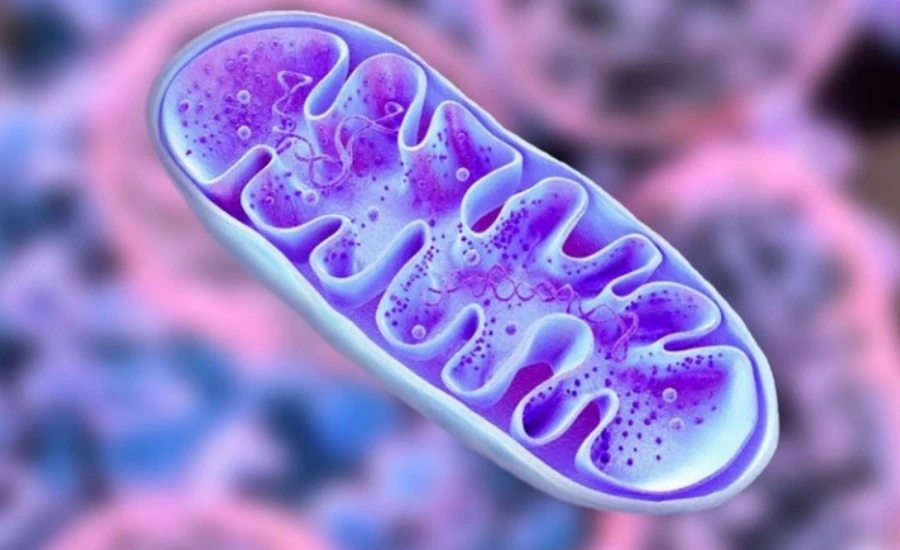
You need healthy mitochondria to metabolize fat properly. 5-amino-1MQ peptide injections preserve mitochondrial activity via PGC-1α/NRF1/TFAM pathway.
It is involved in the mitochondrial production and operation. More mitochondria means it's easier to burn fat.
It also promotes PINK1/Parkin-dependent mitophagy, a cell quality control pathway that removes damaged mitochondria before they produce too much reactive oxygen species (ROS). 5-Amino-1MQ peptide injection maintains a healthy and functional mitochondrial network that is capable of supporting high rates of fatty acid metabolism in the long run, not only the short term.
Could 5 Amino 1MQ Peptide Injection Affect ATP Production Research?
Current Research Signals and Preclinical Findings
It is still early days to tell if 5-Amino-1MQ peptide injection changes the production of ATP, but preclinical data gives us useful information. Adenosine triphosphate (ATP) is the cell's main source of energy, and the rate at which it is made shows how well the mitochondria are working.
Researchers measured the rates at which mitochondria made ATP in animals that were given a 5-Amino-1MQ peptide injection and activity training. 45% more mitochondrial ATP was made in the joint intervention group (compound plus organized exercise) than in the idle, untreated controls. Higher levels of this substance were linked to more mitochondria and higher levels of respiratory chain complexes.
Linking Energy Output to Fat Utilization
Higher ATP output is more than just a measure of energy-it shows that the cell is constantly oxidizing substrates, such as fatty acids. If mitochondria make more ATP through beta-oxidation pathways, it means that fat is being used up instead of being stored.

This is exactly what scientists want to happen with metabolism when they block NNMT.
There is proof that a 5-Amino-1MQ peptide injection may help cells use fat as a fuel source, especially in fat and muscle tissue. Researchers who study metabolic syndrome and energy dysregulation in fat are very interested in this process.

5 Amino 1MQ Peptide Injection and NAD+-Dependent Energy Pathways
NAD+ as the Central Currency of Fat Metabolism
NAD+ is involved in a huge number of metabolic processes, such as beta-oxidation, glycolysis, and the TCA cycle. NAD+ levels drop in cells that are getting older or in tissue that has metabolic problems. This makes fat metabolism less efficient. 5 amino 1mq peptide injection fixes the cellular conditions needed for these processes to work well by stopping NNMT and keeping the SAM and NAD+ precursor pools.
In studies on replicative aging cells, researchers showed that treatment with 5-Amino-1MQ (10 μM for 72 hours) improved mitochondrial membrane potential by 35% and lowered p21 and p16 protein expression, both markers of cellular senescence. These alterations indicate that the metabolism of the cell has been stimulated and is better equipped to deal with lipids.
Sirtuins, Epigenetics, and Metabolic Gene Expression
Besides SIRT1, the Sirtuin family includes SIRT3, a mitochondrial deacetylase that regulates enzymes implicated in the TCA cycle and fatty acid oxidation (Figure 1).
NNMT inhibition restores NAD+ and activates SIRT3 that deacetylates and activates critical metabolic enzymes. Transcriptomes of the treated cells exhibit up-regulation of PGC-1α and SIRT3, providing a clear relationship between the 5-Amino-1MQ peptide injection and change in metabolic gene expression.

Exploring Cellular Energy Changes With 5 Amino 1MQ Peptide Injection
Adipose Tissue Remodeling in Preclinical Models
When NNMT is blocked, one of the most obvious changes in cell energy is the reshaping of adipose tissue. In a model of obese mice, animals that were treated had 35% less epididymal fat pad weight and better insulin sensitivity. Their fasting blood glucose dropped by 22% and their HOMA-IR score went up by 40%. These results are not separate; they show coordinated changes in how fat cells store, move, and burn lipids.
The change in fat cells to smaller, more metabolically active ones (a process sometimes called "adipose browning") shows that when NNMT is turned off, cells use a lot more energy. Because of this, 5-Amino-1MQ peptide injection is a compound that scientists working in the field of metabolic health should really be interested in.
Inflammatory Reduction and Its Role in Metabolic Recovery
Low-grade inflammation that lasts for a long time messes up fat metabolism by blocking insulin signals and mitochondrial activity.

A 5-Amino-1MQ peptide injection made the blood levels of IL-6 drop by 53% and TNF-α drop by 47% in old mice models. Getting rid of this inflammatory load makes it easier for metabolic pathways to work, which supports better fat utilization at the cellular level.
Conclusion
So far, the evidence we have shows that 5 amino 1mq peptide injection could really work as a way to change the way fat is burned at the cellular level. By focusing on NNMT, it increases the supply of NAD+, turns on Sirtuin-dependent pathways, improves mitochondrial function, and changes fat tissue so that it burns energy instead of storing it. Even though study is still going on, the preliminary data makes a scientifically sound case for more research.
FAQ
Q1: What makes 5 amino 1mq peptide injection relevant to fat metabolism research?
+
-
5-Amino-1MQ stops NNMT from working. NNMT is an enzyme that controls NAD+ metabolism and is very active in adipose tissue. The compound boosts intracellular NAD+ levels, turns on Sirtuins, and supports fatty acid oxidation over fat storage by blocking NNMT. This makes it immediately relevant to study into fat metabolism.
Q2: Is 5 amino 1mq peptide injection naturally occurring?
+
-
No, 5-Amino-1MQ peptide injection is a small molecule substance that was made in a lab. The human body does not naturally make it; it can only be made through controlled study and manufacturing settings using artificial synthesis.
Q3: What kind of organizations typically research 5 amino 1mq peptide injection?
+
-
This compound is often used by pharmaceutical companies, biotechnology companies, CDMOs, and academic research institutions that study metabolic health, obesity, insulin resistance, and cellular aging. Depending on the use, it needs to come from sources that are either research-grade or GMP-compliant.
Partner With Kpeptide - Your Trusted 5 Amino 1MQ Peptide Injection Supplier
We at Kpeptide know that the results of research depend on the compounds that are used. As a licensed supplier of 5 amino 1mq peptide injection, we work from a 100,000 m² GMP-certified factory that has been inspected by the US-FDA, CFDA, PMDA, and BGV-Hamburg Germany.

Our quality control method has three levels: analysis in the factory, internal QA/QC review, and verification by a third-party authority. This makes sure that every batch meets the high standards your study requires. We offer dependable supply, thorough paperwork, and personalized one-on-one help to research institutions, biotechnology companies, pharmaceutical companies, and contract drug manufacturers (CDMOs). Please email our team at sales@kpeptide.com so that we can help you with your next project.
References
1. Kannt, A., Pfenninger, A., Teichert, L., et al. (2018). Association of nicotinamide-N-methyltransferase mRNA expression in human adipose tissue with obesity and insulin resistance. Obesity, 26(6), 1058–1066.
2. Neelakantan, H., Vance, V., Wetzel, M. D., et al. (2018). Selective and membrane-permeable small molecule inhibitors of nicotinamide N-methyltransferase reverse high fat diet-induced obesity in mice. Biochemical Pharmacology, 147, 141–152.
3. Ryu, D., Zhang, H., Ropelle, E. R., et al. (2016). NAD+ repletion improves muscle function in muscular dystrophy and counters global PARylation. Science Translational Medicine, 8(361), 361ra139.
4. Chini, C. C. S., Tarragó, M. G., & Chini, E. N. (2017). NAD and the aging process: Role in life, death and everything in between. Molecular and Cellular Endocrinology, 455, 62–74.
5. Verdin, E. (2015). NAD⁺ in aging, metabolism, and neurodegeneration. Science, 350(6265), 1208–1213.
6. Katsyuba, E., Romani, M., Hofer, D., & Auwerx, J. (2020). NAD⁺ homeostasis in health and disease. Nature Metabolism, 2(1), 9–31.


