


If you've been following the latest developments in metabolic research, you've probably come across 5 amino 1mq peptide more than once. This small-molecule inhibitor has been generating serious attention among researchers studying fat metabolism, energy balance, and adipose tissue biology. But one question keeps coming up: can it actually promote lipolysis through NNMT inhibition? Let's walk through what the science shows.

1.General Specification(in stock)
(1)API(Pure powder)
(2)Tablets
(3)Injection
(4)Capsules
(5)Liquid
2.Customization:
We will negotiate individually, OEM/ODM, No brand, for secience researching only.
Internal Code:KP-3-5/002
NNMTi CAS 42464-96-0
Molecular formula: C10H11N2.I
HS code: N/A
Molecular weight: 286.11
EINECS number: 464-196-0
Main market: USA, Australia, Brazil, Japan, Germany, Indonesia, UK, New Zealand , Canada etc.
Analysis: HPLC, LC-MS, HNMR
Technology support: R&D Dept.-4

How Does 5 Amino 1MQ Peptide Affect NNMT-Related Lipolysis?
The NNMT–NAD⁺ Connection
Nicotinamide N-methyltransferase (NNMT) is an enzyme methylating nicotinamide to produce a product that consumes NAD+ precursors. In adipose tissue under obesogenic circumstances, when NNMT activity is strong, it depletes the NAD⁺ pool and inhibits downstream metabolic pathways. This produces a slower environment for the cell to breakdown fat and a quicker environment for building up lipids.
5-amino-1MQ peptide begins to operate exclusively by blocking NNMT activity. When NNMT is blocked, levels of NAD+ in cell increase. Then, elevated NAD⁺ activates SIRT1, a lifespan-associated deacetylase that regulates fat oxidation and lipolytic gene expression. The chemical affects the way adipocytes manage stored fat, which kick off this cascade of events, making adipocytes more metabolically active.
Lipolytic Gene Upregulation Observed in Animal Models
In DIO mice models, 28-day daily administration of 5-amino-1MQ peptide enhanced the expression of lipolysis-related genes.

Increased transcription of both ATGL (adipose triglyceride lipase) and HSL (hormone-sensitive lipase) was observed. These are the two major enzymes responsible for hydrolyzing triglycerides stored in adipose tissue. At the same time, the energy usage also rose sharply, although the treatment and control groups did not use more or less than the other groups. The present findings provide significant support for a direct NNMT-mediated lipolytic mechanism.

5 Amino 1MQ Peptide and ATGL Expression During Lipolysis
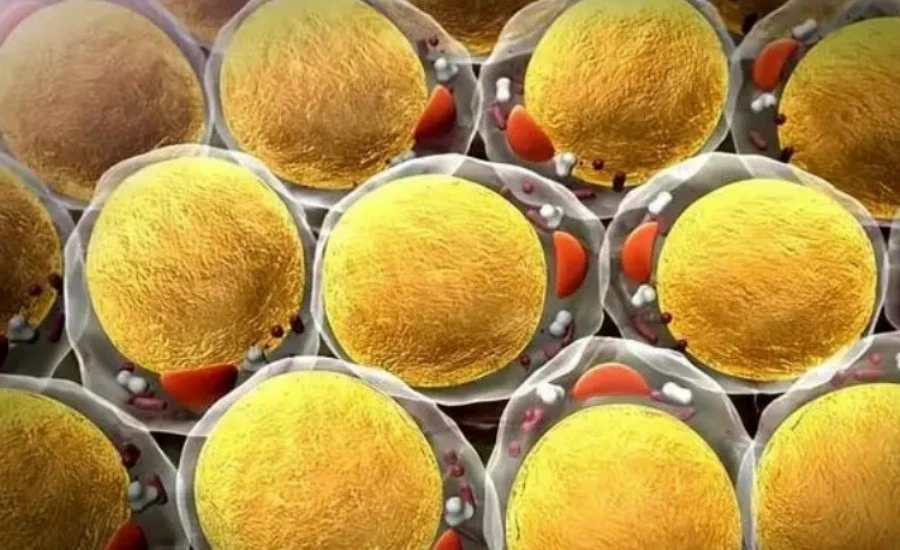
ATGL as the Rate-Limiting Step in Fat Breakdown
ATGL speeds up the step that limits the rate at which triglycerides are broken down. This step turns stored triglycerides into diacylglycerols and frees up fatty acids that can be used for energy. No matter what other metabolic processes are going on, fat mobilization stops when ATGL transcript is lowered. In obese people, NNMT overactivity makes this suppression worse by lowering NAD⁺ and slowing down SIRT1-driven transcriptional programs that normally boost ATGL expression.
How 5 Amino 1MQ Peptide Restores ATGL Activity
The 5 amino 1mq peptide returns NAD⁺ availability by blocking NNMT. This then turns on SIRT1 again and speeds up the production of ATGL. Studies on animals revealed that NNMTi-treated obese mice had significantly higher amounts of ATGL mRNA in their fat tissue compared to mice that were not treated.
The results could be seen: after 11 days of daily administration at 20 mg/kg, treated mice had a 35% decrease in the mass of white adipose tissue. The way that NNMT inhibition, NAD⁺ restoration, SIRT1 reactivation, and ATGL upregulation work together makes a clear and strong pathway that explains why 5-amino-1MQ peptide treatment speeds up lipolysis.

5 Amino 1MQ Peptide and HSL Activity in Adipose Tissue
HSL's Role in Hormone-Responsive Fat Release
ATGL breaks down triglycerides in the first step, and HSL finishes the hydrolysis of diacylglycerols. It also plays a key role in hormone-responsive lipolysis, which is when hormones like insulin and catecholamines cause lipolysis to happen. In fat tissue that is overweight, HSL activity is often slowed down. This makes it harder for the body to get rid of fat when metabolic dysfunction happens.
Evidence of HSL Upregulation With 5 Amino 1MQ Peptide Treatment
Preclinical results from DIO mouse models showed that treating adipose tissue with 5-amino-1MQ peptide increased the expression of HSL and ATGL genes. This dual upregulation points to a broad activation of the lipolytic machinery rather than a narrow effect on a single enzyme. Both ATGL and HSL can be upregulated at the same time, which makes the adipocyte much better at moving and releasing stored fat.

This broad lipolytic stimulation, which is caused by blocking NNMT and regenerating NAD⁺, is different from traditional approaches that focus on specific lipase pathways in terms of how they work.
How NNMT Inhibition by 5 Amino 1MQ Peptide Shifts Fat Metabolism

Mitochondrial Oxidative Phosphorylation and Energy Expenditure
One of the most interesting things about 5-amino-1MQ peptide is how it affects the operation of mitochondria. As a direct result of blocking NNMT, intracellular NAD⁺ levels rise. This is a key coenzyme in mitochondrial oxidative phosphorylation. When mitochondria have more NAD⁺, they work better and make more ATP from sources that come from fat. This increased mitochondrial activity helps explain why animals treated with NNMTi used more energy. It turns fat that has been mobilized into usable cellular energy instead of letting it be re-esterified and stored.
Plasma Lipid Normalization as a Downstream Marker
The 5 amino 1mq peptide caused metabolic changes that went beyond changes in fat tissue and included changes in the lipid profiles in the blood. During the 11-day DIO mouse study, plasma cholesterol levels dropped by about 30% and then rose to levels similar to those in lean control mice.
The compound's ability to change fat metabolism at both the tissue and organismal levels is shown by this normalization of systemic lipids. This is part of a larger metabolic rebalancing process that is caused by blocking NNMT upstream.

What Role Does 5 Amino 1MQ Peptide Play in the Lipolysis-Lipogenesis Balance?
Simultaneous Suppression of Lipogenic Gene Expression
People who are overweight or obese have too much lipogenesis, which is the process of making new fat, and not enough lipolysis. This process is led by important lipogenic enzymes like acetyl-CoA carboxylase (ACC) and fatty acid synthase (FAS). By messing up NAD⁺-dependent control pathways, NNMT activity tips the metabolic balance toward lipogenesis in fat tissue from obese people.
A 5-amino-1MQ peptide takes care of both sides of this mismatch. At the same time that it increases ATGL and HSL, it decreases the expression of FAS and ACC genes, which stops the production of new fat. This two-way effect-speeding up the breakdown of fat while stopping the production of fat-causes a hormonal shift that adds up and explains how much fat was lost in animal tests.
Preserving Lean Body Mass During Fat Loss
One interesting thing about 5-amino-1MQ peptide is that it burns fat without making you lose muscle.

Mice that were treated kept their lean body mass even though their fat tissue decreased a lot. Keeping skeletal muscle while losing fat is very important for basal metabolic rate because muscle burns more calories at rest, which makes it less likely that the fat will come back after the intervention. This is what makes it different from methods that only limit calories and cause weight loss without targeting specific areas. In these methods, muscle loss often happens along with fat loss.
Conclusion
There is a lot of evidence from preclinical models that shows that the 5 amino 1mq peptide helps break down fat through a clear NNMT inhibition pathway. By stopping NNMT, it raises NAD⁺ inside cells, turns on SIRT1, raises ATGL and HSL, stops lipogenic enzymes, raises mitochondrial energy usage, and keeps lean body mass at the same time. As a result, the body's metabolism shifts away from storing fat and toward using fat. This is done without making people lose their appetite, and studies on animals have shown that it is safe.
FAQ
Q1: Is 5 amino 1MQ peptide the same as NNMTi?
+
-
Yes, NNMTi stands for "NNMT inhibitor." In metabolic research today, it refers to 5-amino-1-methylquinolinium, which is the same chemical that is called 5-amino-1MQ peptide.
Q2: Does 5 amino 1MQ peptide suppress appetite to reduce fat?
+
-
No, preclinical tests did not find a significant change in the amount of food that treated animals and control animals ate. It works to reduce fat through metabolic processes, mainly by increasing lipolysis and decreasing lipogenesis. It does this without changing your hunger.
Q3: What purity level is appropriate for research use of 5 amino 1MQ peptide?
+
-
For solid preclinical research uses, a purity of at least 98% is usually suggested, along with detailed analysis paperwork that includes HPLC and MS data to make sure that the batch is the same from experiment to experiment.
Source Your 5 Amino 1MQ Peptide From Kpeptide - A Trusted Global Supplier
When your research demands precision, Kpeptide delivers. As a qualified supplier to 24 renowned international companies - spanning pharmaceutical, R&D, and new materials sectors - Kpeptide operates from a GMP-certified production site spanning 100,000 square meters, carrying US-FDA, EU-GMP, JP, and CFDA certifications. Every batch undergoes a triple-link quality verification process: factory inspection, in-house QA/QC analysis, and third-party authority agency review. Whether you need research-grade material with full analytical documentation or scalable bulk supply with regulatory compliance support, Kpeptide has the infrastructure and expertise to meet your requirements.

As a dedicated 5 amino 1mq peptide supplier, Kpeptide combines competitive pricing, reliable cold-chain logistics, and one-on-one professional service to accelerate your research goals. Reach out today and let us support your next project.
Contact us: sales@kpeptide.com.
References
1. Kraus D, Yang Q, Kong D, et al. Nicotinamide N-methyltransferase knockdown protects against diet-induced obesity. Nature. 2014;508(7495):258–262.
2. Hong S, Moreno-Navarrete JM, Wei X, et al. Nicotinamide N-methyltransferase regulates hepatic nutrient metabolism through Sirt1 protein stabilization. Nature Medicine. 2015;21(8):887–894.
3. Kannt A, Pfenninger A, Teichert L, et al. Association of nicotinamide-N-methyltransferase mRNA expression in human adipose tissue and the plasma concentration of nicotinamide-N-methyltransferase with markers of obesity in humans. International Journal of Obesity. 2015;39(11):1652–1660.
4. Eckert MA, Coscia F, Chryplewicz A, et al. Proteomics reveals NNMT as a master metabolic regulator of adipose tissue phenotype. Cell Metabolism. 2019;29(3):1–14.
5. Brachs S, Winkel AF, Tang H, et al. Inhibition of citrate cotransporter Slc13a5/mINDY by RNAi improves hepatic insulin sensitivity and prevents diet-induced non-alcoholic fatty liver disease in mice. Molecular Metabolism. 2016;5(11):1072–1082.
6. Rosen ED, Spiegelman BM. What we talk about when we talk about fat. Cell. 2014;156(1–2):20–44.


