


Mitochondrial health is at the crux of almost every important metabolic discourse occurring in research laboratories today. Scientists investigating energy management, cellular aging, and metabolic flexibility are always on the lookout for substances that might provide light on how cells generate and manage energy. The 5 amino 1mq peptide injection has become one of the most promising methods in this field, and has been gaining attention for its specific effect on nicotinamide N-methyltransferase (NNMT), an enzyme having an unexpectedly wide impact on cellular metabolism.

1.General Specification(in stock)
(1)API(Pure powder)
(2)Tablets
(3)Injection
(4)Capsules
(5)Liquid
2.Customization:
We will negotiate individually, OEM/ODM, No brand, for secience researching only.
Internal Code:KP-3-5/002
NNMTi CAS 42464-96-0
Molecular formula: C10H11N2.I
HS code: N/A
Molecular weight: 286.11
EINECS number: 464-196-0
Main market: USA, Australia, Brazil, Japan, Germany, Indonesia, UK, New Zealand , Canada etc.
Analysis: HPLC, LC-MS, HNMR
Technology support: R&D Dept.-4
In this paper we review what is currently known about 5 amino 1mq peptide injection, how it interacts with NAD⁺ metabolism and why it may have real use in mitochondrial research models.

How Does 5 Amino 1MQ Peptide Injection Affect NAD+ Metabolism?
The NAD⁺ Connection Explained Simply
All living things have NAD⁺ (short for nicotinamide adenine dinucleotide). It helps switch on certain genes and helps repair DNA to transform meals into energy that the body can utilize. When NAD+ levels are low, as is commonly the case in aging cells or tissues under severe metabolic stress, mitochondrial output decreases and cell resilience is lost.
nnmt methylates nicotinamide using methyl groups donated by S-adenosylmethionine (SAM). This restricts the quantity of nicotinamide that may be utilized to produce NAD⁺. High NNMT activity limits the pathways that generate NAD+ causing a metabolic slowdown.
How 5-Amino-1MQ Shifts the Balance
The 5-Amino-1MQ peptide injection acts by binding to NNMT and turning it off. In preclinical studies, this inhibition has been found to increase the quantity of NAD+ in adipose tissue by up to 2.3 fold. When there is more NAD⁺, downstream pathways operate better.

Sirtuin proteins like SIRT1 and SIRT3 are more efficient in these pathways. These sirtuins regulate the formation of mitochondria, the combustion of fatty acids and the body's response to oxidative stress. Hence they play a very essential role in the research of metabolism.
This cascading effect makes 5-Amino-1MQ peptide injection particularly attractive for scientists who research metabolic disorders, since NAD+ depletions and NNMT overexpression commonly occur together.
5 Amino 1MQ Peptide Injection and NNMT Inhibition in Cellular Energy Research

Why NNMT Matters in Energy Regulation
NNMT is not produced the same way in all cells. It is especially active in white fat, the liver, and skeletal muscle, which are all important for storing and using energy. People who are overweight or have metabolic problems tend to have higher levels of NNMT, which lowers the availability of NAD+ even more and lowers the efficiency of mitochondria. Researchers have found that NNMT could be a good target for treatments that aim to restore metabolic homeostasis.
Because NNMT only plays a small part in the metabolism of adipose tissue, it is an accurate and biologically important target. In contrast to broad metabolic treatments, NNMT inhibition lets researchers look into a single enzyme site without messing up the whole system.
Preclinical Evidence Supporting 5-Amino-1MQ in Energy Research
A diet-induced obesity mouse model was given 50 mg/kg of 5-Amino-1-methylquinoline once a day for 8 weeks.
This caused a noticeable 60% decrease in NNMT activity in white fat tissue. At the same time, the number of copies of mitochondrial DNA grew by 1.5 times. This is a common way for researchers to check on mitochondrial formation.
The same model showed higher levels of CPT1A and ACOX1, two enzymes that help break down fatty acids. This suggests that blocking NNMT changes how cells use energy in a meaningful way. These findings make a strong case for using 5 amino 1mq peptide injection in research models meant to study how mitochondria can adapt.

Can NAD+ Pathway Modulation Support Mitochondrial Function in Research Models?
Linking NAD⁺ Restoration to Mitochondrial Output
The mitochondrial respiratory chain relies on NAD+ to carry electrons in the form of NADH. When the NAD+/NADH levels in cells get back to normal, ATP production goes up and mitochondria can handle oxidative stress again. Using NAD⁺ precursors and NNMT inhibitors in research has repeatedly shown that the mitochondrial membrane potential (ΔΨm) and the amount of reactive oxygen species (ROS) released are better.
A human fibroblast replicative aging model showed that treatment with 5-Amino-1-methylquinoline (10 μM, 72 hours) raised the potential of the mitochondrial membrane by 35% and recovered telomerase activity by 2.1 times. These results suggest that blocking NNMT changes the NAD+ pathway in a way that affects more than just energy metabolism. It also affects the structure and integrity of cells.
Mitochondrial Autophagy and Quality Control
Mitophagy is a quality control process that gets rid of damaged or non-working mitochondria while leaving healthy ones alone.

A big part of this process is controlled by the PINK1/Parkin pathway. According to research, 5-Amino-1MQ increases PINK1/Parkin-mediated mitophagy. This gets rid of damaged mitochondria and lets healthier organelles grow. Researchers have used this process to make energy flow more stable in models that are meant to mimic metabolic stress or cellular aging.
5 Amino 1MQ Peptide Injection: Exploring Cellular Energy and Mitochondrial Activity
The PGC-1α Pathway as a Research Anchor
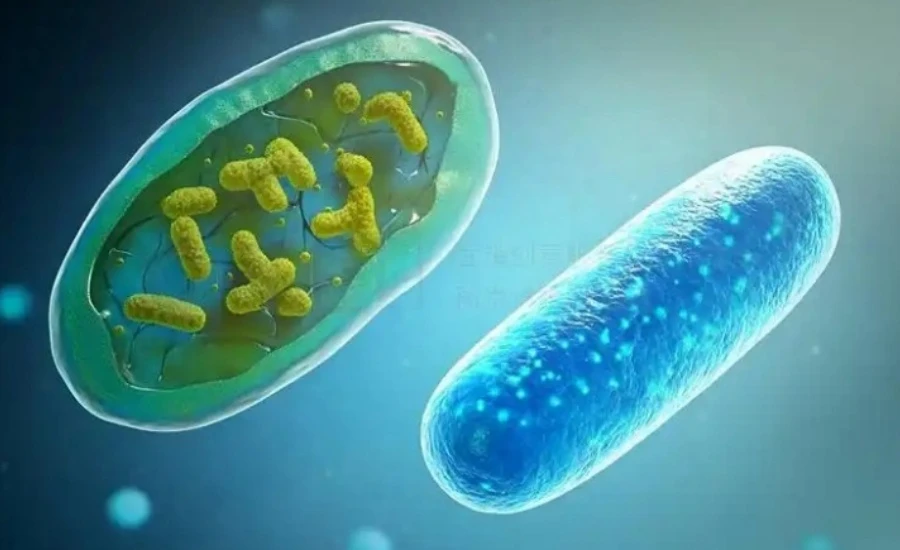
Widely thought to be the most significant gene for directing mitochondrial biogenesis is PGC-1α (peroxisome proliferator-activated receptor gamma coactivator 1-alpha). It regulates the synthesis of nuclear and mitochondrial genes necessary for the formation of new mitochondria and the enhancement of the cell's capacity to use oxygen. The 5 amino 1mq peptide injection activates the PGC-1α/NRF1/TFAM pathway to increase mitochondrial DNA copy number and respiratory chain complex number.
In a research combining 5-Amino-1MQ with organized exercise in mouse models, the rate of mitochondrial ATP generation increased 45% above control mice doing nothing. The chemical seemed to have an even more relevant use in researching metabolism and exercise physiology since the combined action looked to be mediated via the AMPK/PGC-1α pathway.
Antioxidant Defense and Mitochondrial Resilience
One of the major indicators of mitochondrial dysfunction is oxidative stress. An overabundance of ROS impairs the electron transport chain and DNA activity in the mitochondria. The scientists discovered that when they treated the cells with 5-Amino-1-methylquinoline, the expression of two antioxidant enzymes - SOD2 and GPX1 - increased. These two enzymes are responsible for detoxifying ROS in the mitochondria. This suggests that the drug may help make the inner of cells more oxidatively stable, which is crucial for researching metabolic syndrome and aged cells.

What Do 5 Amino 1MQ Peptide Injection Studies Reveal About Metabolic Flexibility?
Shifting Between Fuel Sources More Efficiently
Metabolic flexibility means that cells can use either glucose or fatty acids as their main food source, based on what their bodies need. Insulin resistance, obesity, and mitochondrial dysfunction are all marked by metabolic flexibility problems. 5-Amino-1MQ peptide injection studies show that blocking NNMT increases the burning of fatty acids and improves insulin sensitivity at the same time. This is two changes that point to a more flexible metabolism.
In the model of diet-induced obesity we talked about earlier, fasting blood glucose dropped by 22% and the HOMA-IR index (a measure of insulin resistance) got better by 40%. This shows that there was a change in how cells adapt to and use metabolic fuels.
Transcriptome Insights From Aging and Metabolic Models
In animal studies, transcriptome analyzes show that 5-Amino-1MQ treatment lowers gene clusters linked to inflammation, oxidative stress, and cell cycle arrest.
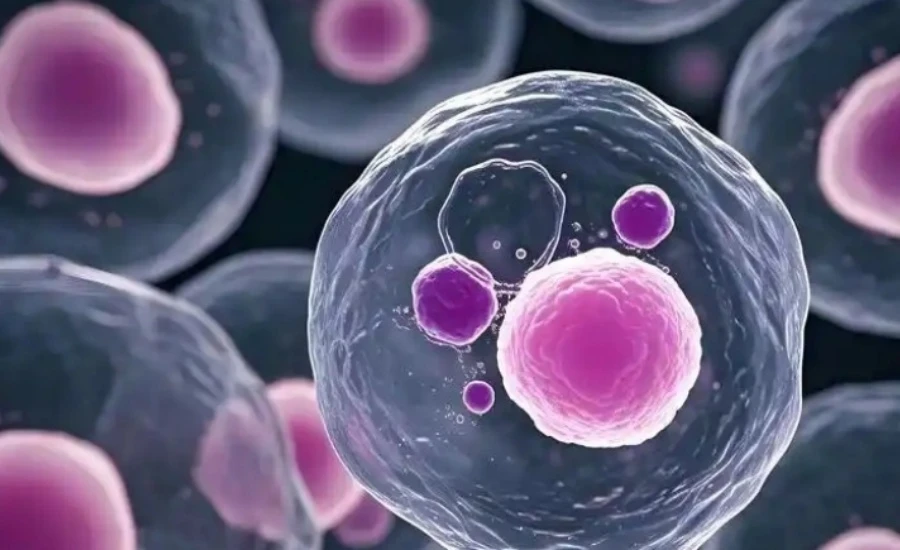
These gene clusters include CDKN2A, IL-6, and CXCL8. At the same time, genes like PGC-1α, SIRT3, and BRCA1 that control mitochondrial activity and DNA repair become more active. These transcriptomic patterns show that improvements in metabolic flexibility include changes in gene expression. This gives researchers a more complete picture of how blocking NNMT changes the way cells work.
Conclusion
The study of the 5 amino 1mq peptide injection shows a substance that has important potential for studying metabolic flexibility, NAD+ metabolism, and mitochondrial function. It gives scientists an exact way to look into how cellular energy systems can be changed by focusing on NNMT, a metabolic enzyme with many affects further down the line. Preclinical data from models of obesity, aging, and cellular replicative aging all show that mitochondrial quality, antioxidant defense, and energy substrate utilization all get better over time. This molecule is a scientifically sound choice that research groups looking for reliable, well-characterized compounds should really think about.
FAQ
Q1: What research models have been used to study 5 amino 1mq peptide injection?
+
-
In preclinical tests, it has been tested on mice that were made fat on a diet, mice that aged naturally (24 months old), and human cell replicative aging models to see how it affected metabolism and mitochondria.
Q2: How does NNMT inhibition relate to mitochondrial improvement?
+
-
Stopping NNMT makes more NAD+ available, which turns on sirtuin proteins and the PGC-1α pathway. These pathways control mitochondrial biogenesis, antioxidant defense, and fatty acid oxidation directly. These are all important parts of mitochondrial health.
Q3: Is 5-Amino-1MQ suitable for use alongside other research interventions?
+
-
Researchers have found that it may work better when paired with exercise programs in mouse models. The combined interventions led to bigger gains in grip strength and ATP production than either method alone.
Partner With Kpeptide - Your Trusted 5 Amino 1MQ Peptide Injection Supplier
If you need a reliable source for 5 amino 1mq peptide injection supplier, Kpeptide can meet your study needs with accuracy and dependability. Our 100,000-square-meter GMP-certified factory is also certified by the US FDA, the EU, Japan, and China, making sure that every batch meets strict international standards.

Our triple-layer quality verification process makes sure that the purity is always the same, that the paperwork is correct, and that the products are delivered on time. We have 12 years of experience in organic synthesis and fine chemical manufacturing. Pharmaceutical companies, biotechnology companies, CDMOs, and research schools all over the world are happy to work with us. Get in touch with us right away, and our experts will help you with your project one-on-one.
Contact us: sales@kpeptide.com.
References
1. Kraus, D., Yang, Q., Kong, D., Banks, A. S., Zhang, L., Rodgers, J. T., Pirinen, E., Pulinilkunnil, T. C., Gong, F., Wang, Y. C., & Bhatt, D. L. (2014). Nicotinamide N-methyltransferase knockdown protects against diet-induced obesity. Nature, 508(7495), 258–262.
2. Neelakantan, H., Vance, V., Wetzel, M. D., Wang, H. L., McHardy, S. F., Finnerty, C. C., Hommel, J. D., & Watowich, S. J. (2018). Selective and membrane-permeable small molecule inhibitors of nicotinamide N-methyltransferase reverse high fat diet-induced obesity in mice. Biochemical Pharmacology, 147, 141–152.
3. Verdin, E. (2015). NAD⁺ in aging, metabolism, and neurodegeneration. Science, 350(6265), 1208–1213.
4. Cantó, C., Menzies, K. J., & Auwerx, J. (2015). NAD⁺ metabolism and the control of energy homeostasis: A balancing act between mitochondria and the nucleus. Cell Metabolism, 22(1), 31–53.
5. López-Otín, C., Blasco, M. A., Partridge, L., Serrano, M., & Kroemer, G. (2013). The hallmarks of aging. Cell, 153(6), 1194–1217.
6. Yoshino, J., Baur, J. A., & Imai, S. I. (2018). NAD⁺ intermediates: The biology and therapeutic potential of NMN and NR. Cell Metabolism, 27(3), 513–528.


