


Liver health is the foundation of metabolic health. Excess fat in liver cells above normal levels triggers a series of events that impacts energy balance, insulin signaling and systemic inflammation. Recently researchers exploring this process have focused on a tiny chemical that targets a particular enzyme involved in fat formation, 5 amino 1mq peptide.

1.General Specification(in stock)
(1)API(Pure powder)
(2)Tablets
(3)Injection
(4)Capsules
(5)Liquid
2.Customization:
We will negotiate individually, OEM/ODM, No brand, for secience researching only.
Internal Code:KP-3-5/002
NNMTi CAS 42464-96-0
Molecular formula: C10H11N2.I
HS code: N/A
Molecular weight: 286.11
EINECS number: 464-196-0
Main market: USA, Australia, Brazil, Japan, Germany, Indonesia, UK, New Zealand , Canada etc.
Analysis: HPLC, LC-MS, HNMR
Technology support: R&D Dept.-4
The molecule is also known as 5-Amino-1-methylquinolinium chloride. Its mechanism of action involves the inhibition of nicotinamide N-methyltransferase (NNMT), whose overactivity has been strongly connected to disordered liver lipid management. What makes it especially attractive for investigators is its clear mechanism, its cell-permeability and the increasing evidence of the association of NNMT inhibition with better hepatic metabolic outcomes.
Pharmaceutical development, metabolic research or new molecular tools for your lab, knowing how 5 amino 1mq peptide interacts with liver metabolism offers interesting paths.

How Does 5 Amino 1MQ Peptide Affect Liver Lipid Metabolism?
The NNMT–NAD⁺ Axis in Hepatic Fat Handling
The liver is always balancing the processes of making fat and breaking it down. This balance is thrown off by NNMT, which uses up SAM (S-adenosylmethionine) and lowers NAD⁺, a chemical that is needed for mitochondrial energy production. Lowering NAD⁺ levels slows down mitochondrial oxidative phosphorylation, makes lipid oxidation less effective, and causes triglycerides to build up in hepatocytes.
5 amino 1mq peptide steps in right at this node. By stopping NNMT, it makes NAD⁺ bioavailable again, gets mitochondria working again, and changes the environment in the liver so that fat is broken down instead of stored. After using this inhibitor, researchers saw that genes that break down fat, like ATGL (adipose triglyceride lipase) and HSL (hormone-sensitive lipase), went up while genes that make fat, like FAS (fatty acid synthase) and ACC (acetyl-CoA carboxylase), went down.
Triglyceride Reduction and Lipid Profile Normalization
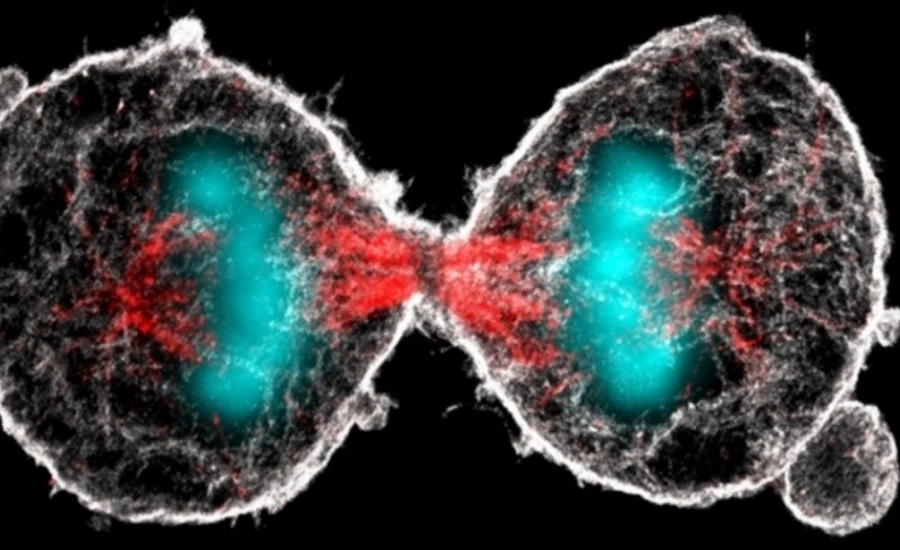
When NNMTi was given to diet-induced obese (DIO) mice, it reduced the amount of triglycerides in the liver, as well as the weight and volume of the liver. According to one study, plasma cholesterol levels dropped by about 30%, and the blood lipid balance returned to levels similar to those found in lean control animals. These results show that the compound does more than just lower fat markers on the skin's surface; it also changes the metabolic process that causes liver fat to build up.
5 Amino 1MQ Peptide and NNMT Expression in the Liver

Why NNMT Is Elevated in Metabolically Stressed Livers
People who are overweight or have metabolic problems that are linked to obesity have a lot more NNMT in their livers. It looks like this rise is a response to too many nutrients, but it makes the problem worse. Higher NNMT activity speeds up the loss of NAD+ and methyl donors, which makes it harder for metabolic genes to be controlled epigenetically and for the liver to handle fat intake efficiently.
Researchers have found a clear link between NNMT activity and hepatic steatosis and inflammatory infiltration. The higher the NNMT activity in the liver, the more noticeable these changes are. Because of this, NNMT is a good candidate to study the development of non-alcoholic fatty liver disease (NAFLD).
Selective Inhibition Without Off-Target Disruption
The selectivity of the 5 amino 1mq peptide makes it different from other metabolic interventions.
Researchers can use it to figure out how NNMT affects liver disease without having to worry about other factors that could be important because it only blocks NNMT. Because it is so accurate, it can be used to study the genetic landscape of liver lipid dysregulation and test therapeutic theories that target NNMT.

5 Amino 1MQ Peptide and Hepatic Fat Accumulation Research
Hepatic Steatosis Models and Observed Outcomes
NNMTi has been tested on high-fat diet (HFD) mouse models in basic study to see how it affects the buildup of fat in the liver. The results of different types of studies all followed the same pattern: animals that were treated had much less hepatic steatosis, fewer macrophages in their livers, and less of the pro-inflammatory chemicals TNF-α and IL-6 in their liver tissue. There was a real change in the liver's metabolic direction, not just a compensatory adjustment. Lipogenic gene expression went down significantly, while lipolytic pathways were increased.
Fat Mobilization from Adipose Tissue to the Liver
The flow of fat from adipose tissue to the liver is an important part of NAFLD pathogenesis that 5 amino 1mq peptide research helps to shed light on. Adipose tissue that isn't working right releases too many free fatty acids into the bloodstream when someone is obese.
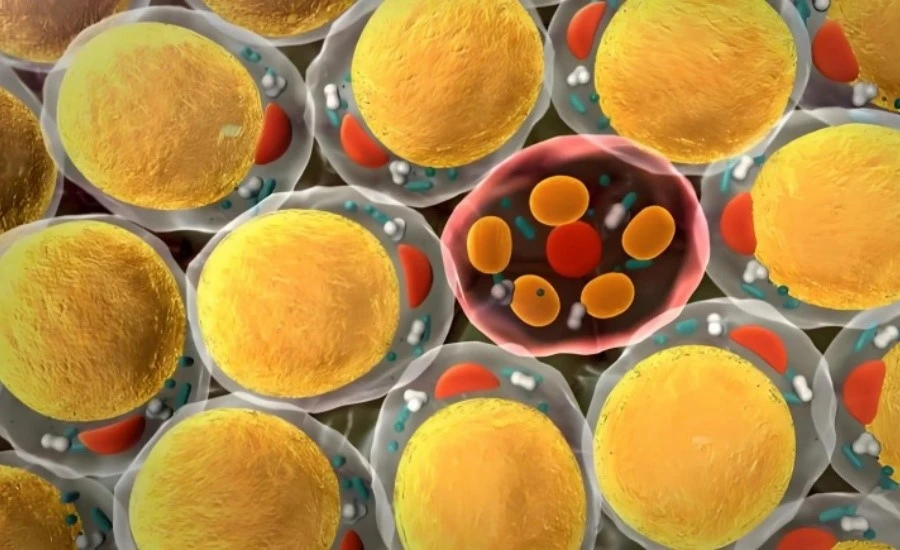
The liver absorbs these acids and has a hard time processing them. As 5 amino 1mq peptide changes both adipose lipid metabolism and liver function, it provides a two-axis research model that lets researchers look at how lowering upstream fat mobilization lowers liver fat burden at the same time.
How 5 Amino 1MQ Peptide Is Studied in Obesity-Related Liver Metabolism

Animal Models and Dosing Protocols
In order to study this drug in a normal way before it is used in humans, DIO mouse models are given daily doses of NNMTi for 11 to 28 days. Researchers saw big drops in body weight and liver fat content when people took 20 mg/kg per day for 11 days. Longer 28-day protocols confirmed that insulin sensitivity and hepatic lipid metabolism got better with increasing doses, and there were no changes in food intake, physical activity, or organ function markers that could be seen.
Combined Intervention Research
Researchers have also looked at NNMTi when it is combined with other metabolic drugs and a limited diet. When combined with a low-calorie diet, the substance improved liver metabolism more quickly than either intervention by itself. This was because the two actions worked together to lower fat intake and increase fat burning inside cells.
As metabolic research moves toward multi-target strategies, these combined protocols become more useful for studying the 5 amino 1mq peptide.

What Role Does 5 Amino 1MQ Peptide Play in Hepatic Metabolic Regulation?
Activating the SIRT1 Pathway in Liver Cells
SIRT1 activity is one of the main ways that this chemical affects the liver. NNMTi turns on SIRT1, a deacetylase that controls metabolic gene transcription, by blocking NNMT and raising NAD⁺ levels. When SIRT1 is turned on in the liver, it stops lipogenic transcription factors from working, speeds up the burning of fatty acids, and limits the expression of genes that cause inflammation. This pathway link makes the 5 amino 1mq peptide a metabolic regulator that has many effects on the liver's health.
Reducing Hepatic Inflammatory Signaling
In addition to lowering cholesterol levels, NNMTi treatment also lowers signals that cause inflammation in the liver. It lowers the chronic low-grade inflammation that speeds up liver damage in metabolic states of obesity by stopping the activation of the NF-κB pathway. This is a side effect of NNMT being too active. The substance also helps release lipid molecules that reduce inflammation, which makes the hepatic microenvironment more balanced.

Because of these effects, it is not just one-pathway agent but a multifunctional molecular tool for studying liver metabolism.
Conclusion
More and more evidence points to the 5 amino 1mq peptide as a useful molecule for studying liver chemistry. It can restore NAD+ balance, stop lipogenic pathways, lower liver inflammation, and change how fat is mobilized from adipose tissue. This makes it a useful tool for researchers who want to understand the molecular mechanisms behind liver fat buildup. As we learn more about NNMT's role in metabolic diseases, the need for trustworthy, top-notch NNMTi will only increase.
FAQ
Q1: What is 5 amino 1mq peptide used for in liver metabolism research?
+
-
The 5 amino 1mq peptide is used to selectively block NNMT in order to study how low levels of NAD+ and high levels of lipogenic genes lead to fat buildup in the liver. Researchers use it in preclinical models to look at how it lowers triglycerides, turns on the SIRT1 pathway, and affects inflammatory signaling in liver tissue.
Q2: Is 5 amino 1mq peptide suitable for in vivo liver metabolism studies?
+
-
NNMTi does improve hepatic lipid content, liver weight, and metabolic gene expression without having any negative effects on organ function markers over study periods of up to 28 days, as shown by several studies using diet-induced obese mice.
Q3: What documentation is available when sourcing 5 amino 1mq peptide for pharmaceutical or research use?
+
-
Reliable suppliers, such as Kpeptide, offer HPLC and MS analytical data, batch certificates, GMP documentation, and CMC files that can be used in research and pharmaceuticals. For research-grade and pharmaceutical-grade supplies, purity levels of at least 98% are normal.
Source Your 5 Amino 1MQ Peptide from Kpeptide - A Trusted Supplier for Serious Research
When the accuracy of your study is important, so must your supply line. Kpeptide is a qualified 5 amino 1mq peptide supplier. They have been making organic compounds and fine chemicals for over 12 years. Our 100,000-square-meter GMP-certified production plant is approved by the US FDA, the EU, Japan, and the CFDA. It has also been inspected by governing bodies such as the PMDA and BGV-Hamburg Germany.

We offer three levels of quality assurance: testing at the plant level, review by our own QA/QC team, and confirmation by a third-party authority agency. Every batch comes with full CMC support, HPLC data, and extensive analytical paperwork that is specific to the needs of pharmaceutical, biotechnology, and research organizations. Our prices are clear, our wait times are accurate, and from the time you call us until the package arrives, our team works with you directly.
Reach out today and let us support your research with the quality and reliability it deserves. Contact us at sales@kpeptide.com.
References
1. Kraus, D., Yang, Q., Kong, D., Banks, A. S., Zhang, L., Rodgers, J. T., Pirinen, E., Pulinilkunnil, T. C., Gong, F., Wang, Y. C., Cen, Y., Sauve, A. A., Asara, J. M., Peroni, O. D., & Bhatt, D. L. (2014). Nicotinamide N-methyltransferase knockdown protects against diet-induced obesity. Nature, 508(7495), 258–262.
2. Pissios, P. (2017). Nicotinamide N-methyltransferase: More than a vitamin B3 clearance enzyme. Trends in Endocrinology & Metabolism, 28(5), 340–353.
3. Hong, S., Moreno-Navarrete, J. M., Wei, X., Kikukawa, Y., Bhargava, P., Bhargava, P., Ding, Y., Fernandez-Real, J. M., & Bhatt, D. L. (2015). Nicotinamide N-methyltransferase regulates hepatic nutrient metabolism through Sirt1 protein stabilization. Nature Medicine, 21(8), 887–894.
4. Neelakantan, H., Wang, H. Y. L., Vance, V., Hommel, J. D., McHardy, S. F., & Watowich, S. J. (2018). Structure-activity relationship for small molecule inhibitors of nicotinamide N-methyltransferase. Journal of Medicinal Chemistry, 61(10), 4524–4535.
5. Eckert, M. A., Coscia, F., Chryplewicz, A., Chang, J. W., Hernandez, K. M., Pan, S., Tienda, S. M., Nahotko, D. A., Li, G., Blaženović, I., Lastra, R. R., Curtis, M., Yamada, S. D., Perets, R., McGregor, S. M., Sikora, A. G., Bhatt, D. L., Bhargava, R., Bhargava, P., & Bhatt, D. L. (2019). Proteomics reveals NNMT as a master metabolic regulator of cancer-associated fibroblasts. Nature, 569(7758), 723–728.
6. Campagna, R., Vignini, A., Morresi, C., Fantetti, G., & Egidi, M. F. (2021). NAD⁺ metabolism and its roles in cellular processes during ageing. International Journal of Molecular Sciences, 22(24), 13441.


