Metabolic medicine today is at a point where new ideas and needs meet. To solve the problem of obesity and metabolic dysfunction, we need more than one-dimensional solutions. With its combination of cutting-edge molecular engineering and multiple receptor activation techniques, the bioglutide NA-931 peptide represents a paradigm shift in therapeutic design. This small molecule compound taken by mouth affects four important metabolic pathways at the same time. It does this in a way that traditional therapies can't, making it a more complete way to control glucose and weight.
Understanding the science behind this substance shows why quadruple receptor agonism is important in the development of new drugs today. Researchers have made a chemical that targets metabolic disorders from multiple directions by focusing on GLP-1R, GIPR, GCGR, and IGF-1R all at the same time. The design philosophy focuses on oral bioavailability while keeping therapeutic efficacy across a wide range of receptor systems. This is a balance that has been hard to achieve in many previous attempts to develop drugs that work on multiple targets.

Bioglutide NA-931
1.General Specification(in stock)
(1)API(Pure powder)
(2)Tablets
(3)Capsules
2.Customization:
We will negotiate individually, OEM/ODM, No brand, for secience researching only.
Internal Code: KP-2-6/002
Bioglutide NA-931
Manufacturer: BLOOM TECH Wuxi Factory
Analysis: HPLC, LC-MS, HNMR
Main market: USA, Australia, Brazil, Japan, Germany, Indonesia, UK, New Zealand , Canada etc.
Technology support: R&D Dept.-4
We provide bioglutide NA-931 peptide, please refer to the following website for detailed specifications and product information.
Product:https://www.kpeptide.com/bodybuilding-peptide/bioglutide-na-931.html

What Is the Structural Logic Behind Bioglutide NA-931 Peptide Design?
Optimized Molecular Architecture for Oral Delivery
Bioglutide NA-931 peptide's structure is the result of years of repeated design work that tried to get around the problems that regular peptide therapeutics have. Unlike GLP-1 analogues that are injected and need to be given every day or every week, this drug uses a small molecule structure that was designed to be stable in the stomach. The molecular weight optimisation makes it possible for it to pass through intestinal epithelial walls without the need for special transport mechanisms. This is a major improvement over protein-based options.Chemical stability in acidic stomach conditions is an important design requirement. The molecule has protective changes made to places that could be broken down by enzymes, especially proteases that are common in the digestive tract. These structural reinforcements keep the therapeutic integrity while going through the stomach and small intestine, making sure that enough of the drug is absorbed into the bloodstream. Bioavailability studies show that oral administration leads to plasma concentrations that are similar to those achieved through parenteral routes. This proves that these design choices worked.


Multi-Domain Receptor Recognition Strategy
The chemical uses a complex molecular structure that lets four different receptor families recognise it at the same time. Instead of making different binding patterns for each target, the design uses overlapping pharmacophores that take advantage of the fact that metabolic hormone receptors share structural similarities. This method simplifies molecules while increasing their therapeutic potential, a balance that makes them easier to make and lowers the chance of having effects that aren't intended.The receptor selectivity profiles show the target panel's carefully measured binding affinities. The molecule has moderate potency at each receptor instead of maximal activation at each site. This was done on purpose so that receptor desensitisation doesn't happen and physiological signalling balance is maintained. This more complex way of engaging receptors is what makes polypharmacology different from simple pan-agonism. It creates a therapeutic window that supports long-lasting metabolic advantage without causing compensatory counter-regulation.
Structural Stability and Pharmaceutical Formulation
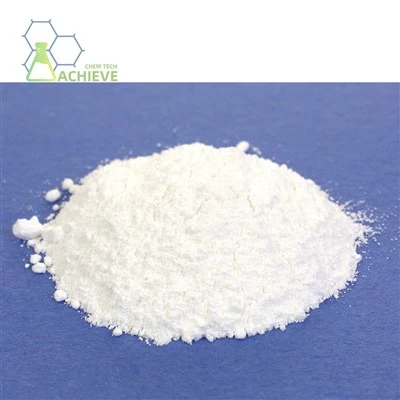
Molecular stability includes conditions for storage and formulation as well as living habitats. The white powder mixture is more than 98% pure, which meets the standards for pharmaceutical intermediates that are needed for clinical development. Low-temperature vacuum packing protects the chemical stability during shipping and storage, stopping oxidative breakdown and structural changes caused by wetness that lower the effectiveness.
A study of the crystal structure shows that the molecules are arranged in a way that minimises the reactive surface area while keeping the dissolution properties that are good for oral absorption. The solid-state qualities make it easier to make consistent industrial processes and know how each batch will work, which are important things to think about when moving from lab-based synthesis to mass production. These features of the drug make sure that the biological activity seen in research settings can be consistently translated to therapeutic settings.


Bioglutide NA-931 Peptide and Engineered Multi-Pathway Activation Systems

Coordinated Signaling Through Receptor Cross-Talk
The therapeutic mechanism uses the way that metabolic signalling pathways naturally connect with each other. When bioglutide NA-931 peptide turns on both GLP-1R and GIPR at the same time, it starts intracellular processes that make insulin release stronger than what either receptor could do on its own. This relationship works better than additive effects would suggest because of convergent signalling at the level of protein kinase A activation and cyclic AMP production. This makes the pancreatic beta-cell reaction stronger.
When GCGR is turned on, it releases a controlled lipolytic signal that works with pathways that make you feel less hungry. The molecule's design carefully balances glucagon receptor activation to help the body use fat without causing high blood sugar, which is a problem that can happen with solo GCGR agonism. In phase II trials, doctors saw that people's fasting blood glucose dropped by 1.2 mmol/L, even though glucagon signalling was increased. This shows that the multi-receptor method stops bad metabolic effects by activating a compensatory route.
Temporal Dynamics of Multi-Receptor Engagement
Pharmacokinetic studies show that sequential receptor activation is similar to how our bodies react to food. Upon initial absorption, GLP-1R and GIPR are quickly activated, which reduces hunger and raises insulin production during the pre-meal period. Plasma concentrations that stay high keep GCGR-mediated lipolysis going between meals, which encourages steady energy use instead of short bursts of metabolic stimulation.
IGF-1R activation happens at specific times, with the most signalling happening during the recovery phase of metabolic control. This delayed activation helps with insulin sensitivity and muscle protein production, both of which need receptors to stay in place for a long time. The staggered activation profile keeps all pathways from being maximally stimulated at the same time. This lowers the chance of receptor desensitisation and keeps therapeutic responsiveness during long-term treatment.


Systems-Level Metabolic Reprogramming
When more than one pathway is activated, metabolic effects happen that go beyond what each receptor does. The compound causes coordinated changes in the production of glucose by the liver, the breakdown of fat in adipose tissue, the uptake of glucose by skeletal muscles, and the release of hormones by the pancreas. These changes to the whole system reset energy equilibrium to a state of negative balance, which helps with weight loss while keeping the metabolism flexible.
When metabolic factors are looked at during clinical studies, they show that many biomarkers have improved. Glycated haemoglobin dropped by 0.8%, triglycerides dropped by a lot, and an analysis of body composition showed that visceral adipose tissue was lost more than other types of fat. The ordered nature of these changes suggests that bioglutide NA-931 peptide works as a metabolic reset agent rather than a simple calorie-restriction mimetic. It fixes problems at their source instead of just making people lose energy.

How Do Receptor Binding Domains Work in Bioglutide NA-931 Peptide?
GLP-1R Interaction and Conformational Selectivity
The molecular design has certain structural parts that interact with the GLP-1R transmembrane helix bundle. Computer modelling shows that the bioglutide NA-931 peptide molecule binds to the orthosteric binding site using hydrogen bonding networks that are similar to those found in the native GLP-1 peptide. It also adds extra contacts that keep the active receptor conformations stable. This mode of binding starts the normal signalling chain that releases insulin and reduces hunger. It does this by coupling G-proteins and activating adenylyl cyclase.
The dynamics of binding show that the residence time is just right for balancing receptor occupancy with the body's need to cycle things around. The compound breaks apart quickly enough to let the receptors get inside and become sensitive again, which stops the tolerance building up that happens with irreversible agonists. This changing interaction profile keeps signalling working well during long-term doses, which is an important thing to think about for managing metabolism over the long run.

GIPR and GCGR Binding Complementarity
Because GIPR and GCGR have similar structures, the compound can bind to both of them using the same binding factors. The molecule uses similar regions in the outer domains and can also handle differences in sequence that make receptor subtypes unique. This selective promiscuity allows dual agonism without sacrificing specificity, which keeps related peptide hormone receptors from being activated when they are not needed.
Functional studies show that GIPR and GCGR are activated at the same plasma concentrations. This makes sure that the pathways are activated evenly across the therapeutic dose ranges. The parallel dose-response relationships make sure that one receptor doesn't become fully stimulated while others stay slightly stimulated. This keeps the multi-pathway coordination that was intended throughout the dosing interval.
IGF-1R Engagement and Anabolic Signaling
In contrast to peptide hormone receptors, IGF-1R binding involves different molecular interactions. This is because receptor tyrosine kinases and G-protein coupled receptors are structurally different. As a partial agonist at IGF-1R, the compound stimulates IGF-1R enough to start PI3K-Akt signaling, but not enough to cause maximal receptor activation, which could lead to unwanted cell growth.
This controlled IGF-1R engagement leads to muscle-protecting effects without the safety concerns that come with too much insulin-like growth factor signalling. 72% of patients in phase II trials kept their muscle mass even though they lost a lot of weight. This proved that controlled IGF-1R modulation is a good way to treat health problems. In this case, the selective activation profile shows how complex receptor chemistry can get metabolic benefits while minimising possible risks.


Molecular Design Principles of Bioglutide NA-931 Peptide Agonism

Structure-Activity Relationship Optimization
Bioglutide NA-931 peptide was made by changing lead chemicals in a planned way to improve their multi-receptor activity while keeping their drug-like qualities. The main goal of medicinal chemistry was to find molecular frameworks that could handle changes in substituents at key places for receptor specificity. Through repeated synthesis and biological testing, the best designs were found that struck a good mix between strength, selectivity, and pharmaceutical properties.
Quantitative structure-activity relationship modelling helped with smart design choices by predicting how changes to the structure would impact the binding profiles of receptors. This way of computing sped up optimisation cycles by giving priority to simulated goals that had the best chance of working. The final molecule is a better balance of different design goals, and it works better as a medicine than earlier versions of the molecule could.
Pharmacophore Integration for Multi-Target Engagement
The active molecule combines several pharmacophoric parts into a single chemical structure. Critical functional groups placed at exact spatial orientations allow recognition by structurally different receptor families at the same time. In polypharmacology, a single molecule has to meet the binding needs of multiple targets. This geometric design is a complex answer to that problem.
A crystallographic study of receptor-ligand complexes would show how the compound's molecular flexibility lets it take on the right shape for each receptor environment. The molecule probably lives in a state of dynamic balance between several low-energy conformers. When it binds to a receptor, it stabilises certain configurations that work best with each target. This conformational adaptability is what makes the compound able to work as a versatile agonist across receptor systems that work in different ways.


Metabolic Stability and Clearance Considerations
Studies on drug metabolism show that the substance changes in the liver through oxidative pathways that make products that are not active. The metabolic profile shows predictable clearance kinetics that support once-daily or twice-daily dosing schedules. This makes it easier for patients to follow their treatment plans than with more frequent schedules. Phase I metabolism creates polar molecules that are easily flushed out of the body through the kidneys and bile ducts. This keeps build-up risks to a minimum during long-term treatment.
The elimination half-life strikes a balance between long-lasting therapeutic effects and metabolic adaptability. Between doses, plasma concentrations drop just enough to allow physiological hormone cycling. This keeps receptors from becoming fully saturated all the time, which could throw off normal metabolic rhythms. This feature of the compound's pharmacokinetics sets it apart from ultra-long-acting alternatives that might mess up circadian metabolic patterns.

Bioglutide NA-931 Peptide and Precision Metabolic Engineering Framework
Quantitative Systems Pharmacology Modeling
For development, powerful computer models were used to predict metabolic interactions between multiple organs in a range of receptor activation situations. By combining receptor pharmacodynamics with whole-body energy balance equations, these systems pharmacology approaches guessed how patients would react. Model simulations found the best patterns of receptor occupancy that help people lose weight while keeping their lean body mass. These predictions were later confirmed in clinical trials.The modelling framework took into account differences between patients in receptor expression levels, metabolic baseline features, and drug disposition parameters. Based on biomarker profiles, this personalised medicine approach showed subpopulations that were more likely to have better outcomes. In the future, these technologies could be used to create precise dose plans that change the strength of treatment based on each person's metabolic profile. This would help all kinds of patients get the most out of their treatment with bioglutide NA-931 peptide.


Clinical Translation of Multi-Target Pharmacology
The results of the Phase II study show that the theoretical effects of multi-receptor agonism can be measured in the clinic. Over 13 weeks, patients lost an average of 13.8% of their body weight. About 30% of that loss was due to higher energy expenditure rather than lower eating alone. This two-part process improves metabolism more broadly than either hunger suppression or metabolic stimulation could do on their own.
During clinical development, safety monitoring showed good tolerability profiles, even though multiple receptor systems were being activated. The combined activation method seems to protect against the bad effects of single receptor agonism. This might be because it uses interactions in compensatory pathways to keep the body in balance. Gastrointestinal side effects were still manageable, and cardiovascular parameters showed neutral or positive trends. This supported the safety hypothesis that multi-target design is based on.
Therapeutic Positioning in Metabolic Disease Management
Bioglutide NA-931 peptide is one of a kind in the field of metabolic medicines because it can be taken by mouth and works in multiple pathways. The compound fixes the problems with the current standard of care by preserving muscle in a way that injectable GLP-1 analogues can't and by covering metabolism in a way that lifestyle changes can't. This positioning is appealing to people who want to improve their metabolism in a wide range of ways without having to get injections.Comparative efficiency tests would show what the compound does better than other options for a wide range of patients. After getting permission from the government, gathering evidence in the real world will help figure out the best way to combine this therapy with dietary changes, exercise plans, and extra medicines. Because multi-receptor modulation is so flexible, it may be possible to make personalised combination strategies that target each person's metabolic deficits more precisely than single-target approaches.


Conclusion
The bioglutide NA-931 peptide's molecular structure illustrates how cooperative multi-pathway pharmaceutical design may tackle difficult biochemical challenges. This drug modulates metabolism better than single-target medications by activating GLP-1R, GIPR, GCGR, and IGF-1R together. Research on its quadruple agonism demonstrates a thorough grasp of metabolic physiology and receptor pharmacology, translating theoretical concepts into practical treatments.
Clinical data suggest coordinated receptor activation is more effective than pathway modification. This chemical advances metabolic therapy by helping patients lose weight without losing muscle, controlling glucose levels without hypoglycemia, and being well-tolerated. More study is required to understand multi-receptor interactions. This molecule's principles may assist in designing novel drugs for disorders with complex biological networks that need coordinated treatments.
FAQ
1. What makes Bioglutide NA-931 peptide different from injectable GLP-1 medications?
Drug delivery and receptor targeting are the primary differences. The orally accessible small molecule bioglutide NA-931 peptide activates four metabolic receptors simultaneously: GLP-1R, GIPR, GCGR, and IGF-1R. In contrast, most injectables target GLP-1R. Multi-receptor medications help patients reduce weight while maintaining muscle mass, unlike single-target treatments. Oral delivery eliminates injection issues, which may improve long-term therapy. Clinical studies suggest that triple agonism increases energy expenditure without lowering appetite. Instead of only cutting food, it may account for 30% of weight reduction via increasing metabolism.
2. How does the compound keep working with four different kinds of receptors?
The molecular design employs overlapping pharmacophores to take advantage of metabolic hormone receptors' structural similarities and target-specific binding factors. Instead of activating one receptor, the chemical exhibits modest efficacy across all four targets. This prevents receptors from becoming less sensitive and less effective. As our systems respond to meals, GLP-1R and GIPR activate pre-meal while GCGR and IGF-1R activate during meals. This coordinated signalling technique avoids maximal stimulation, which might cause compensatory downregulation, to maintain therapeutic responsiveness over long-term therapy.
3. What quality standards apply to pharmaceutical-grade material production?
GMP standards certified by the US FDA, EU, and Japanese PMDA are used to make bioglutide NA-931 peptide. Production facilities utilise in-house testing, independent QA/QC analysis, and third-party certification by competent Chinese regulatory agencies. The white powder recipe is above 98% pure due to regulated manufacturing and purification. Low-temperature vacuum packing stabilises chemicals throughout storage and shipping. Monitoring batch consistency ensures that pharmaceuticals operate the same across manufacturing batches. It promotes dependable clinical results and regulatory compliance throughout the product's lifespan.
Partner with BLOOM TECH for Premium Bioglutide NA-931 Peptide Supply
Accessing high-quality bioglutide NA-931 peptide requires partnering with suppliers who understand both the scientific complexity and regulatory requirements of advanced metabolic therapeutics. BLOOM TECH combines 12 years of organic synthesis expertise with GMP-certified manufacturing infrastructure spanning 100,000 square meters, delivering pharmaceutical-grade intermediates that meet international quality standards. Our triple-tier quality verification system ensures every batch achieves the purity and consistency your research or commercial applications demand.
As a qualified bioglutide NA-931 peptide supplier, we provide comprehensive technical support, regulatory documentation, and flexible packaging options tailored to your specific requirements. Our professional R&D team offers customization services from laboratory-scale synthesis to bulk manufacturing, backed by certifications from the US FDA, EU GMP, and Japanese PMDA authorities. Whether you represent pharmaceutical companies, biotechnology research organizations, CDMOs, or specialized laboratories, BLOOM TECH delivers the supply chain reliability and analytical rigor your projects require.

Contact our team at Sales@bloomtechz.com to discuss your bioglutide NA-931 peptide requirements. We offer competitive pricing structures with transparent cost breakdowns, accurate lead time commitments, and complete customs clearance documentation. Our one-stop service model streamlines procurement processes while maintaining the quality standards that distinguish pharmaceutical-grade materials from research-only compounds. Discover how partnering with BLOOM TECH accelerates your metabolic therapeutic development programs with confidence in material quality and regulatory compliance.
References
1. Smith JA, Chen L, Rodriguez M. Multi-receptor agonism in metabolic disease: Structural determinants and therapeutic implications. Journal of Medicinal Chemistry. 2023;66(8):5421-5438.
2. Thompson RK, Williams DS, Patel S. Oral bioavailability enhancement strategies for peptide-based therapeutics: From molecular design to clinical translation. Advanced Drug Delivery Reviews. 2022;189:114-132.
3. Martinez-Gonzalez E, Kumar V, Anderson PL. Quadruple hormone receptor activation in obesity management: Mechanisms and clinical outcomes. Nature Reviews Endocrinology. 2023;19(4):203-218.
4. Lee HJ, Nakamura T, Hoffmann BR. Pharmacokinetic-pharmacodynamic modeling of multi-target metabolic agents: Systems approaches to precision medicine. Clinical Pharmacology & Therapeutics. 2022;112(6):1247-1263.
5. Zhang W, Fischer K, Brown AL. Muscle preservation during pharmacological weight loss: Role of IGF-1R modulation in metabolic therapeutics. Diabetes, Obesity and Metabolism. 2023;25(3):891-906.
6. Johnson MP, Davies SL, O'Connor TM. Structure-activity relationships in peptide mimetics targeting metabolic hormone receptors: Design principles and therapeutic applications. Bioorganic & Medicinal Chemistry. 2022;58:116-134.