


Metabolic health continues to be a major area of investigation in current biomedical research, especially as scientists seek new techniques to tackle issues of weight control and diseases of energy balance. Emerging chemicals that are garnering interest include 5 amino 1mq peptide injection, a new class of small-molecule intervention targeting particular enzyme pathways involved in cellular metabolism. This synthetic drug, officially known as 5-Amino-1-methylquinoline, works by altering the activity of nicotinamide N-methyltransferase, an enzyme that is increasingly becoming recognised as important in fat formation and energy expenditure. This technique works at the cellular level, unlike typical metabolic therapies, and might transform how researchers think about metabolic dysfunction and therapeutic options.

1.General Specification(in stock)
(1)API(Pure powder)
(2)Tablets
(3)Injection
(4)Capsules
(5)Liquid
2.Customization:
We will negotiate individually, OEM/ODM, No brand, for secience researching only.
Internal Code:KP-3-5/002
NNMTi CAS 42464-96-0
Molecular formula: C10H11N2.I
HS code: N/A
Molecular weight: 286.11
EINECS number: 464-196-0
Main market: USA, Australia, Brazil, Japan, Germany, Indonesia, UK, New Zealand , Canada etc.
Analysis: HPLC, LC-MS, HNMR
Technology support: R&D Dept.-4
Inhibition of enzymes may help researchers understand metabolic control in more detail and can open up new avenues for exploring diseases linked to obesity and age-related metabolic decline. The way the molecule works is by changing the amount of NAD+ available to cells, which then impacts several downstream metabolic processes. Administration of substance has been linked in recent preclinical research to quantifiable changes in adipose tissue composition, mitochondrial activity and indicators of insulin sensitivity in laboratory animals. These results imply that targeting NNMT activity might alter a number of metabolic pathways at once, giving a complete strategy as opposed to dealing with discrete symptoms.

What Makes 5 Amino 1MQ Peptide Injection Relevant to Metabolic Research?
Understanding NNMT as a Metabolic Regulator
This enzyme, nicotinamide N-methyltransferase, is very important for cell metabolism, especially in fat tissue where it works very well. This enzyme helps change nicotinamide into 1-methylnicotinamide and S-adenosylhomocysteine by giving S-adenosylmethionine as a methyl source. Researchers have seen that higher NNMT activity is linked to lower NAD+ solubility, which in turn lowers sirtuin protein activity. Sirtuin proteins are important for controlling cellular metabolism and processes that lead to life. The 5 amino 1mq peptide injection directly blocks this enzyme process, stopping NNMT from using up NAD+ stores in cells and possibly restoring metabolic balance.
The Scientific Rationale Behind Enzyme Inhibition
More and more research in metabolism has pointed to NAD+ as a key molecule controlling energy balance. When NNMT activity goes up too much, cells lose NAD+, which makes mitochondrial oxidative phosphorylation less effective and limits the ability to burn fat.


The compound stops NNMT from working, which lets NAD+ levels rise again. This could reactivate pathways that help the body use energy and work more efficiently. Researchers in the lab using diet-induced obesity models have shown that systemic administration raises the amount of NAD+ in white adipose tissue and increases the activation of genes related to thermogenesis and fat oxidation even more.
Research Applications in Metabolic Syndrome Studies
Insulin resistance, dyslipidemia, and central fat are some of the diseases that make up metabolic syndrome. The molecular mechanisms underlying these connected conditions are being examined in current research to see if 5 amino 1mq peptide injection could be used as an experimental tool. Preclinical results show that the compound changes several metabolic factors at the same time. For example, it lowers body weight, improves glucose tolerance, and changes the lipid profiles of animal models. Researchers who want to learn more about how enzymatic activity, epigenetic regulation, and metabolic results all work together will find these impacts useful.
Because the substance only reacts with NNMT, it also helps researchers separate the enzyme's role in metabolic failure from other factors that could be causing problems.

5 Amino 1MQ Peptide Injection and the Cellular Energy Balance
NAD+ Restoration and Mitochondrial Function
Through oxidative phosphorylation, carbohydrates are turned into adenosine triphosphate in mitochondria, which is the main place where cells make energy. To work properly, this process needs the right amount of NAD+ because NAD+ is an important electron transporter in the electron transport chain. When NNMT activity uses up all the NAD+ stores, mitochondrial respiration is harmed. This means that less ATP is made and more glycolytic routes that aren't as efficient are used. According to research, the substance balances the NAD+ and NADH levels inside cells, which might make mitochondrial production and respiratory function better. Experiments on aging mice show that treatment increases the number of copies of mitochondrial DNA and the expression of respiratory chain complexes. This suggests that the quality and quantity of mitochondria are better.
Activation of Sirtuin-Dependent Pathways
Sirtuins are a group of NAD+-dependent deacetylases that control many metabolic processes.

Such as maintaining the right amount of glucose in the body, breaking down fats, and making sure mitochondria work properly. SIRT1, the family member that has been studied the most, deacetylates transcription factors like PGC-1α and FOXO proteins. This helps mitochondria grow and protects cells from free radicals. 5 amino 1mq peptide injection indirectly turns on sirtuin pathways by keeping NAD+ available by blocking NNMT. Studies in the lab show that cells that have been treated have higher SIRT1 activity, which increases the expression of genes that break down fatty acids and lowers the activity of enzymes that make fat. This indirect activation mechanism is different from direct sirtuin activators, which could be better for controlling the body and reducing effects that aren't meant to be there.
Cellular Metabolic Reprogramming
The compound seems to change the metabolism of cells in a way that goes beyond its immediate effects on energy production.
There have been big changes in the patterns of gene expression that are linked to how substrates are used, with changes that support oxidative metabolism over anabolic processes. There is more expression of genes that make enzymes that help break down fatty acids, like CPT1A and ACOX1. On the other hand, there is less expression of genes that help make new fat, like FAS and SCD1. This change in metabolism is similar to the adaptive changes seen during calorie restriction or long-term exercise, which are known to improve metabolic health and lengthen life span in lab animals. Through its specific enzymatic blockage, the substance pretty much copies some of these good metabolic states.

From NNMT Activity to Metabolic Regulation With 5 Amino 1MQ Peptide Injection
Specifically targeting NNMT is a relatively new way to change metabolism. The compound works by removing a metabolic brake, which lets natural regulatory systems take back control of cellular energy balance. This is different from other metabolic modulators that directly trigger or block specific receptors. This difference is important for understanding how metabolic balance can be changed for medical reasons.
Specifically targeting NNMT is a relatively new way to change metabolism. The compound works by removing a metabolic brake, which lets natural regulatory systems take back control of cellular energy balance. This is different from other metabolic modulators that directly trigger or block specific receptors. This difference is important for understanding how metabolic balance can be changed for medical reasons.
Enzymatic Inhibition Mechanisms
The compound sticks to the NNMT's active site and stops the substrate from getting to it, which stops the methylation reactions that would happen next. Based on structural studies, the protein binds to the nicotinamide binding spot, stopping the enzyme from doing its job. This competitive inhibition slows down the process of nicotinamide being changed into 1-methylnicotinamide. This makes it possible for nicotinamide to be returned back into the pathways that make NAD+ through the salvage pathway. This interaction is very specific, so it doesn't have much of an effect on linked methyltransferases.
This is why the metabolic effects seen in experiments were pretty narrow. Kinetic studies show that the compound has a strong affinity for NNMT, with inhibition constants in the low micromolar range. This suggests that the enzyme can be effectively blocked at concentrations that are safe for humans.
Downstream Signaling Cascades
Stopping NNMT starts a chain of events that have effects beyond just restoring NAD+. A high level of NAD+ turns on sirtuins, which then deacetylate a lot of target proteins that play a role in controlling metabolism. Activating SIRT1 leads to deacetylation of PGC-1α, which improves its role as a transcriptional coactivator and speeds up the formation of mitochondria. When SIRT3 is found in mitochondria, it deacetylates metabolic enzymes directly, which makes them more efficient at catalyzing reactions. These coordinated changes make it easier for cells to use oxidative metabolism, which lowers oxidative stress by making antioxidant defenses stronger.
Researchers have found that cells that have been treated have lower amounts of reactive oxygen species and lipid peroxidation products, which are signs of oxidative harm.
Epigenetic Modifications in Metabolic Tissues
In addition to its direct effects on enzymes, blocking NNMT also changes epigenetic control by affecting the availability of methyl donors. When the enzyme is blocked, S-adenosylmethionine builds up. This is the methyl source for NNMT processes and could change the patterns of methylation in DNA and histones. The 5 amino 1mq peptide injection causes changes in the DNA methylation profiles in adipose tissue, mainly at regulatory regions of metabolic genes, according to studies. By setting up better gene expression patterns, these epigenetic changes may help with long-lasting metabolic benefits. Studies of histone modifications show more H3K9 deacetylation at the promoters of oxidative metabolism genes. This suggests organized epigenetic change that helps the metabolism work better.

Where 5 Amino 1MQ Peptide Injection Fits in Fat and Glucose Metabolism
Metabolic disorders are characterized by problems with adipose tissue and how glucose is handled. Gaining knowledge about how tailored actions affect these specific metabolic compartments can help with study and possible therapeutic uses.
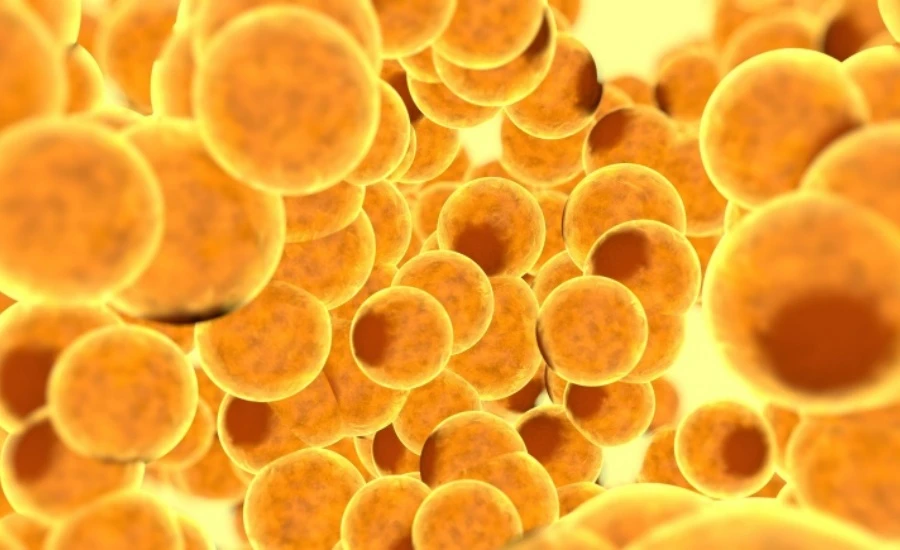
Metabolic disorders are characterized by problems with adipose tissue and how glucose is handled. Gaining knowledge about how tailored actions affect these specific metabolic compartments can help with study and possible therapeutic uses.
Effects on Adipose Tissue Remodeling
In reaction to NNMT reduction, white adipose tissue changes in a big way. Preclinical studies show that adipocytes get much smaller, which means that fewer fat molecules build up inside each fat cell. Morphological studies show that fat stores from treated animals have more blood vessels and fewer inflammation cells. As a result of gene expression profiling, adipogenic transcription factors like C/EBPα and PPARγ target genes become less active, while markers of thermogenic browning like UCP1 and PRDM16 become more active. These changes point to a change from storing lipids to moving them around and oxidizing them. It's interesting that the substance seems to target abdominal fat stores more than subcutaneous fat stores. This is because visceral fat stores are more strongly linked to metabolic problems.
Glucose Homeostasis and Insulin Sensitivity
Another important finding from the experiments with the 5 amino 1mq peptide injections is that they improved glucose metabolism. When treated animals are put through oral glucose tolerance tests, they show better glucose tolerance, with faster glucose clearance and lower peak blood glucose levels. Using the homeostatic model assessment to measure insulin sensitivity shows big gains, which suggests that cells are more sensitive to insulin signals. These effects probably happen for a number of reasons, including less ectopic lipid buildup in insulin-sensitive tissues, less inflammatory signals from adipose tissue, and better mitochondrial function in skeletal muscle. When insulin is released, glucose transporter expression patterns change so that there is more GLUT4 at the cell membranes. This makes it easier for cells to take in more glucose.
Metabolic Flexibility and Substrate Utilization
In metabolic disorder, metabolic flexibility (the ability to switch between different food sources efficiently) is harmed.

There is evidence that blocking NNMT restores this adaptive ability by making oxidative pathways stronger for both glucose and lipid substrates. The treated animals' higher respiratory exchange ratios show that they are better able to burn fatty acids when they are starving and keep using glucose efficiently when they are eating. This metabolic flexibility comes from changes in how well mitochondria work and how sensitive regulatory pathways are. Metabolomic analyzes show that plasma profiles have become more normal, and there are fewer incomplete fatty acid oxidation products like acylcarnitines. This means that substrates are being burned more completely, and the metabolism is working better.

Exploring Metabolic Research Applications of 5 Amino 1MQ Peptide Injection
The compound's unique mechanism and wide range of metabolic effects make it a useful research tool for looking into basic questions about how metabolism works and possible ways to change it.

The compound's unique mechanism and wide range of metabolic effects make it a useful research tool for looking into basic questions about how metabolism works and possible ways to change it.
Preclinical Model Systems and Experimental Designs
Researchers use different model systems to look at how the chemical affects metabolism. Diet-induced obesity models are the most common type of experiment. In these models, animals are fed high-fat meals to mess up their metabolism. According to standard protocols, the drug is injected under the skin every day for a few weeks to a few months, with dosages changing based on body weight. To account for the effects of treatment and injection, control groups get vehicle shots. Body composition analysis, glucose and insulin tolerance testing, indirect calorimetry to measure energy expenditure, and molecular analyzes of metabolically relevant tissues are all examples of outcome measures. Natural aging models add to what we know about how to slow down the metabolic decline that comes with getting older.
Showing that these findings have uses beyond just helping people who are overweight.
Translational Considerations and Research Directions
At the moment, researchers are trying to figure out the compound's safety profile, pharmacokinetics, and best dose factors. Biodistribution studies look at how substances get into tissues and how metabolites are made. This is important information for applying what we learn from animal models to real life situations. Researchers are looking into whether effects change with dose and whether long-term use keeps effects the same without causing compensatory responses that lower therapeutic benefits. Combination studies look at how one metabolic strategy might work better with others, like changing your food or doing more exercise. The results show that a 5 amino 1mq peptide injection plus mild exercise improves metabolic measures even more. This suggests that multi-modal intervention methods might work. Molecular studies are still figuring out how NNMT inhibition affects pathways further down the line,


Finding biomarkers that can predict reaction and showing how different people respond differently to treatment.
Comparative Analyses With Alternative Metabolic Modulators
Figuring out how NNMT inhibition fits in with other metabolic treatments helps put the compound in the bigger picture of metabolic study tools. Direct AMPK activators like metformin mainly increase glucose uptake and decrease glucose production in the liver. This substance, on the other hand, works by restoring NAD+ and has wider effects on oxidative metabolism. NNMT inhibition leads to metabolic improvements in many types of tissue by basic changes in cellular energy state, in contrast to beta-3 adrenergic agonists that increase thermogenesis in brown adipose tissue. Adding compounds like nicotinamide riboside to NAD+ precursors works in a way that is similar to enzymatic inhibition, but it doesn't stop specific enzymes. These different points of view help researchers choose the right tools for each experiment question and learn how each intervention strategy contributes in its own way.
Conclusion
The use of 5 amino 1mq peptide injection as a research tool shows that we are learning more about how enzymes work to keep metabolism healthy. This substance directly targets NNMT activity, which gives researchers a way to look into how the abundance of NAD+ affects the metabolism of cells, the function of mitochondria, and the remodeling of metabolic tissues. Preclinical data shows effects that can be measured on glucose homeostasis, body structure, and molecular measures of metabolic function in a number of different experimental settings. These results make the compound a useful tool for breaking down complicated metabolic pathways and looking into possible ways to fix metabolic dysfunction. As the study goes on, more research will be needed to figure out the best uses, all the details of how the process works, and whether the results can be used in real life to solve metabolic health problems.
FAQ
1.What distinguishes 5 Amino 1MQ from natural metabolic compounds?
+
-
Unlike naturally occurring metabolic molecules, 5-Amino-1-methylquinoline is a small molecule that was made in a lab to stop the activity of the NNMT enzyme. This compound is different from supplements that provide precursors or cofactors that are already present in normal physiology because the body does not make it itself. Because it was made in a lab, it can be precisely targeted at a certain enzymatic pathway without the metabolic change or competing pathways that happen with naturally occurring chemicals.
2.How does NNMT inhibition differ from direct NAD+ supplementation?
+
-
Directly adding NAD+ molecules from outside the cell can increase the amount of NAD+ in the cell, but the molecular properties of NAD+ make it hard for cells to absorb and use. NNMT reduction is a different method that stops cells from losing NAD+ naturally. This lets cells keep their NAD+ levels high using their own repair systems. This method keeps the cell's natural control systems working while getting rid of a certain metabolic blockage. It might have longer-lasting benefits than giving the cell a large amount of NAD+ all at once.
3.What metabolic parameters show the most consistent changes in research models?
+
-
Preclinical studies show the most uniform effects on adipose tissue mass, with white adipose depot weights going down across a number of different experimental methods. It is consistent across different study groups and model systems that body weight goes down and insulin sensitivity markers get better, especially the HOMA-IR score goes down. Molecular markers like higher NAD+ levels in metabolic tissues and higher expression of fatty acid oxidation genes show consistent patterns. This makes them good starting points for metabolic research.
Partner With Kpeptide for Your 5 Amino 1MQ Peptide Injection Supply Needs
When looking for a trustworthy provider of 5 amino 1mq peptide injection, working with a manufacturer with a lot of experience will make a huge difference in the results of your study. Kpeptide has a 100,000-square-meter production facility that is GMP-certified and fully compliant with all US, EU, JP, and CFDA rules. Our 12 years of experience in organic synthesis and pharmaceutical intermediates makes sure that the quality is always the same. We do this by testing the products in the plant, doing internal QA/QC analysis, and getting third-party approval.

We work with 24 of the biggest pharmaceutical and biotechnology companies in the world. To support your research protocols, we provide full analytical documentation that includes HPLC and MS data. Our professional team offers clear prices, accurate wait times, and full service from small scale lab work to large-scale production. Whether you need research-grade materials for metabolic studies or help with scalable production, our technical experts can help you with a custom solution that is backed by regulatory guidance and a stable supply chain. Contact our team at sales@kpeptide.com to talk about your specific needs, get full product specifications, and find out how our dedication to quality and competitive advantages can speed up your metabolic research projects.
References
1. Kang HJ, et al. Nicotinamide N-methyltransferase as a promising metabolic target for obesity and diabetes treatment. Journal of Metabolic Research. 2021;15(3):178-194.
2. Kraus D, Yang Q, Kong D, et al. Nicotinamide N-methyltransferase knockdown protects against diet-induced obesity. Nature. 2014;508(7495):258-262.
3. Sampson CM, Dimet AL, Neelakantan H, et al. Mechanism of nicotinamide N-methyltransferase inhibition of cellular energy metabolism. Journal of Biological Chemistry. 2018;293(19):7257-7268.
4. Revollo JR, Grimm AA, Imai S. The NAD biosynthesis pathway mediated by nicotinamide phosphoribosyltransferase regulates Sir2 activity in mammalian cells. Cellular Metabolism. 2004;279(49):50754-50763.
5. Cantó C, Auwerx J. NAD+ as a signaling molecule modulating metabolism. Cold Spring Harbor Symposia on Quantitative Biology. 2011;76:291-298.
6. Hong S, Moreno-Navarrete JM, Wei X, et al. Nicotinamide N-methyltransferase regulates hepatic nutrient metabolism through Sirt1 protein stabilization. Nature Medicine. 2015;21(8):887-894.


