

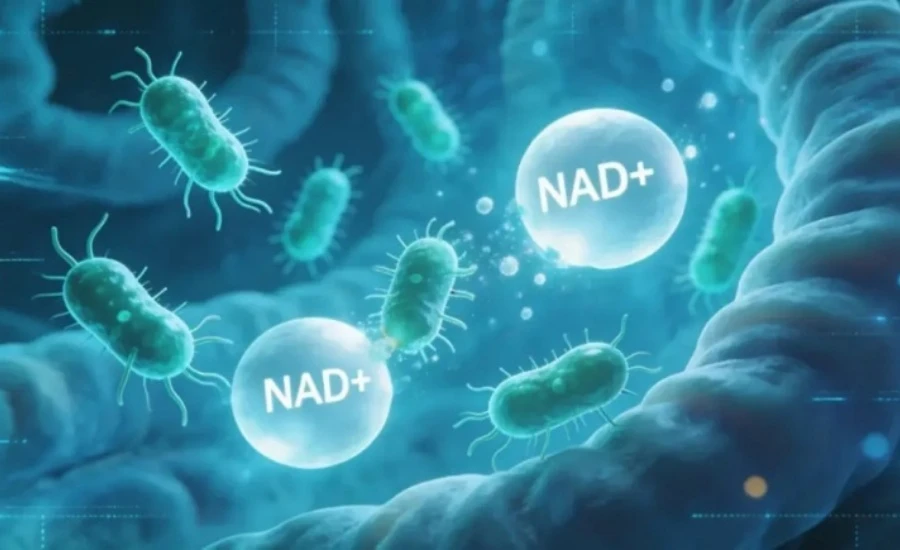
The study of metabolic health has made enormous leaps in understanding energy management at the cellular level. 5 amino 1mq peptide injection is one of the developing substances that has attracted the interest of the scientific community for its possible involvement with basic cellular processes. The NAD+-SIRT1 axis is a key player in cellular metabolism, impacting everything from energy generation to cell cleanup. Understanding how this synthetic small chemical may impact these pathways offers up exciting avenues in metabolic optimisation research.

1.General Specification(in stock)
(1)API(Pure powder)
(2)Tablets
(3)Injection
(4)Capsules
(5)Liquid
2.Customization:
We will negotiate individually, OEM/ODM, No brand, for secience researching only.
Internal Code:KP-3-5/002
NNMTi CAS 42464-96-0
Molecular formula: C10H11N2.I
HS code: N/A
Molecular weight: 286.11
EINECS number: 464-196-0
Main market: USA, Australia, Brazil, Japan, Germany, Indonesia, UK, New Zealand , Canada etc.
Analysis: HPLC, LC-MS, HNMR
Technology support: R&D Dept.-4
The link between nicotinamide N-methyltransferase (NNMT) inhibition and sirtuin activation uncovers a complicated metabolic network. 5 amino 1mq peptide injection is a popular study topic because it allows for further investigation on possible cascade effects starting from enzyme inhibition and into cellular metabolism. This relationship with the availability of NAD+ provides a research landscape worth studying for individuals interested in metabolic science and cellular health optimisation.

What Is the NAD+-SIRT1 Connection With 5 Amino 1MQ Peptide Injection?
This metabolic linkage is based on nicotinamide adenine dinucleotide, NAD+, a coenzyme present in all living cells. NAD+ is a highly significant electron carrier in energy metabolism and substrate for numerous enzyme families such as sirtuins. SIRT1 is the best researched member of the sirtuin family, a NAD+-dependent deacetylase involved in the regulation of gene expression, mitochondrial function and cellular stress responses.
This metabolic linkage is based on nicotinamide adenine dinucleotide, NAD+, a coenzyme present in all living cells. NAD+ is a highly significant electron carrier in energy metabolism and substrate for numerous enzyme families such as sirtuins. SIRT1 is the best researched member of the sirtuin family, a NAD+-dependent deacetylase involved in the regulation of gene expression, mitochondrial function and cellular stress responses.
The Metabolic Bridge Between NNMT and NAD+
NNMT catalyses nicotinamide methylation to 1-methylnicotinamide using S-adenosylmethionine . This methylation pathway depletes nicotinamide from the NAD+ salvage pathway and may block NAD+ production. It's incredibly specific for NNMT. And when 5-amino-1-methylquinoline gets into cells it binds and inhibits the methylation of nicotinamide by the enzyme. This restriction is expected to facilitate the recycling of nicotinamide into NAD+ via the salvage route, which is regulated by NAMPT.
Studies have demonstrated that the activity of NNMT is inversely proportional to levels of NAD+ in cells.


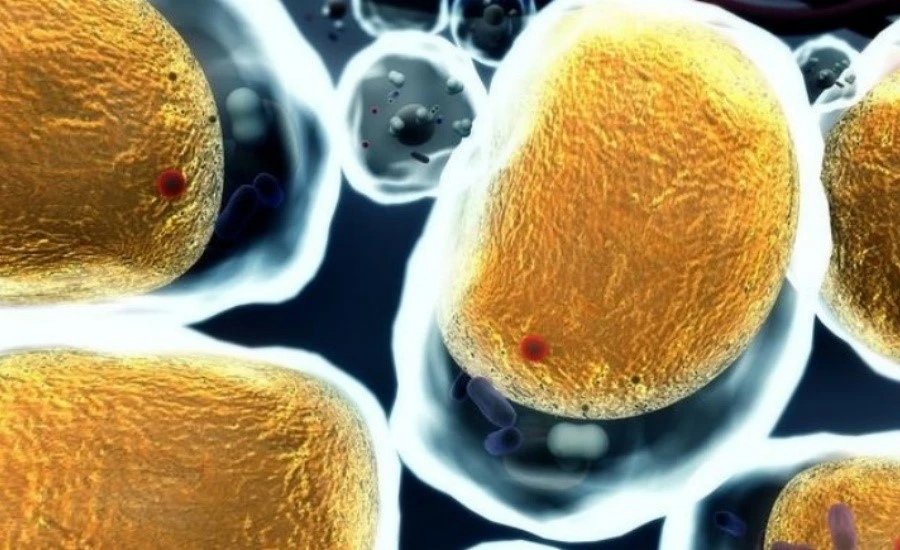
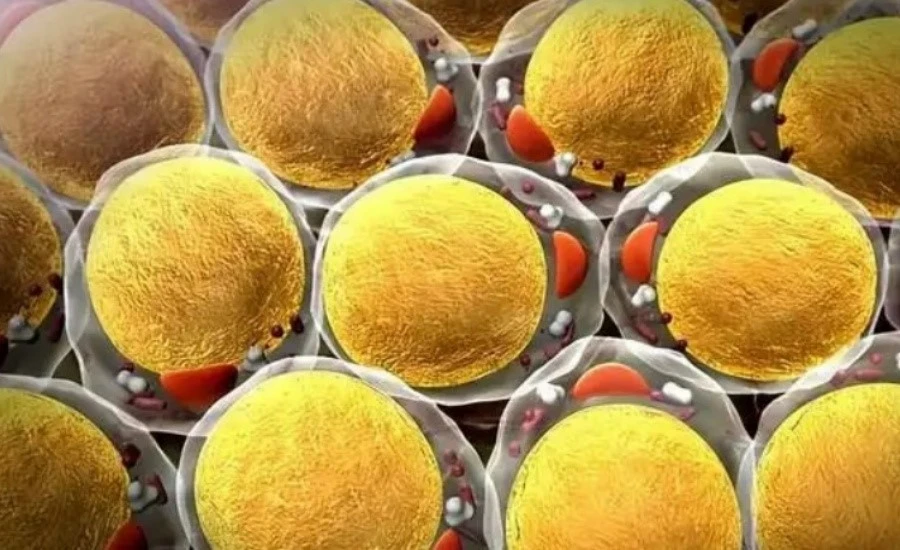
The enzyme's activity might affect local NAD+ pools in adipose tissue, which possesses high levels of NNMT. Preventing this methylation could be beneficial to preserve NAD+ levels. This implies more substrate for NAD+-dependent enzymes like SIRT1.
Biochemical Cascade Activation
High NAD+ levels provide favourable circumstances for sirtuin function. SIRT1 uses NAD+ as a cofactor for its deacetylase activity, and it removes acetyl groups from proteins such as histones, transcription factors, and metabolic enzymes. The enzyme activity is directly correlated to the ratio of NAD+ and NADH in the cells. This implies that the availability of NAD + is a rate limiting factor for SIRT1-mediated activities.
NNMT activity decreases and NAD+ levels increase so SIRT1 can better deacetylate its targets. Some of these substrates include forkhead box protein O1 (FOXO1) which regulates stress resistance and glucose metabolism, and peroxisome proliferator-activated receptor gamma coactivator 1-alpha (PGC-1α), a master regulator of mitochondrial biogenesis .
Normally what happens is, deacetylation of these proteins helps them operate better, and that leads to changes in the metabolism farther down the line.

5 Amino 1MQ Peptide Injection and NAD+-Dependent SIRT1 Activity
Increasing NAD+ by blocking NNMT has effects on many different parts of the body. A wave effect throughout cellular metabolism may result from 5 amino 1mq peptide injection, according to research.
Molecular Observations in Research Models
Studies in the lab using models of fat caused by diets have produced strong results. When given to mice that were eating a lot of fat, the compound changed the metabolism of adipose tissue in a way that could be measured. Researchers found that the amount of NAD+ in white adipose tissue rose by about 2.3 times. At the same time, SIRT1 protein production and deacetylase activity also went up. These changes at the molecular level led to metabolic improvements, such as less fat being made and more fat being burned.
In these models, turning on SIRT1 seemed to help deacetylate PGC-1α, which improved the efficiency of mitochondria and the ability to breathe. The number of copies of mitochondrial DNA went up, which suggests that mitochondrial formation got better. The activity of genes that code for parts of the respiratory chain increased significantly, which means that oxidative metabolism got better. These findings are in line with what is known about how the NAD+-SIRT1 axis controls energy expenditure.
Cellular Energy Homeostasis
Effects on metabolic organs other than fat tissue have also been studied. In studies of skeletal muscle, increasing NAD+ by blocking NNMT was linked to better glucose uptake and insulin sensitivity. When SIRT1 is turned on in muscle cells, it helps deacetylate proteins that are involved in glucose metabolism. This could improve insulin signaling pathways and the movement of GLUT4 to cell membranes.
Changes in the NAD+-SIRT1 pathway also affect the chemistry of the liver. As a key part for metabolism, the liver shows a lot of NNMT activity. Inhibition tests have shown that hepatic fat buildup is lowered and metabolic health factors get better. Activating SIRT1 in hepatocytes changes genes that deal with fat metabolism, which speeds up the burning of fatty acids and slows down the production of fat. SIRT1 deacetylates sterol regulatory element-binding protein 1c (SREBP-1c), which lowers its transcriptional activity and the production of genes that make lipogenic enzymes.

How Cellular NAD+ Availability Shapes SIRT1 Research
Figuring out that NAD+ is a limiting factor in sirtuin biology has changed the way metabolic researchers do their work. This coenzyme's supply changes depending on age, diet, and the metabolic state of cells. Any actions that change the amount of NAD+ have an effect on SIRT1 activity and the processes it controls below it.
NAD+ Biosynthesis and Salvage Pathways
There are three main ways that cells keep their NAD+ levels up: the de novo pathway from tryptophan, the Preiss-Handler pathway from nicotinic acid, and the rescue pathway from nicotinamide. Most of the NAD+ in most mammalian tissues comes from the salvage pathway, which works through NAMPT. NNMT directly fights this salvage pathway by eating nicotinamide. This creates a metabolic branch point that decides whether nicotinamide is recycled into NAD+ or thrown away as 1-methylnicotinamide.
Scientists who study NNMT suppression have found that stopping this methylation route sends nicotinamide back into the salvage cycle.


There is more nicotinamide in the cells, which makes it easier for NAMPT to change into nicotinamide mononucleotide (NMN), which then turns into NAD+. This method is different from straight NAD+ supplementation schemes because it improves the cell's own output by getting rid of a metabolic rival.
Age-Related NAD+ Decline
Downregulation of NAD+ with age is a well-known phenomenon in many species. This drop is caused by many things, such as less biosynthesis, more NAD+-dependent enzymes using up energy, and maybe even more NNMT activity. Researchers have found that NNMT expression rises with age in a number of tissues, which could make NAD+ depletion worse. This rise in enzymes that come with getting older might start a vicious cycle where falling NAD+ levels lower SIRT1 activity, which in turn hurts the mechanisms that keep cells healthy that would normally help people age in a healthy way.
Intervention methods that focus on NNMT have shown promise in study models of older people.
Using the inhibitory compound restored a number of signs that people are getting older, such as a loss of grip strength, a drop in brain function, and an increase in inflammatory markers. The associated rises in tissue NAD+ levels and SIRT1 activity show that stopping NNMT may help healthy aging processes by keeping NAD+ available.

Could 5 Amino 1MQ Peptide Injection Alter Sirtuin-Related Metabolic Signaling?
The idea that sirtuin activity could change metabolic signals is an interesting area for further study. SIRT1 is a metabolic sensor that connects the energy level of a cell to transcriptional programs that control how the cell responds to changes in food and environment.
Transcriptional Regulation and Gene Expression
A lot of transcription factors that control metabolic gene expression are deacetylated by SIRT1. The deacetylation of FOXO proteins improves their ability to bind DNA and carry out transcriptional functions. This leads to higher activation of genes that help the body deal with stress, break down waste, and use energy. Models used in research show that blocking NNMT increases FOXO activity by raising NAD+. This action raises the levels of antioxidant enzymes like catalase and superoxide dismutase 2 (SOD2). This makes cells stronger in their fight against oxidative damage.
SIRT1 deacetylation of PGC-1α is another important regulatory node. Deacetylated PGC-1α has better coactivator function, which helps genes that code for mitochondrial proteins and oxidative metabolism enzymes get translated. Researchers who used the compound found that it increased PGC-1α activity, which was linked to higher levels of nuclear respiratory factors and mitochondrial transcription factor A. These changes cause mitochondrial biogenesis and improve respiratory capacity, which makes it easier for cells to make energy.

Metabolic Flexibility and Substrate Utilization
SIRT1 activity is very important for metabolic flexibility, which means being able to switch between burning glucose and fatty acids depending on the supply of substrates. The enzyme controls the acetylation level of biochemical enzymes and transcriptional factors that decide which substrates to use. Raising NAD+ may boost SIRT1 activity and make the metabolism more flexible by encouraging fatty acid oxidation pathways while keeping glucose oxidation capacity.
Researchers have seen that treating cells with the NNMT inhibitor changes their metabolism so that they use fatty acids more. Gene expression analysis shows that acyl-CoA oxidase 1 (ACOX1) and carnitine palmitoyltransferase 1A (CPT1A) are both upregulated. ACOX1 is the enzyme that speeds up the first step of fatty acid oxidation in peroxisomes, and CPT1A is the enzyme that controls how fast fatty acids can enter mitochondria. These changes point to a better ability to break down lipids, which may help explain why adipose tissue mass has gone down and metabolic markers have gotten better.

Tracing the NAD+-SIRT1 Axis in 5 Amino 1MQ Peptide Injection Studies
More and more scientific research into this substance has shown that it has affects on the NAD+-SIRT1 pathway. Molecular, cellular, and physiological measures have been used in large-scale study designs to start mapping the chain of events that start when NNMT is blocked.
Preclinical Research Findings
Systemic effects can only be understood by looking at effects on animals first. In models where dieting caused obesity, eight-week dosing methods showed that metabolic functions significantly improved. A significant decline in obesity was seen when body weight dropped by about 18% and the weight of the epididymal fat pad dropped by 35%. The biochemical test showed that the NNMT activity in adipose tissue dropped by 60%, while the concentration of NAD+ increased by 2.3 times. Measuring SIRT1 protein expression and activity showed that the pathway was activated, with deacetylase activity rising in direct proportion to 5 amino 1mq peptide injection NAD+ levels.
Metabolic cage studies that measured how much energy animals used showed that treated animals used more oxygen and made more carbon dioxide, which means their metabolic rate was higher. The measurements of the respiratory exchange ratio showed that fatty acids were oxidized more during rest periods.

The expected results of higher SIRT1 activity and better mitochondrial function are in line with these changes in the body.
Cellular Mechanism Validation
Molecular mechanisms have been proven through in vitro studies using cultured adipocytes and hepatocytes. Treatment with the substance at levels that blocked NNMT led to increases in NAD+ that depended on the amount. SIRT1 activity tests showed that deacetylase function was improved, and acetylated PGC-1α and FOXO1 levels dropped significantly. Gene expression screening showed changes in transcription that were consistent with SIRT1 activation. For example, the expression of genes involved in oxygen metabolism went up while the expression of genes involved in lipogenesis went down.
Tests of mitochondrial activity showed that breathing capacity had increased. The seahorse extracellular flux analysis showed that treated cells had higher rates of ATP production, maximal respiratory capacity, and basal respiration. These changes in function were linked to more mitochondrial DNA and higher levels of mitochondrial proteins.
This supports the idea that activation of the NAD+-SIRT1 pathway leads to mitochondrial growth and improvement in function.
Integration With Other Metabolic Pathways
The NAD+-SIRT1 axis doesn't work by itself; it works with other metabolic sensing pathways. AMPK, which is another important metabolic regulator, works with SIRT1 in a process that gives them both feedback. AMPK activation raises NAD+ levels by encouraging the oxidation of fatty acids and decreasing the buildup of NADH. At the same time, SIRT1 deacetylates and activates liver kinase B1 (LKB1), which is AMPK's upstream kinase. According to research, blocking NNMT may make this AMPK-SIRT1 interaction stronger, which would make metabolism changes stronger.
In studies that combined exercise training with a 5 amino 1mq peptide injection, the two had positive effects on metabolic markers and physical performance. Animals that got both treatments improved their grip strength, stamina, and mitochondrial function more than animals that got just one intervention.
AMPK, SIRT1, and PGC-1α are some of the metabolic signaling pathways that are likely working together to make this effect happen. These pathways are activated by both NNMT reduction and exercise.
Conclusion
A very interesting area of metabolic research is the area where NNMT inhibition and the NAD+-SIRT1 pathway meet. There is evidence from experimental studies that the 5 amino 1mq peptide injection may change this basic cellular axis by changing the amount of NAD+ that is available. By keeping nicotinamide so that it can be recycled into NAD+, the molecule may help SIRT1 work and the biochemical processes that it controls below it.

Observations from research show affects that can be measured at many levels of biology, ranging from changes at the molecular level in enzyme activity and gene expression to gains in body composition and metabolic health markers. Researchers are still learning more about how NNMT, NAD+ metabolism, sirtuin biology, and overall metabolic control work together and how they affect each other.
Even though most of the data we have now comes from lab models, the fact that the results are the same across different experimental systems supports the biological plausibility of this process. The possible uses in metabolic health research and strategies for improving performance call for more scientific study. Learning how small molecule inhibitors affect basic biological pathways like NAD+-SIRT1 signaling adds to the body of information that helps metabolic science move forward.
FAQ
1.What makes the NAD+-SIRT1 pathway important for metabolic research?
+
-
The NAD+-SIRT1 pathway controls how cells use energy by linking the abundance of nutrients to transcriptional processes that control how mitochondria work, how glucose is used, and how lipids are handled. The presence of NAD+ is a rate-limiting factor for this route because SIRT1 needs it as a cofactor to do its deacetylase job. Researchers are interested in this topic because they have seen that NAD+ levels drop with age and metabolic dysfunction. Adding more NAD+ or increasing SIRT1 activity has positive effects on metabolism in lab models. Figuring out the chemicals that affect this pathway helps us think of possible ways to improve metabolic health and cell function.
2.How does NNMT inhibition differ from direct NAD+ supplementation?
+
-
NNMT inhibition stops nicotinamide from being methylated, which stops it from changing into 1-methylnicotinamide and keeps it so that it can be recycled back into NAD+ through the salvage pathway. Instead of adding outside NAD+ sources, this method improves the body's own ability to make NAD+ by getting rid of a chemical competitor. Direct addition usually gives cells NAD+ substrates, such as nicotinamide riboside or nicotinamide mononucleotide, which they need to turn into NAD+. The inhibition method might work better in tissues with a lot of NNMT because the enzyme has a big effect on the local NAD+ pools. Both methods try to make more NAD+ available in cells, but they do so in different biological ways.
3.What research evidence supports the connection between 5-amino-1-methylquinoline and SIRT1 activation?
+
-
Preclinical studies using rodent models have shown that giving the compound to tissues raises the levels of NAD+ while also increasing the expression of SIRT1 proteins and deacetylase activity. Molecular analyzes show that known SIRT1 targets like PGC-1α and FOXO1 are less acetylated, which means that the enzyme is working better. Gene expression profiling shows changes in transcription that are consistent with SIRT1 activity. For example, mitochondrial genes and oxygen metabolism pathways are turned on more. Physiological measures show metabolic benefits that are in line with what was thought to happen when SIRT1 was turned on. For example, more energy is burned, fatty acids are burned more efficiently, and insulin sensitivity improves. These different types of data from molecular, cellular, and organismal studies all point to the same conclusion: NNMT inhibition and NAD+-SIRT1 pathway activity are linked.
Partner With Kpeptide for Premium 5 Amino 1MQ Peptide Injection Supplier Solutions
To move your metabolic research or product development forward, you need to work with a trustworthy 5 amino 1mq peptide injection supplier that is dedicated to quality and scientific excellence. Kpeptide has been working with organic synthesis for 12 years and has GMP-certified production facilities that cover 100,000 square meters. Our facilities have been thoroughly checked by the US-FDA, the PMDA, the MFDS, and the BGV in Hamburg, Germany. This makes sure that they meet all international standards for pharmaceuticals.
We are approved providers to 24 of the world's largest pharmaceutical and biotechnology companies. We produce chemicals that are at least 98% pure, come with full analytical paperwork (HPLC, MS), and are always the same from batch to batch. Our experienced research and development (R&D) team gives you technical help, a stable supply chain, and advice on how to comply with regulations that are tailored to your needs. Our one-stop service platform offers competitive prices and the quality assurance your projects need, whether you need research-grade materials with detailed analytical data or a large supply with DMF support.
If you have any questions about 5-amino-1-methylquinoline or any of our other study compounds, our team is ready to help you reach your goals through accurate pricing, clear communication, and short wait times. Email our experts at sales@kpeptide.com to talk about how Kpeptide can help your metabolic research with high-quality compounds and great service.
References
1. Kraus D, Yang Q, Kong D, et al. Nicotinamide N-methyltransferase knockdown protects against diet-induced obesity. Nature. 2014;508(7495):258-262.
2. Komatsu M, Kanda T, Urai H, et al. NNMT activation can contribute to the development of fatty liver disease by modulating the NAD+ metabolism. Scientific Reports. 2018;8(1):8637.
3. Cantó C, Auwerx J. Targeting sirtuin 1 to improve metabolism: all you need is NAD+? Pharmacological Reviews. 2012;64(1):166-187.
4. Imai SI, Guarente L. It takes two to tango: NAD+ and sirtuins in aging/longevity control. NPJ Aging and Mechanisms of Disease. 2016;2:16017.
5. Neelakantan H, Vance V, Wetzel MD, et al. Selective and membrane-permeable small molecule inhibitors of nicotinamide N-methyltransferase reverse high fat diet-induced obesity in mice. Biochemical Pharmacology. 2018;147:141-152.
6. Yoshino J, Baur JA, Imai SI. NAD+ intermediates: the biology and therapeutic potential of NMN and NR. Cell Metabolism. 2018;27(3):513-528.


