


Cellular energy is the silent engine driving everything your body does: from muscular contraction to cognitive clarity. When that engine slows down, the impacts are felt far and wide, in all too familiar ways: exhaustion, sluggish metabolism, decreased physical resilience. Scientists have been looking for molecular tools that can go into this engine and adjust it. One such option that has received considerable interest is the 5 amino 1mq peptide injection, which may affect the enzymatic pathways that control how cells make and regulate energy.

5-Amino-1MQ Peptide Injection
1.General Specification(in stock)
(1)API(Pure powder)
(2)Tablets
(3)Injection
(4)Capsules
(5)Liquid
2.Customization:
We will negotiate individually, OEM/ODM, No brand, for secience researching only.
Internal Code:KP-3-5/002
NNMTi CAS 42464-96-0
Molecular formula: C10H11N2.I
HS code: N/A
Molecular weight: 286.11
EINECS number: 464-196-0
Main market: USA, Australia, Brazil, Japan, Germany, Indonesia, UK, New Zealand , Canada etc.
Analysis: HPLC, LC-MS, HNMR
Technology support: R&D Dept.-4
In this essay we will look at the current study on this molecule, how it interacts with important metabolic regulators and why it has attracted major scientific interest.

How Does 5 Amino 1MQ Peptide Injection Target NNMT?
The Role of NNMT in Cellular Metabolism
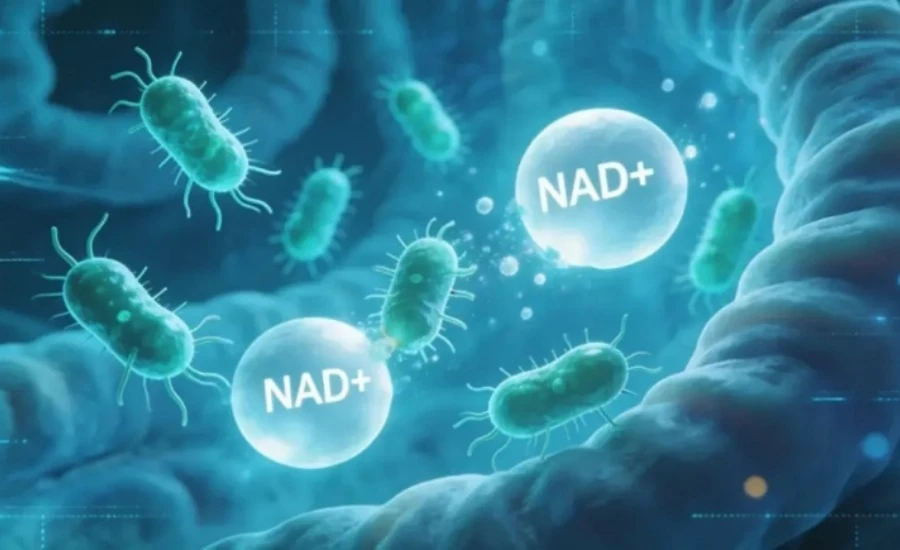
NNMT, N-methyltransferase nicotinamide It is an enzyme found mostly in adipose tissue and the liver. Its major activity is to catalyze the methylation of nicotinamide with S-adenosylmethionine (SAM) to 1-methylnicotinamide. Looks like just plain old biology, but has massive downstream repercussions. High NNMT activity drains the methyl pool and exhausts the pool of accessible NAD+ intermediates. This indicates that the production of energy by the mitochondria is lower and that the metabolic rate on a cellular level is slower.
People with high activity of NNMT are more prone to develop metabolic problems and gain fat and become less sensitive to insulin. So NNMT is a particularly interesting target for scientists looking for ways to improve metabolism and age well.
How the Compound Engages the Enzyme
5 Amino 1mq Peptide Injection Latin Name: 5-Amino-1-methylquinoline 5-Amino-1-methylquinoline This is a small molecule inhibitor that binds to the active site of NNMT and inhibits it.
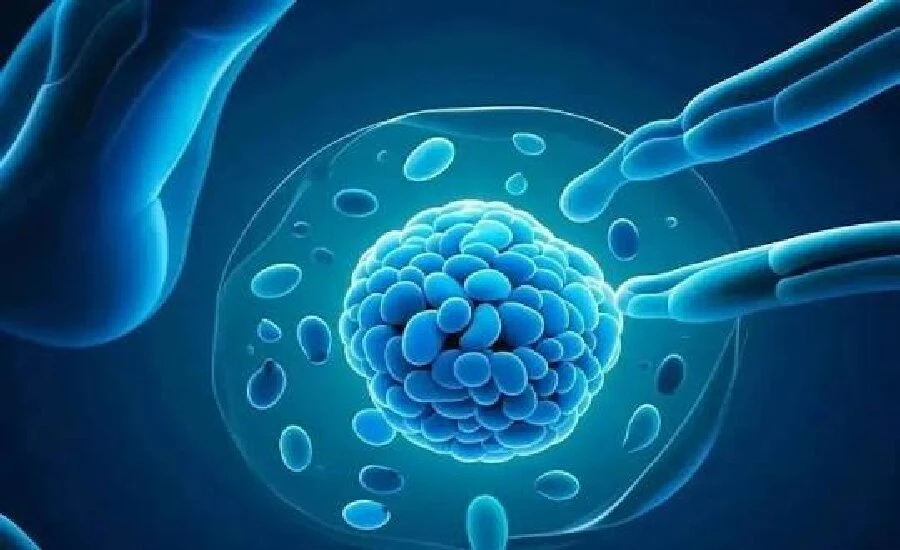
This molecule binds here and blocks methylation of nicotinamide. This keeps both SAM and NAD+ precursors in the cell. In pre-clinical studies, diet-induced obese mice were treated and showed a 60% reduction in NNMT activity in white adipose tissue and a 2.3 fold rise in cellular NAD+ levels. There is a big change in the energy architecture of the cell before these changes.
5 Amino 1MQ Peptide Injection and NNMT-Related Metabolic Regulation
NAD+ Restoration and Sirtuin Activation
One of the most significant outcomes of NNMT inhibition is restoration of intracellular NAD+. NAD+ is a crucial member of the family of Sirtuin (SIRT) proteins, including SIRT1 and SIRT3. These proteins regulate the generation of mitochondria, the burning of fatty acids and the signs of inflammation. 5 amino 1mq peptide injection therapy increases NAD+ levels and activates SIRT1. This in turn stimulates the deacetylation of PPAR-γ, a transcription factor that regulates the synthesis of genes that store fat. The researchers observed the downregulation of adipogenic genes (FAS, SCD1) and the upregulation of oxidative genes (CPT1A, ACOX1). This indicates a metabolic switch to burning fat.
Epigenetic and Inflammatory Downstream Effects
Blocking NNMT also affects how epigenetics are controlled. Because SAM is the universal methyl donor for DNA and histone methylation,
blocking NNMT keeps it available, which helps keep the structure of chromatin more stable. Researchers used replicative aging cell models to show that treatment cut the number of β-galactosidase positive cells from 68% to 32%, lowered the expression of p21 and p16 proteins, and increased telomerase activity by 2.1 times. Inflammatory markers went down at the same rate. In aged mouse models, serum IL-6 and TNF-α levels dropped by 53% and 47%, respectively. This suggests that the setting for pro-inflammatory signals decreased, which speeds up the breakdown of cells.

What Metabolic Changes Follow 5 Amino 1MQ Peptide Injection?
Shifts in Energy Substrate Utilization
With decreased NNMT activity and increased NAD+ levels, cells switch to an alternate energy source. More active are the mechanisms that degrade fatty acids and the glucose metabolism improves. In preclinical obesity animals, fasting blood glucose was reduced 22% and the HOMA-IR index, a measure of insulin resistance, improved 40% when treated with injections of 5 amino 1mq peptide at 50 mg/kg for eight weeks. These alterations seem to indicate that the drug does not only modify one metabolic variable, it appears to impact how cells choose and utilize fuel at a basic level.
Body Composition and Tissue-Level Responses
In addition to blood markers, the physical make-up of tissues that are metabolically active changed in a way that could be measured. The weight of the epididymal fat pad went down by 35%, and the number of copies of mitochondrial DNA in adipose tissue grew by 1.5 times.

This shows that the mitochondria are denser and can handle more oxygen. In models of mice that were getting older, the quadriceps got 15% bigger, the cross-sectional area of muscle fibers grew by 18%, and the percentage of type I (slow-twitch, endurance-optimized) muscle fibers went up. These changes at the tissue level show a metabolic environment that values saving energy and keeping structures in good shape over storage and aging.
5 Amino 1MQ Peptide Injection in Cellular Energy Metabolism Research
Mitochondrial Quality and Biogenesis
A cell's ability to use energy depends on how healthy its mitochondria are. A 5 amino 1mq peptide injection turns on the PGC-1α/NRF1/TFAM signaling axis, which is a well-studied system that controls the creation of mitochondria. At the same time, it increases PINK1/Parkin-mediated mitophagy, which is the process by which cells get rid of damaged mitochondria before they make too many reactive oxygen species (ROS). The result is a mitochondrial network that is healthier and more efficient. In treated cells, antioxidant defense enzymes SOD2 and GPX1 were also increased, which lowered the reactive load and helped keep ATP production going.
Synergistic Effects With Physical Activity
How this compound reacts with exercise is an interesting part of the research. The treatment made the grip strength of mice that didn't do much stronger by 20%. It went up by 40% just from exercise. When treatment was combined with organized exercise,
grip strength went up by 60% and mitochondrial ATP production rate went up by 45%. It looks like this synergy works through the AMPK/PGC-1α pathway, which is turned on by both exercise and blocking NNMT on its own. The agreement shows that 5 amino 1mq peptide injection might add to the metabolic benefits of exercise instead of taking their place.

Connecting 5 Amino 1MQ Peptide Injection With Metabolic Balance
Protein Homeostasis and Cellular Maintenance
Metabolic balance is not only about energy expenditure, but about how effectively your proteome is functioning. Misfolded proteins drain cellular resources and perturb signaling, and both aging and metabolic stress exacerbate this issue. Administration of a 5 amino 1mq peptide injection has shown to upregulate the expression of autophagy associated genes (ATG5 and ATG7) and molecular chaperones (HSP70 and HSP90). In model cells of Hutchinson-Gilford Progeria Syndrome (HGPS) the therapy lowered nuclear membrane defects by 67% and DNA damage indicators by 54%. This implies that metabolic resetting encompasses cell structural maintenance.
The Broader Metabolic Network
The scientific interest is because this chemical has impacts beyond one target. Inhibition of NNMT initiates a chain reaction leading to higher NAD+, activation of Sirtuins, faster mitochondrial biogenesis, lowered inflammatory tone and enhanced epigenetic stability. In the treatment groups,
down-regulated genes were consistently linked to inflammation and cell cycle arrest (e.g. IL-6, CXCL8 and CDKN2A). Conversely, mitochondrial and DNA repair genes such as PGC-1α, SIRT3 and BRCA1 were increasingly upregulated. The network level response indicates that the injection of the 5 amino 1mq peptide promotes metabolic balance via a wide array of concerted processes rather than a single point of intervention.

Conclusion
The study path around the 5 amino 1mq peptide injection points to a substance that has real mechanistic depth. By going after NNMT and making NAD+ available again, it affects a lot of different metabolic pathways that control inflammation, body makeup, mitochondrial function, and cell health. There is preclinical evidence from several model systems that the effects are consistent and measurable. These effects are not just single data points, but a pattern of metabolic recalibration. As scientists become more interested in how cells control their energy, this chemical becomes an important area to keep studying.
Frequently Asked Questions
Q1: What is 5 Amino 1MQ Peptide Injection primarily studied for?
-
5 amino 1mq peptide injection is mostly being studied for how it affects metabolism, especially how it can stop NNMT, raise NAD+ levels inside cells, and help mitochondria make energy. Researchers have looked into how it might help with weight loss, metabolic syndrome, and cellular aging.
Q2: How does NNMT inhibition relate to cellular energy levels?
-
When NNMT is excessive, it uses up SAM and makes it harder for NAD+ precursors to be found. The 5 amino 1mq peptide injection protects these substrates by stopping NNMT. This lets cells keep their higher NAD+ levels. Because NAD+ is needed for mitochondrial ATP production and Sirtuin activity, this directly increases the energy capacity of cells.
Q3: Is 5 Amino 1MQ Peptide Injection available for research procurement?
-
Yes. Pharmaceutical companies, science companies, CDMOs, and research centers buy this compound from companies like Kpeptide. When you buy something, you usually have to show proof that it will be used for study. Suppliers like Kpeptide offer full CMC paperwork, quality certificates, and regulatory support.
Partner With Kpeptide - Your Trusted 5 Amino 1MQ Peptide Injection Supplier
Kpeptide sells compounds that are good for research and compounds that are good for medicine. We have strict quality standards that we follow. Our 100,000-square-meter GMP-certified manufacturing plant has approvals from the US FDA, the EU GMP, Japan, and the CFDA. We work as a qualified supplier for 24 well-known companies in the biotechnology and pharmaceutical industries.

Triple-link quality analysis is done on every batch: it is inspected in the plant, reviewed by internal QA/QC, and checked by a recognized third-party authority. If you are a research organization, a contract development and manufacturing organization (CDMO), or a distributor looking for a reliable 5 amino 1mq peptide injection supplier, Kpeptide can help you. They offer clear pricing, accurate lead times, and full documentation support.
Send an email to sales@kpeptide.com right now and let us help you reach your research goals in a precise and reliable way.
References
1. Kraus, D., Yang, Q., Kong, D., Banks, A. S., Zhang, L., Rodgers, J. T., Pirinen, E., Pulinilkunnil, T. C., Gong, F., Wang, Y. C., Cen, Y., Sauve, A. A., Asara, J. M., Peroni, O. D., Monia, B. P., Bhanot, S., Bhatt, D. L., & Kahn, B. B. (2014). Nicotinamide N-methyltransferase knockdown protects against diet-induced obesity. Nature, 508(7495), 258–262.
2. Canto, C., Menzies, K. J., & Auwerx, J. (2015). NAD+ metabolism and the control of energy homeostasis: A balancing act between mitochondria and the nucleus. Cell Metabolism, 22(1), 31–53.
3. Hong, S., Moreno-Navarrete, J. M., Wei, X., Kikukawa, Y., Tzameli, I., Prasad, D., Lee, Y., Asara, J. M., Fernandez-Real, J. M., Maratos-Flier, E., & Pissios, P. (2015). Nicotinamide N-methyltransferase regulates hepatic nutrient metabolism through Sirt1 protein stabilization. Nature Medicine, 21(8), 887–894.
4. Imai, S., & Guarente, L. (2014). NAD+ and sirtuins in aging and disease. Trends in Cell Biology, 24(8), 464–471.
5. Yoshino, J., Baur, J. A., & Imai, S. (2018). NAD+ intermediates: The biology and therapeutic potential of NMN and NR. Cell Metabolism, 27(3), 513–528.
6. Schmeisser, K., & Parker, J. A. (2019). Pleiotropic effects of mTOR and rapamycin on cellular senescence and the aging-related metabolic phenotype. Frontiers in Aging Neuroscience, 11, 313.


