


Adipose tissue has long been misunderstood as simply the body's fat store. Modern metabolic research tells a more nuanced story - one where fat tissue actively communicates with organs, regulates hormones, and drives or disrupts systemic metabolic health.
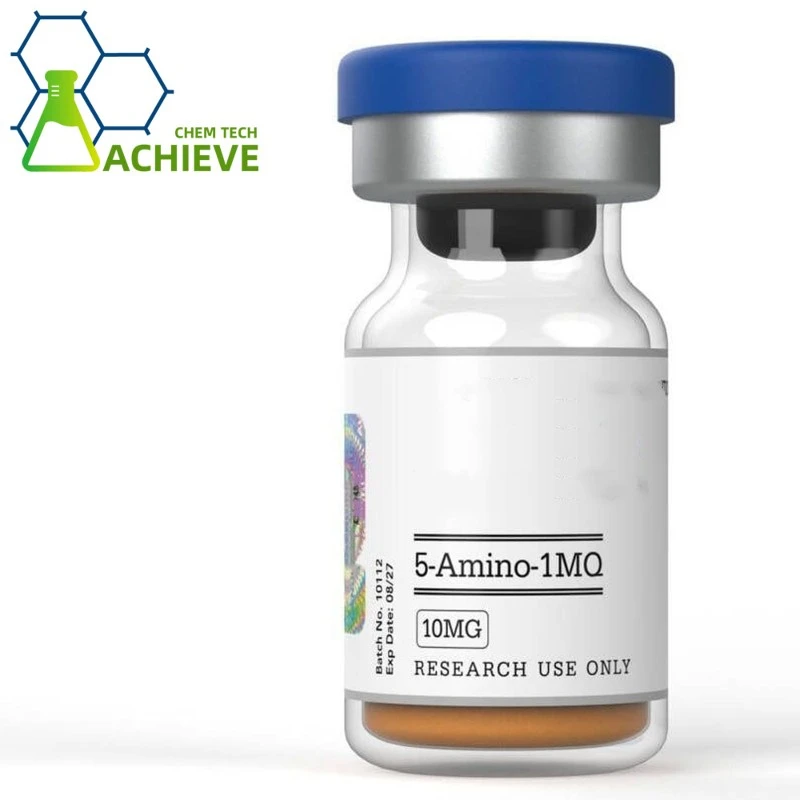
5-Amino-1MQ Peptide Injection
1.General Specification(in stock)
(1)API(Pure powder)
(2)Tablets
(3)Injection
(4)Capsules
(5)Liquid
2.Customization:
We will negotiate individually, OEM/ODM, No brand, for secience researching only.
Internal Code:KP-3-5/002
NNMTi CAS 42464-96-0
Molecular formula: C10H11N2.I
HS code: N/A
Molecular weight: 286.11
EINECS number: 464-196-0
Main market: USA, Australia, Brazil, Japan, Germany, Indonesia, UK, New Zealand , Canada etc.
Analysis: HPLC, LC-MS, HNMR
Technology support: R&D Dept.-4
At the center of recent discoveries sits 5 amino 1mq peptide, a selective small-molecule inhibitor of nicotinamide N-methyltransferase (NNMT) that is reshaping how researchers understand adipose biology. This article unpacks what this compound has revealed about fat tissue physiology, energy regulation, and metabolic balance.

Ready to Source 5 Amino 1MQ Peptide? Partner with Kpeptide
Adipose Tissue as a Metabolic Organ
Most people think of body fat as passive storage, or a reserve that builds up when you eat more calories than you burn. That way of looking at it misses the bigger picture. Adipose tissue is an active endocrine organ that sends adipokines, lipid mediators, and signaling molecules to the brain, liver, and skeletal muscle to talk to each other. When this secretion activity is out of whack, which happens in obesity, it leads to insulin resistance, inflammation throughout the body, and too much fat in areas that aren't fat.
The 5 amino 1mq peptide is biologically useful for figuring out how fat tissue doesn't work right at the molecular level. The enzyme NNMT is blocked by this compound is more abundant in the fat tissue of obese people. Higher NNMT activity lowers NAD⁺, a chemical that is important for mitochondrial energy metabolism.


This lowers fat cells' metabolic activity and makes an environment that is good for inflammation and fat production.
NNMT Expression and Adipose Dysfunction
Scientists have found a clear link between having high levels of NNMT and having problems with how fat cells work. It takes S-adenosylmethionine (SAM) to methylate nicotinamide when NNMT activity goes up. This takes the methyl donor pool away from other regulatory processes. This problem slows down SIRT1 activity, which is a deacetylase linked to life, and speeds up the production of genes that make fat, like PPARγ and C/EBPα. This speeds up the process of preadipocytes turning into mature fat cells, which makes adipose tissue grow even more.
Researchers can look into these molecular pathways with 5 amino 1mq peptide because it precisely targets NNMT. This is something that diet or exercise models can't do with the same level of biological clarity.
5 Amino 1MQ Peptide and Adipocyte Metabolic Function
Inhibiting Differentiation and Reducing Lipid Accumulation
One of the most common results in research on the 5 amino 1mq peptide is that it can stop preadipocytes from differentiating. The compound, at a concentration of 30 μM, stopped more than 70% of adipocyte formation in 3T3-L1 cell models, which are the gold standard for studying adipogenesis. The amount of triglycerides inside cells dropped a lot at the same time that PPARγ and C/EBPα expression went down.
Simple logic shows how it works: the substance recovers intracellular NAD⁺ levels by blocking NNMT. Higher NAD⁺ turns SIRT1 back on, which stops the production of genes that make fat cells. There are fewer developed adipocytes that form, and the ones that do form store less fat. This series of events gives researchers a clear, focused way to look into how NAD+ metabolism controls the biology of fat cells.
Shifting the Lipolysis-Lipogenesis Balance
Beyond differentiation,
5 amino 1mq peptide changes the metabolic pattern of existing adipocytes in a way that goes beyond differentiation. In diet-induced obese mouse models, daily administration increased the expression of genes that help break down fat, mainly ATGL (adipose triglyceride lipase) and HSL (hormone-sensitive lipase), while decreasing the expression of genes that make fat, like FAS (fatty acid synthase) and ACC (acetyl-CoA carb-oxylase). This double change is important because it shows that the substance does more than just slow down fat production; it also helps break down stored triglycerides.
Importantly, the mice that were treated didn't eat any less or more than the controls. The metabolic benefits came from changing how fat was used, not from making people feel less hungry. This is what makes this substance mechanistically different from many other treatments.

How 5 Amino 1MQ Peptide Changes the Adipose Tissue Metabolic Profile
NAD⁺ Restoration and Mitochondrial Activity
One of the main biochemical changes that 5 amino 1mq peptide causes is the return of NAD+ to adipocytes. NAD⁺ is needed for mitochondrial oxidative phosphorylation, which is how cells turn molecules that come from food into energy that they can use. NNMT-driven NAD⁺ reduction makes fat cells' mitochondria less effective, which makes it harder for them to burn fat. When NNMT is stopped, NAD+ levels rise again, mitochondrial respiration gets better, and adipocytes get the metabolic power to burn fat again instead of storing it.
Studies on animals showed that when they were treated with 5 amino 1mq peptide, their whole-body energy expenditure went up by a lot. This supports the idea that changes in adipose tissue mass are caused by metabolic rate, not calorie constraint.
Anti-Inflammatory Effects on Adipose Microenvironment
Adipose tissue that is overweight or obese often has chronic low-grade inflammation. Macrophages get into fat stores and release TNF-α and IL-6,
which make insulin signals even worse and keep lipid dysfunction going. Inhibiting NNMT slows down this inflammatory process by turning on SIRT1, which then turns off NF-κB, which is in charge of controlling the production of genes that cause inflammation.
The 5 amino 1mq peptide treatment lowered the levels of TNF-α and IL-6 in fatty tissue in mice that were fed a high-fat diet. It also lowered the number of macrophages that entered the tissue. Another pathway involves PAHSA (palmitic acid hydroxy stearic acid), a lipid that reduces inflammation and is released more by adipocytes when NNMT is blocked. These combined benefits help fix the fat microenvironment, which makes it a better place for metabolism.
5 Amino 1MQ Peptide and Adipose Tissue Energy Storage

Reducing White Adipose Tissue Mass
The effect of 5 amino 1mq peptide on white adipose tissue (WAT) volume is one of the most interesting things that has been found in living things. White adipose tissue mass dropped by 35% compared to normal animals in a controlled 11-day dosing study using diet-induced obese mice at a dose of 20 mg/kg per day. The size of adipocytes shrunk significantly, which showed that fat cells were losing the fat they had stored instead of not being able to make new ones.
Plasma cholesterol levels dropped by about 30% and then went back up to levels that were similar to those in lean control mice. These data points are not just statistically important; they show that lipid balance has been restored in a way that is biologically meaningful.
Preserving Lean Body Mass
One common worry about intense fat-loss programs is that they cause people to lose lean muscle mass at the same time.
This is a metabolic problem that slows down basal metabolic rate and raises the risk of gaining the weight back. Researchers who have studied the 5 amino 1mq peptide have found that lean mass stays the same during treatment. Functional tests and muscle markers, such as grip strength, stayed the same or got better in animals that were treated.
Because it keeps lean tissue, the compound is different from approaches that mimic caloric restriction. This makes it very interesting to researchers who are looking into long-term metabolic interventions.

What Does 5 Amino 1MQ Peptide Reveal About Adipose Tissue Biology?
A Window into NAD⁺-Dependent Metabolic Regulation
The most important scientific addition of 5 amino 1mq peptide study might be that it makes NAD+-dependent regulation of adipose tissue more clear. Researchers can pinpoint the exact role this methyltransferase plays in metabolic dysfunction by using a highly selective NNMT inhibitor. This is something that broad studies that supplement NAD⁺ precursors can't do as well.
The results show that NNMT works like a rheostat: when it's active, it stops fat tissue from being metabolically and anti-inflammatoryally active; when it's not active, it stops that activity. The effects of this molecular clarity go far beyond the study of obesity. They include metabolic aging, adipose-organ crosstalk, and lipid regulation.
Adipose-Liver Axis and Systemic Metabolic Health
Using the 5 amino 1mq peptide in research has also shed light on the adipose-liver axis. This is the way that unhealthy fat tissue sends too many free fatty acids to the liver, which can lead to non-alcoholic fatty liver disease (NAFLD).

Treatment decreased liver weight, hepatic triglyceride levels, and inflammatory markers like TNF-α and IL-6 in obese mice that were on a diet. Genes that make fat, like FAS, were turned down, while genes that break down fat, like ATGL, were turned up.
The changes in the liver caused by normalizing adipose metabolism show how the biology of adipose tissue affects the whole body and how a specific compound can show these links very clearly.

Conclusion
The 5 amino 1mq peptide tells us a lot more about adipose tissue than just how to lose fat. It shows the molecular structure of adipose dysfunction, ranging from low NAD+ and SIRT1 levels to the invasion of inflammatory macrophages and liver lipid overload. Each process that this substance sheds light on helps us learn more about how fat tissue affects the health of the whole metabolic system. This compound is an exact and well-characterized tool that can help research teams that are working at the crossroads of metabolic biology and intervention science learn more.
Frequently Asked Questions
1.What makes 5 amino 1mq peptide useful for studying adipose tissue?
-
The compound selectively stops NNMT from working, which is an enzyme that is highly expressed in fat tissue that isn't working right. Because of this, researchers can pinpoint the exact metabolic effects of NNMT activity, such as decreased NAD+ levels, slowed lipolysis, and adipose inflammation, more precisely than with other metabolic interventions.
2.Does 5 amino 1mq peptide affect muscle tissue during fat reduction studies?
-
Animal studies consistently show that treatment doesn't change the amount of lean body mass. In older mouse models, grip strength got better, which suggests that blocking NNMT may help muscle metabolism work better instead of making it worse.
3.How does 5 amino 1mq peptide reduce adipose tissue inflammation?
-
NNMT suppression raises NAD+ levels, which turns SIRT1 back on and stops NF-κB from activating genes that cause inflammation. The substance also encourages adipocytes to release anti-inflammatory lipids like PAHSA. This works in two ways to lower the number of macrophages and pro-inflammatory cytokines in fat tissue.
Ready to Source 5 Amino 1MQ Peptide? Partner with Kpeptide
At Kpeptide, we have 12 years of experience with organic synthesis and GMP-certified manufacturing facilities that have been checked by the FDA, EU, JP, and CFDA. Our strict triple-link quality verification process-which includes checks done in-house, by our internal QA/QC department, and by approved third-party agencies-makes sure that every batch meets the highest standards of purity.

Kpeptide offers consistent quality, competitive pricing, and quick one-on-one support, whether you are a pharmaceutical company that needs DMF-grade documentation, a research organization that needs detailed HPLC and MS analytical data, or a CDMO that needs a stable, scalable 5 amino 1mq peptide supplier.
Get in touch with our team right away at sales@kpeptide.com to take the next step toward a good supply for study.
References
1. Kraus, D., Yang, Q., Kong, D., Banks, A. S., Zhang, L., Rodgers, J. T., Pirinen, E., Pulinilkunnil, T. C., Gong, F., Wang, Y. C., Cen, Y., Sauve, A. A., Asara, J. M., Peroni, O. D., Monia, B. P., Bhanot, S., Alhonen, L., Puigserver, P., & Kahn, B. B. (2014). Nicotinamide N-methyltransferase knockdown protects against diet-induced obesity. Nature, 508(7495), 258–262.
2. Hong, S., Moreno-Navarrete, J. M., Wei, X., Kikukawa, Y., Tzameli, I., Prasad, D., Asara, J. M., Fernandez-Real, J. M., Maratos-Flier, E., & Pissios, P. (2015). Nicotinamide N-methyltransferase regulates hepatic nutrient metabolism through Sirt1 protein stabilization. Nature Medicine, 21(8), 887–894.
3. Kannt, A., Pfenninger, A., Teichert, L., Tönjes, A., Dietrich, A., Schön, M. R., Klöting, N., & Blüher, M. (2015). Association of nicotinamide-N-methyltransferase mRNA expression in human adipose tissue and the plasma concentration of nicotinamide-N-methyltransferase with insulin resistance. Diabetologia, 58(4), 799–808.
4. Kilgour, A. H. M., Gallagher, I. J., MacLullich, A. M. J., Andrew, R., Gray, C. D., Hyde, M., Wackerhage, H., Henning, I. M., Walker, B. R., Finch, A., Satter, N., & Deary, I. J. (2013). Increased skeletal muscle 11βHSD1 mRNA is associated with lower muscle strength in ageing. PLOS ONE, 8(12), e84057.
5. Eckert, M. A., Coscia, F., Chryplewicz, A., Chang, J. W., Hernandez, K. M., Pan, S., Tienda, S. M., Nahotko, D. A., Li, G., Blaženović, I., Lastra, R. R., Curtis, M., Yamada, S. D., Perets, R., McGregor, S. M., Hal, S. J., Neeley, C. K., Zhu, Y., Fiehn, O., … Bhatt, D. L. (2019). Proteomics reveals NNMT as a master metabolic regulator of cancer-associated fibroblasts. Nature, 569(7758), 723–728.
6. Nawrocki, A. R., & Scherer, P. E. (2004). The delicate balance between fat and muscle: Adipokines in metabolic disease and musculoskeletal inflammation. Current Opinion in Pharmacology, 4(3), 281–289.


