


Metabolic signaling determines how efficiently your cells convert nutrients into energy, manage fat storage, and maintain healthy function. Recent investigations have turned attention toward 5 amino 1mq peptide injection as a novel tool for studying these intricate pathways. As a synthetic small molecule compound, 5-Amino-1-methylquinoline works by targeting nicotinamide N-methyltransferase (NNMT), an enzyme deeply involved in cellular metabolism. Understanding how this compound influences metabolic signals could open new avenues for addressing weight management challenges, metabolic imbalances, and age-related cellular decline.
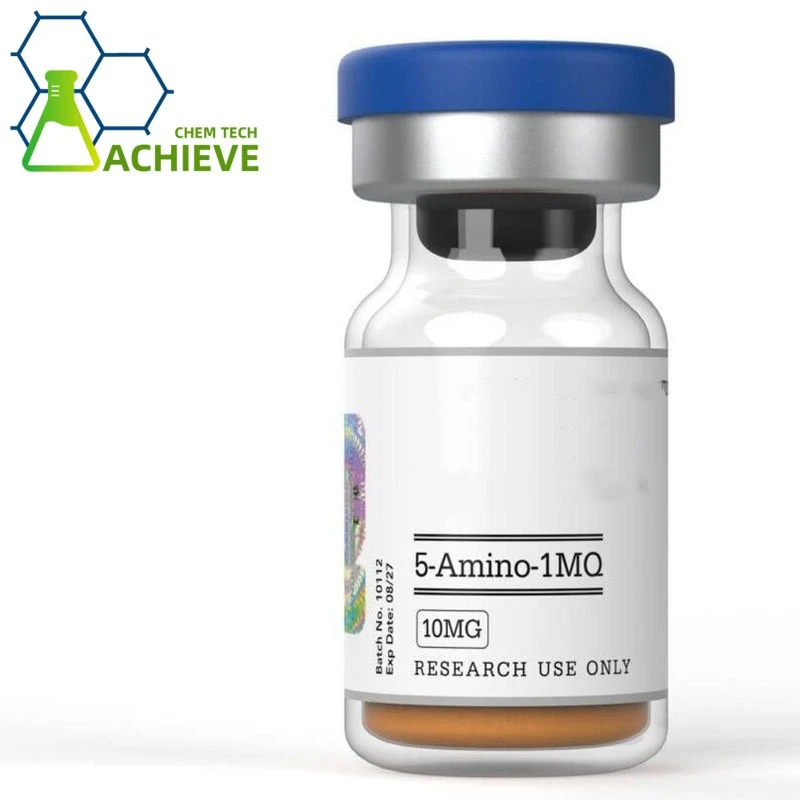
5-Amino-1MQ Peptide Injection
1.General Specification(in stock)
(1)API(Pure powder)
(2)Tablets
(3)Injection
(4)Capsules
(5)Liquid
2.Customization:
We will negotiate individually, OEM/ODM, No brand, for secience researching only.
Internal Code:KP-3-5/002
NNMTi CAS 42464-96-0
Molecular formula: C10H11N2.I
HS code: N/A
Molecular weight: 286.11
EINECS number: 464-196-0
Main market: USA, Australia, Brazil, Japan, Germany, Indonesia, UK, New Zealand , Canada etc.
Analysis: HPLC, LC-MS, HNMR
Technology support: R&D Dept.-4
Researchers across biotechnology organizations and pharmaceutical companies are exploring the mechanisms through which 5-Amino-1MQ modulates cellular communication networks. The compound's ability to reshape metabolic pathways stems from its interaction with fundamental cellular energy systems, making it a valuable subject for experimental studies focused on metabolic optimization.

Which Metabolic Signals Are Studied With 5 Amino 1MQ Peptide Injection?
The NNMT-NAD+ Axis
The main biochemical signal that was looked at with the 5 amino 1mq peptide injection was the NNMT-NAD+ pathway. Nicotinamide and S-adenosylmethionine are broken down by NNMT to make methylnicotinamide. The NAD+ pools inside cells are used up by this process. A lot of biological processes that make energy, like glycolysis and oxidative phosphorylation, need a coenzyme called NAD+. NAD+ supply goes down when NNMT activity goes up in fatty tissue. This makes it harder for cells to use energy. By stopping NNMT, 5-Amino-1-methylquinoline keeps the amount of NAD+ fixed. Strong metabolic signals can stay sent between cells this way.
Adipocyte Signaling Networks
A lot of the metabolic changes that 5-Amino-1MQ makes happen in fat tissue. Glucocorticoids and adiponectin help fat cells talk to each other. These chemicals manage swelling, hunger,


and how well insulin works in the body. To test this compound in the lab, scientists made obese mice and then changed the expression patterns of many genes in adipocytes in a big way. Less activity was seen in genes that help make fat, such as fatty acid synthase (FAS) and stearoyl-CoA desaturase-1 (SCD1). More activity was seen in genes that help break down fat, such as carnitine palmitoyltransferase 1A (CPT1A). Here are some big changes that happen when adipocytes get messages about food.
Insulin Signaling Pathways
The body's metabolism is thrown off by insulin resistance, which also makes a number of health problems worse. It has been found that giving 5-Amino-1MQ to models of metabolic syndrome improves insulin signaling. The mice that were given the medicine had muscles that took in more glucose and livers that made less glucose. In the lab, the homeostatic model measure of insulin resistance (HOMA-IR) got about 40% better.
This shows that stopping NNMT makes insulin receptors and the signaling cascades that involve PI3K/AKT pathways more sensitive.

How Does 5 Amino 1MQ Peptide Injection Interact With NNMT-Related Signaling?
Enzyme Inhibition Mechanism
The 5 amino 1mq peptide injection blocks NNMT in a competitive way. This substance has a structure that is like nicotinamide, so it can get into the enzyme's active site and stop substrate binding. While this competitive inhibition lowers NNMT's catalytic activity, it does not permanently damage the enzyme. It was shown that the drug is a strong inhibitor because NNMT activity dropped by about 60% in white fat tissue from animals that were treated. This drop depends on the dose, which means that the effects are stronger at higher concentrations.
Tissue-Specific Expression Changes
There are a lot of different ways that different organs make NNMT. In terms of amount, the liver, fat, and some parts of the brain have the most. The way the compound changes metabolic signals shows this pattern of diffusion. The metabolism changes so that burning energy is more important than storing it when NNMT activity drops in fat stores.

It has been shown that liver tissue responds to metabolic failure by better handling cholesterol and less steatosis. Based on these tissue-specific reactions, it looks like blocking NNMT leads to synchronized changes in the metabolism of many organ systems.
Epigenetic Signaling Modifications
We can change epigenetic control by using S-adenosylmethionine (SAM), which is a methyl source that can be used to methylate both DNA and histones. When treatment lowers NNMT activity, SAM pools in cells get bigger. This might change how genes that rely on methylation are managed. Animal models used in studies showed that treated animals had different DNA methylation patterns in genes that are linked to metabolism and living a long time.
These changes to epigenetics might help explain how the substance impacts metabolic flexibility and cellular aging signs.
5 Amino 1MQ Peptide Injection and NAD+ Signaling: What Is the Connection?
NAD+ Biosynthesis and Salvage Pathways
One way NAD+ is made is thru the de novo pathway, which starts with tryptophan. The other two, the Preiss-Handler pathway and the salvage pathway, both begin with nicotinic acid. It is NNMT that changes nicotinamide into methylnicotinamide, which can't be changed back into NAD+. This is what stops the rescue route from working. This methylation reaction uses up a lot of NAD+ in places where NNMT is present in large amounts. More nicotinamide is left over after a 5 amino 1mq peptide injection stops NNMT. It can be turned back into NAD+ by nicotinamide phosphoribosyltransferase (NAMPT). When the tests were done, they found that NAD+ levels in white fat tissue went up by 2.3 times after treatment. This proved that the substance could fix this important part of metabolism.
Cellular Energy Status Indicators
There are a lot of cells in our body that use NAD+ as a sensor to tell other cells what's going on with their metabolism.

The ratio of NAD+ to NADH tells us how much oxygen can be used and how much energy is being broken down. It means the body is under a lot of energy stress when NAD+ levels drop. Oxidative metabolism and mitochondrial respiration work better when NAD+ levels are high. NNMT is stopped by 5-Amino-1-methylquinoline, which keeps NAD+ inside the cell. This makes the cells have more energy. This change in the metabolic balance has an impact on many processes, such as burning fat and using glucose.
Mitochondrial Function Enhancement
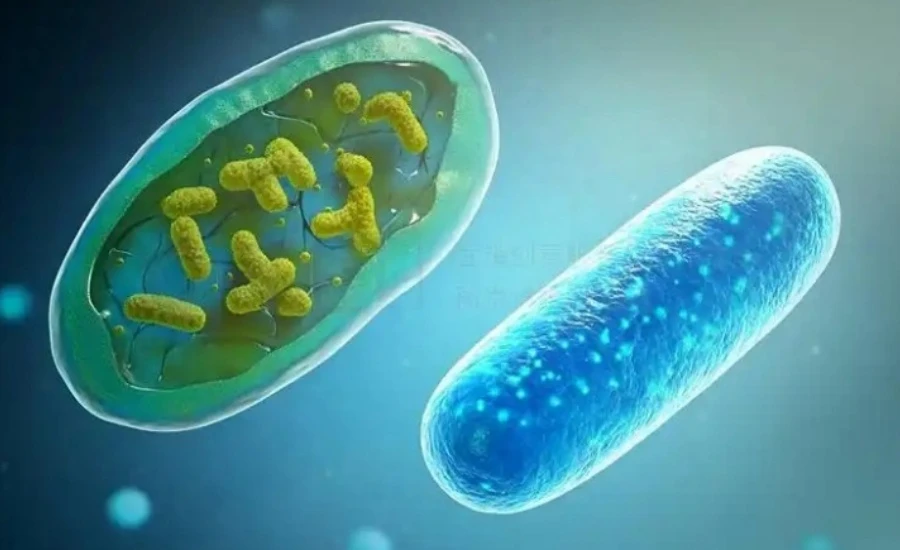
The electron transport chain and making ATP in mitochondria depend on NAD+ a lot. The citric acid cycle and glycolysis both make NADH molecules. These molecules need to be changed back into NAD+ for energy production to keep going. After medication, when NAD+ levels rise, mitochondria can breathe better. Researchers who tracked how much oxygen treated cells used found that they were able to breathe more at rest and at their peak.
It's better because there are now about 1.5 times as many copies of mitochondrial DNA as there were before. Cells can make more energy and keep their metabolism strong because of these changes.

How SIRT1 and Cellular Energy Signals Fit Into 5 Amino 1MQ Peptide Research
SIRT1 Activation Mechanisms
Sirtuin 1 (SIRT1) is a deacetylase that works with NAD+ and is part of a group that controls metabolic adaptation, stress resistance, and aging. For SIRT1 to take acetyl groups off of specific proteins, it needs NAD+. In other words, its function is directly linked to how much NAD+ in cells. In the same way that 5 amino 1mq peptide injection boosts NAD+ levels, SIRT1 activity goes up. This turns on a lot of metabolic controls, including the peroxisome proliferator-activated receptor gamma (PPAR-γ) and the forkhead box O (FOXO) transcription factors. The transcriptional activity of PPAR-γ is lowered when SIRT1 deacetylates it. This stops the genes that make fat cells and helps the fat cells change how they use energy.
Metabolic Gene Expression Programs
Because it works with metabolic transcription factors, SIRT1 changes the way genes are expressed, which in turn changes how the body uses glucose and fats. The SIRT1 gene deacetylates PGC-1α when it is turned on.


PGC-1α is a key driver of mitochondrial production and oxidative metabolism. Because of this change, PGC-1α is more steady and transcriptional activity goes up. This turns on genes that help mitochondria work and break down fatty acids. In animals that were treated, genes related to oxidative phosphorylation pathways were turned up, while genes related to lipogenic enzymes were turned down. These changes show that SIRT1 is a metabolic switch that leans toward catabolism over anabolism.
Cellular Stress Response Coordination
SIRT1 changes more than just metabolism. It also plans how cells respond to different stresses, like damage from oxidation and changes in nutrients. It does this by removing an acetyl group from FOXO transcription factors. This increases the amounts of antioxidant enzymes like SOD2 and catalase. With better oxidative metabolism, cells have to deal with more metabolic flow and the production of reactive oxygen species. This defense system helps them do that.
Scientists used models of aging to find that the treatment dropped signs of oxidative stress and raised the body's antioxidant defenses. This suggests that activating SIRT1 is one of the ways the compound helps keep cells healthy.

What Happens to Metabolic Signaling When NNMT Activity Is Reduced by 5 Amino 1MQ?
AMPK Pathway Activation
A protein called AMPK is another important energy sensor that keeps an eye on how much energy cells have. AMPK knows that energy is low when the AMP/ATP ratio goes up. In some experiments, treatment with 5 amino 1mq peptide injection has been tied to activation of AMPK, even tho it raises NAD+ and makes people feel more energetic. There may be a reason for this apparent inconsistency. AMPK is affected by NAD+ levels and helps change how metabolism works. A lot of metabolic enzymes are phosphorylated when AMPK is turned on. This stops pathways that use a lot of energy and speeds up pathways that break down cells. Some of these changes are taking in more glucose, burning fat more efficiently, and making lipids more slowly.
Inflammatory Signaling Modulation
Most of the time, metabolic dysfunction is linked to chronic low-grade inflammation. This creates a deadly loop that keeps metabolic disease going.

Stopping NNMT seems to break this loop more than one way. The inflammation load from adipocytes that are getting bigger goes down when there is less fatty tissue mass. When NAD+ and SIRT1 are turned on, they stop inflammation communication pathways like NF-κB. Levels of pro-inflammatory chemicals like interleukin-6 (IL-6) and tumor necrosis factor-alpha (TNF-α) dropped a lot in the animals that were treated. These changes in inflammation affect more than just fat tissue; they also have an impact on the whole circulatory system. In other words, they might help a lot of organ systems that are harmed by metabolic inflammation.
Metabolic Flexibility Restoration
It is metabolically flexible to be able to quickly and effectively switch between different fuel sources based on need and availability. Obesity and metabolic syndrome make this less flexible because they make cells use glucose more than fatty acids, even when fatty acids are available. It looks like treating with 5-amino-1MQ changes the way metabolic signaling networks work,
which makes the metabolism more flexible. The animals that were given the medicine were better able to burn fats when they weren't eating and better able to use glucose when they were. A number of communication paths have changed, which has made the cell more flexible again. Some of these are better mitochondrial function, greater sensitivity to insulin, and gene expression programs that handle nutrients better.

Conclusion
5 amino 1mq peptide injection has been the subject of new studies that show it has a wide range of effects on biochemical signaling networks. By going after NNMT, this small chemical changes basic cellular processes like how much NAD+ is present, what SIRT1 does, and how energy is used. There is a lot of preclinical data that shows metabolic benefits in models of aging cells, obesity, and metabolic syndrome. Changes in insulin sensitivity, adipocyte signals, mitochondrial activity, and the state of inflammation all work together to make these things happen.
We can use what we know about how the chemical works to come up with metabolic treatments that can help fight metabolic disease and the aging process. Scientists who study metabolic efficiency and healthy aging might be interested in NNMT inhibition because it boosts NAD+ levels and starts up pathways linked to longevity, like SIRT1. Scientists are learning more about how metabolic signals work in various cell systems to keep cells healthy and handle metabolic issues.
Frequently Asked Questions
1. What makes 5 amino 1mq peptide injection different from other metabolic compounds?
-
There is an enzyme called NNMT that the chemical targets. This enzyme links several biochemical processes. This method changes NAD+ levels and signaling cascades precisely, instead of changing metabolism in a more general way thru less targeted methods.
2. How long does it take to observe metabolic signaling changes with 5-Amino-1MQ treatment?
-
Studies done in animals show that NAD+ levels can go up within hours to days of treatment beginning. For bigger molecular changes, like changes in gene expression patterns and the way cells are made, the drug needs to be given to the animals every day for a few weeks.
3. Can 5-Amino-1MQ affect metabolic signaling in tissues beyond adipose tissue?
-
NNMT is found in a lot of different parts of the body, like the liver, skeletal muscle, and some brain cells. There are effects on all of these organs from the compound, but how strong the effects are depends on how much NNMT is present. Because it's spread out so much, metabolism changes can happen all over the body, not just in a few places.
Why Choose Kpeptide as Your Trusted 5 Amino 1MQ Peptide Injection Supplier
The most important things to look for in research-grade chemicals for metabolic studies are that they are reliable and of good quality. There is no doubt that Kpeptide is the best place to get 5 amino 1mq peptide injection shots. This is because it has all the right qualifications. Our 100,000-square-meter production sites are GMP-certified and meet standards in the US, EU, Japan, and China. We check that every batch is at least 98% pure and comes with all the proof of analysis, like HPLC and mass spectrometry data. Organic synthesis is something we've been doing for twelve years, and 24 foreign pharmaceutical companies have given us permission to work with them.

We offer regular batches, help with following the rules, clear pricing, and set profit margins. Our skilled R&D team can handle everything, from the first question to clearing customs. There are three quality control methods behind this, and if any goods don't meet standards, you can get your money back in full. We make sure that your metabolic signaling research doesn't stop, whether you need a small amount for research or a lot for mass production. This is because we have secure supply chains and cold chains.
Contact our expert team today at sales@kpeptide.com to discuss your specific requirements and experience the Kpeptide quality advantage that accelerates your research goals.
References
1. Komatsu M, Kanda T, Urai H, Kurokochi A, Kitahama R, Shigaki S, Ono T, Yukioka H, Hasegawa K, Tokuyama H, Kawamoto T, Fukui K, Wakino S. NNMT activation can contribute to the development of fatty liver disease by modulating the NAD+ metabolism. Scientific Reports. 2018;8(1):8637.
2. Kraus D, Yang Q, Kong D, Banks AS, Zhang L, Rodgers JT, Pirinen E, Pulinilkunnil TC, Gong F, Wang YC, Cen Y, Sauve AA, Asara JM, Peroni OD, Monia BP, Bhanot S, Alhonen L, Puigserver P, Kahn BB. Nicotinamide N-methyltransferase knockdown protects against diet-induced obesity. Nature. 2014;508(7495):258-262.
3. Ulanovskaya OA, Zuhl AM, Cravatt BF. NNMT promotes epigenetic remodeling in cancer by creating a metabolic methylation sink. Nature Chemical Biology. 2013;9(5):300-306.
4. Kilgour MK, MacPherson S, Zacharias LG, Ellis AE, Sheldon RD, Liu EY, Keyes S, Pauly B, Carleton G, Allard B, Stagg J, Kerr RG, Beaulieu ME, Screaton RA. 1-Methylnicotinamide is an immune regulatory metabolite in human ovarian cancer. Science Advances. 2021;7(2):eabe1174.
5. Campagna R, Vignini A. NAD+ Homeostasis and NAD+-Consuming Enzymes: Implications for Vascular Health. Antioxidants. 2023;12(2):376.
6. Hong S, Moreno-Navarrete JM, Wei X, Kikukawa Y, Tzameli I, Prasad D, Lee Y, Asara JM, Fernandez-Real JM, Maratos-Flier E, Pissios P. Nicotinamide N-methyltransferase regulates hepatic nutrient metabolism through Sirt1 protein stabilization. Nature Medicine. 2015;21(8):887-894.


