


Metabolic research has entered an exciting phase where small molecules can precisely target cellular pathways that regulate energy balance and fat storage. Among these emerging compounds, 5 amino 1mq peptide stands out as a selective inhibitor of nicotinamide N-methyltransferase (NNMT), an enzyme increasingly recognized for its central role in metabolic dysfunction. Understanding how this peptide interacts with NNMT opens new perspectives on addressing obesity, fatty liver conditions, and broader metabolic imbalances.

1.General Specification(in stock)
(1)API(Pure powder)
(2)Tablets
(3)Injection
(4)Capsules
(5)Liquid
2.Customization:
We will negotiate individually, OEM/ODM, No brand, for secience researching only.
Internal Code:KP-3-5/002
NNMTi CAS 42464-96-0
Molecular formula: C10H11N2.I
HS code: N/A
Molecular weight: 286.11
EINECS number: 464-196-0
Main market: USA, Australia, Brazil, Japan, Germany, Indonesia, UK, New Zealand , Canada etc.
Analysis: HPLC, LC-MS, HNMR
Technology support: R&D Dept.-4
Scientists have observed that elevated NNMT activity correlates with disrupted energy metabolism, excess adipose tissue accumulation, and reduced cellular NAD⁺ availability. By selectively blocking this enzyme, 5 amino 1mq peptide offers researchers a valuable tool to explore metabolic regulation at the molecular level. This article examines the peptide's mechanism, its relationship with NNMT inhibition, and how these interactions influence nicotinamide metabolism and cellular energy dynamics.

What Is 5 Amino 1MQ Peptide and How Does It Target NNMT?
The Molecular Structure and Characteristics of 5 Amino 1MQ
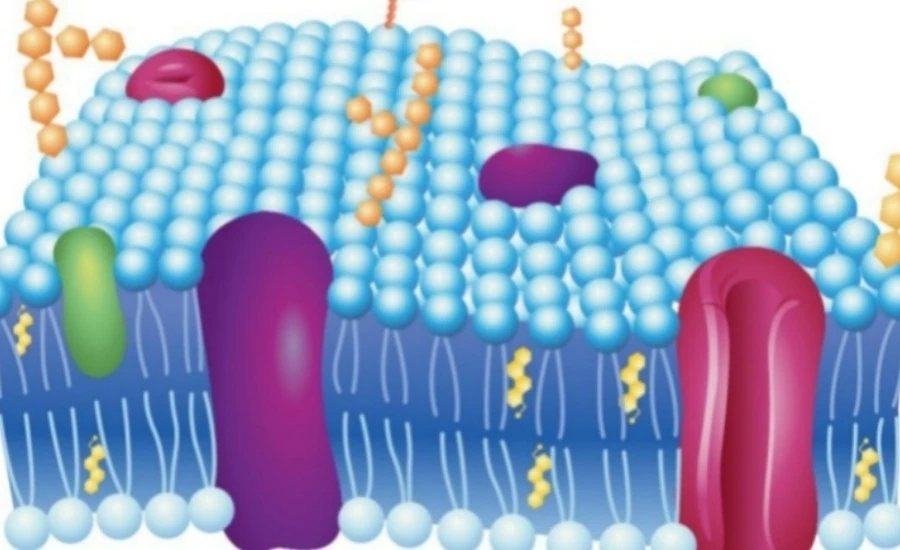
5-Amino-1-methylquinolinium chloride, or 5 amino 1mq peptide, is a small molecule made of quinolines that is meant to stop only the NNMT enzyme from working. Because it is made up of small molecules, its quinoline ring system makes cell membranes very permeable. This makes it easy for cells to take it in. Since the material has a special shape, it can get to places inside cells where NNMT works, mostly in fat cells and liver cells.
There is only one type of peptide that binds to NNMT because it can compete with vitamin B3 nicotinamide for the enzyme's active site. Broad-spectrum metabolic modulators change a lot of pathways at once, but this substance only affects NNMT and doesn't have much of an effect on related methyltransferase enzymes. With this level of accuracy, side effects are less likely to happen, and it's great for controlled metabolism studies.
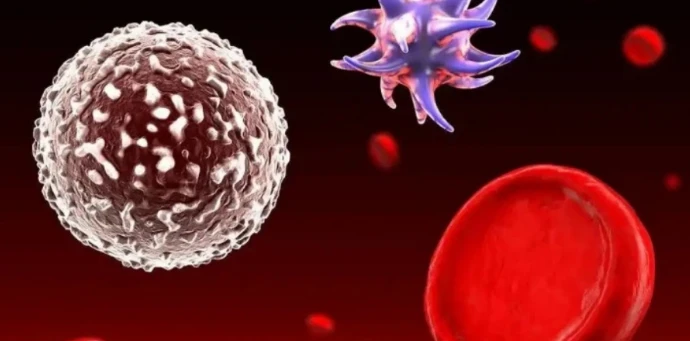

Understanding NNMT's Role in Metabolic Dysfunction
Using S-adenosylmethionine as a methyl source, nicotinamide N-methyltransferase is a control enzyme that changes nicotinamide into a different form. It uses up methyl groups in cells and creates 1-methylnicotinamide. This changes the processes that make NAD⁺ in a direct way. Researchers have found that NNMT expression goes up a lot in people who are overweight. This changes the metabolism so that it stores fat better than burns it.
Niacinamide is steered away from the normal pathways that make this important chemical when NNMT activity is high. This lowers the amount of NAD⁺ inside cells. Cells can't make as much energy when NAD⁺ is low because it's needed for sirtuin-mediated metabolic control and mitochondrial oxidative phosphorylation. These chemical reactions help make adipocytes bigger, slow down lipolysis, and slow down the metabolism. These are all signs of diseases linked to obesity.
How 5 Amino 1MQ Achieves Selective NNMT Inhibition
While competing to bind to the NNMT active site, the 5 amino 1mq peptide acts as an inhibitor. This makes it harder for substrates to reach the enzyme, which makes it work less well. Kinetics studies show that this compound has low to very low inhibition constants, which means it binds very strongly. NNMT-mediated nicotinamide methylation goes down when the peptide is added to cells. In this way, more nicotinamide can get into the systems that make NAD⁺.
When the amount of NAD⁺ goes up again, it changes how other biological processes work. Sirtuin proteins, especially SIRT1, start to work when the amount of NAD⁺ in the body goes up. Key transcription factors that help make fat and use energy are deacetylated by this. What this means is that the peptide changes the metabolic state so that it is better for oxidative metabolism and worse for fat storage.

Tests with adipocyte culture systems show that 30 μM concentrations can stop more than 70% of the differentiation markers. This proves that the chemical is very good at managing metabolism.

How 5 Amino 1MQ Peptide Works as an NNMT Inhibitor in Metabolic Research
Experimental Evidence From Adipocyte Models
Lab tests with 3T3-L1 preadipocytes have shown that this NNMT inhibitor can effectively stop the growth of fat cells. When adipogenic differentiation cocktails are added to these cells along with the 5 amino 1mq peptide, lipid droplets form much less often than in cells that were not treated. Quantitative PCR research shows that the amounts of PPARγ and C/EBPα are smaller. PPARγ and C/EBPα are both important for controlling how adipocytes mature.
The fact that the effects changed with dose in these studies shows that the peptide works on specific pathways that make fat. When the amount is between 10 and 50 μM, the buildup of fats slows down over time without hurting cells too much. These findings show that stopping NNMT messes up the genetic processes that make pre-adipocytes into fat-storing cells that are fully grown. This helps us figure out how to help people who have too much fat tissue.
In Vivo Metabolic Effects in Diet-Induced Obesity Models
Studies with overweight mice that ate a lot of fat showed that giving these mice 5 amino 1mq peptide every day makes their metabolism work better in a safe way. More white fat was lost in mice that were given 20 mg/kg every day for 11 days compared to mice that were given a vehicle. The amount of cellular hypertrophy in fat stores went down, and people lost a lot of weight.
The treated animals' plasma lipid profiles got better, and their cholesterol levels dropped by about 30%. This was in addition to changes in their fat tissue. The body's metabolism changed even though the amount of food eaten did not change. In this way, this intervention is different from ways to lose weight that make you feel less hungry. It was found that more oxygen was being used when energy was being used, which suggests that increased mitochondrial oxidative metabolism is one way that fat loss happened.
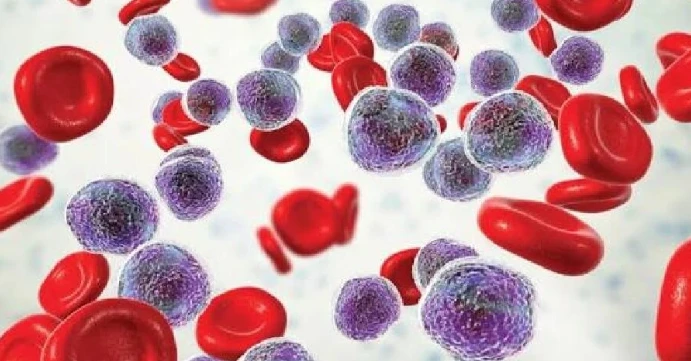

Impact on Hepatic Lipid Metabolism
The liver is another important place where stopping NNMT has metabolic effects. A lot more NNMT is made in the livers of fat mouse models, which causes too many triglycerides to build up and steatosis. When the peptide was given to the liver for 28 days, it lost a lot of weight and triglyceride. A histological study also showed that the fat droplets were less dense.
Gene expression research in liver tissue showed that the peptide changes the balance between making fat and breaking it down. After treatment, fatty acid synthase (FAS) and acetyl-CoA carboxylase (ACC), two important lipogenic enzymes, were found to work less well. But the amounts of mRNA for the fat-breaking enzymes adipose triglyceride lipase (ATGL) and hormone-sensitive lipase (HSL) went up. These chemical changes show that stopping NNMT changes the metabolism of the liver so that fat is burned instead of kept.

5 Amino 1MQ Peptide, NNMT Activity, and Nicotinamide Metabolism
The NAD⁺ Connection in Cellular Energy Homeostasis
Adenine dinucleotide (nicotinamide) is a key part of how cells work. In over one hundred redox reactions, it plays a part, and control enzymes use it as a substrate. This route is what makes nicotinamide back into NAD⁺. It is the main way that tissues in mammals keep their coenzyme levels healthy. Nicotinamide is changed into 1-methylnicotinamide by NNMT activity, which blocks this pathway. Nicotinamide can't be changed back into NAD⁺.
When the 5 amino 1mq peptide stops NNMT, the enzyme nicotinamide phosphoribosyltransferase (NAMPT) can use more nicotinamide. This speeds up the step that needs the most energy. Scientists have found that cells that were given the peptide have more NAD⁺. The amount of NAD⁺ can be higher by 50% or more, based on how active the NNMT is to begin with. There are affects that go through the metabolism of cells when the amount of NAD⁺ available goes up.

Sirtuin Activation and Metabolic Reprogramming
Sirtuins are deacetylase enzymes that depend on NAD⁺ and are very important for metabolic adaptation and how cells respond to stress. SIRT1 is the family member that has been studied the most. It controls transcription factors that control how glucose is made, how fatty acids are burned, and how mitochondria grow. SIRT1 doesn't work right when there isn't enough NAD because NNMT is working too hard. In biochemical terms, this makes it more likely that someone will be overweight or insulin resistant.
SIRT1 works better because the peptide raises the amount of NAD⁺ in the body. SIRT1 then deacetylates key metabolism factors and changes them. One example is that SIRT1 deacetylates PPARγ, which makes it less able to make fat cells. Also, a protein known as SIRT1 turns on a protein known as PGC-1α. This helps mitochondria work better and speeds up the release of oxygen. It is possible to see changes in how much fat is stored and how much energy is used because of these mechanistic links.
Methylation Balance and One-Carbon Metabolism
NNMT can use S-adenosylmethionine (SAM) for nicotinamide methylation, but one-carbon metabolism and cells' methylation abilities can change this. More than one methyltransferases use SAM as a methyl source to change DNA methylation, histone modifications, and the production of different molecules. Local SAM pools can get smaller when NNMT activity is high. This could change how epigenetics work and how metabolic pathways move.
When the 5 amino 1mq peptide lowers NNMT's activity, SAM is freed up to take part in other important methylation processes. The peptide may help the metabolism in more ways than just restoring NAD⁺, as this ability to protect methylation may play a part. When NNMT is blocked, epigenetic changes happen. Scientists who have studied these changes think that DNA methylation patterns in metabolic genes may change in ways that are linked to being leaner. But more study needs to be done in this area.


Why NNMT Inhibition Matters in 5 Amino 1MQ Peptide Metabolic Studies
Breaking the Obesity-Inflammation Cycle
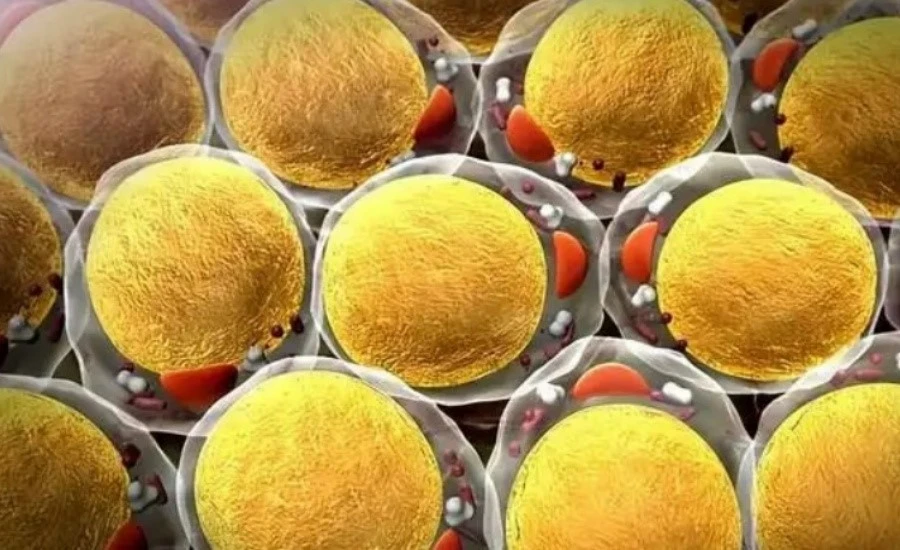
People who are overweight or fat have low-grade inflammation in their fatty tissue all the time. This is shown by macrophages and high amounts of cytokines that cause inflammation. In fat stores that have grown, there are more of the chemicals tumor necrosis factor-alpha (TNF-α) and interleukin-6 (IL-6). In this small space, metabolic failure and insulin resistance stay at a high level. When NNMT is present, it is linked to inflammatory markers in adipose tissue. This suggests that the enzyme plays a part in the metabolic damage that inflammation causes.
When 5 amino 1mq peptide is put on the fat tissue of overweight mice, it lowers the release of cytokines that cause inflammation. A lot less mRNA for TNF-α and IL-6 is being made, and markers for macrophage invasion are also going down. Several NAD⁺-dependent processes, mainly SIRT1 activation, which stops NF-κB signaling, play a part in this anti-inflammatory response.
By breaking the link between inflammation and metabolism, NNMT reduction cures a lot of bad things at once.
Improving Insulin Sensitivity and Glucose Homeostasis
Type 2 diabetes is more likely to happen if you are overweight because of a biological problem called insulin resistance. People with type 2 diabetes often have problems with their adipose tissue. These problems can be caused by too many free fatty acids being released, inflammatory cytokines being released, or changes in the profiles of some adipokines. In animal models, stopping NNMT makes insulin work better, as shown by the fact that glucose was cleared faster during tolerance tests and insulin signaling proteins were phosphorylated more.
Inflammation in fat cells goes down, and muscles take in more glucose. This makes insulin work better. Peptides made animals' skeletal muscles have more glucose transporter type 4 (GLUT4), and they were able to breathe better through their mitochondria. These changes at the muscle level lead to better glucose balance throughout the body.
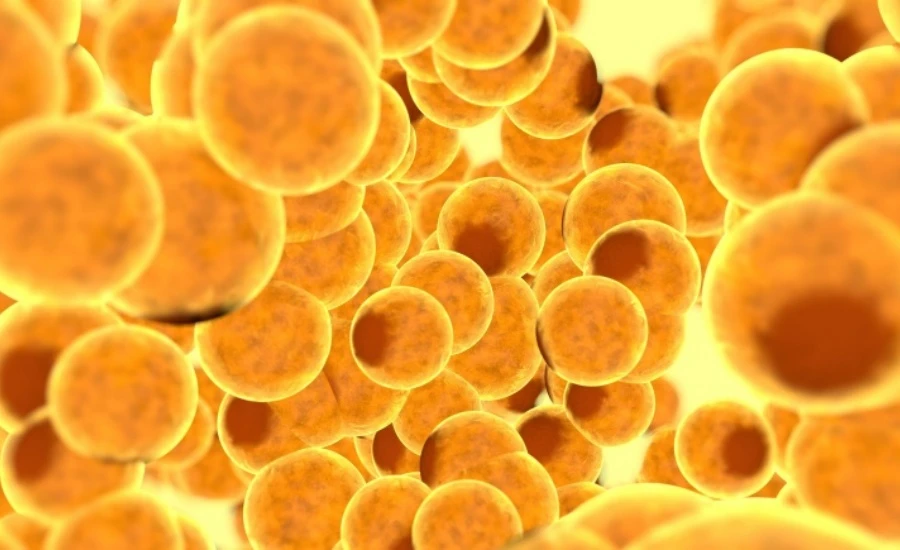
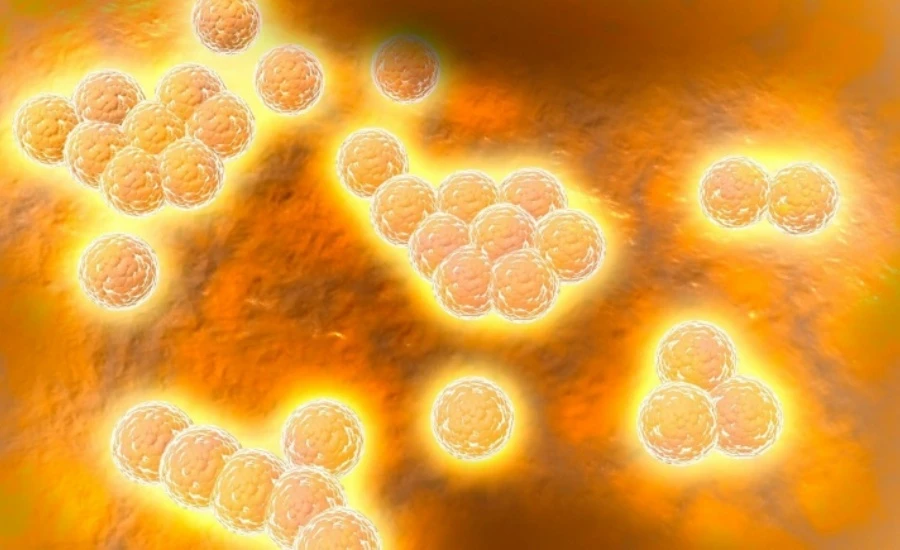
After a fast, glucose and insulin levels go back to what they are in lean animals.
Preventing Fatty Liver Disease Progression
NAFLD is a liver disease that many overweight people have. It can get worse over time and cause more serious liver problems. The level of hepatic NNMT goes up when a person is overweight and is linked to the amount of steatosis. By stopping NAD⁺-dependent fatty acid oxidation, the enzyme makes it easier for lipids to build up. At the same time, metabolic rewiring helps systems that make fat.
When fat mice are given the peptide, it drops the amount of triglycerides in their livers and improves the shape of the liver. It gets better for signs of liver stress like alanine aminotransferase (ALT) and the areas of inflammation get smaller. When NNMT is blocked, the liver's metabolism changes from making lipids to using reactive pathways, as shown by gene expression analysis. This changes some very important things about NAFLD.
According to these findings, NNMT could be used as a treatment target for more than just fat tissue. It could also be used to improve the metabolic health of the liver.

How 5 Amino 1MQ Peptide Connects NNMT Activity With Cellular Metabolism
Mitochondrial Function and Energy Expenditure
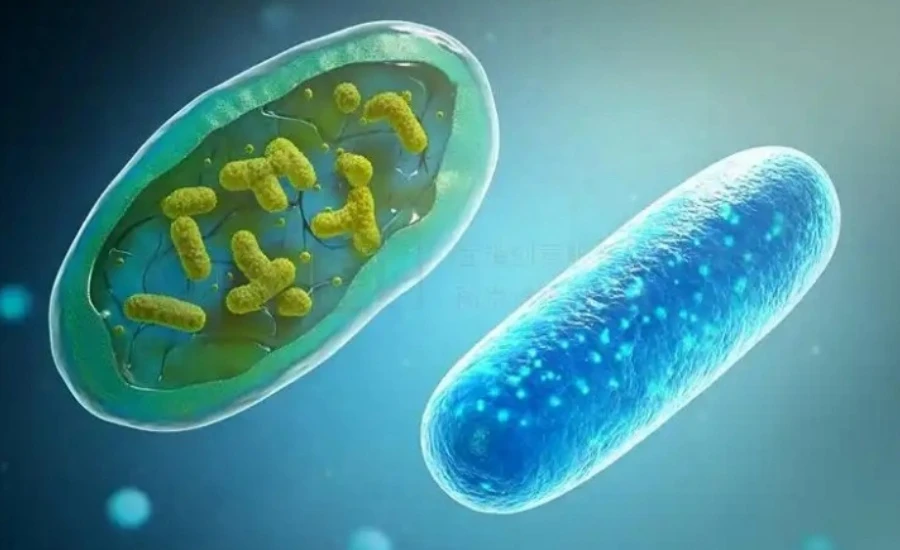
The main process that makes ATP, oxidative phosphorylation, takes place mostly in mitochondria. NAD⁺ is needed for this process because it moves electrons around. As part of glycolysis and the citric acid cycle, NAD⁺ turns into NADH by taking electrons from other molecules. This is when NADH gives electrons to the respiratory chain. When NNMT activity drops NAD⁺ levels in cells, mitochondrial performance goes down. This usually makes it harder for cells to make energy.
The 5 amino 1mq peptide raises the amount of NAD⁺ in the cell, which speeds up mitochondrial metabolism and makes oxygen and ATP more quickly. The chemical makes adipocytes breathe better across a number of substrates, as shown by tests of mitochondrial respiration in these cells. The treated animals burn more energy all over their bodies because of this metabolic activity. This helps them lose fat even when they don't eat as many calories.


Adipose Tissue Remodeling and Adipokine Secretion
NNMT reduction seems to change fat cells into a healthy shape while also dropping fat mass. There are fewer and fewer large adipocytes in the body. This could mean that each cell stores less fat or that more small adipocytes are being recruited. The balance between adipocyte hyperplasia (cell growth) and hypertrophy (cell growth) is very important for metabolic health. In general, adipocytes that are smaller respond better to insulin and cause less swelling.
After peptide treatment, there are also changes in how adipokines are used. You can find adiponectin in fat cells. It helps insulin work better. It is usually less present in obese people, but animals that have been treated make more of it in their fat tissue. But when fat mass goes down, leptin levels change in a similar way, and inflammatory adipokines go down. If you stop NNMT, it changes chemicals that help the body's metabolism and shows that it changes both the type and amount of fat that is stored.
Long-Term Metabolic Adaptations and Sustainability
When the study was stretched to 28 days, researchers found that 5 amino 1mq peptide's metabolic benefits last and may even get better over time. Weight loss happens slowly over time with long-term treatment, and there are no signs of tolerance building up or compensatory processes that could make it less effective. Keep in mind that while fat is lost, lean body mass stays the same. This is not the same as limiting calories, which can cause muscle loss along with fat loss.
One important question for research is whether the changes in metabolism will last after the treatment ends. The results so far show that weight gain is slower after peptide-induced weight loss than after diet-induced weight loss alone. It's possible that this is because of long-lasting changes in the fat tissue's cells or metabolic code. As the peptide helps keep muscle mass, it may also help keep the metabolism going. This lowers the risk of gaining the weight back that often happens after weight loss.
Conclusion
The 5 amino 1mq peptide selectively blocks NNMT. This is a complex method to change metabolism that tackles many of the unhealthy parts of obesity at the same time. Increasing insulin sensitivity, lowering liver steatosis, and lowering inflammatory signals are all slowed down by this substance. It does this by making NAD⁺ available again and starting up metabolic pathways that follow. Some things that make sense are linked: NNMT activity, nicotinamide metabolism, and the balance of energy in cells. This helps us figure out how the peptide changes metabolism in many ways.
Research applications of this compound extend across basic metabolic science, obesity pathophysiology, and potential therapeutic development. The peptide serves as a valuable research tool for dissecting NNMT's role in various tissues and disease states, while also representing a candidate molecule for further development toward clinical applications. As metabolic research continues to uncover the complex regulatory networks governing energy balance, compounds like 5 amino 1mq peptide that target specific nodes within these networks will remain essential for both understanding and potentially intervening in metabolic disease.
FAQ
1. What makes 5 amino 1mq peptide selective for NNMT compared to other methyltransferases?
+
-
The 5 amino 1mq peptide has a quinoline ring system that fits nicely with the shape of NNMT's active site and works well to stop nicotinamide substrate binding. Being able to choose its substrate over others that have different substrate recognition pockets is possible because of this structural compatibility. Kinetic studies reveal that NNMT has very low to very high inhibition values and not much activity against enzymes that are related to it. This is proof that it is a specific target for studying metabolism.
2. How does NNMT inhibition by this peptide differ from direct NAD⁺ supplementation?
+
-
Not only does adding NAD⁺ help with depletion by giving intermediates, but it doesn't fix the enzyme activity that causes depletion in the first place. Lowering nicotinamide methylation straight through NNMT is what the peptide method does. This helps the body's own repair systems work better. This change in how things work could cause an increase in NAD⁺ that lasts longer and a better fix for the metabolic problem at its source. NNMT suppression also protects cellular methylation by lowering the use of SAM, which is something that simple addition of NAD⁺ precursors does not do.
3. Can 5 amino 1mq peptide be combined with other metabolic interventions in research protocols?
+
-
Researchers have found that the metabolic benefits are even stronger when the 5 amino 1mq peptide is added to changes in what you eat or how much you work out. The chemical works to help you lose weight by making your body use more energy and break down fat without you eating even less. Studies that looked at more than one strategy lost more fat and changed the metabolism more than studies that only looked at one strategy. The specificity of the peptide for NNMT makes it easy to figure out how it works while looking at how it interacts with other metabolic modulators. This is helpful when planning study methods that include more than one intervention.
Looking for a Reliable 5 Amino 1MQ Peptide Supplier?
Kpeptide offers research-grade 5 amino 1mq peptide backed by comprehensive quality assurance and regulatory compliance. Our GMP-certified production facilities maintain US FDA, EU, and CFDA standards, ensuring every batch meets stringent purity specifications (≥98%) verified through independent analytical testing. With 12 years of organic synthesis expertise and partnerships with 24 international pharmaceutical and biotechnology organizations, Kpeptide delivers consistent product quality supported by complete documentation including HPLC, MS data, and stability profiles.

Our technical team provides responsive support throughout your research applications, from initial inquiry to delivery logistics. We understand the critical importance of supply chain reliability in metabolic research programs and maintain cold-chain infrastructure to preserve peptide integrity. Whether you require milligram quantities for preliminary studies or kilogram-scale supplies for extended investigations, Kpeptide's scalable manufacturing capabilities and transparent pricing ensure your research proceeds without interruption.
Connect with our specialized team to discuss your 5 amino 1mq peptide supplier requirements: sales@kpeptide.com.
References
1. Kraus D, Yang Q, Kong D, Banks AS, Zhang L, Rodgers JT, Pirinen E, Pulinilkunnil TC, Gong F, Wang YC, Cen Y, Sauve AA, Asara JM, Peroni OD, Monia BP, Bhanot S, Alhonen L, Puigserver P, Kahn BB. Nicotinamide N-methyltransferase knockdown protects against diet-induced obesity. Nature. 2014;508(7495):258-262.
2. Komatsu M, Kanda T, Urai H, Kurokochi A, Kitahama R, Shigaki S, Ono T, Yukioka H, Hasegawa K, Tokuyama H, Kawabe Y. NNMT activation can contribute to the development of fatty liver disease by modulating the NAD+ metabolism. Scientific Reports. 2018;8(1):8637.
3. Ulanovskaya OA, Zuhl AM, Cravatt BF. NNMT promotes epigenetic remodeling in obesity by creating a metabolic methylation sink. Nature Chemical Biology. 2013;9(5):300-306.
4. Pissios P. Nicotinamide N-methyltransferase: More than a vitamin B3 clearance enzyme. Trends in Endocrinology and Metabolism. 2017;28(5):340-353.
5. Hong S, Moreno-Navarrete JM, Wei X, Kikukawa Y, Tzameli I, Prasad D, Lee Y, Asara JM, Fernandez-Real JM, Maratos-Flier E, Pissios P. Nicotinamide N-methyltransferase regulates hepatic nutrient metabolism through Sirt1 protein stabilization. Nature Medicine. 2015;21(8):887-894.
6. Stromsdorfer KL, Yamaguchi S, Yoon MJ, Moseley AC, Franczyk MP, Kelly SC, Qi N, Imai S, Yoshino J. NAMPT-mediated NAD+ biosynthesis in adipocytes regulates adipose tissue function and multi-organ insulin sensitivity in mice. Cell Reports. 2016;16(7):1851-1860.


