


Recent scientific investigations into metabolic regulation have revealed fascinating connections between cellular signaling pathways and small-molecule peptide inhibitors. Among these discoveries, the relationship between 5 amino 1mq peptide and the NF-kB signaling cascade has emerged as a particularly intriguing area of research. This naturally occurring small-molecule peptide inhibitor, which targets nicotinamide N-methyltransferase (NNMT), appears to influence inflammatory responses and metabolic processes through mechanisms that involve the NF-kB pathway. Understanding these interactions opens new perspectives for researchers exploring metabolic dysfunction, adipose tissue inflammation, and energy balance regulation.

1.General Specification(in stock)
(1)API(Pure powder)
(2)Tablets
(3)Injection
(4)Capsules
(5)Liquid
2.Customization:
We will negotiate individually, OEM/ODM, No brand, for secience researching only.
Internal Code:KP-3-5/002
NNMTi CAS 42464-96-0
Molecular formula: C10H11N2.I
HS code: N/A
Molecular weight: 286.11
EINECS number: 464-196-0
Main market: USA, Australia, Brazil, Japan, Germany, Indonesia, UK, New Zealand , Canada etc.
Analysis: HPLC, LC-MS, HNMR
Technology support: R&D Dept.-4
As investigators continue to map the molecular mechanisms underlying metabolic health, the intersection of NNMT inhibition and inflammatory signaling presents compelling research opportunities. The 5 amino 1mq peptide offers a unique experimental tool for dissecting these complex biological processes.

What Is the NF-kB Pathway in 5 Amino 1MQ Peptide Research?
Understanding NF-kB Signaling Fundamentals
The NF-kB pathway is one of the cell signaling pathways that has been studied the most in biomedical research. This group of transcription factors controls a huge number of genes that are involved in metabolism, immune responses, inflammation, and cell survival. NF-kB proteins stay silent in the cytoplasm when conditions are normal because they are attached to IκBs, which are proteins that stop signaling. When cells are exposed to inflammatory stimuli, stress signals, or metabolic problems, NF-kB is released thru a series of phosphorylation events. This lets it move into the nucleus and start the expression of target genes.
Metabolic study has shown that NF-kB activity is closely related to the long-term low-grade inflammation seen in obesity, insulin resistance, and fatty liver. Because of this link, the pathway is very useful for studying metabolic interventions. The 5 amino 1mq peptide is involved because it changes the activity of the NNMT enzyme, which in turn changes the amounts of NAD⁺ in cells and.
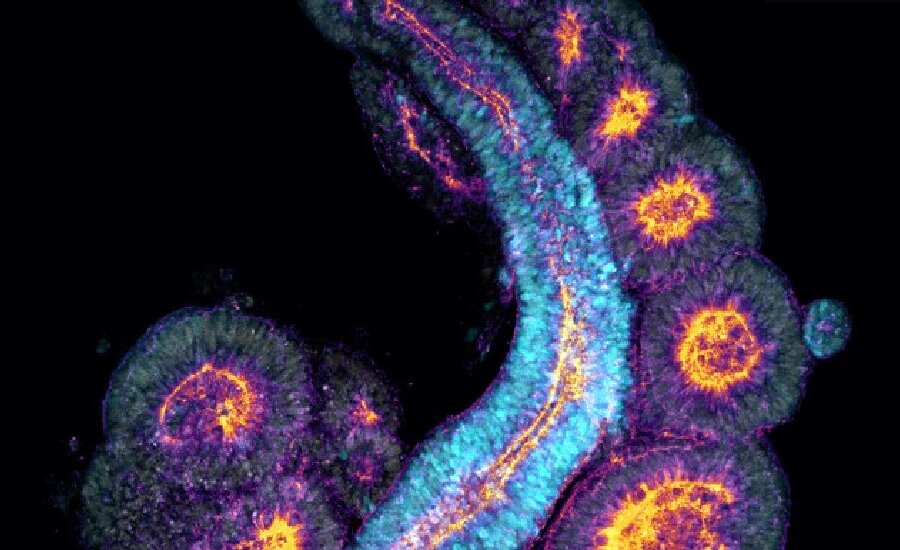

In turn, changes many metabolic pathways, including those controlled by NF-kB signaling.
The Mechanistic Link Between NNMT Inhibition and NF-kB
According to research, the activity of the NNMT enzyme affects inflammatory responses in a number of ways that are all linked to each other. NNMT speeds up the methylation of nicotinamide, which uses up NAD+. This enzyme action changes the amount of NAD⁺ available in cells, which in turn changes enzymes that depend on NAD⁺, such as sirtuins. As deacetylases, sirtuin proteins, especially SIRT1, can change NF-kB proteins and change how they do their job of transcription. When the 5 amino 1mq peptide blocks NNMT, the levels of NAD⁺ in cells rise. This may make sirtuin activity stronger and change the regulation of inflammatory genes that rely on NF-kB.
Researchers can use this mechanistic link to get a better idea of how metabolic changes might affect inflammatory processes. Because the peptide can change this route without going after NF-kB proteins directly.
It is a useful testing tool for looking into the link between metabolism and inflammation.

How Is NF-kB Signaling Related to 5 Amino 1MQ Peptide and Metabolic Regulation?
Metabolic Inflammation and the NF-kB Connection
Inflammatory pathways are often kept active at low levels in people with chronic metabolic conditions. This happens in adipose tissue by making more pro-inflammatory cytokines and chemokines, letting macrophages in, and changing how adipocytes work. The main thing that controls these inflammatory reactions is NF-kB activation. Once NF-kB is turned on, it triggers the production of TNF-α, IL-6, MCP-1, and other inflammatory substances that keep metabolic dysfunction going.
Studies that look at metabolic cells in models of obesity always find that NF-kB activity is higher and NNMT mRNA is higher as well. This parallel elevation points to possible mechanical links. When scientists use the 5 amino 1mq peptide in experiments, they see changes in the expression of inflammatory markers that are linked to changes in the activity of the NF-kB pathway. The peptide changes how cells use NAD+, which has effects on many other signaling networks that are linked to it, including those that control inflammatory reactions.

NAD⁺ Metabolism as a Regulatory Node
There is a very important link between the abundance of NAD+ and NF-kB signaling that controls both metabolism and inflammation. Not only does NAD⁺ help the body use energy, it also acts as a building block for regulatory enzymes that control how cells react to nutrients and stress. Sirtuin enzymes need NAD⁺ to do their deacetylase work. They can change NF-kB subunits and the regulatory proteins that are linked to them. This usually stops inflammatory transcriptional programs.
The 5 amino 1mq peptide protects cellular NAD+ stores that would be used up by nicotinamide methylation if NNMT is not stopped. This protection makes NAD+-dependent enzymes work better, like sirtuins that control NF-kB. Researchers have seen that this change in metabolism can lower the expression of inflammatory genes in adipose tissue and the liver. This may help explain some of the metabolic benefits seen when NNMT is blocked. Instead of directly stopping inflammatory signals, the peptide controls inflammation thru metabolic processes.
Experimental Evidence From Metabolic Models
Using diet-induced obesity models on animals in studies shows clear links between blocking NNMT and lowering inflammation signals. Researchers see lower levels of inflammatory markers in adipose tissue when they treat obese rodents with 5 amino 1mq peptide. These markers include TNF-α and IL-6. These changes are linked to fewer macrophages entering the cell and better metabolic factors. More research into how these anti-inflammatory benefits work shows that they are linked to higher levels of NAD+ and higher levels of SIRT1, which is in line with how the NF-kB pathway is changed.
There seems to be a chain of events that leads to NNMT inhibition, NAD+ elevation, and a decrease in inflammatory markers. Based on these findings, the peptide can be used as a study tool to look into how changes in metabolism can affect inflammatory processes thru upstream metabolic changes instead of directly targeting immunity pathways.

5 Amino 1MQ Peptide and NF-kB Signaling in Adipose Tissue Research

Adipose Tissue as an Inflammatory Hub
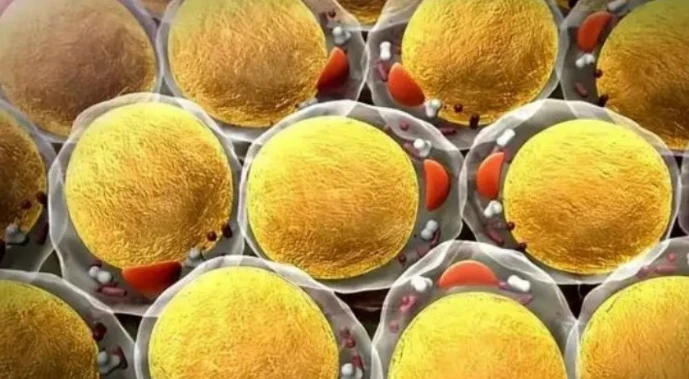
Adipoedema is more than just a place to store energy. When someone is overweight, their fat stores get bigger, which leads to chronic inflammation. This is marked by active resident immune cells, infiltrating macrophages, and higher cytokine release. This state of inflammation makes insulin resistance worse in the area and makes metabolic failure worse throughout the body. NF-kB signaling controls the production of many genes that cause inflammation and is a key part of this fatty tissue inflammation.
Researchers who looked at fat tissue from obese people found that NNMT expression was higher along with signs of NF-kB activity. This co-elevation suggests that NNMT activity may play a part in the inflammatory state of fat tissue that isn't working right. When scientists use the 5 amino 1mq peptide on lab animals, they see changes in NF-kB-regulated gene expression that lead to less inflammation in adipose tissue.
These results suggest that NNMT may play a role in metabolic inflammation and that blocking it may be a way to lower the inflammatory burden in adipose tissue.
Macrophage Polarization and Tissue Remodeling
As obesity gets worse, the cells that make up adipose tissue change in big ways. Macrophages move into areas of fat that are growing and become pro-inflammatory, which keeps tissues from working properly. NF-kB signaling changes the orientation of macrophages, which leads to the production of M1-like phenotypes that release inflammatory chemicals. Studies show that biochemical factors, such as the abundance of NAD⁺, can change the look and function of macrophages.
There is proof from experiments that treating fat tissue with 5 amino 1mq peptide may change the number of macrophages there. Researchers have seen that the treated animals have less macrophage invasion markers and less production of genes related to M1. The peptide's effects on NAD+ metabolism and following impact on NF-kB signaling offer reasonable explanation paths, even tho direct mechanisms are still being studied.

We are just starting to scratch the surface of how metabolic treatments change the way immune cells behave in metabolic tissues.
Inflammatory Mediator Production and Metabolic Consequences
Many cytokines, chemokines, and inflammatory agents are released when NF-kB is activated in fat tissue. These molecules set off autocrine and paracrine signaling loops that keep inflammation going and make it harder for adipocytes to do their job. TNF-α and IL-6 are both NF-kB target genes that mess up insulin signaling, change how adipocytes differentiate, and speed up lipolysis, which releases a lot of free fatty acids into the bloodstream. This inflammatory environment goes beyond adipose tissue and helps cause hepatic steatosis and insulin resistance throughout the body.
Studies that look at what happens when NNMT is blocked regularly show that these inflammatory molecules go down. When 5 amino 1mq peptide is given to obese animal models, it greatly lowers the expression of TNF-α, IL-6, and other NF-kB target genes in adipose tissue.
These molecular changes are accompanied by practical benefits, such as better insulin sensitivity and less fat buildup in the liver. The peptide's ability to reduce inflammation signals thru metabolic processes shows how energy metabolism and immune function are linked in adipose tissue biology.

Why Is NF-kB Signaling Relevant When Studying 5 Amino 1MQ Peptide?
Bridging Metabolic and Inflammatory Research
The importance of NF-kB communication to 5 amino 1mq peptide study goes beyond just being interested in how things work. This link brings together two areas of research that have usually been kept separate: metabolic regulation and inflammatory biology, showing how they are fundamentally connected. Researchers can better understand the full range of metabolic effects seen with this technique if they know how blocking NNMT affects inflammatory pathways. It's not possible to fully understand metabolic improvements without also recognizing the anti-inflammatory effects that lead to changes in the overall phenotype.
Researchers can use verified readouts from NF-kB pathway analysis to test the biological action of NNMT inhibitors. NF-kB target gene expression changes, nuclear translocation assays, and measuring inflammatory markers are all extra steps that can be added to metabolic assessments to make them more useful. This multidimensional approach makes research conclusions stronger and helps find the mechanisms behind the phenotypes that are seen.

Understanding Off-Target and Pleiotropic Effects
It is not possible for drugs to work thru completely separate mechanisms. NNMT inhibitors, such as 5 amino 1mq peptide, change metabolism, especially the availability of NAD⁺, which sends signals thru networks of cells that are all connected to each other. One important part of these networks is NF-kB. By looking at how the NF-kB pathway reacts to NNMT reduction, researchers can get a better idea of the peptide's many effects and tell the difference between direct effects on NNMT and effects caused by changes in NAD+ metabolism or sirtuin activity.
For applied study, this complete description is important. Knowing all the different kinds of biological reactions helps researchers guess what they might be used for, find good ways to combine things, and guess what problems might come up or affects that depend on the situation. The NF-kB link gives the peptide's mechanism of action more depth than just blocking the NNMT enzyme.
Identifying Research Opportunities and Applications
NNMT suppression and NF-kB signaling come together in a way that makes many study areas possible. Researchers looking into the inflammatory parts of metabolic diseases can use the 5 amino 1mq peptide to separate the metabolic parts that cause inflammation. On the other hand, experts who studied how to control metabolism learned more about how to change inflammation as a way to help improve metabolism. Because it works in both directions, the peptide can be used in more types of study.
Some specific study topics that could be looked into are the temporal links between changes in metabolism and inflammatory reactions, the effects that different cell types have in complex tissues, and how genetic or dietary factors can change the anti-inflammatory effects of the peptide. It is helpful to look at the NF-kB pathway as part of larger molecular studies in all of these areas.

What Can NF-kB Pathway Research Reveal About 5 Amino 1MQ Peptide?

Mechanism of Action Clarification
Research on the NF-kB pathway tells us a lot about how the 5 amino 1mq peptide works in the body. There is a direct interaction between molecules that stops NNMT from working, but this has effects on many other molecules that work after it. Researchers can map the signaling pathway from the start of NNMT reduction to the end of inflammatory gene expression changes by keeping an eye on NF-kB activation state, nuclear translocation, target gene expression, and post-translational modifications.
These knowledge about how things work help us figure out if the peptide's anti-inflammatory benefits come from more NAD⁺, more sirtuin activity, different methylation patterns, or a mix of these. Detailed route analysis helps tell the difference between correlation and causation and finds steps that slow things down, which could be used as targets for optimization or combination tactics. This clear explanation of how things work makes the science basis for possible uses stronger.
Tissue-Specific and Context-Dependent Effects
NNMT expression patterns, NAD+ metabolism, and inflammatory response levels are all different in different organs. Studies of the NF-kB pathway in different tissues show that the effects of the 5 amino 1mq peptide are different depending on the cell type. Depending on their starting metabolic states, enzyme expression patterns, and how inflammation signals move, adipose tissue, liver, skeletal muscle, and immune cells may react to NNMT reduction in different ways.
Comparing NF-kB responses in different tissues helps researchers figure out where the peptide has the most anti-inflammatory effects and which cell types make the biggest difference in improving metabolism across the body. These tissue-specific insights help researchers figure out the best ways to use substances and why certain metabolic results happen most often in certain testing settings. When you look at context-dependent effects thru the lens of tissue-specific NF-kB regulation, they become less mysterious and more logical.
Predictive Biomarkers and Outcome Assessment
Parts of the NF-kB pathway could be useful biomarkers for tracking how the body reacts to NNMT inhibition. NF-kB target gene expression changes could show early signs of biological activity before big changes in metabolic parameters. NF-kB-controlled inflammation markers may help scientists figure out which people or animal models will have the best metabolic reactions to 5 amino 1mq peptide treatment.
Creating these biomarkers speeds up research by letting researchers quickly see how well an intervention is working. Researchers could look at NF-kB-related markers within days to confirm biological activity and find the best dosing strategies instead of waiting weeks for changes in body weight or fat mass. This ability to predict the future speeds up research and makes it possible to create more complex experiments that link early changes in molecules to later metabolic effects.
Conclusion
The connection between the 5 amino 1mq peptide and NF-kB signaling shows how metabolic control and inflammation processes are closely linked. This small-molecule peptide changes inflammatory pathways that lead to metabolic dysfunction by blocking NNMT and its subsequent effects on NAD+ metabolism. Studies that look at NF-kB signaling in the context of NNMT inhibition show how the peptide affects inflammation in adipose tissue, the expression of metabolic markers, and the overall metabolic phenotype. These new ideas help us learn more about how changes in metabolism affect inflammatory biology and show how energy metabolism and immune function are connected. Researchers are still looking into these links, and the peptide is a useful tool for breaking down the molecular processes that control metabolic health and disease.
FAQ
1. How does 5 amino 1mq peptide influence NF-kB signaling in metabolic research?
+
-
In metabolic studies, how does the 5 amino 1mq peptide change NF-kB signaling? The peptide stops the NNMT enzyme from working, which raises the amount of NAD⁺ in cells. This raises the activity of NAD+-dependent enzymes like SIRT1, which can deacetylate and change NF-kB proteins, which in turn lowers the production of genes that cause inflammation. The peptide's effects in metabolic studies are helped by an indirect but important way that it changes inflammatory signaling thru metabolism.
2. What makes NF-kB pathway analysis important for understanding 5 amino 1mq peptide effects?
+
-
An study of the NF-kB pathway shows how blocking NNMT affects inflammatory processes that play a big role in metabolic failure. By looking at this signaling cascade, researchers learn more about anti-inflammatory processes that work in addition to the peptide's direct metabolic effects. This gives them a fuller picture of how the peptide improves metabolic factors in lab models.
3. Can NF-kB-related markers serve as readouts for 5 amino 1mq peptide biological activity?
+
-
Genes that are targeted by NF-kB and inflammatory markers that are controlled by this pathway are useful biomarkers for checking the biological activity of peptides. Changes in TNF-α, IL-6, and other NF-kB-regulated genes show early signs of reaction that go along with metabolic measures. This lets scientists get a fuller picture of how experiments worked in different tissues and situations.
Partner With Kpeptide: Your Trusted 5 Amino 1MQ Peptide Supplier for Advanced Research
When the quality and dependability of your study are very important, Kpeptide provides. As a specialist supplier of 5 amino 1mq peptides, we have 12 years of experience in organic synthesis and GMP-certified production facilities that are approved by the FDA, EU, PMDA, and CFDA. Every product we make shows how much we care about research excellence: it has high purity grades (≥98%), full analytical documentation (HPLC, MS), and strict triple-level quality checks.

Our scientific support team has the knowledge and stable supply chain that your project needs, whether you're looking into how the NF-kB pathway interacts with other pathways, how metabolism is controlled, or how inflammation affects fatty tissue. We know how important it is for scientific research to be consistent, keep records, and follow the rules. 24 of the world's top research organizations have certified us as a qualified seller. This shows that they trust our quality standards and skilled service. Kpeptide is a reliable partner for metabolic and inflammatory researchers looking for clear price, flexible packaging, and one-on-one support that helps you reach your study goals faster.
Ready to advance your NF-kB pathway studies? Contact our team at sales@kpeptide.com to talk about your study needs and find out how our premium 5 amino 1mq peptide can help you reach your scientific goals.
References
1. Komatsu M, Kanda T, Urai H, Kurokochi A, Kitahama R, Shigaki S, Ono T, Yukioka H, Hasegawa K, Tokuyama H, Kawaguchi N, Matsumoto S, Isami K, Maeda S, Miura S, Nishida M, Imai S, Hayashi K. NNMT activation can contribute to the development of fatty liver disease by modulating the NAD+ metabolism. Scientific Reports. 2021;11(1):8885.
2. Kraus D, Yang Q, Kong D, Banks AS, Zhang L, Rodgers JT, Pirinen E, Pulinilkunnil TC, Gong F, Wang YC, Cen Y, Sauve AA, Asara JM, Peroni OD, Monia BP, Bhanot S, Alhonen L, Puigserver P, Kahn BB. Nicotinamide N-methyltransferase knockdown protects against diet-induced obesity. Nature. 2014;508(7495):258-262.
3. Campagna R, Vignini A. NAD+ Homeostasis and NAD+-Consuming Enzymes: Implications for Vascular Health. Antioxidants. 2023;12(2):376.
4. Lawrence T. The nuclear factor NF-kappaB pathway in inflammation. Cold Spring Harbor Perspectives in Biology. 2009;1(6):a001651.
5. Hayden MS, Ghosh S. NF-κB in immunobiology. Cell Research. 2011;21(2):223-244.
6. Ulrichsena M, Santosa A, Karalay O, Hansen JB, Vitting-Seerup K, Kahn BB, Gerhart-Hines Z. NNMT promotes adipose inflammation through post-transcriptional regulation. Molecular Metabolism. 2022;57:101437.


