


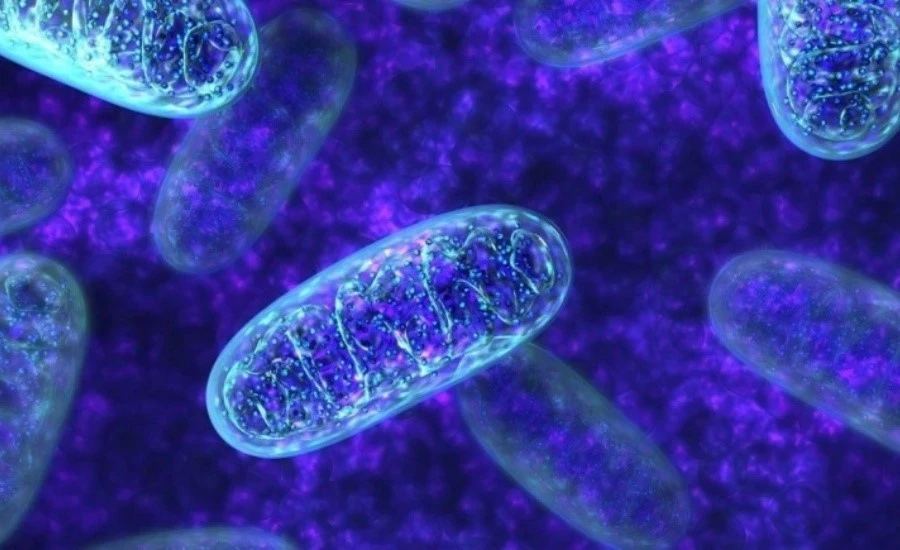
When researchers talk about cellular energy, the conversation inevitably turns to mitochondria-those microscopic powerhouses working tirelessly inside every cell. Recently, a small molecule called 5 amino 1mq peptide has captured attention in metabolic research circles, not because it directly enters mitochondria, but because it influences the very fuel these energy factories need to operate. Understanding this connection opens fascinating possibilities for metabolic health and energy regulation.

1.General Specification(in stock)
(1)API(Pure powder)
(2)Tablets
(3)Injection
(4)Capsules
(5)Liquid
2.Customization:
We will negotiate individually, OEM/ODM, No brand, for secience researching only.
Internal Code:KP-3-5/002
NNMTi CAS 42464-96-0
Molecular formula: C10H11N2.I
HS code: N/A
Molecular weight: 286.11
EINECS number: 464-196-0
Main market: USA, Australia, Brazil, Japan, Germany, Indonesia, UK, New Zealand , Canada etc.
Analysis: HPLC, LC-MS, HNMR
Technology support: R&D Dept.-4
The relationship between this selective inhibitor and mitochondrial function represents a compelling example of how targeting one enzyme can create ripples throughout cellular metabolism. For scientists and health professionals exploring metabolic interventions, this molecular pathway offers fresh perspectives on energy balance and cellular vitality.

How Does 5 Amino 1MQ Peptide Relate to Mitochondrial Energy Metabolism?
The NNMT-Mitochondria Connection
The story starts with an enzyme known as NNMT, which stands for nicotinamide N-methyltransferase. It looks like this enzyme's job is pretty easy: it adds methyl groups to nicotinamide molecules. Even so, this small biochemical reaction has big effects on how mitochondria make energy. When NNMT activity goes up, which often happens in adipose tissue when metabolism isn't working right, it lowers the amount of nicotinamide in cells, which is an important building block for NAD+.
NAD+ is very important for mitochondria to do their job of making energy. This coenzyme moves electrons around in the respiratory chain, which is a set of reactions that turn food into ATP, which cells use as their main source of energy. When the 5 amino 1mq peptide blocks NNMT, it keeps nicotinamide available, which supports the NAD+ levels that mitochondria need to work at their best. Because of this secondary link, scientists who study mitochondrial metabolism are becoming more and more interested in blocking NNMT.

Metabolic Flux and Energy Production
The metabolism in cells works like a complicated web of interconnected highways. Mitochondria are the main hubs where different metabolic pathways meet. Targeted chemicals that block NNMT cause changes in metabolic flux, which is the speed at which molecules move thru these pathways. Scientists have seen in the lab that when NNMT activity goes down, cells have better oxidative metabolism. This means that the mitochondria handle more resources thru oxygen-dependent pathways instead of less efficient ones.
This change in metabolism has real-world effects. When NNMT inhibitors are added to cells, they use more oxygen, which is a good sign that the mitochondria are working. The fact that experimental models showed higher energy use says that mitochondria work better when they are not limited by metabolic restrictions caused by too much NNMT activity. Researchers who study metabolic flexibility-the way cells can use different food sources depending on what's available-are now more interested in this topic.

5 Amino 1MQ Peptide and Mitochondrial Function: What Does NNMT Have to Do With It?
The Enzyme That Shapes Energy Balance
The way NNMT is expressed gives us important information about its role in metabolism. This enzyme is mostly found in fat tissue and the liver, which are two important systems for controlling energy levels throughout the body. When someone is overweight or has metabolic problems, their NNMT levels rise a lot in these tissues. This is linked to mitochondrial efficiency going down and energy balance getting worse. By using up NAD+ intermediates faster than cells can make them again, the enzyme pretty much slows down the metabolism.
The fact that NNMT doesn't connect directly with mitochondria makes this even more interesting. Instead, it changes the metabolic setting in which these cells work. Controlling the availability of NAD+ precursors is how NNMT controls the fuel supply for energy production in mitochondria. By blocking this enzyme (5 amino 1mq peptide), it frees up a metabolic blockage, letting cells return to conditions that are better for mitochondrial function.


Cellular Signaling and Mitochondrial Quality
In addition to making energy, mitochondria are part of the networks of signals in cells that control how metabolism changes. Sirtuins are NAD+-dependent enzymes that change how cells work based on how much energy they have access to. SIRT1, which is one of the sirtuins that has been studied the most, controls mitochondrial biogenesis, which is the process by which cells make new mitochondria. This protein also affects the quality control systems in mitochondria that get rid of damaged organelles and keep the mitochondrial population healthy.
By keeping NAD+ levels the same, blocking NNMT seems to boost sirtuin function. Using specific NNMT inhibitors in experiments shows that they raise SIRT1 levels and activity, which leads to better measures of mitochondrial function. This link shows that the metabolic benefits seen with NNMT inhibition may go beyond just making more energy. They may also include longer-term changes in the health of mitochondria and the robustness of cells.

How 5 Amino 1MQ Peptide Research Connects NAD+ With Mitochondrial Activity
NAD+ as the Central Metabolic Currency
In cells, nicotinamide adenine dinucleotide comes in two forms: NAD+ (oxidized) and NADH (reduced). This dynamic pair is involved in a huge number of enzymatic reactions, but its role in mitochondrial respiration is one of the most important. To keep the electron transport chain in mitochondria working right, the NAD+/NADH ratio must be just right. This creates the proton gradient that powers ATP production.
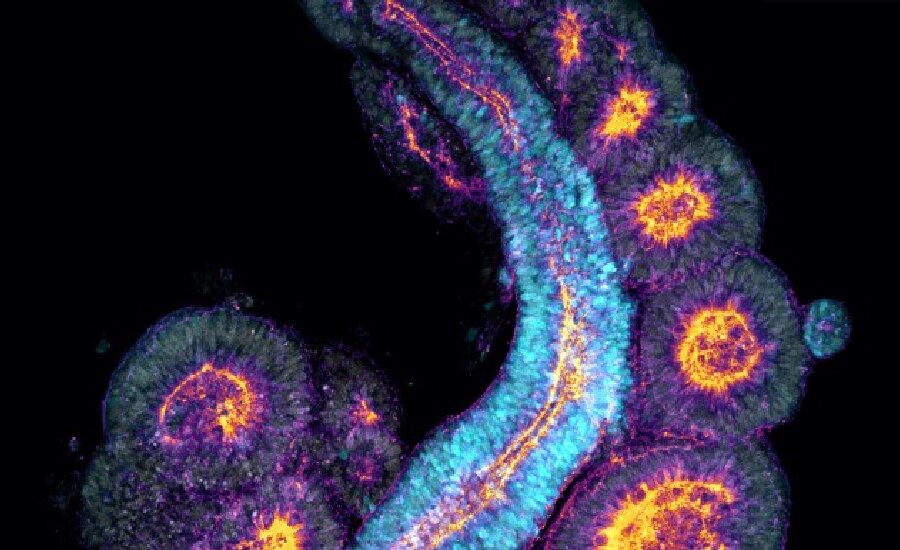
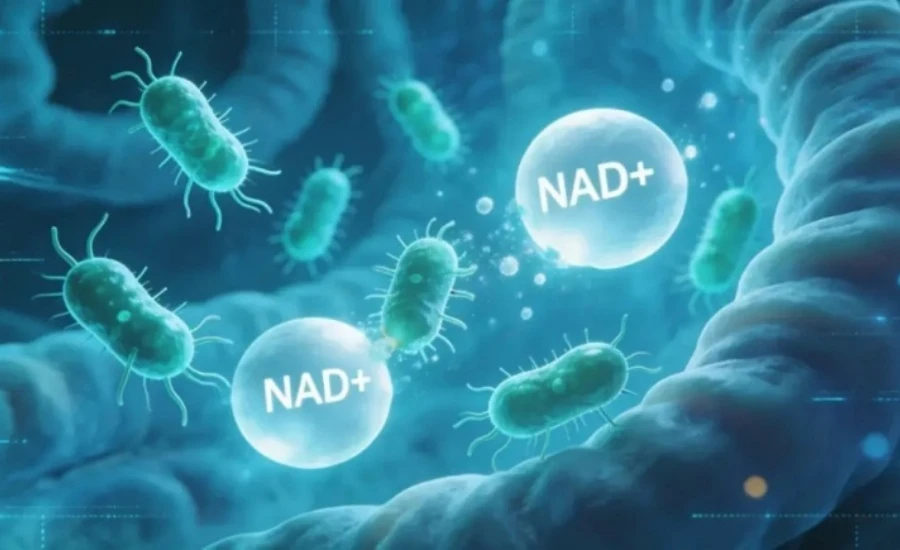
Researchers who study NNMT inhibition always find that treated cells have higher amounts of NAD+. In fatty tissue, which has a lot of NNMT when a person is overweight, specific inhibitors bring back NAD+ levels to what they are in metabolically healthy, lean tissue. This healing is linked to better mitochondrial breathing ability, which can be seen by how much oxygen is used and how much ATP is made. The data suggests that NNMT inhibitors help mitochondria keep the biochemical conditions needed for efficient energy production by making sure that NAD+ is always available.
The Salvage Pathway and Metabolic Resilience
Cells make NAD+ in a number of ways, but the salvage pathway does most of the daily work. This pathway recycles nicotinamide into NAD+. NNMT directly fights this salvage route by methylating nicotinamide, which makes it useless so cells have to get rid of it. When NNMT expression goes up, this competition gets even worse because the enzyme can work faster than the salvage pathway can recycle nicotinamide.
Researchers can tip this balance back toward NAD+ production by stopping NNMT. Studies show that this intervention makes the salvage pathway work better, keeping NAD+ levels high even when the body is under metabolic stress, which would normally use up these reserves. Because the metabolism is so strong, the mitochondria can keep working even when the body needs more energy or nutrients.
5 Amino 1MQ Peptide, Fatty Acid Oxidation, and Mitochondrial Energy Use
Mitochondrial Fat Burning Capacity
Fatty acids are long bands of carbon that are the most energy-dense fuel that cells can use. Mitochondria have special equipment for breaking them down. The breakdown of these fatty acids happens in the mitochondria thru a process called beta-oxidation. This creates a lot of acetyl-CoA, which goes straight into the citric acid cycle to make ATP. When glucose levels drop during fasting or prolonged energy consumption, this pathway becomes even more important.
Experiments show that blocking NNMT increases the ability to oxidize fatty acids. Adipocytes that have been treated have higher levels of genes that code for enzymes that help move and break down fatty acids. These enzymes include carnitine palmitoyltransferase 1 (CPT1) and acyl-CoA dehydrogenases. These changes at the molecular level lead to measurable improvements in the rate at which fatty acids are burned. This suggests that when NNMT activity drops, mitochondria become better at using fat as fuel.


Metabolic Flexibility in Action
Metabolic health rests on cells being able to switch between burning glucose and fatty acids effectively, depending on the amount of fuel available and the needs of the tissues. Cells lose some of their flexibility when they have metabolic dysfunction, making it harder for them to oxidize fatty acids. This problem makes it more likely for fat to build up in areas that aren't fat, a process called ectopic fat deposition that leads to insulin resistance and metabolic disease. Research into 5 amino 1mq peptide and NNMT inhibition suggests that targeting this pathway may help support metabolic flexibility and cellular energy regulation.
Models from research show that blocking NNMT makes metabolic flexibility markers better. Animals that were treated are better able to burn fats from their food, have less ectopic cholesterol buildup, and are more sensitive to insulin. These changes show that mitochondria are working better in many tissues.
The increased ability to oxidize fatty acids helps cells get rid of lipids more quickly while also making energy, which fixes two metabolism issues at the same time.

What Is the Role of Mitochondrial Metabolism in 5 Amino 1MQ Peptide Research?
Whole-Body Energy Balance
A lot of research is done on how mitochondrial metabolism works at the cellular and molecular levels, but what makes mitochondrial metabolism so important is how it affects the body's overall energy balance. The total amount of energy used is a reflection of the activity of mitochondria in all tissues, with fat, muscle, and liver making the biggest contributions. Changes in the health and efficiency of mitochondria in these tissues have a direct effect on how well the body controls weight and metabolism.
Studies that look at NNMT suppression always find that people who are treated use more energy. This happens even tho people don't eat more, which suggests that their metabolism is actually speeding up and not just making up for the lack of calories. Increasing the amount of energy used is linked to signs of higher mitochondrial activity, such as using more oxygen and making more mitochondrial proteins.
Based on these results, mitochondrial metabolism is likely one of the main ways that blocking NNMT affects body structure and metabolic performance.
Tissue-Specific Mitochondrial Responses
Depending on the tissue, mitochondria behave in different ways and react to biochemical changes in different ways. White adipose tissue, which is usually thot of as mainly saving energy, has mitochondria that are very important for endocrine signals and lipid metabolism. Brown fat has a lot of mitochondria that are specifically designed for thermogenesis, which is the process of making heat by controlling how much energy is lost. Muscle mitochondria focus on making ATP over and over again to support muscular activity.
According to research, blocking NNMT has affects on mitochondria that are special to different tissues. In white adipose tissue, the treatment raises the oxidative capacity of mitochondria and supports metabolic health traits. The mitochondria in the liver are better at burning fats and storing fats.
These different reactions show that blocking NNMT lets each tissue use its mitochondria in the best way possible for its metabolic job, which leads to better metabolic coordination throughout the body.
Research Applications and Experimental Models
Because of the link between blocking NNMT and mitochondrial activity, this route is useful for studying metabolism. Selective NNMT inhibitors are used by scientists to study mitochondrial metabolism, how energy balance is controlled, and how metabolic diseases work. Researchers can use these molecules to ask specific questions about how the availability of NAD+ affects the function of mitochondria in a range of situations, from normal body function to metabolic stress.
NNMT inhibitors have been used in experiments that have helped us learn more about controlling the quality of mitochondria, how metabolism changes in response to changes in food, and how cellular energy state affects metabolic regulation as a whole. The molecules act as chemical probes that show links between certain enzymes and complicated physiological events.
Conclusion
This connection between the 5 amino 1mq peptide and mitochondrial activity shows how metabolism works in cells thru networks instead of separate routes. This specific small molecule keeps NAD+ available by blocking NNMT. This creates metabolic conditions that help mitochondria make the most energy possible. The changes that happened in fatty acid oxidation, energy use, and metabolic flexibility show how important this biochemical link is in real life.
Researchers and health workers can learn a lot about metabolic control by figuring out how these things work. NNMT reduction has effects on mitochondria that go beyond just making energy. These effects include metabolic adaptation, tissue-specific reactions, and energy balance throughout the body. The link between NNMT and mitochondrial metabolism is still an interesting one for metabolic science and medicine to look into, even tho these connections are very complicated.
FAQ
1. What makes 5 amino 1MQ peptide relevant to mitochondrial research?
+
-
This selective NNMT inhibitor changes mitochondrial function in a roundabout way by keeping NAD+ levels steady. NAD+ is a key coenzyme for mitochondrial energy production. By stopping the enzyme that uses up NAD+ intermediates, it makes the metabolism better so that the mitochondrial respiratory chain works well and fatty acids are burned.
2. How does NNMT inhibition affect cellular energy expenditure?
+
-
Stopping NNMT raises the amount of NAD+ available in cells, which improves mitochondrial oxygen metabolism in many tissues. There are measurable increases in oxygen consumption rates and energy expenditure without any changes in the amount of food eaten. This means that the metabolism is actually working better, not just making you feel less hungry.
3. Can NNMT inhibitors improve metabolic flexibility?
+
-
Researchers have found that selectively blocking NNMT makes it easier for cells to switch between burning glucose and fatty acids depending on the fuel they need. This improved metabolic flexibility helps lower abnormal lipid buildup and improves insulin sensitivity by making mitochondria better at burning fat.
Partner With a Trusted 5 Amino 1MQ Peptide Supplier: Kpeptide
Looking for a trustworthy company to provide you with 5 amino 1mq peptide supplier for research or product development? Kpeptide has high quality standards that are backed up by many certifications, such as approvals from the US FDA, the EU GMP, the PMDA, and the CFDA for all of our GMP-certified manufacturing facilities. We have been making organic compounds and pharmaceutical intermediates for more than 12 years, and we offer research-grade compounds with full analytical data (HPLC, MS) and uniform batch quality.

Our dedicated expert team works with you one-on-one throughout the whole project, from the first question to the final delivery. They make sure you get accurate specs, fair prices, and reliable supply chain solutions. Whether you're studying metabolism or coming up with new formulas, Kpeptide can help you reach your research goals faster by combining professional knowledge with open communication.
Are you ready to talk about your personal needs? Email our sales team at sales@kpeptide.com to get full product details, technical specs, and custom solutions made just for your research needs.
References
1. Komatsu M, Kanda T, Urai H, et al. NNMT activation can contribute to the development of fatty liver disease by modulating the NAD+ metabolism. Scientific Reports. 2018;8(1):8637.
2. Kraus D, Yang Q, Kong D, et al. Nicotinamide N-methyltransferase knockdown protects against diet-induced obesity. Nature. 2014;508(7495):258-262.
3. Pemberton TA, Still BR, Christenson ET, et al. Proline hydroxylation of collagen regulates its interaction with nicotinamide N-methyltransferase. Journal of Biological Chemistry. 2021;296:100126.
4. Ulanovskaya OA, Zuhl AM, Cravatt BF. NNMT promotes epigenetic remodeling in cellular senescence through selective SAM consumption. Nature Chemical Biology. 2013;9(5):300-306.
5. Hong S, Moreno-Navarrete JM, Wei X, et al. Nicotinamide N-methyltransferase regulates hepatic nutrient metabolism through Sirt1 protein stabilization. Nature Medicine. 2015;21(8):887-894.
6. Campagna R, Salvolini E, Pompei V, et al. Nicotinamide N-methyltransferase gene silencing enhances chemosensitivity of melanoma cell lines. Pigment Cell & Melanoma Research. 2021;34(6):1039-1048.


