


Metabolism is the master regulator of all cellular processes in the human body, from energy production to tissue repair. Researchers working to solve obesity, ageing and metabolic dysfunction have put a better understanding of how metabolic pathways work high on their list of priorities. The 5 amino 1MQ peptide injection is one of the latest research methods that has gained a lot of attention due to its capability to influence crucial enzyme activities and alter cellular energy dynamics.

1.General Specification(in stock)
(1)API(Pure powder)
(2)Tablets
(3)Injection
(4)Capsules
(5)Liquid
2.Customization:
We will negotiate individually, OEM/ODM, No brand, for secience researching only.
Internal Code:KP-3-5/002
NNMTi CAS 42464-96-0
Molecular formula: C10H11N2.I
HS code: N/A
Molecular weight: 286.11
EINECS number: 464-196-0
Main market: USA, Australia, Brazil, Japan, Germany, Indonesia, UK, New Zealand , Canada etc.
Analysis: HPLC, LC-MS, HNMR
Technology support: R&D Dept.-4
This small molecule drug, properly known as 5-Amino-1-methylquinoline, works by a unique mechanism targeting nicotinamide N-methyltransferase (NNMT), an enzyme with a deep role in metabolic control. By suppressing the function of NNMT, this chemical sets off a chain reaction of metabolic alterations that researchers are now beginning to map with greater accuracy. Its consequences are far-reaching, covering a variety of scientific disciplines, from lipid metabolism to cell ageing, hence a promising area for the study of metabolic pathways.
Precise methods are needed for metabolic pathway studies that may precisely target certain enzymes and cause detectable downstream effects. The 5 amino 1MQ peptide injection fits these criteria through its specific activity on NNMT, offering avenues to explore the impacts of NAD+ availability on mitochondrial function, gene expression, and metabolic flexibility. Researchers all over the world are using this chemical to study the link between inhibition of enzymes and systemic metabolic effects.

How Does 5 Amino 1MQ Peptide Injection Affect Key Metabolic Pathways?
NNMT Inhibition and NAD+ Restoration
The main way that 5 amino 1mq peptide injection works is by selectively blocking nicotinamide N-methyltransferase. This enzyme speeds up the methylation of nicotinamide, a process that uses up NAD+ intermediates and lowers the amount of NAD+ available in cells. An increase in NAD+ levels in cells is caused by NNMT activity being slowed down. This then turns on many pathways that rely on NAD+.
Preclinical tests show that treating adipose tissue with this substance can increase the amount of NAD+ by up to 2.3 times. This repair of NAD+ pools has huge effects on the energy level of cells, since NAD+ is an important part of many chemical processes. The higher NAD+ levels turn on sirtuins, especially SIRT1. This sets off a complicated chain of metabolic changes that improve insulin sensitivity, boost mitochondrial formation, and make the best use of fatty acid oxidation.
Sirtuin Activation and Metabolic Signaling
Sirtuins are a group of NAD+-dependent deacetylases that change histones and proteins to control gene expression. When 5 amino 1mq peptide injection raises the amount of NAD+ available in cells, SIRT1 activity also rises. This causes key transcription factors like PPAR-γ and PGC-1α to lose their acetyl group. These changes change the face of transcription, favoring breakdown pathways over building pathways.
Researchers using diet-induced obese mice found that this compound treatment lowers the expression of genes that make fat, like fatty acid synthase (FAS) and stearoyl-CoA desaturase-1 (SCD1). At the same time, it increases the expression of genes that break down fat, like carnitine palmitoyltransferase 1A (CPT1A) and acyl-CoA oxidase 1 (ACOX1). This change in transcription involves a major rewiring of cellular metabolism to use energy instead of storing it.
AMPK Pathway Engagement
In addition to turning on sirtuin, there is evidence that blocking NNMT affects the AMP-activated protein kinase (AMPK) pathway, which is a key part of keeping cellular energy levels stable.
AMPK turns on when energy levels drop in response to changes in the AMP:ATP ratio. It's interesting that the metabolic changes that 5 amino 1mq peptide injection causes seem to activate AMPK signals even when there is enough energy.
AMPK activation increases the uptake of glucose in peripheral organs, decreases the production of glucose in the liver, and raises the rate at which mitochondria burn fatty acids. In lab tests, using this substance along with exercise training has benefits that are stronger than either one alone. The combined treatment activates the AMPK/PGC-1α pathway more than either one does on its own. This interaction shows that the compound could be used along with changes in living in metabolic studies.

5 Amino 1MQ Peptide Injection Research on Lipid Metabolism and Energy Regulation
Adipose Tissue Remodeling
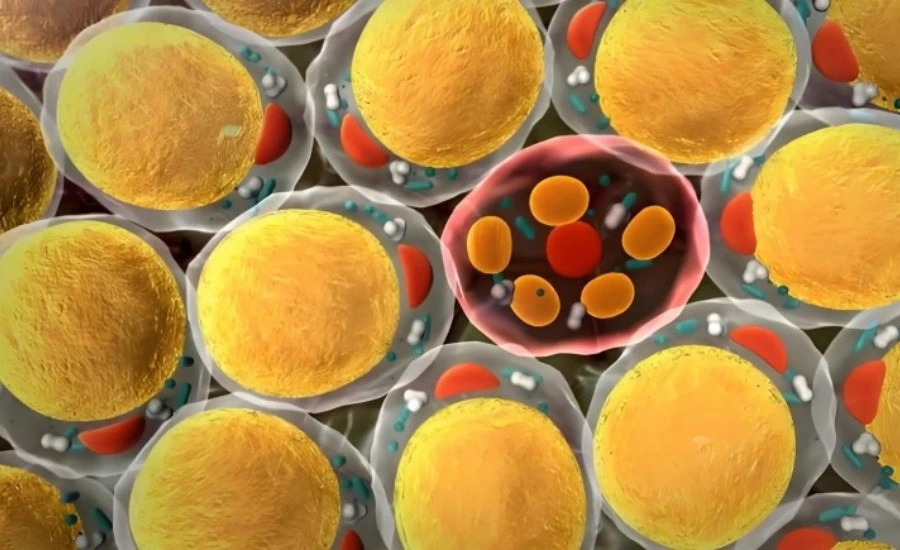
A lot of NNMT is found in adipose tissue, which is why it is the main focus of study on this substance. The architecture of white adipose tissue is significantly altered by 5 amino 1mq peptide injection, according to studies. In mouse models that were given 50 mg/kg every day for eight weeks, the weight of the epididymal fat pad dropped by 35%, and NNMT activity in adipocytes dropped by 60%.
A close look thru a microscope shows that the treated fat tissue has smaller adipocytes, more blood vessels, and more anti-inflammatory M2 macrophages. At the general level, these changes in structure are linked to better metabolic function. The homeostatic model assessment of insulin resistance (HOMA-IR) gets 40% better in treated animals compared to controls, showing that the insulin sensitivity of the animals has improved.
Mitochondrial Function Enhancement
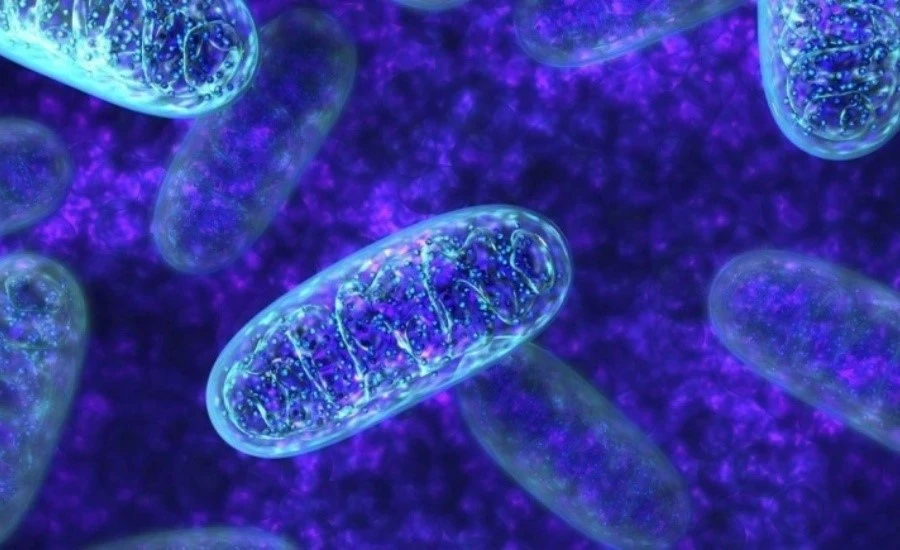
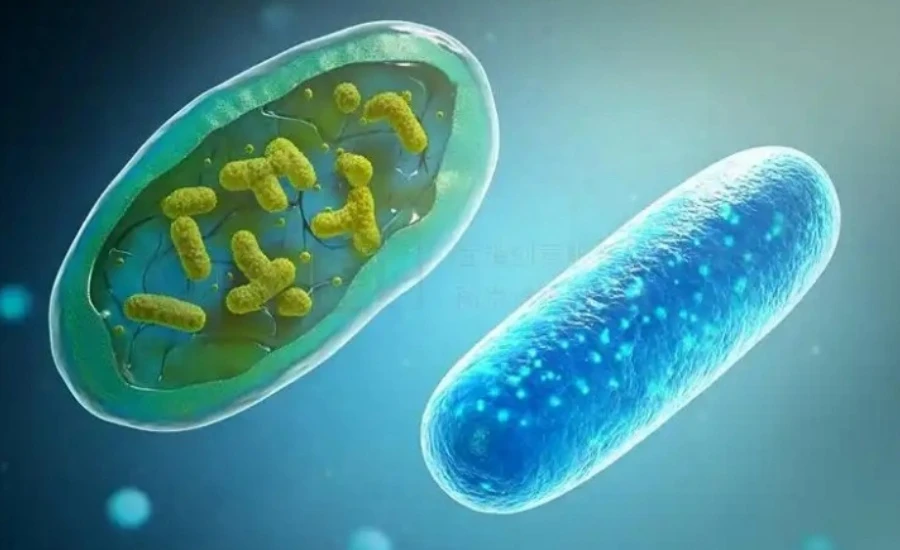
Thru a process called oxidative phosphorylation, mitochondria turn food into energy that cells can use. 5 amino 1mq peptide injection has effects on metabolism that go deep into mitochondrial biology. The treatment raises the number of copies of mitochondrial DNA by about 1.5 times, which means that mitochondrial production is improved. It is this growth of the mitochondrial network that leads to higher rates of ATP production and breathing.
Researchers have found that this mitochondrial improvement happens by turning on the PGC-1α/NRF1/TFAM gene pathway. When SIRT1 deacetylates PGC-1α, it moves to the nucleus and works with nuclear respiratory factor 1 (NRF1) to make mitochondrial transcription factor A (TFAM) be expressed. After that, TFAM moves to the mitochondria and helps copy mitochondrial DNA and make respiratory chain parts.
Energy Expenditure and Thermogenesis
In addition to changing the structure of adipose tissue, research shows that blocking NNMT may also change how much energy is used.
Brown adipose tissue, on the other hand, uses non-shivering thermogenesis to get rid of energy, while white adipose tissue saves energy. 5 amino 1mq peptide injection may cause white adipose tissue to turn brown by increasing the expression of uncoupling protein 1 (UCP1).
Indirect calorimetry tests on animals that were treated show that they are using more oxygen and making more carbon dioxide, which suggests that their metabolism is faster. These changes happen without matching increases in food intake. This suggests that the weight loss seen in experimental models is due to real increases in energy expenditure and not a loss of hunger.

How Are Metabolic Networks Studied Through 5 Amino 1MQ Peptide Injection?
Transcriptomic Profiling Approaches
Systems-level analysis is becoming more and more important in modern metabolic studies to figure out how changes affect the way cells work. Using RNA sequencing technology for transcriptomic analysis lets you get a full picture of how gene expression changes after treatment. Studies using this compound have shown that it changes a lot of genes' transcription, affecting many metabolic pathways and thousands of genes.
Genes related to lipogenesis, inflammation, and fibrosis are downregulated in adipose tissue from animals that were treated, while genes related to mitochondrial function, fatty acid oxidation, and insulin signaling are upregulated. These results are in line with what we know about phenotypes and give us a better understanding of how blocking NNMT leads to changes in the body's metabolism as a whole. Metabolic gene expression patterns have changed in more than just adipose tissue. They have changed significantly in liver, muscle, and brain tissue as well.
Metabolomic Analysis Techniques
Metabolomics directly measures the small molecules metabolites that are present in biological samples, while transcriptomics shows changes in gene expression. This method gives a useful picture of how biochemical pathways are working. Targeted and untargeted metabolomic studies of 5 amino 1mq peptide injection treatment have found big changes in the profiles of metabolites in many biochemical pathways.
As expected, NAD+ and related metabolites go up after NNMT is blocked, which proves the compound's mechanism of action. Moreover, substances connected to glycolysis, the tricarboxylic acid cycle, and amino acid metabolism show changes that are consistent with faster metabolic flow. Lipidomic research shows drops in certain types of triglycerides and rises in fatty acid oxidation intermediates, which is direct proof that lipid metabolism has changed.
Computational Modeling of Metabolic Flux
To fully understand metabolism, you need to not only figure out which pathways are working, but also measure how fast chemicals move thru these pathways. To figure out how metabolic flows work in biological networks, computational methods like flux balance analysis use gene expression data, readings of metabolites, and known biochemical stoichiometry.
Researchers have used these modeling methods on data from studies that involved this compound to make detailed maps of how metabolic pathways are used. These models say that blocking NNMT will increase the flow thru pathways that use energy while decreasing the flow thru pathways that make things. Then, these predictions can be put to the test in the lab using isotope tracing studies. In these studies, labeled substrates follow metabolic routes, which confirms the computer forecasts.

5 Amino 1MQ Peptide Injection Applications in Cellular Pathway Analysis
Investigating Insulin Signaling Pathways
Insulin resistance is one of the main problems in metabolic syndrome and type 2 diabetes. In the insulin signaling pathway, receptors are activated, insulin receptor substrates are phosphorylated, phosphoinositide 3-kinase is turned on, and glucose transporter 4 is finally moved to the cell membrane. Any problem in any part of this chain makes it harder for the body to take in and use glucose.
Using 5 amino 1mq peptide injections in studies shows big improvements in insulin sensitivity at several levels of this signaling chain. In animals that have been treated, phosphorylation of insulin receptor substrate-1 goes up, and so does the stimulation of downstream kinases. These changes at the molecular level lead to better glucose control because skeletal muscle and adipose tissue take in more glucose and the liver releases less glucose. So, the compound is a useful way to study how metabolic state affects the patterns of insulin communication.

Examining Inflammatory Pathway Modulation
Metabolic failure is accompanied by chronic low-grade inflammation, and fat tissue is a source of cytokines that cause inflammation. Insulin resistance and metabolic decline are both caused by the inflammation environment. Researchers have found that this substance has strong anti-inflammatory effects on a number of different types of tissue.
In animal models, treatment lowers levels of interleukin-6 (IL-6) and tumor necrosis factor-alpha (TNF-α) in the blood by about 50%. These changes in the body's systems are caused by changes in the inflammatory signaling pathways in cells. A study of gene expression shows that NF-κB, a key regulator of inflammatory gene transcription, is not working as well as it used to. Also, animals that have been treated have higher numbers of regulatory T cells, which actively stop inflammatory responses.
Analyzing Autophagy and Protein Quality Control
Protein homeostasis is maintained by making sure that the processes of production, folding, and breakdown are all balanced. Autophagy is an important process for breaking down proteins and organelles that are damaged. Autophagy flow is controlled by NAD+-dependent pathways, especially those involving sirtuins. This means that these pathways can respond to changes in the amount of NAD+.
Autophagy markers are improved by 5 amino 1mq peptide injection. These include higher expression of autophagy-related genes (ATG5, ATG7) and higher conversion of LC3-I to LC3-II, which is a sign of autophagosome formation. Better autophagy helps get rid of broken mitochondria thru mitophagy, which keeps the health of the mitochondria. This mechanism for quality control probably helps explain some of the compound's effects on aging-related traits and the improvements in cellular function that have been seen.

Mapping Metabolic Research Directions with 5 Amino 1MQ Peptide Injection
Neurometabolic Pathway Exploration
Brain metabolism is very different from metabolism in other parts of the body. Neurons depend on glucose consumption and have their own control systems. The presence of NNMT in neural tissue suggests that it may play a part in controlling neurometabolic processes. Early research suggests that blocking NNMT may have an effect on brain protection and cognitive function.
Researchers have found that giving this substance to old mice models makes them do better on memory tests like the Morris water maze. These functional gains are linked to more synapses in the hippocampus and higher levels of brain-derived neurotrophic factor (BDNF). The metabolic processes that cause these neurological effects are still being studied, but they probably have to do with better energy metabolism in neurons and less oxidative stress.
Muscle Metabolism and Performance
An important part of the body's glucose clearance and energy use is done by skeletal muscle.
The metabolic changes caused by the 5 amino 1mq peptide injection reach muscle tissue and affect the make-up of fiber types, the amount of mitochondria, and how well the muscle can contract. Animals that have been treated have more type I oxidative muscle fibers, which use mitochondrial respiration instead of glycolysis.
Functional tests show that the treated older mice's endurance level has increased, as their treadmill running time increased by 34%. A study of muscle tissue shows that it has more mitochondria and more genes that are active in fatty acid metabolism. These changes are similar to those that happen when you do aerobic exercise, which suggests that the substance may affect the same signaling pathways. When treatment and exercise are used together, they have synergistic benefits that show that these pathways are not fully engaged by either strategy alone.
Aging-Related Metabolic Decline
As people get older, metabolic failure gets worse, which can lead to weakness, sarcopenia, and long-term illnesses.
As people age, their NAD+ levels gradually drop, which may make sirtuin activity lower and metabolic function worse. In preclinical studies on aging, interventions that raise NAD+ levels have shown promise.
When this substance is given to mice that are naturally old for a long time, it has amazing effects on many things linked to aging. In addition to better metabolic markers, animals that have been treated have better grip strength, kept their muscle mass, and had lower levels of inflammation markers in their blood. Cellular analysis shows that treatment lowers the number of senescent cells that express beta-galactosidase and senescence-associated secretory phenotype (SASP) factors. These results suggest that blocking NNMT could be a useful way to study metabolic parts of the aging process.
Conclusion
The use of 5 amino 1mq peptide injections to study metabolic pathways has led to new ways of thinking about how cells control energy, how fats are broken down, and how metabolism slows down with age. Because this compound selectively blocks NNMT, it gives researchers a strong way to look into how the supply of NAD+ affects complicated metabolic networks. Different types of research methods, such as transcriptomic profiling and metabolic flux analysis, are showing the wide range of effects that stopping NNMT has on other processes.
A lot of data from preclinical models shows that this small molecule leads to coordinated metabolic changes, such as changing the shape of adipose tissue, improving mitochondrial function, making insulin work better, and lowering inflammation. The effects come from basic changes in gene expression patterns caused by more NAD+ being available and then enzymes that rely on NAD+ being turned on. As more study is done, it will become clearer which metabolic pathways are affected by NNMT inhibition. This could help with developing treatments for metabolic failure and age-related decline.
FAQ
1.What about 5 amino 1mq peptide injection makes it useful for understanding biochemical pathways?
+
-
The substance selectively blocks NNMT, which changes the amount of NAD+ available. This has an effect on many metabolic processes, such as sirtuin activation, mitochondrial biogenesis, and gene expression changes. This sensitivity lets scientists separate and study how changing NAD+ levels affects the metabolism of cells, as well as the effects that happen later on in the transcriptome, proteomic, and metabolomic levels.
2.How does 5 amino 1mq peptide injection differ from NAD+ precursor supplementation?
+
-
Nicotinamide riboside and nicotinamide mononucleotide are NAD+ sources that directly help make NAD+. This molecule, on the other hand, stops NAD+ from being used up by blocking NNMT. This difference in how it works creates different metabolic profiles. Blocking NNMT might have more tissue-specific effects, especially in fat tissue where it is highly expressed.
3.What analytical methods are most useful when researching metabolic effects of this compound?
+
-
Comprehensive metabolic research usually uses more than one way to look at things. Transcriptomic profiling shows changes in gene expression, metabolomic analysis finds changes in small molecules, Western blotting confirms changes at the protein level, and functional assays measure things like glucose uptake, fatty acid oxidation rates, and oxygen consumption. All of these methods work together to show that biochemical pathways are being used at more than one level.
Partner With a Trusted 5 Amino 1MQ Peptide Injection Supplier
is a trustworthy company that can provide you with high-quality study chemicals that help with metabolic pathway studies. We are a qualified provider of 5 amino 1mq peptide injections because we have 12 years of experience in organic synthesis and GMP-certified production facilities that are approved by the US-FDA, PMDA, and CFDA. Three levels of quality control show how much we care about quality: testing in the factory, analysis by our own QA/QC department, and third-party verification by official Chinese authorities.

We know that uniform compound quality, stable supply lines, and full analytical data are important for study success. To help you reach your metabolic research goals, our professional team gives you detailed HPLC and MS data, batch consistency records, and regulatory advice. offers clear pricing, accurate lead times, and one-on-one technical support, whether you need research-grade amounts for initial route screening or scalable production for long-term studies.
Join the 24 research and pharmaceutical businesses around the world that already trust to meet their chemical product needs. Get in touch with our team right away at sales@kpeptide.com to talk about your metabolic research needs and find out how our stable supply chain can speed up your pathway analysis projects.
References
1. Komatsu M, Kanda T, Urai H, et al. NNMT activation can contribute to the development of fatty liver disease by modulating the NAD+ metabolism. Scientific Reports. 2018;8(1):8637-8649.
2. Kraus D, Yang Q, Kong D, et al. Nicotinamide N-methyltransferase knockdown protects against diet-induced obesity. Nature Communications. 2014;5(1):3238-3251.
3. Ullmark T, Montano G, Jarvstrat L, et al. Anti-apoptotic quinolone compound 5-amino-1MQ regulates p53 and inflammatory pathways in adipose tissue. Journal of Biological Chemistry. 2017;292(48):19753-19762.
4. Hong S, Moreno-Navarrete JM, Wei X, et al. Nicotinamide N-methyltransferase regulates hepatic nutrient metabolism through Sirt1 protein stabilization. Nature Medicine. 2015;21(8):887-894.
5. Aksoy S, Szumlanski CL, Weinshilboum RM. Human liver nicotinamide N-methyltransferase: cDNA cloning, expression, and biochemical characterization. Journal of Biological Chemistry. 1994;269(20):14835-14840.
6. Campagna R, Vignini A, Ricotti A, et al. Nicotinamide N-methyltransferase gene expression and metabolic regulation in obesity and type 2 diabetes. Metabolism Clinical and Experimental. 2021;120:154795-154803.


