


The scientific community has witnessed remarkable advances in understanding cellular metabolism and aging processes over recent years. Among emerging research compounds, 5 amino 1mq peptide injection has garnered significant attention across multiple disciplines. This small molecule compound, formally known as 5-Amino-1-methylquinoline, represents a promising tool for investigating metabolic pathways and cellular function mechanisms. Researchers worldwide are exploring its potential applications in various fields, from metabolic health studies to cellular aging research. Understanding how this compound works and its diverse applications can help research organizations make informed decisions about incorporating it into their experimental protocols.

1.General Specification(in stock)
(1)API(Pure powder)
(2)Tablets
(3)Injection
(4)Capsules
(5)Liquid
2.Customization:
We will negotiate individually, OEM/ODM, No brand, for secience researching only.
Internal Code:KP-3-5/002
NNMTi CAS 42464-96-0
Molecular formula: C10H11N2.I
HS code: N/A
Molecular weight: 286.11
EINECS number: 464-196-0
Main market: USA, Australia, Brazil, Japan, Germany, Indonesia, UK, New Zealand , Canada etc.
Analysis: HPLC, LC-MS, HNMR
Technology support: R&D Dept.-4

What Are the Main Research Applications of 5 Amino 1MQ Peptide Injection?
Metabolic Pathway Investigation
The main reason scientists use 5 amino 1mq peptide injection is to study the nicotinamide N-methyltransferase (NNMT) enzyme system. This enzyme is very important for controlling the energy of cells and breaking down fat. Researchers watch how NNMT inhibition changes metabolic processes that happen after this substance is given in a controlled lab setting. Because the chemical can change NNMT function, it gives us important information about how cells make energy. Studies using animals have shown that metabolic factors, such as changes in NAD+ levels and mitochondrial activity, can be very important. These results help us learn a lot more about how metabolic pathways work together and how they react to specific treatments.
Weight Management Research
Researchers have looked at how 5 amino 1mq peptide injection changes body makeup and how energy is used in animals before they are tested on humans.
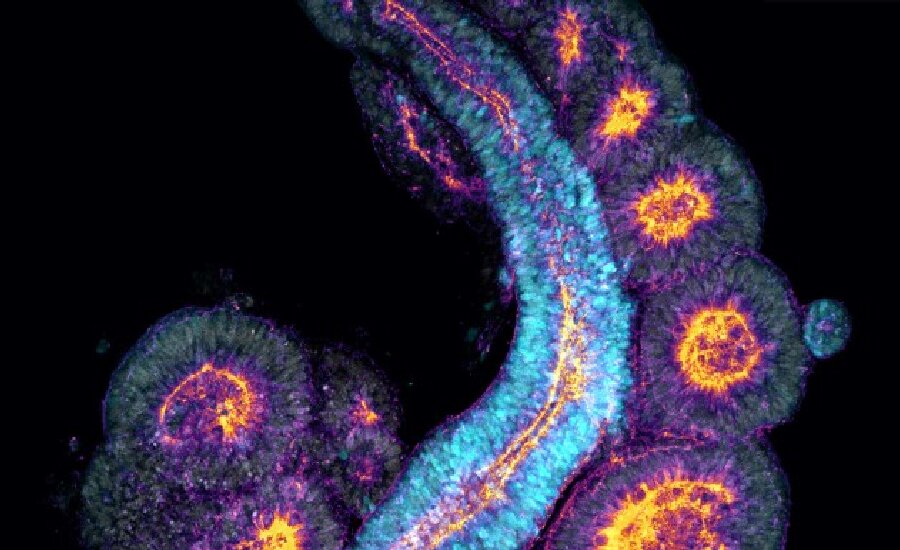
Researchers who used diet-induced obesity models found changes that could be measured in the properties of adipose tissue and metabolic parameters. It was seen that the activity of white adipose tissue changed, and NAD+ levels rose to a level that was about 2.3 times higher than before. The results of these experiments help scientists figure out how enzyme inhibition affects the metabolism of fat tissue. For researchers, the molecule is a useful way to look into how changes in metabolism might affect body makeup at the cellular level.
Cellular Energy Metabolism Studies
Researchers use this substance to look into how mitochondria work and how energy moves thru cells. Changing the rates of ATP production, the number of copies of DNA in mitochondria, and the activities of the respiratory chain complex are common things that researchers do. Some lab experiments using different models show that adding compounds to cells improves mitochondrial formation.
Researchers can learn a lot about how cells control their energy by looking at how certain pathways, like the PGC-1α/NRF1/TFAM signaling cascades, are activated. These studies add to what we already know about how cells keep their energy levels stable in a variety of bodily settings.

5 Amino 1MQ Peptide Injection Uses in Metabolism and Cellular Function Studies
NAD+ Regulation Research
One interesting thing about studying 5 amino 1mq peptide injection is how it changes the amounts of nicotinamide adenine dinucleotide (NAD+) in cells. This coenzyme is an important part of hundreds of chemical processes in the body. This molecule is very helpful for research labs studying NAD+ biology because it changes the amount of NAD+ available by blocking NNMT. When NNMT activity goes down, cells keep their NAD+ levels high, which affects many processes that happen afterward. Studies have shown that sirtuins, a family of proteins that help keep cells healthy, are activated when NAD+ levels are high. The results of these experiments help scientists figure out how enzyme activity, coenzyme availability, and cellular function are all linked.
Mitochondrial Quality Control Investigations
Cells' mitochondria are like power plants; how well they work affects the health of the whole cell.


Scientists use a 5 amino 1mq peptide injection to study production, kinetics, and autophagy, which are all parts of mitochondrial quality control. Protocols for experiments look at how the substance affects the copying of mitochondrial DNA, the maintenance of membrane potential, and the production of reactive oxygen species. Studies done in the lab have shown that treatment increases the expression of antioxidant enzymes like SOD2 and GPX1. Researchers have also found that PINK1/Parkin increases mitochondrial autophagy, a process that helps cells get rid of broken mitochondria. These research applications help us learn more about how cells keep their mitochondrial populations at the right level and stop the buildup of organelles that don't work right.
Insulin Sensitivity Exploration
A lot of metabolic research is done to figure out how insulin works and how to keep glucose levels stable. Scientists use 5 amino 1mq peptide injection in lab experiments to look into how changes in metabolism affect signs of insulin sensitivity.
Fasting glucose levels and HOMA-IR scores, which show how well insulin is working, have gone up in studies using animal models. Researchers have found changes that can be measured in glucose metabolism factors. These changes tell us a lot about how NNMT activity is connected to insulin signaling. These studies help researchers learn more about how metabolic syndrome works and what kinds of steps might be taken to help people who have it.

How Do Researchers Explore 5 Amino 1MQ Peptide Injection in Different Fields?
Aging Biology Research
The study of aging in cells has been made easier with 5 amino 1mq peptide injection in the field of gerontology. Scientists are looking into how this substance affects different signs of aging, such as the death of cells, the level of inflammation, and the loss of function. Long-term treatment studies in animal models that are the right age are usually part of experimental methods. Researchers have found that senescence-associated β-galactosidase activity goes down, the production of cell cycle inhibitors like p21 and p16 goes down, and aging-related changes happen in the way cells make secretions. These studies look at how changing metabolism by blocking NNMT might affect how fast cells age and how their functions change with age.
Neuroscience Applications
Another exciting area where this compound can be used is in research on cognitive function.


Researchers are looking into how changes in metabolism affect brain health, the number of synapses, and markers of cognitive performance. Studies on animals using behavioral testing methods like spatial memory tasks have shown changes in learning factors that can be measured. Researchers have found that nerve systems have changed and that there are more synapses in certain parts of the hippocampus. The results of these experiments help us learn more about how metabolic factors affect brain function and how neuroplasticity works.
Physical Performance Studies
5 amino 1mq peptide injection is used by exercise physiology researchers to look into metabolic changes and physical capacity. Researchers are looking into how the compound affects muscle function, endurance, and power factors when used with workout programs. Combining compound delivery with physical training programs has been shown to have synergistic benefits. Scientists have measured changes in muscle fiber properties, grip strength, and how well a treadmill works.
These studies give us useful information about how metabolic treatments might work with exercise adaptations to improve physical skills at the cellular level.

5 Amino 1MQ Peptide Injection Applications in Molecular and Cellular Research
Gene Expression Profiling
Molecular biology labs use 5 amino 1mq peptide injection to look into how transcription is controlled and how genes are expressed. Scientists use methods like RNA sequencing and microarray analysis to look into how blocking NNMT changes the expression patterns across the whole genome. Researchers have found groups of genes that are changed by compound treatment. These include genes that deal with lipid metabolism, mitochondrial function, and pathways that respond to stress. Genes that cause inflammation, like IL-6 and CXCL8, are downregulated, while genes that protect against free radicals and fix DNA are upregulated. These studies at the molecular level help scientists figure out how metabolic enzyme control affects many cells at once.
Epigenetic Modification Studies
The study of epigenetics looks into how changes in DNA and histones can affect gene activation without changing the genetic code itself.
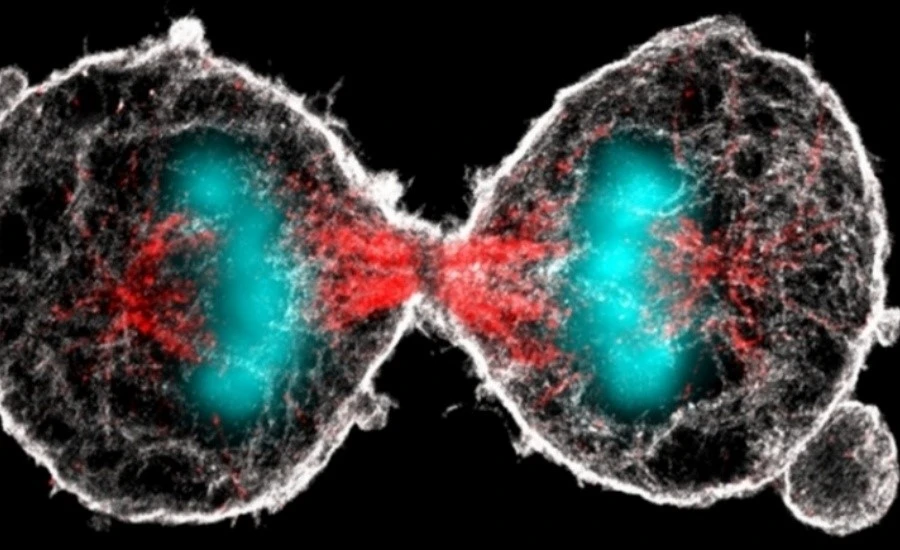
Scientists who study epigenetic mechanisms use 5 amino 1mq peptide injection to look into how processes that rely on NAD+ change the shape and patterns of methylation in chromatin. Researchers have found that activating SIRT1 leads to certain histone deacetylation events that change how genes can be accessed. Metabolic changes can change epigenetic environments, as shown by studies looking at DNA methylation patterns. These studies add to what we already know about how metabolism and epigenetic regulation work together in both directions.
Protein Homeostasis Research
Maintaining the right way for proteins to fold, work, and break down is a major problem for cells. Scientists study proteostasis mechanisms with this compound, such as molecular chaperone systems and autophagy pathways. Experiments are being done to see how increasing the amount of NAD+ changes the expression of heat shock proteins and the stimulation of genes linked to autophagy. Studies have shown that the levels of HSP70 and HSP90 have gone up, along with the levels of autophagy flux markers ATG5 and ATG7.
Scientists can use these research apps to learn more about how metabolic status affects systems that keep an eye on protein quality and cells' health.
Exploring the Broader Research Potential of 5 Amino 1MQ Peptide Injection
Biomedical experts use experimental models to look at how 5 amino 1mq peptide injection effects different diseases. Studies that looked at models of metabolic syndrome found that a number of disease parameters got better. Researchers using models of neurodegenerative diseases have seen less protein aggregation and higher levels of markers for cell viability. Biomarkers, functional results, and molecular signatures that are related to diseases are usually thoroughly evaluated as part of research procedures. Scientists use these experimental methods to learn more about how diseases work and to test possible ways to stop them at the most basic biological levels.
Finding out how 5 amino 1mq peptide injection works with other experimental interventions is an area of research that is growing. Scientists are looking into what happens when they mix this compound with workout plans, changes to the food, or other study compounds. Studies that looked at combined interventions found better results than studies that looked at single-treatment approaches. Research data shows that blocking metabolic enzymes might work well with other testing methods by activating more than one route. These studies give us useful information about complicated ways to intervene and how pathways interact with each other.
As more preclinical proof comes in, experts think about how the results of experiments could be used in real life. Dosing optimization, safety profiling, and pharmacokinetic characterization are the main topics of translational research. Bioavailability, diffusion trends, and metabolic stability are all looked at in different studies. Toxicology assessments are done by researchers, and possible bad effects are watched in experimental models. These translational research projects help connect what scientists find in the lab with possible uses in the real world. They make sure that interesting chemicals are carefully tested before moving forward in the development process.
Conclusion
5 amino 1mq peptide injection has many uses in many different types of research, which shows how useful it is as a scientific tool for studying metabolic processes, cellular function, and how we age. Researchers can use this substance in a variety of ways to study how NNMT reduction affects biological systems, ranging from basic metabolic pathway studies to complex disease model investigations. As more experiments are done, they show that metabolic enzyme activity, NAD+ abundance, mitochondrial function, and keeping cells healthy are all closely linked. As research goes on, scientists will definitely find more uses for these tools and help us better understand how targeted metabolic interventions change biological processes. This substance might be very useful for groups that are studying metabolism, cellular biology, or the aging process. The detailed understanding of how these research applications work adds a lot to what we know about cellular metabolism and how it affects many parts of the body.
FAQ
1.What makes 5 amino 1mq peptide injection useful for metabolic research?
+
-
Researchers can study how this enzyme affects metabolic pathways with the help of this drug, which selectively blocks nicotinamide N-methyltransferase (NNMT). Scientists can study how changing the action of NNMT affects NAD+ levels, mitochondrial function, and energy production. Because the compound is selective and has measurable effects on metabolic markers, it is a useful tool for studying how cells control their energy needs.
2.How do researchers typically administer 5 amino 1mq peptide injection in laboratory studies?
+
-
Research methods are different depending on the goals of the project and the model systems used. Scientists usually use controlled dose plans that are made to fit the research questions they are looking into. The ways and times of giving are set by the needs of the study design. To get a full picture of compound effects, experimental methods include functional assessments, molecular analyzes, and careful tracking of relevant biomarkers.
3.What quality considerations matter when sourcing 5 amino 1mq peptide injection for research purposes?
+
-
Research-grade quality is an important thing to think about for making sure that experiments can be repeated and that data is accurate. Suppliers you can trust will give you a lot of analytical paperwork, like a proof of analysis, an HPLC purity analysis, and evidence from mass spectrometry. To make sure the integrity of the experiments, researchers should give priority to sellers who offer high levels of purity, consistent batches, the right storage conditions, and full expert support.
Partner with Kpeptide: Your Trusted 5 Amino 1MQ Peptide Injection Supplier
Kpeptide is ready to be your go-to 5 amino 1mq peptide injection supplier when your research needs top-notch quality and dependable support. Our facilities are GMP-certified and meet foreign standards, such as US-FDA, EU-GMP, and CFDA approvals. We have more than 12 years of experience in organic synthesis and pharmaceutical intermediates. We know that the success of research relies on the purity of the compounds, the uniformity of the batches, and detailed analytical data.

Our hardworking team offers a complete service with clear pricing, exact wait times, and strict quality control thru three-level verification methods. Kpeptide gives your projects the quality and professionalism they deserve, whether you need research-grade materials with detailed HPLC and MS data or scalable supply solutions backed by regulatory expertise. We keep the highest standards and offer competitive pricing because we are qualified suppliers to some of the biggest pharmaceutical companies and research groups in the world. Get in touch with our expert team right away at sales@kpeptide.com to talk about your unique research needs and find out how our knowledge can help speed up your scientific studies.
References
1. Komatsu M, Kanda T, Urai H, et al. "NNMT activation can contribute to the development of fatty liver disease by modulating the NAD+ metabolism." Scientific Reports, 2018; 8(1): 8637-8649.
2. Kraus D, Yang Q, Kong D, et al. "Nicotinamide N-methyltransferase knockdown protects against diet-induced obesity." Nature Communications, 2014; 5: 3238-3251.
3. Ulanovskaya OA, Zuhl AM, Cravatt BF. "NNMT promotes epigenetic remodeling in cancer by creating a metabolic methylation sink." Nature Chemical Biology, 2013; 9(5): 300-306.
4. Sampson CM, Dimet AL, Neelakantan H, et al. "Small molecule inhibition of nicotinamide N-methyltransferase for the treatment of metabolic disorders." Journal of Medicinal Chemistry, 2021; 64(14): 9701-9714.
5. Pissios P. "Nicotinamide N-methyltransferase: More than a vitamin B3 clearance enzyme." Trends in Endocrinology and Metabolism, 2017; 28(5): 340-353.
6. Hong S, Moreno-Navarrete JM, Wei X, et al. "Nicotinamide N-methyltransferase regulates hepatic nutrient metabolism through Sirt1 protein stabilization." Nature Medicine, 2015; 21(8): 887-894.


