


Metabolic health is an essential component of contemporary biochemical research and scientists have been investigating new chemicals that might control energy pathways in cells. Among these new compounds, researchers working on metabolic control and cellular ageing processes have paid a lot of attention to 5 amino 1mq peptide injection. It is a new synthetic small molecule drug used to study the effects of enzyme inhibition on fat metabolism, energy utilisation and cell health. Thus, the biochemistry and prospective uses of this chemical are becoming more relevant for the advancement of metabolic science as research institutes and pharmaceutical businesses are looking for reliable sources of high-quality research materials.

1.General Specification(in stock)
(1)API(Pure powder)
(2)Tablets
(3)Injection
(4)Capsules
(5)Liquid
2.Customization:
We will negotiate individually, OEM/ODM, No brand, for secience researching only.
Internal Code:KP-3-5/002
NNMTi CAS 42464-96-0
Molecular formula: C10H11N2.I
HS code: N/A
Molecular weight: 286.11
EINECS number: 464-196-0
Main market: USA, Australia, Brazil, Japan, Germany, Indonesia, UK, New Zealand , Canada etc.
Analysis: HPLC, LC-MS, HNMR
Technology support: R&D Dept.-4
What Is 5 Amino 1MQ Peptide Injection and Why Is It Studied in Metabolic Research?
Defining the Chemical Nature of This Compound
5-Amino-1MQ peptide injection is a lab-made tiny molecule that is not usually found in human bodies. 5-Amino-1-methylquinoline is also called 5-Amino-1MQ. In daily parlance we use the word peptide, but this molecule is actually a quinoline derivative with a special ring structure that allows particular enzymes to interact with it. The methyl group is connected to the first nitrogen of the quinoline base structure and the amino group is attached to the fifth carbon of the molecular framework of quinoline. The precise form of the molecule means that it binds specifically to particular enzyme active sites, making it suitable for the specific research of metabolism. The compound's lipophilic characteristics make it simpler to penetrate across cell membranes and its stability makes it excellent for experimental delivery techniques.
The Metabolic Research Context
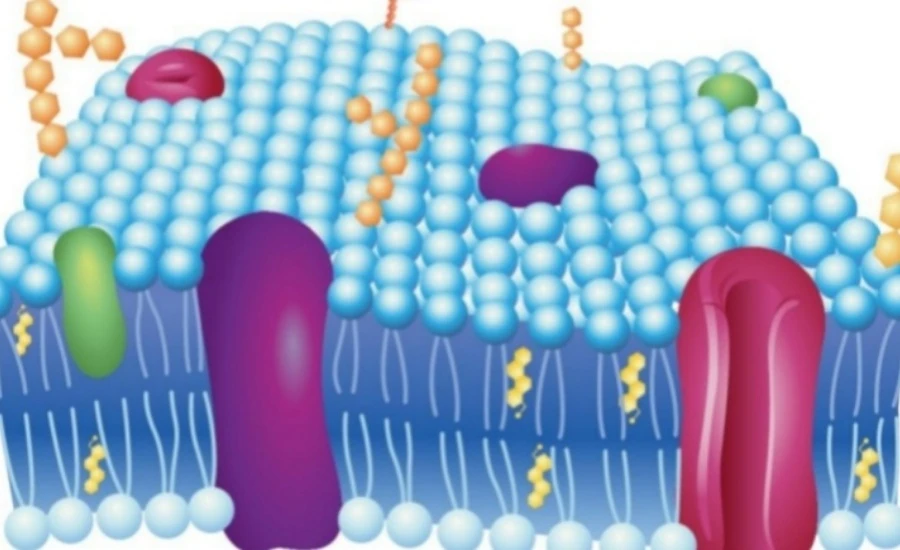
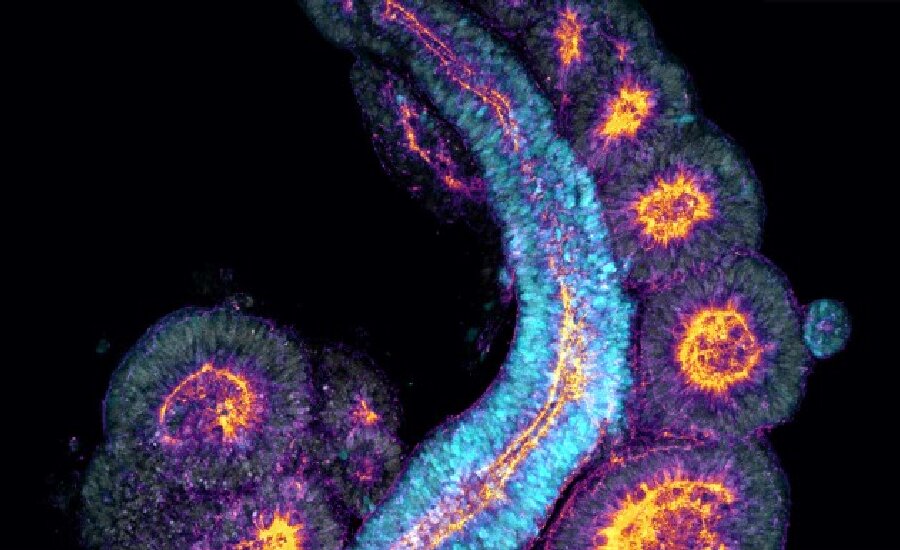
This chemical is of particular interest to scientists because it interacts with NNMT (nicotinamide N-methyltransferase). The enzyme plays a role in how adipose tissue processes nicotinamide, a molecule of vitamin B3 that cells need to create energy. If fat cells are more active with NNMT this can disrupt the balance of metabolism in ways that could make you gain weight and be less sensitive to insulin. NNMT has emerged as a prospective target for intervention in studies of metabolic syndrome, obesity processes, and metabolic decline with ageing. Early, preliminary research suggested that inhibiting the enzyme might switch on energy pathways in cells, alter the way mitochondria work and perhaps change the metabolic balance such that fat is burned rather than stored. These findings have made the 5 amino 1mq peptide injection an essential study tool for laboratories studying how to optimise metabolism.
Research Interest From Multiple Scientific Disciplines
Researchers in fields other than basic metabolism studies are interested in the compound.
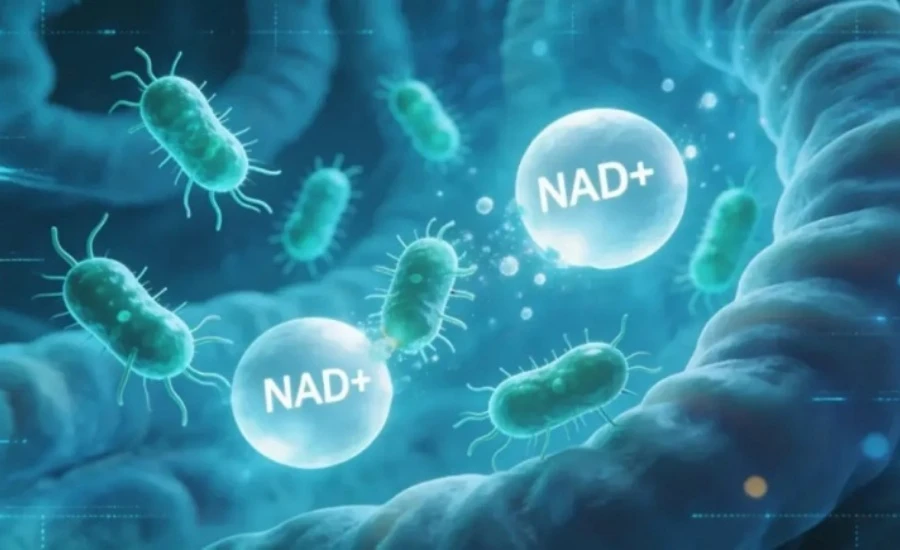
Biotechnology companies that study how cells age find the compound useful because it changes the levels of NAD+, which is important for cell health. Scientists who study sarcopenia, the loss of muscle mass that comes with getting older, are looking into whether changing metabolism by blocking NNMT might help keep muscle tissue. Pharmaceutical research groups looking for new ways to treat metabolic disorders see this compound as a possible starting point for making new drugs. Contract research organizations that are helping with these investigations need to be able to consistently get their hands on research-grade materials that come with full analytical documentation. This creates a need for suppliers who can provide compounds that are of good quality and have the right regulatory support.

5 Amino 1MQ Peptide Injection Molecular Structure and Mechanism of Action Explained
Structural Chemistry and Binding Properties
The quinoline backbone of this compound gives it a rigid, flat shape that fits perfectly into the substrate-binding pocket of NNMT at the molecular level. The amino group at position five forms hydrogen bonds with certain amino acid residues in the active site of the enzyme. The methyl group at position one adds to the stability of the binding complex by providing additional hydrophobic interactions. X-ray crystallography tests have shown that the compound binds to the nicotinamide binding site, making it impossible for the enzyme to reach its normal substrate. This competitive inhibition process means that the compound doesn't hurt the enzyme forever; instead, it stops it from working again and again. IC50 numbers in biochemical tests show that the binding affinity is in the micromolar range, which means it is strong enough for both in vitro studies with cells and in vivo studies with animals.


The NNMT Inhibition Cascade
When 5 amino 1mq peptide injection stops NNMT activity, it sets off a chain of metabolic changes in cells. NNMT changes nicotinamide into N-methylnicotinamide normally, using up S-adenosylmethionine in the process. Nicotinamide pools in cells are used up by this process because they are building blocks for NAD+ production. The compound stops NNMT from working, which lets nicotinamide build up and move thru pathways that restore NAD+. When NAD+ levels rise, sirtuin family proteins, especially SIRT1 and SIRT3, are activated. These proteins are NAD+-dependent deacetylases that control the activation of metabolic genes. Activating SIRT1 changes genes that manage how fat is broken down, how glucose is used, and how mitochondria are made. At the same time, SIRT3 improves the function of mitochondria by removing a molecule that binds to respiratory chain proteins and antioxidant enzymes. This multi-layered process explains how a single enzyme inhibitor can have affects on many metabolic pathways, as seen in animal models.
Pharmacokinetic Considerations in Research Settings
For experimental design, it is important to know how the chemical acts after it has been given. The molecule's moderate molecular weight and good lipophilicity make it possible to administer it in a number of ways in animal studies, such as by subcutaneous injection, which allows for long-lasting absorption profiles. Studies of the compound's distribution show that it successfully hits adipose tissue, which is where NNMT expression is strongest. It looks like metabolic stability is good enough to get exposure times that are relevant to pharmacology in normal experimental methods. When planning studies, researchers have to think about things like how often to give the drug, when to give it in relation to metabolic problems, and how it builds up in different tissues. Because of these pharmacokinetic features, 5 amino 1mq peptide injection can be used in study. It also shows how important it is to get materials that are the same quality and composition from batch to batch.
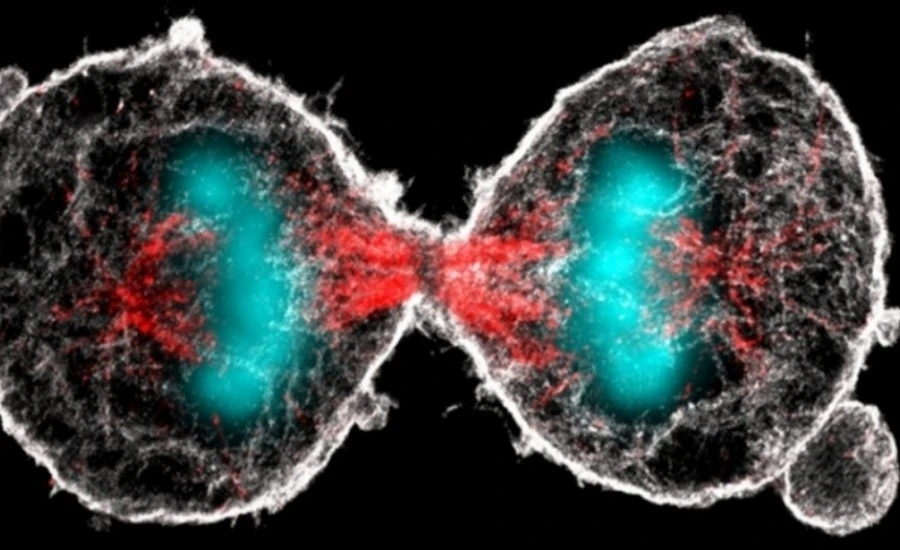

How Does 5 Amino 1MQ Peptide Injection Influence NNMT-Related Pathways?
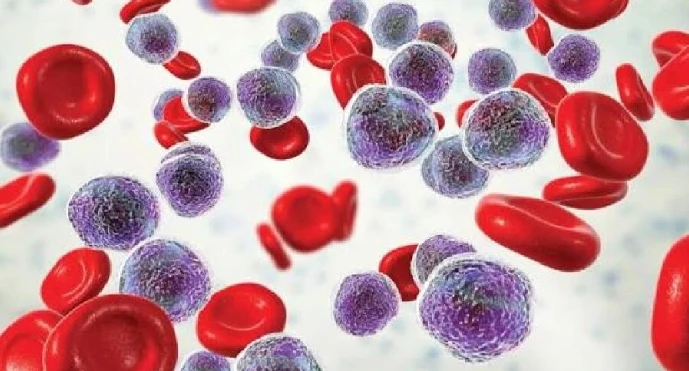
NAD+ Metabolism and Cellular Energy Status
This molecule mostly changes the salvage pathway, which is part of the NAD+ biosynthesis route. When NNMT is highly expressed in fat tissue, it can drain nicotinamide pools by a large amount, which stops NAD+ from being recycled. Researchers have found that the compound increases NAD+ levels in white adipose tissue by more than twofold after treatment in models of obesity caused by diet. This increase brings back the NAD+/NADH ratio, which is a cell-level sign of mitochondrial health. More NAD+ makes many other NAD+-dependent enzymes work better beside sirtuins. These enzymes include poly(ADP-ribose) polymerases that fix DNA and CD38, which controls calcium signaling. The substance changes the metabolism of NAD+ in a way that makes it easier for cells to handle stress and be flexible with their metabolism. This explains many of the effects that were seen later on in experimental systems.
Mitochondrial Function Enhancement
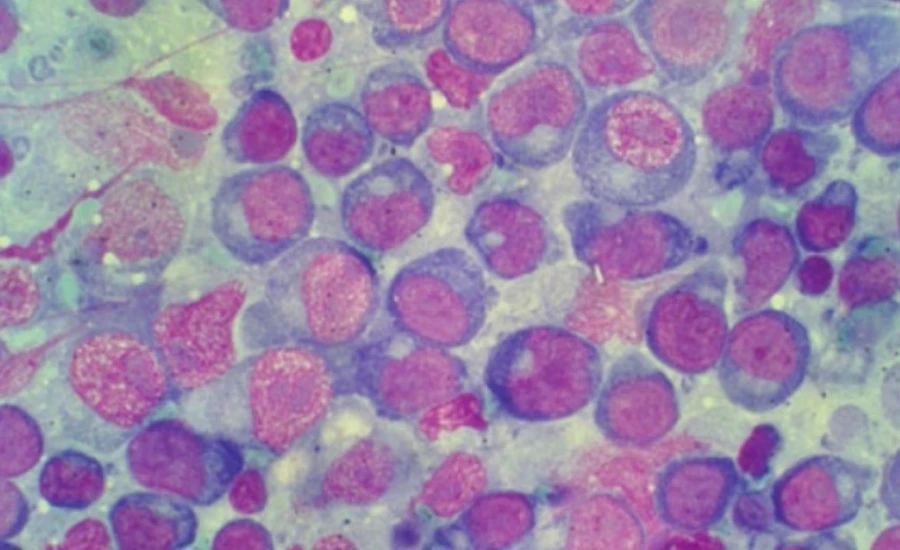
The powerhouses of cells are called mitochondria, and their work depends on having enough NAD+. Several mitochondrial measures have been shown to be better in studies that used 5 amino 1mq peptide injection. The rate of oxygen intake goes up, which means that the breathing chain is working better. There are more copies of DNA in mitochondria, which means that these organelles are making more biogenetic material. After treatment, the production of genes that code for mitochondrial proteins goes up. These genes are controlled by transcription factors such as PGC-1α and NRF1. The ability of cells to make energy has been increased by these changes. Treatment partially recovered ATP production rates and mitochondrial membrane potential in old animal models, a condition in which mitochondrial function usually declines with age. It has also been shown that the substance improves mitochondrial quality control by increasing autophagy of broken organelles. This suggests that it supports the health of the whole mitochondrial network rather than just making existing structures work better.
Adipose Tissue Remodeling and Metabolic Signaling
When this chemical stops NNMT from working, fat tissue goes thru big changes. Downregulation of lipogenic enzymes like fatty acid synthase and stearoyl-CoA desaturase, which help store fat, is seen in gene expression profiles. At the same time, genes like carnitine palmitoyltransferase and acyl-CoA oxidase that break down and burn fat are expressed more. In adipocytes, these changes in transcription show a metabolic shift from programs that build up to programs that break down. A histological look at the fat tissue from animals that were treated shows that the adipocytes are smaller and there are more of the smaller, metabolically active fat cells. Markers of brown adipose tissue can show up in white fat stores, which suggests some "browning" that raises metabolic capacity. These changes at the tissue level help explain why metabolic profiles got better in study models. For example, insulin sensitivity went up and circulating cholesterol levels went down.

5 Amino 1MQ Peptide Injection Applications in Cellular Metabolism Studies
Obesity and Metabolic Syndrome Research Models
5 amino 1mq peptide injection is often used in experimental models by research labs that are looking into how fat works. Rodents that are fed a high-fat diet can be used as controlled models to test metabolic changes. In these kinds of models, treating them with this compound has consistently been shown to lower weight gain. In some studies, weight gain was reduced by as much as 20% compared to controls that were given a vehicle. There seems to be more of a drop in fat mass than in lean mass, which suggests that the effects are mainly felt in adipose tissue. Studies using metabolic cages to measure energy use show small increases in oxygen consumption, which suggests that more calories are being burned. Insulin sensitivity indices show a lot of progress, and glucose tolerance tests show better control of blood sugar. Based on these results, the compound could be used as a useful research tool to find out how NNMT modulation impacts metabolic health and energy balance throughout the body.
Aging and Cellular Senescence Investigations
The area of metabolism and age that this substance helps researchers understand is becoming very interesting. Tissues age and lose their ability to do their jobs because of cellular senescence, which includes growth halt and inflammatory secretory traits. Researchers who used the substance on cultures of senescent cells saw lower levels of β-galactosidase activity and p16 protein production, which are signs of senescence. Animal models that are older and were given the compound showed improvements in their physical performance, such as their grip strength and endurance. Cognitive function tests sometimes show that treated older animals have better memory. Organs like the brain, liver, and muscles have less inflammatory markers and better molecular design, as shown by tissue analysis. These anti-aging effects probably come from better cellular energy and stress resistance, which is caused by better NAD+ metabolism. This makes the compound useful for labs that are looking into ways to extend healthspan.
Metabolic Disease Mechanism Exploration
Researchers use this substance to look into the processes behind a number of metabolic diseases, not just obesity and getting older. Non-alcoholic fatty liver disease models get better after treatment, with less lipid buildup in the liver and better liver enzyme profiles. The compound is used in studies that look at muscle insulin resistance to see if changing the metabolism of muscle cells can recover their ability to take in glucose. Researchers looking into polycystic ovary syndrome and metabolic aspects of reproductive health have started to look into NNMT's role in how the ovaries work. NNMT is being looked at more and more as a possible target in cardiovascular study that looks at metabolic factors that affect cholesterol and heart failure. The compound is a chemical probe that lets researchers check to see if blocking NNMT has therapeutic benefits in these different conditions. This helps establish target validation before expensive drug development programs start.


Understanding the Research Background and Functions of 5 Amino 1MQ Peptide Injection

Discovery and Early Development History
Genomics studies that compared gene expression patterns in overweight and obese people led to the discovery of NNMT as a metabolic regulator. Researchers saw higher levels of NNMT in fat tissue from obese people, which suggests a possible link between the two. Genetic studies using NNMT knockout mice revealed that animals missing this enzyme were less likely to become overweight when they were on a diet and had better metabolic profiles. These results showed that NNMT could be a good target for intervention, which led medicinal chemists to start working on making inhibitors. The 5 amino 1mq peptide injection drug was created by studying the structure-activity relationship of different quinoline derivatives to see how well and selectively they could block NNMT. It was chosen as the best tool compound for studying NNMT biology because it has a good mix of activity, selectivity over related enzymes, and physicochemical qualities that are good for research uses.
Quality Requirements for Research Applications
Chemical compounds that are of good quality and have well-known properties are needed for scientific study. When this substance is used in metabolic tests, the purity level usually needs to be higher than 98% so that impurities don't mess up the results. Comprehensive analytical analysis, which includes nuclear magnetic resonance spectroscopy, mass spectrometry, and high-performance liquid chromatography, is needed to prove the identity and quality of a substance. Researchers can keep the integrity of compounds during studies by using data that is stable under various storage settings. Knowing how something dissolves in the right vehicle formulations lets you make the right dosing solution. Batch-to-batch consistency makes sure that experiments can be repeated over time. Research groups that work with suppliers that offer detailed certificates of analysis, help with the creation of custom formulations, and keep a reliable inventory show that they are committed to the quality of their research, which has a direct effect on the success rates of experiments.

Regulatory Considerations and Supply Chain Requirements
Even tho 5 amino 1mq peptide injection is mostly used for study and is not an approved medicine, it is still important for sellers who work with pharmaceutical and biotechnology companies to follow the rules. The Good Manufacturing Practice certification shows that the company uses systematic quality management that is right for making research chemicals. Institutional safety committees are more likely to approve compound use if there is proof that it can be handled and thrown away safely. Suppliers who keep regulatory files and offer help for material safety data sheets make it easier for labs to follow safety rules. For companies doing preclinical development work that could lead to regulatory submissions, having suppliers with well-established quality systems, traceability protocols, and stability programs is very helpful. Supply chain dependability keeps research projects on schedule and avoids expensive delays in experiments caused by materials not being available when they're needed.

Conclusion
The 5 amino 1mq peptide injection is a useful small chemical for scientists to study how NNMT blocking affects metabolic control. It works by blocking an enzyme that affects the metabolism of NAD+. This has a chain reaction effect on how cells make energy, how mitochondria work, and how metabolic genes are expressed. The research uses cover processes of obesity, aging biology, and different metabolic disease models, giving us new information that helps us understand how cells use energy. More and more scientists are interested in this chemical, which makes it more and more clear how important it is to get high-quality, well-characterized material from reputable sources.
FAQ
1.What is the 5 amino 1mq peptide injection that makes it different from other compounds used in metabolic research?
+
-
This chemical targets NNMT specifically, which is an enzyme that most other metabolic modulators don't work on. The way it works is by changing the amount of NAD+, which affects more metabolic pathways than chemicals that target just one metabolic enzyme. Because NNMT is more selective than related methyltransferases, it leads to better results in experiments with fewer side effects.
2.How should organizations that do study rate providers of this compound?
+
-
When judging, you should look at the quality of the analysis documents, the state of the factory certificates, the batch consistency records, and the availability of expert support. Suppliers that offer detailed certificates of analysis, keep their facilities GMP-certified, and give formulation advice show that they have the skills to support rigorous research programs.
3.What are the best ways to store a compound so that it stays stable?
+
-
The combination is most stable when it is kept as a powder at -20°C in an artificial atmosphere that keeps moisture out. Its stability changes depending on the solvent system, pH, and storage temperature once it is dissolved in a vehicle solution. Researchers should look at the stability data given by the seller for specific formulation advice to make sure that the compound stays intact during the entire experiment.
Partner With Kpeptide as Your Trusted 5 Amino 1MQ Peptide Injection Supplier
When your research needs high-quality metabolic compounds that meet strict standards,Kpeptide gives your projects the dependability they need. We are a well-known 5 amino 1mq peptide injection supplier, and we offer research-grade materials with full analytical documentation. Our 100,000-square-meter production facility is GMP-certified, and every batch goes thru three levels of quality control to make sure it meets the strict requirements of pharmaceutical and biotechnology research.
We have been experts in organic synthesis for 12 years, are approved as suppliers to 24 big foreign companies, and have quality assurance certifications from the US-FDA, CFDA, PMDA, and EU-GMP. Our professional team offers personalized help, clear pricing, and reliable logistics to make sure that your metabolic research keeps moving forward without any problems, whether you need small amounts for research purposes or a supply that can be increased for bigger preclinical programs. Contact our experts at sales@kpeptide.com right away to talk about your needs and see what makes Kpeptide different when it comes to study chemical supply.
References
1. Kraus D, Yang Q, Kong D, et al. Nicotinamide N-methyltransferase knockdown protects against diet-induced obesity. Nature. 2014;508(7495):258-262.
2. Ulanovskaya OA, Zuhl AM, Cravatt BF. NNMT promotes epigenetic remodeling in cancer by creating a metabolic methylation sink. Nature Chemical Biology. 2013;9(5):300-306.
3. Komatsu M, Kanda T, Urai H, et al. NNMT activation can contribute to the development of fatty liver disease by modulating the NAD+ metabolism. Scientific Reports. 2018;8:8637.
4. Campesi I, Romani A, Franconi F. The sex-gender effects in the road to tailored botanicals. Nutrients. 2019;11(7):1637.
5. Hong S, Moreno-Navarrete JM, Wei X, et al. Nicotinamide N-methyltransferase regulates hepatic nutrient metabolism through Sirt1 protein stabilization. Nature Medicine. 2015;21(8):887-894.
6. Roberti A, Fernández AF, Fraga MF. Nicotinamide N-methyltransferase: At the crossroads between cellular metabolism and epigenetic regulation. Molecular Metabolism. 2021;45:101165.


