


Metabolic health is one of the most important areas of wellness study today. Scientists are searching for new techniques to treat metabolic disorders and the 5 amino 1mq peptide is a hot area of research. This small molecule chemical, properly known as 5-Amino-1-methylquinolinium chloride, operates by specifically inhibiting the enzyme nicotinamide N-methyltransferase (NNMT), an enzyme increasingly recognised for its role in regulating cellular metabolism and energy.

1.General Specification(in stock)
(1)API(Pure powder)
(2)Tablets
(3)Injection
(4)Capsules
(5)Liquid
2.Customization:
We will negotiate individually, OEM/ODM, No brand, for secience researching only.
Internal Code:KP-3-5/002
NNMTi CAS 42464-96-0
Molecular formula: C10H11N2.I
HS code: N/A
Molecular weight: 286.11
EINECS number: 464-196-0
Main market: USA, Australia, Brazil, Japan, Germany, Indonesia, UK, New Zealand , Canada etc.
Analysis: HPLC, LC-MS, HNMR
Technology support: R&D Dept.-4
What makes this peptide so interesting is the specific mode of action. Rather of impacting several systems widely, it concentrates on a single enzyme pathway that seems to be critical to how cells regulate energy and store fat. Scientists globally are investigating this selective inhibition, seeking novel ways to understand how metabolism is controlled. This could provide new insights into the intricate biochemistry of how the body regulates weight, energy expenditure and cell function.
The increased attention on 5 amino 1mq peptide is an effect of a bigger change in metabolic research from wide interventions to precision research which targets particular molecular targets. Preliminary studies reveal the molecule may impact many metabolic processes concurrently, from differentiation of cells and storage of lipids to the efficiency of converting nutrients to useful energy.

How Is 5 Amino 1MQ Peptide Being Studied for Metabolic Health?
Researchers are currently using both lab and experimental models to study this peptide. They are using complex methods to figure out what effects it has on cells and the whole body. Scientists use planned experiments to see how blocking NNMT affects metabolic processes. This lets them make a picture of the compound's effects in different biological systems.
Laboratory Investigation Approaches
Scientists use cell culture models, especially preadipocyte cell lines, to look into how the 5 amino 1mq peptide changes the way cells differentiate and how much fat they store. These controlled environments make it possible to measure changes in gene expression very accurately, especially those that are linked to fat cell maturation, like PPARγ and C/EBPα. High-performance liquid chromatography (HPLC) and mass spectrometry are two analytical methods that can be used to get detailed molecular profiles of cells that have been treated. These profiles show changes in metabolic intermediates and enzyme activity. Several studies have shown that treating cells with this peptide changes the expression of genes that are involved in lipogenesis and lipolysis. This suggests that the metabolism of fat in cells is being reset.
Animal Model Research Designs
Systemic effects can be learned from preclinical studies that use biochemical models that are changed by food. Researchers give the compound to animals for long periods of time-usually between 11 and 28 days-while keeping an eye on biochemical markers, body composition, and tissue morphology. These studies look at changes in the amount of fat in the body, the fats found in the liver, signs of inflammation, and how much energy is used. According to data from these kinds of studies, blocking NNMT is linked to less fat buildup and better metabolic parameters. However, researchers stress that these results are still in the experimental stage and need to be confirmed in more studies.
Biochemical Pathway Analysis
Mapping the downstream effects of NNMT inhibition on cellular biology is an important part of current study. When NNMT activity goes down, NAD+ levels inside cells go up. This is a change that has big biological effects. Researchers are looking into how high levels of NAD+ affect sirtuins, especially SIRT1.
SIRT1 controls many metabolic pathways, such as mitochondrial function, insulin sensitivity, and inflammatory responses. This mechanistic research helps explain changes in phenotypes seen and finds possible side effects of peptide treatment.

5 Amino 1MQ Peptide and Its Role in Modern Metabolic Research
The discovery of targeted metabolic modulators is a big change in the way researchers study metabolic dysfunction. In the past, treatments often had broad, and sometimes surprising, effects on many organ systems. The 5 amino 1mq peptide's specificity for NNMT makes it a better tool for breaking down metabolic pathways and testing ideas about how enzymes work in complicated biological settings.
Advancing Understanding of NNMT Biology
Before substances like 5 amino 1mq peptide were available, genetic manipulation methods were needed to study NNMT function. These techniques were useful, but they made it harder to understand what they meant. Researchers can change enzyme function quickly and easily with pharmacological blocking, which is an alternative method. This has sped up research into NNMT's functions beyond methylation processes, showing that it is involved in fat production, energy balance, and tissue inflammation. Researchers have found links between NNMT expression patterns in different metabolic states, such as insulin-sensitive versus insulin-resistant and lean versus obese. This peptide helps them figure out what caused the connections.
Integration with Systems Biology Approaches
Genomics, proteomics, and metabolomics are all broad analytical tools that are being used more and more in modern metabolic studies to look at the full range of biological responses.

When used to study 5 amino 1mq peptides, these methods show changes in coordinates that happen in more than one pathway. Changes in nicotinamide metabolism, NAD+ biosynthesis intermediates, and lipid species have been found through metabolic analyzes. Changes are found in enzymes that control oxidative phosphorylation and fatty acid oxidation in proteomic studies. This systems-level data helps researchers figure out not only single effects but also how blocking NNMT affects metabolic networks that are all linked to each other.
Translational Research Applications
The compound has useful uses in translational research processes, but it hasn't been used in humans yet. It is used as a guide by pharmaceutical researchers to make the next generation of NNMT inhibitors that have better pharmacokinetic properties. Researchers in academia use it to confirm the results of genetic studies or see if blocking NNMT might work better with other metabolic interventions. These apps help researchers decide which areas of study deserve more funding by connecting basic biology with possible new medicines.

Why Are Researchers Exploring 5 Amino 1MQ Peptide for Fat Metabolism?
A lot of metabolic problems are caused by problems with adipose tissue. A top study goal is still to figure out how fat cells grow, store lipids, and talk to other tissues. Researchers first thought that NNMT might control adipogenesis when they saw that its expression rises during fat cell development. The 5 amino 1mq peptide has helped them test this idea directly.
Adipocyte Differentiation Regulation
Preadipocytes go through a complicated process of development that involves activating transcription factors one by one. Eventually, these factors bind cells to the adipocyte lineage. Researchers have found that high NNMT activity may help this process along by lowering NAD+ levels and subsequently decreasing SIRT1's ability to stop adipogenic transcription factors. When researchers treat preadipocytes that are differentiating with the 5 amino 1mq peptide, they see less differentiation efficiency and less expression of markers for mature adipocytes that depend on the dose. Experiments show that at concentrations around 30 μM, lipid droplet formation is strongly blocked, and triglyceride accumulation is slowed down. These results suggest that NNMT activity is a regulatory node in adipogenesis. This makes the peptide a useful tool for studying how fat cells grow.
Lipolysis and Lipogenesis Balance

Adult adipocytes constantly keep the process of making fat (lipogenesis) and breaking it down (lipolysis) in balance. In metabolic dysfunction, this balance is often thrown off, leading to too much lipogenesis and not enough lipolysis, which leads to fat buildup over time. Studies of gene expression in adipocytes that have been treated show that blocking NNMT increases the activity of lipolytic enzymes like adipose triglyceride lipase (ATGL) and hormone-sensitive lipase (HSL), while decreasing the activity of lipogenic enzymes like fatty acid synthase (FAS) and acetyl-CoA carboxylase (ACC). This coordinate regulation shows that the 5 amino 1mq peptide affects the transcriptional processes that control the flow of lipids. In a mechanical sense, the rise in NAD+ after NNMT reduction may improve mitochondrial oxidative capacity, giving the body's enzymes and energy to break down more fat.
Adipose Tissue Inflammatory Modulation
Metabolic stress causes low-level inflammation to last for a long time in fat tissue, marked by the release of pro-inflammatory cytokines and macrophages.
This inflammatory state makes adipocytes less sensitive to insulin, which keeps metabolic dysfunction going. Scientists have found that treating adipose tissue with the 5 amino 1mq peptide lowers the levels of inflammatory markers like tumor necrosis factor-alpha (TNF-α) and interleukin-6 (IL-6). Also, the number of macrophages in treated tissues goes down, which suggests that the tissue microenvironment is better. The anti-inflammatory effects could be because SIRT1 activation blocks NF-κB signaling pathways or because metabolic improvements lower the cellular stress that causes inflammatory responses. Researchers can make more full models of adipose tissue biology if they understand these processes.

Understanding 5 Amino 1MQ Peptide and Cellular Energy Regulation
Energy homeostasis depends on how well nutrient sensing, mitochondrial function, and metabolic pathway selection all work together. NAD+ is an important part of this regulatory network because it works as both a redox cofactor in metabolic reactions and a substrate for signaling enzymes like sirtuins and PARPs. 5 amino 1mq peptide gives researchers a way to look into energy production at the most basic levels by changing the amount of NAD+ available by blocking NNMT.
NAD+ Metabolism and Mitochondrial Function
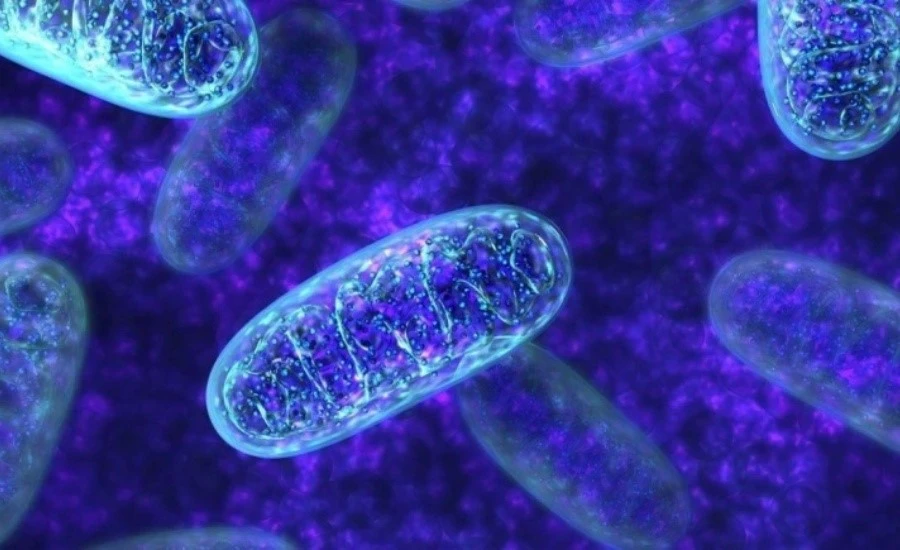
NNMT uses up NAD+ while methylating nicotinamide, making a cycle that doesn't do anything useful and can drain NAD+ pools inside cells when enzyme activity is high. Researchers have found that increasing NNMT is linked to lower amounts of NAD+ and worsened mitochondrial activity, while decreasing NNMT has the opposite effect. Studies using the 5 amino 1mq peptide show that cells that are treated have higher rates of oxygen use and higher mitochondrial membrane potential, which means they can do more oxidative phosphorylation. These changes to the mitochondria may explain why treated animal models show higher metabolic rates even though they don't eat more. So, the peptide helps experts figure out how NAD+ levels, mitochondrial health, and the balance of energy in the body all relate to each other.
Sirtuin Pathway Activation
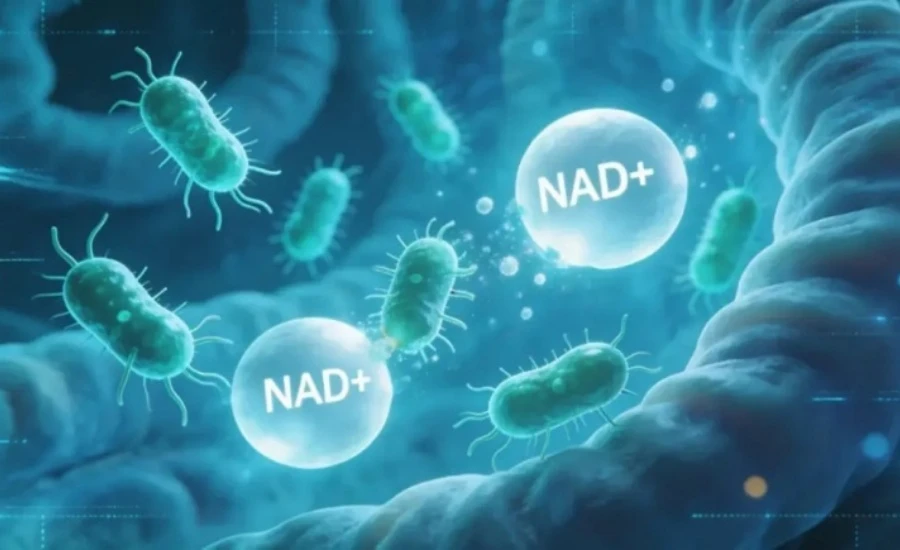
Sirtuins, especially SIRT1, are NAD+-dependent deacetylases that control metabolism, inflammation, and how cells react to stress. When NNMT is blocked, more NAD+ becomes available, and sirtuin activity goes up in the same way. When SIRT1 is activated, it deacetylates a lot of target proteins, some of which are transcription factors that play a part in making glucose, lipids, and mitochondria. Researchers have found that many of the metabolic effects of the 5 amino 1mq peptide treatment rely on SIRT1 signaling being fully functional. This is because genetic or pharmaceutical SIRT1 blocking weakens the compound's effects. This mechanism puts the peptide in the bigger picture of NAD+ biology and routes for aging, linking metabolic control to the aging process in cells. Researchers who study healthspan and metabolic resistance are becoming more and more aware that NNMT may be able to change how these two processes work together.
Metabolic Flexibility Enhancement
In metabolic dysfunction, metabolic flexibility (the body's ability to switch between burning carbs and fats efficiently depending on the availability of nutrients) decreases.
An unflexible metabolism can lead to insulin resistance and the buildup of fat in the wrong places. There is evidence from experiments that treating with 5 amino 1mq peptide may help restore some metabolic flexibility. Animals that were treated are better able to burn fatty acids when they are hungry and have less fat buildup in organs that aren't fat, like liver and muscle. Biochemical tests show that genes involved in beta-oxidation are being expressed more and signs of incomplete fatty acid oxidation are being expressed less. These results show that blocking NNMT helps cells better match the amount of fuel they use to the amount that is available. However, the exact ways that NNMT activity affects substrate selection are still being studied.

What Makes 5 Amino 1MQ Peptide Interesting for Metabolic Research?
This compound is useful for study purposes beyond its main mode of action because it has a number of unique properties. The 5 amino 1mq peptide is very useful for metabolic studies right now because it is specific, easy to use in experiments, and linked to processes that are important in medicine.
Selective Enzyme Inhibition Profile
The 5 amino 1mq peptide is very selective for NNMT over related methyltransferases, which is different from many metabolic modulators that affect more than one target. Because of this, researchers can be more sure that the effects they see are caused by blocking NNMT rather than actions that aren't supposed to be happening. Selectivity also makes mechanistic studies easier because genetic and pharmacological approaches give similar results, which makes it easier to draw conclusions about how NNMT works. The quinoline-based structure allows good cell permeation, which lets efficient cellular target interaction at low concentrations. Because of these pharmacological qualities, the peptide can be used in a wide range of experimental methods using a number of different model systems.
Integration Across Research Scales
There are uses for research at the molecular, cellular, tissue, and whole-organism levels.

At the molecular level, the molecule lets scientists study enzyme activity and binding interactions. Assays for differentiation, measurements of metabolic flux, and gene expression profiling are all uses in cells. Tissue-level study looks at how adipose stores, the liver, and muscles change histologically after treatment. Whole-organism studies look at things like exercise ability, body makeup, metabolic rate, and glucose homeostasis. This ability to work on a large scale lets scientists link molecular processes with physiological results. This helps them get a better idea of how NNMT inhibition works from the level of enzymes to systemic effects. Not many study tools make it possible to combine biological scales in such a smooth way.
Combination Research Strategies
Because metabolic regulation uses multiple pathways that work together and against each other, single-intervention methods aren't always enough to create strong phenotypes. More and more, researchers are looking into 5 amino 1mq peptide when it is combined with other treatments, such as changes to a person's food, exercise plans, or additional drugs.
Combination studies show that two interventions work better together to improve metabolism than either one alone. When the peptide is combined with calorie restriction, studies show faster fat loss and better maintenance of lean mass than when restriction alone is used. Studies that combine different types of exercise show that they improve endurance adaptations and muscle metabolic capacity. These results show how blocking NNMT might work with other metabolic treatments, which is useful for both understanding how they work and thinking about how they could be used in real life. The compound can be used in a wider range of research settings because it can be used with different types of experiments.
Conclusion
The study of the 5 amino 1mq peptide is a new area of metabolic research that is having an impact on how energy is controlled, the biology of fatty tissue, and the metabolism of cells. Because it only blocks NNMT, this chemical gives scientists a specific way to look into how methylation reactions connect with basic metabolic processes. Experiments show that changing NNMT activity affects many parts of metabolism, ranging from the differentiation of fat cells and the balance of lipids to the function of mitochondria and the signaling of inflammation.
Even though this peptide is mostly used for research purposes, the new information it generates helps us learn more about how metabolic dysfunction works. Researchers are still trying to figure out how NNMT activity, NAD+ metabolism, and metabolic results are all connected. As they do this, the groundwork for possible future developments gets stronger. The compound is important for current metabolic study for more than just its direct effects. It raises questions about how enzymes work, how cells sense energy, and how metabolic health is maintained at the molecular level.
FAQ
1.What is the primary mechanism by which 5 amino 1mq peptide affects metabolism?
+
-
The peptide specifically stops NNMT, an enzyme that is involved in the breakdown of NAD+, from doing its job. When NNMT activity goes down, NAD+ levels rise in cells, which turns on SIRT1 and other NAD+-dependent enzymes. This action changes a lot of metabolic processes, such as how mitochondria work, how fat is burned, and how cells control their energy levels. Researchers can study metabolic processes more precisely with this mechanism than with broader interventions because it is so specific.
2.How does 5 amino 1mq peptide differ from traditional metabolic modulators in research settings?
+
-
Traditional metabolic compounds often have more than one effect at the same time, which makes it hard to link specific effects to specific mechanisms. This peptide is very selective for NNMT, which lets researchers focus on the affects of this one enzyme pathway. Also, unlike compounds that make you feel less hungry, research shows that NNMT inhibition changes metabolism directly, not by making you eat less. This creates a unique research model for studying metabolic regulation that is not dependent on eating behavior.
3.What types of research organizations commonly utilize 5 amino 1mq peptide in their studies?
+
-
This chemical is used by academic research groups that study metabolic diseases, pharmaceutical companies that are making metabolic treatments, biotechnology companies that are looking for new therapeutic targets, and contract research groups that are doing developmental studies. It can be used for basic science studies of how cells work, translational research that relates lab results to real-life clinical situations, and pharmaceutical development programs that want to learn more about NNMT biology so that it can be used in therapy.
Partner with Kpeptide for Premium 5 Amino 1MQ Peptide Supply
If you need high-quality 5 amino 1mq peptides for research or development projects, Kpeptide is the only company you need to look at. They have been in the business for over 12 years and specialize in organic synthesis and pharmaceutical intermediates. Our 100,000-square-meter production plant is GMP-certified by the US, EU, Japan, and the CFDA. This means that it meets the strictest worldwide standards.

We offer research-grade peptides that are at least 98% pure, full analytical evidence (HPLC, MS), and triple-layer quality verification, which includes testing in the plant, internal quality assurance/quality control, and approval by a third party. Pharmaceutical companies, biotechnology companies, CDMOs, and research institutions in 24 countries choose us as their partner because of our clear pricing, fixed-margin model, and professional one-stop service. Whether you need gram-scale samples or full CMC documentation for bulk production, our dedicated team makes sure that you get accurate lead times, a stable supply chain, and full regulatory support. Contact our experts at sales@kpeptide.com right away to talk about how Kpeptide can speed up your metabolic study with its top-notch peptide molecules and unmatched technical know-how.
References
1. Komatsu M, Kanda T, Urai H, Kurokochi A, Kitahama R, Shigaki S, et al. "NNMT activation can contribute to the development of fatty liver disease by modulating the NAD+ metabolism" Scientific Reports, 2018, 8(1): 8637-8648.
2. Kraus D, Yang Q, Kong D, Banks AS, Zhang L, Rodgers JT, et al. "Nicotinamide N-methyltransferase knockdown protects against diet-induced obesity" Nature, 2014, 508(7495): 258-262.
3. Ulanovskaya OA, Zuhl AM, Cravatt BF. "NNMT promotes epigenetic remodeling in cancer by creating a metabolic methylation sink" Nature Chemical Biology, 2013, 9(5): 300-306.
4. Hong S, Moreno-Navarrete JM, Wei X, Kikukawa Y, Tzameli I, Prasad D, et al. "Nicotinamide N-methyltransferase regulates hepatic nutrient metabolism through Sirt1 protein stabilization" Nature Medicine, 2015, 21(8): 887-894.
5. Kannt A, Pfenninger A, Teichert L, Tönjes A, Dietrich A, Schön MR, et al. "Association of nicotinamide-N-methyltransferase mRNA expression in human adipose tissue and the plasma concentration of its product, 1-methylnicotinamide, with insulin resistance" Diabetologia, 2015, 58(4): 799-808.
6. Aksoy S, Szumlanski CL, Weinshilboum RM. "Human liver nicotinamide N-methyltransferase: cDNA cloning, expression, and biochemical characterization" Journal of Biological Chemistry, 1994, 269(20): 14835-14840.


