


One of the most exciting fields in metabolic research is cellular ageing. As cells age, they acquire damage that impairs their ability to function properly, leading to a decrease in tissue vitality and to metabolic diseases associated with ageing. The recent researches have focused on 5 amino 1mq peptide injection as a research tool to study the biochemical pathways of cellular senescence. Chemically known as 5-Amino-1-methylquinoline, it works via a unique mechanism of action by inhibiting nicotinamide N-methyltransferase (NNMT) and enables investigators to view metabolic ageing processes in a new manner.

1.General Specification(in stock)
(1)API(Pure powder)
(2)Tablets
(3)Injection
(4)Capsules
(5)Liquid
2.Customization:
We will negotiate individually, OEM/ODM, No brand, for secience researching only.
Internal Code:KP-3-5/002
NNMTi CAS 42464-96-0
Molecular formula: C10H11N2.I
HS code: N/A
Molecular weight: 286.11
EINECS number: 464-196-0
Main market: USA, Australia, Brazil, Japan, Germany, Indonesia, UK, New Zealand , Canada etc.
Analysis: HPLC, LC-MS, HNMR
Technology support: R&D Dept.-4
The design of interventions that promote healthy lifespan is significantly informed by understanding how cells maintain their metabolic homeostasis with age. 5 amino 1mq peptide infusion has emerged in preclinical models as an experimental drug that regulates major metabolic pathways that are involved in cellular energy regulation. This small molecule substance affects NNMT activity which in turn regulates cellular NAD+ pools, mitochondrial function and energy metabolism, all key aspects of the ageing process. The expanding corpus of research on this substance reflects a larger scientific interest in metabolic therapies that may help promote cellular health over the whole lifetime.

How Does 5 Amino 1MQ Peptide Injection Relate to Cellular Aging?
The NNMT-Centered Mechanism in Aging Biology
At the core of the relationship between injecting 5 amino 1mq peptide and cellular ageing is the enzyme nicolinamide N-methyltransferase. In many tissues, NNMT activity tends to grow with age, notably in fatty tissue and systems with high energy requirements. This enzyme catalyses the methylation of nicotinamide by removing methyl groups from S-adenosylmethionine and impairing the ability of nicotinamide to be regenerated into NAD+ . Increased NNMT activity affects the metabolic status of cells, and this may cause age-related issues.
5 amino 1mq peptide injection is a selective NNMT inhibitor that acts by binding to the enzyme and preventing it from performing its regular role as a catalyst. In animal models of diet-induced obesity, this chemical, administered at dosages of around 50 mg/kg daily for eight weeks, produced significant metabolic alterations. The patients dropped 18 percent of their overall weight and 35 percent of the fat pad mass around the pubic region.

Besides these changes there were improvements in insulin sensitivity indicators there was a decrease in fasting glucose of around 22% and improvements in the homeostasis model assessment of insulin resistance by 40%. These findings imply that inhibition of NNMT may help correct some of the metabolic disturbances associated with ageing and metabolic stress.
Cellular Consequences of NNMT Modulation
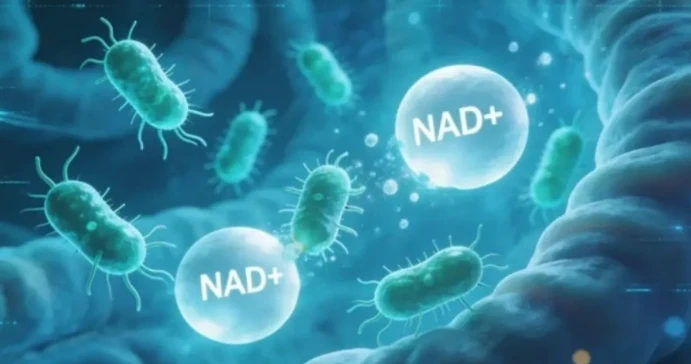
When 5 amino 1mq peptide injection stops NNMT from working, it sets off a chain of reactions that change the metabolism of all cells. Nicotinamide can be turned back into NAD+ more easily through the salvage pathway when NNMT activity goes down. As an important coenzyme, NAD+ helps cells do many things, like making energy through glycolysis and oxidative phosphorylation, and it also acts as a source for enzymes that help cells deal with stress and fix DNA.
Cells that are getting older usually have lower amounts of NAD+, which is linked to mitochondrial dysfunction and a lower ability to handle metabolic stress.
Scientists studied fat tissue from animals that were treated and found that NNMT activity dropped by about 60% while NAD+ levels rose by 2.3 times. Along with these molecular changes, there were measurable gains in signs of mitochondrial quality, such as a 1.5-fold rise in the number of copies of mitochondrial DNA, which suggests that mitochondrial biogenesis was improved. The compound changes gene expression patterns that are involved in making fat and breaking down fats. It does this by decreasing the expression of lipogenic genes like fatty acid synthase and stearoyl-CoA desaturase-1 and increasing the expression of genes that help break down fats.
Age-Related Phenotype Reversal in Experimental Models
Studies on rats that were naturally getting older have shown that 5 amino 1mq peptide injection may be able to slow down the aging process. In a study with 24-month-old mice, which is about the same age as an older person, the compound was given every other day for six months at a dose of 25 mg/kg.
This treatment improved a number of signs of aging. Measures of physical performance showed improvements compared to aged controls who were not treated. For example, grip strength went up by 27% and treadmill endurance went up by 34%.
Similar positive results were found in cognitive tests. In tests of spatial learning, people who were treated had 41% shorter escape latency, which showed that they were learning and remembering things better. A close study of brain tissue under a microscope revealed a 22% rise in the number of synapses in the hippocampus, an area of the brain that is especially sensitive to loss of function with age. An study of muscle tissue showed that the mass of the quadriceps muscles had grown by 15% and the cross-sectional area of the muscle fibers had grown by 18%. Along with these structural improvements, there were also positive changes in the make-up of the muscle fibers, with more type I oxidative fibers, which are linked to endurance.

5 Amino 1MQ Peptide Injection and NAD+ Availability in Aging Cells
NAD+ Dynamics and the Aging Process
NAD+ levels are crucial to determining how healthy cells are as they become older. It is involved in redox processes that are essential for energy generation, and is a substrate for DNA-fixing poly(ADP-ribose) polymerases. It also drives sirtuin family proteins that govern several age-related activities. Scientists have shown that NAD+ levels decrease with ageing in humans. This is seen in a range of species and tissue types and is associated with mitochondrial malfunction, increased oxidative stress and weakened cells.
The 5 amino 1mq peptide injection works differently than straight NAD+ replacement methods to deal with NAD+ loss. Instead of supplying outside NAD+ precursors, this compound protects natural nicotinamide by stopping it from being methylated and leaving the body. This method might help keep NAD+ metabolism in balance without overworking the salvage pathway enzymes. There is evidence from experiments that blocking NNMT can raise the amount of NAD+ in cells to a level that starts signaling pathways that help keep metabolism stable and the body resistant to stress.


Sirtuin Activation Through NAD+ Restoration
In particular, the increased availability of NAD+ following NNMT suppression is critical for the activity of sirtuin proteins. Sirtuins are a class of NAD+-dependent deacetylases regulating how genes are produced, how metabolism occurs, and how cells respond to stress. The family member that has been investigated most is SIRT1. This impacts several processes associated with ageing such as mitochondrial biogenesis, inflammatory responses and the regulation of circadian rhythms. The levels of NAD+ in the body decrease as we get older, affecting the function of sirtuins, making our metabolism less effective and cells die.
Researchers who studied 5 amino 1mq peptide injection found that it activated SIRT1-mediated pathways in the tissues that were treated. This activation leads to deacetylation of key metabolic regulators including peroxisome proliferator-activated receptor gamma (PPAR-γ), which drives cell metabolism from fat storage to oxygen consumption. You get more of the impact of the drug on SIRT1 activity and on the transcriptional control of genes that aid mitochondria function.
For example, the expression of PGC-1α, nuclear respiratory factor 1 and mitochondrial transcription factor A is increased.
These modifications together assist increase the health of mitochondria and their capacity to create energy.
Metabolic Flexibility and Energy Homeostasis
Metabolic flexibility, the capacity to effectively transition from one fuel source to another depending on availability and cellular demands, is a common feature lost with ageing. This rigidity worsens the signs of metabolic syndrome, such insulin resistance, cholesterol, and fat deposition in the incorrect locations. The infusion of a 5 amino 1mq peptide seems to reverse some of the changes in NAD+ metabolism associated with a loss of metabolic flexibility in laboratory mice.
The treated patients exhibited superior fatty acid oxidation with more carnitine palmitoyltransferase 1A and acyl-CoA oxidase 1, enzymes that transport and break down fatty acids. This metabolic shift reduces the body's reliance on burning glucose, and decreases the accumulation of fat in non-fat regions Metabolic flexibility is restored with better insulin sensitivity and glucose balance.

This implies that NAD+-dependent pathways are vital in the regulation of the body's energy metabolism with age.

What Cellular Aging Markers Are Studied With 5 Amino 1MQ Peptide Injection?

Senescence-Associated Secretory Phenotype Modification
Cellular senescence is defined by a growth arrest and the acquisition of a senescence associated secretory phenotype (SASP). It is characterised by an elevated secretion of pro-inflammatory cytokines, chemokines and matrix destroying enzymes. SASP factors contribute to the chronic low-grade inflammation associated with ageing, commonly termed "inflammaging." This inflammation leads to tissue failure and causes age-related illnesses. Researchers studied the effect on cellular aging-related inflammatory indicators using a 5 amino 1mq peptide infusion.
In aged animal models, the chemical significantly lowered levels of inflammatory mediators in the blood. Blood levels of interleukin-6 and tumour necrosis factor-alpha decreased by 53% and 47%, respectively, indicating reduced inflammation throughout the body. The examination of immune cell groups revealed 31 percent more regulatory T cells in splenic tissue, which hints to improved regulation of the immune system. Transcriptomics analysis of samples from treated individuals revealed a substantial reduction in genes associated with inflammation and SASP.
These genes included interleukin-6, CXCL8 and certain matrix metalloproteinases. These findings imply that the NNMT inhibition may have an indirect influence on inflammatory processes related to cell ageing.
Cell Cycle Regulators and Growth Arrest Markers
Senescent cells have cyclin-dependent kinase inhibitors, especially p16INK4a and p21CIP1, that are turned up, which stops the cell cycle permanently. These proteins stop the cell cycle from moving forward, which keeps cells from growing again. Tissues age and stop working properly when they get too many senescent cells that express high levels of these markers. The 5 amino 1mq peptide injection has been tested on replicative senescence models in human cells to see if it changes these standard signs of senescence.
Treatment of near-senescent fibroblasts with the chemical at 10 micromolar for 72 hours led to a measurable shift in senescence markers.

The percentage of cells positive for senescence-associated beta-galactosidase activity was reduced from 68% to 32%, indicating a reduction in the number of senescent cells. Western blot analysis revealed that the treated cells had lower levels of p21 and p16 proteins compared to the control cells. Telomerase activity was also partly restored and raised by 2.1-fold, along with mitochondrial membrane potential improved and rose by 35% with these molecular modifications. The findings suggest that metabolic therapies targeting NNMT may influence cellular senescence programmes. However, more study is required to determine the precise relationship between NAD+ metabolism and cell cycle regulation .
Oxidative Stress and DNA Damage Responses
Treatment with 5-amino-1MQ may lower age-related oxidative stress and DNA damage by upregulating antioxidant and repair mechanisms. It stimulates the expression of the genes SOD2, GPX1, BRCA1 and similar. Treatment decreased nuclear membrane abnormalities by 67% and phosphorylated H2AX DNA-damage foci by 54% in progeria cells consistent with increased cellular stress resistance.

Exploring SIRT1-Related Processes With 5 Amino 1MQ Peptide Injection
Mitochondrial Quality Control Through SIRT1 Activation
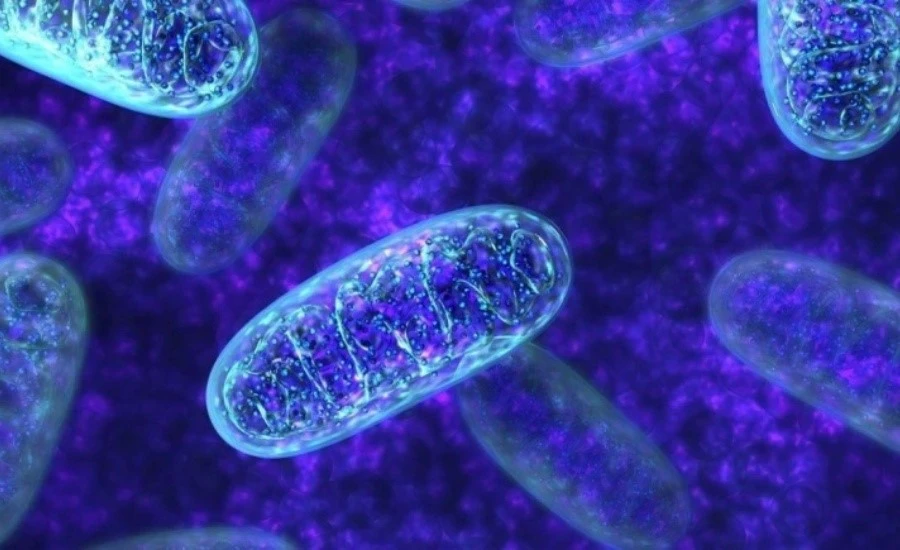
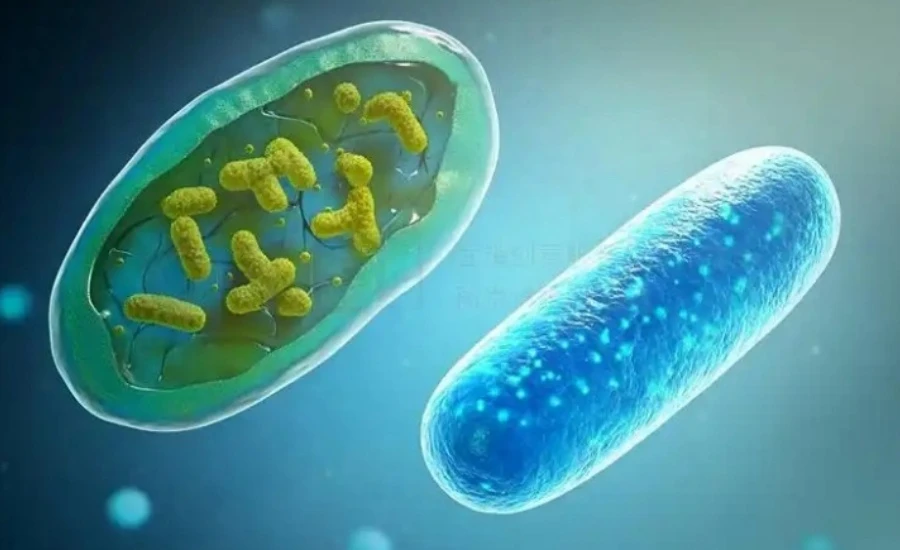
5-amino-1MQ-induced NNMT inhibition could promote mitochondrial integrity via NAD+ increase and SIRT1 activation. This boosts PGC-1α-mediated mitochondrial biogenesis and respiratory activity and enhances PINK1/Parkin-controlled mitophagy. Treatments that boost mitochondrial development and get rid of damaged mitochondria could lower oxidative stress and enhance the overall quality and function of mitochondria.
Epigenetic Regulation and Chromatin Remodeling
5-Amino-1MQ therapy may increase SIRT1-mediated epigenetic remodelling during ageing by boosting histone deacetylation, especially H3K9, which promotes heterochromatin formation and genome stability. In ageing and progeria models, therapy decreased aberrant chromatin regions (41%) and restored younger-like gene expression, repetitive-element silencing and overall genomic control.
Protein Homeostasis and Cellular Stress Responses
Treatment with 5-Amino-1MQ may increase proteostasis in ageing via SIRT1 activation. It raises heat shock proteins such as HSP70 and HSP90, promotes autophagy-related genes ATG5 and ATG7 and speeds up protein clearance. The medication decreased mutant huntingtin aggregates by 58% in cell models of Huntington's disease and enhanced cell vitality, or rejuvenated the cells.

5 Amino 1MQ Peptide Injection and Metabolic Pathways in Aging Research
Lipid Metabolism and Adipose Tissue Remodeling
Ageing and obesity induce visceral fat storage, adipocyte hypertrophy, inflammation, and insulin resistance, and increased expression of NNMT. Treatment with 5-amino-1MQ may restore these alterations by decreasing the number of adipocytes and macrophages, limiting lipogenesis, boosting lipid oxidation, improving insulin sensitivity of adipose tissue and reducing pro-inflammatory signalling, thereby promoting a healthy systemic metabolism.
Glucose Homeostasis and Insulin Sensitivity
5-Amino-1MQ therapy improves glucose homeostasis and insulin sensitivity in animal models of metabolic ageing and diet-induced obesity Inhibition of NNMT reduces fasting glucose by 22 % and improves glucose oxidation, insulin signalling in muscle and adipose tissue and hepatic glucose control. SIRT1 activation may also enhance insulin sensitivity and metabolic regulation.
Integration of Metabolic Pathways Through NAD+ Signaling
5-Amino-1MQ modulates many metabolic pathways via NAD+ signalling integrating cellular energy, redox homeostasis and stress responses. Inhibition of NNMT increases NAD+ levels, leading to enhanced oxidative phosphorylation, modulation of biosynthesis, stimulation of autophagy and mitophagy and activation of stress defences. This coordinated metabolic reprogramming could underlie the extensive metabolic and anti-aging benefits found in models.
Conclusion
The study of 5 amino 1mq peptide injection in cellular aging has shown that NNMT activity, NAD+ metabolism, and the loss of cells with age are all intricately linked. In preclinical studies, blocking NNMT has been shown to improve metabolic health, mitochondrial function, inflammatory state, and the ability of cells to survive stress. It looks like these effects are mostly caused by making NAD+ available again and then turning on pathways that rely on NAD+, especially SIRT1 signals.
Several signs of cellular aging are affected by the substance, such as metabolic failure, mitochondrial damage, cellular senescence, and loss of proteostasis. Experiments with different aging models repeatedly show that treatment leads to changes in body composition, brain function, physical ability, and inflammatory markers. Even though these results come from controlled lab studies using animal and cell models, they still give us important information about how metabolism works and how it affects the aging process.
The 5 amino 1mq peptide injection is not yet a proven treatment, but it is being studied as a way to learn more about the metabolic parts of cellular aging. Before preclinical results can be used on humans, a lot more study needs to be done on safety, effectiveness, the best dose, and long-term benefits. Though, the mechanistic information gathered from studying this compound helps scientists learn more about how metabolic interventions might help cells age in a healthy way.
FAQ
1.What is the primary mechanism through which 5 amino 1mq peptide injection affects cellular aging?
+
-
The compound's main job is to stop nicotinamide N-methyltransferase (NNMT), an enzyme that changes nicotinamide into a different form and makes it easier for the body to get rid of it. The injection protects cellular nicotinamide by blocking NNMT, which makes it easier for it to be recycled into NAD+. The increase in NAD+ levels turns on NAD+-dependent enzymes, mainly sirtuin family proteins like SIRT1. These proteins control many processes related to cellular aging, such as mitochondrial function, metabolic homeostasis, inflammatory reactions, and stress tolerance. This method is different from directly adding NAD+ because it targets an enzyme bottleneck that becomes a problem with age and metabolic stress.
2.What cellular aging markers have been studied in relation to 5 amino 1mq peptide injection?
+
-
Researchers have looked at how NNMT inhibition affects a number of cellular age markers. Several studies have shown that as cells age, certain enzymes and proteins change, as do levels of inflammatory cytokines (IL-6 and TNF-alpha), oxidative stress markers, DNA damage indicators (gamma-H2AX foci), mitochondrial quality metrics (membrane potential, DNA copy number, respiratory capacity), and epigenetic features (histone modifications, chromatin structure). Many of these measures show gains in preclinical models, such as fewer senescent cells, fewer inflammatory chemicals, better mitochondrial function, and stronger antioxidant defenses. These many-sided changes suggest that metabolic interventions that focus on NAD+ metabolism may have an effect on various parts of the aging process in cells.
3.How does 5 amino 1mq peptide injection relate to SIRT1 activation?
+
-
The connection between this molecule and SIRT1 depends on how much NAD+ is available. To work as a deacetylase, SIRT1 needs NAD+ as a cofactor, and the amount of NAD+ in cells affects how well it works. The 5 amino 1mq peptide injection raises SIRT1 activity by blocking NNMT and raising NAD+ levels as a result. When SIRT1 is turned on, it affects many other processes, such as the creation of mitochondria through activation of PGC-1alpha, the regulation of metabolic genes through deacetylation of transcription factors like PPAR-gamma, the maintenance of protein homeostasis through activation of heat shock factor 1, and epigenetic changes through deacetylation of histones. This chain of SIRT1-mediated effects probably plays a big role in the cellular regeneration traits seen in models that were treated with the drug.
Partner With a Trusted 5 Amino 1MQ Peptide Injection Supplier for Your Research Needs
As your research into metabolic aging and cellular senescence moves forward, you will need to work with a dependable peptide supplier to make sure the quality of your work and its ability to be repeated. If you need a qualified 5 amino 1mq peptide injection supplier, Kpeptide has everything you need to meet your needs, from early-stage research to large-scale production. Our 100,000-square-meter factory is GMP-certified and has ongoing approvals from the US FDA, the EU, Japan's PMDA, and China's CFDA. This makes sure that we meet all foreign quality standards.

Kpeptide has twelve years of experience in organic synthesis and pharmaceutical intermediates. They can help with everything from small-scale synthesis in the lab to mass production. Our quality assurance system has three levels: testing in the factory, verification by a dedicated QA/QC department, and analysis by certified third-party laboratories. We are authorized to provide research-grade compounds with full analytical documentation, such as HPLC, mass spectrometry, and batch consistency data, to 24 international pharmaceutical and biotechnology companies. To help you reach your study goals, our professional team gives you clear prices, accurate wait times, and full regulatory paperwork.
Find out how Kpeptide can help your study on cellular aging with solid supply chain solutions and high-purity compounds. You can talk to our technical team at sales@kpeptide.com about your unique study needs, ask for certificates of analysis, or get full product specs for our peptide portfolio.
References
1. Kraus D, Yang Q, Kong D, et al. Nicotinamide N-methyltransferase knockdown protects against diet-induced obesity. Nature. 2014;508(7495):258-262.
2. Campisi J, Kapahi P, Lithgow GJ, et al. From discoveries in ageing research to therapeutics for healthy ageing. Nature. 2019;571(7764):183-192.
3. Imai SI, Guarente L. NAD+ and sirtuins in aging and disease. Trends in Cell Biology. 2014;24(8):464-471.
4. López-Otín C, Blasco MA, Partridge L, et al. The hallmarks of aging. Cell. 2013;153(6):1194-1217.
5. Verdin E. NAD+ in aging, metabolism, and neurodegeneration. Science. 2015;350(6265):1208-1213.
6. Yoshino J, Baur JA, Imai SI. NAD+ intermediates: the biology and therapeutic potential of NMN and NR. Cell Metabolism. 2018;27(3):513-528.


