Insulin levels regulate glucose usage and energy levels, therefore getting enough is crucial for metabolic health. Insulin sensitivity may decrease, causing weight gain, elevated blood sugar, and metabolic syndrome. New insulin-boosting compounds are being sought by researchers. The 5 amino 1mq peptide injection may help.
The small human medicine targets NNMT, an enzyme that helps cells use energy. This medication may restore metabolic balance by blocking NNMT. We must study the complicated link between NNMT, NAD+ metabolism, and glucose control to understand how this process enhances insulin.
Industrial chemists and pharmaceutical researchers are studying5 amino 1mq because more people want to change their metabolism. Global metabolic health issues are rising. This makes discovering effective insulin resistance therapies that address causes more important. This research reviews the data that5 amino 1mq peptide injections improve metabolic health and insulin sensitivity.

5-Amino-1MQ Peptide Injection
1.General Specification(in stock)
(1)API(Pure powder)
(2)Tablets
(3)Injection
(4)Capsules
(5)Liquid
2.Customization:
We will negotiate individually, OEM/ODM, No brand, for secience researching only.
Internal Code:KP-3-5/002
NNMTi CAS 42464-96-0
Molecular formula: C10H11N2.I
HS code: N/A
Main market: USA, Australia, Brazil, Japan, Germany, Indonesia, UK, New Zealand , Canada etc.
Analysis: HPLC, LC-MS, HNMR
Technology support: R&D Dept.-4
We provide 5 amino 1mq peptide, please refer to the following website for detailed specifications and product information.
Product:https://www.kpeptide.com/peptides-healthy/5-amino-1mq-peptide-injection.html

Can 5 Amino-1MQ Peptide Injection Support Healthy Insulin Function?
Understanding the NNMT-Insulin Sensitivity Connection
Cell energy utilisation affects NNMT-insulin. NNMT accelerates NAD+-dependent nicotinamide methylation better. This enzyme profoundly impacts cell insulin signalling. NNMT increases when NAD+ declines. Overweight and metabolically sick people commonly feel this. Sirtuins and NAD+-dependent enzymes may struggle. These enzymes breakdown glucose.
Extra NNMT in adipose tissue impairs insulin responsiveness. The enzyme upsets cell energy-sensing circuits and methyl group addition. SIRT1 activation is prevented by low NNMT activity, which decreases NAD+. SIRT1 protein is essential to insulin. In this metabolic state, less sensitive cells need more insulin to absorb the same glucose.
NNMT is disabled by five-amino-1MQ peptide injections. Inhibiting NNMT increases cell NAD+ on its own. NAD+ improves sirtuin function. This boosts insulin receptor sensitivity and glucose use. The chemical breaks a metabolic barrier that stopped cells from consuming energy or responding to insulin.

Clinical Evidence From Metabolic Studies
Animal studies show this chemical dramatically impacts insulin characteristics. Dieters exhibited lower insulin sensitivity than medication users. Compared to controls, fasting blood glucose and insulin resistance decreased dramatically. These adjustments improved metabolism by reducing fat and weight.
Testing shows the drug benefits beyond weight reduction. Even after weight modifications, treatment boosted insulin signalling in external organs. Glucose challenges increased blood sugar elimination in glucose tolerance testing. Cells received insulin signals better. The HOMA-IR score measures insulin resistance. This test demonstrated sustained clinical benefits during treatment.
These studies found5 amino 1mq peptide infusion enhanced fat tissue. The medication reduced fat deposit inflammation by enhancing mitochondrial activity. Muscle changes may influence growth since insulin sensitivity depends on fat burning. Free fatty acid and adipokine flow return with adipocyte function. Both variables affect liver and muscle insulin function.
Molecular Pathways Supporting Insulin Response
Many insulin-supporting molecular pathways include this molecule. NAD+ may rise without NNMT. Activating SIRT1 removes essential acetyl groups from metabolism-regulating transcription factors. PPAR-γ performs better when deacetylated. The PPAR-γ protein regulates adipocyte alterations and insulin effects. This helps genes store fat and transport glucose, benefiting fatty tissue.
Lots of NAD+ stimulates AMPK, an energy-sensing enzyme that helps cells absorb glucose without insulin. This route allows cells to take up glucose insulin-dependently and insulin-independently. This lets the body decide. Fat burning by AMPK prevents insulin-responsive liver and muscle fat formation. Getting rid of external fat reduces insulin resistance.
Chemically modified mitochondria increase insulin action. Better mitochondrial production and respiration help cells use food. Undegraded fatty molecules impair insulin signals, preventing accumulation. Oxidative stress may damage insulin sensors and communication proteins, causing insulin resistance. Better mitochondrial activity lowers oxidative stress.


5 Amino 1MQ Peptide Injection and Glucose Metabolism Regulation
Cellular Glucose Uptake Enhancement
The first step in glucose metabolism is cell uptake. The insulin sensitivity of cells greatly impacts this process. This process changes because the 5 amino 1mq peptide injection alters glucose transporter production and function. Researchers observed that the drug increases NAD+ and activates downstream signalling pathways. This boosts muscle and fat GLUT4 production. GLUT4 is the major insulin-responsive glucose transporter. Its concentration regulates how much glucose cells can absorb with insulin.
The drug helps GLUT4 reach the cell membrane and adds transporters. Insulin works by moving glucose transporters from cells to the cell surface. Researchers found that insulin boosts GLUT4 mobility. This speeds glucose entrance into cells, decreasing post-meal blood sugar.
Many cell types absorb glucose more. Most insulin-released glucose exits skeletal muscle, therefore its effects are greatest there.
Hepatic Glucose Production Control
Liver management of blood sugar is vital. Produces and stores glucose. Insulin stops the liver from making glucose in healthy people. In insulin-resistant individuals, insulin stops regulating hepatic glucose. Injecting5 amino 1mq may improve hepatic insulin sensitivity. Thus, insulin reduces hepatic glucose production when fed.
The technique enhances hepatic insulin signalling. FOXO1, a glucose-making transcription factor, loses its acetyl group when SIRT1 is activated. When NNMT ends, hepatocyte NAD+ rises. To inhibit deacetylated FOXO1, use ascorbate. Insulin can better stop amino acid and other building block enzymes from producing glucose. This inhibits liver glucose release.

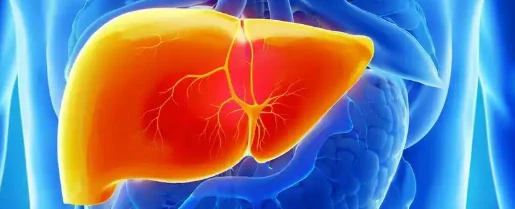
Hepatic fat breakdown chemicals regulate glucose.Fatty livers are linked to insulin resistance via high cell cholesterol. It reduces lipogenesis and increases fatty acid oxidation to help the liver shed fat. Normalising hepatic fat metabolism eliminates a significant insulin issue. It simplifies glucose and fat synthesis.
Pancreatic Beta Cell Function Support
People talk about insulin sensitivity, but pancreatic beta cell activity is just as important for glucose use. This cell type measures blood glucose and releases insulin as needed. Long-term metabolic stress and insulin resistance may kill beta cells. A new research suggests that blocking NNMT may indirectly help beta cells by increasing metabolism.
Increased peripheral insulin sensitivity reduces beta cell burden by producing less insulin to maintain blood sugar levels. Reduced pressure may prolong beta cells. Optimal metabolic health lowers oxidant stress and inflammation, protecting beta cells. Low levels of free fatty acids and inflammatory cytokines minimise beta cell stress.
The5 amino 1mq peptide injection may stabilise glucose levels via aiding metabolism. Low insulin levels improve insulin sensitivity, simplifying blood sugar control. The insulin spike before beta cells run out of energy is reduced. Over time, the chemical may indirectly safeguard beta cell activity, boosting metabolism.
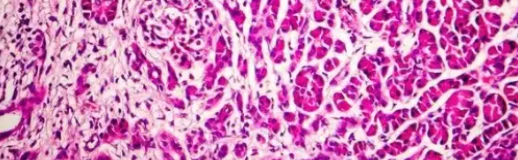

How Does 5 Amino 1MQ Peptide Injection Affect Metabolic Flexibility?
Substrate Utilisation Switching Capacity
Cells and tissues can swiftly and efficiently switch food sources depending on availability and metabolism. Healthy metabolisms may flip from burning carbohydrates when hungry to fat storage when not eating and exercising out. Metabolic issues prevent these cells from changing. They typically get "locked" into utilising glucose first instead of fat, even though fat burning is healthier.
The 5 amino 1mq peptide injection seems to improve metabolic flexibility in many ways. The chemical increases NAD+ and activates SIRT1 and AMPK. This produces more fatty acid-degrading genes. Many essential enzymes activate following therapy. These include CPT1, which transports fatty acids to mitochondria for burning. In low glucose or energy-demand situations, this helps cells burn fat faster.
The medication also improves glucose-burning mechanisms. After mitochondrial function improves, the citric acid cycle and electron transport chain may burn all glucose. This thorough oxidation produces the greatest ATP and the least lactate and other metabolic waste. Incomplete glucose oxidation produces these wastes. Cell metabolism is free when glucose and fatty acids are effectively used.
The consumed fuel substrates are shown. Drug users used substrates better, according to respiratory quotient researchers. They burn more fat while idle or doing anything simple. They swiftly switch to glucose metabolism after meals or intense exercise. This fuel change indicates metabolic flexibility. Flexibility indicates a healthy metabolism, which is closely linked to insulin sensitivity.

Exercise Response and Energy Utilisation
Understanding how the chemical affects metabolic flexibility and exercise is critical. Physical activity raises metabolic demands, therefore energy reserves must be used effectively. Flexible metabolisms may handle more stress and recover faster. Drug users are more energised. They may burn more fat with long workouts.
Regular exercise boosts metabolism because chemicals change cell energy production. Muscles need additional mitochondria to produce energy. This lets you work out harder before the anaerobic barrier, when lactate levels rise and performance drops. Better mitochondrial activity speeds up exercise recovery by replenishing energy and eliminating metabolic waste.
Interesting that5 amino 1mq peptide injections improve with exercising. This medication enhances metabolism and mitochondrial growth from exercise. Sometimes two treatments work better. Combine these therapy to increase exercise, insulin sensitivity, and shape. Because they increase metabolic health together, medication and exercise help.
Adaptive Thermogenesis and Energy Expenditure
Metabolically flexible persons change energy use by food and location. Adaptive thermogenesis maintains metabolism. Heat improves weight loss. To facilitate this process, brown and white "browning" adipose tissue expresses UCP1. This protein creates mitochondrial heat instead of ATP.
It seems quitting NNMT may impair cooling systems. PGC-1α is crucial for mitochondrial biogenesis and controls thermogenic gene expression. NAD+ and SIRT1 activation may enhance production. UCP1 and other thermogenic proteins may benefit from enhanced PGC-1α activity in fatty tissue. This may represent daily energy use. This explains why studies show it aids weight loss.
Chemicals change energy use beyond thermogenesis. Energy required for essential biological processes grow with tissue mitochondrial activity. Because the system works. Better ATP-using processes like protein synthesis and ion transport increase resting metabolic rate. Adjusting energy use and efficiency doesn't affect metabolism. It simplifies weight and form control.
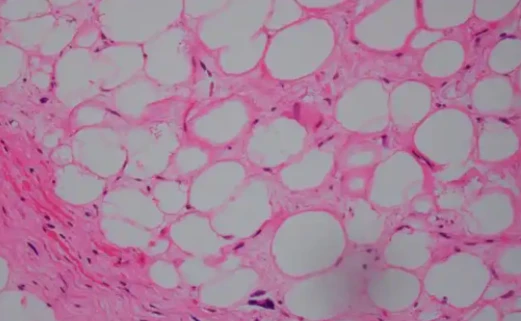

NNMT Inhibition and Insulin Sensitivity Research
Mechanistic Studies in Metabolic Models
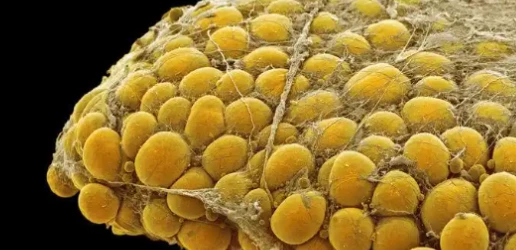
Researchers have employed metabolic model studies to understand the relationship between NNMT reduction and insulin sensitivity. In developed adipocytes, reducing NNMT expression or activity increases NAD+ levels and improves glucose use when insulin is released. Scientists can examine chemical routes in a controlled setting with cells, which is difficult with full animals.
Scientists altered adipocyte genes to reduce NNMT. More insulin receptor substrate proteins were phosphorylated and signalling molecules like AKT were activated. They are in the midst of the insulin signalling chain that shifts GLUT4 and allows glucose in. Still the same number of insulin sensors, but improved connectivity. Insulin communication improves when NNMT is inhibited.
Animal studies have shown us how discontinuing NNMT affects insulin sensitivity. High-fat diets cause insulin resistance, which5 amino 1mq peptide injections cure. Studies employing food-induced obesity models indicate this. Insulin-treated animals require more glucose to maintain insulin levels. Insulin sensitivity testing is best done using these investigations. Basically, insulin functions better in the body.
Temporal Dynamics of Metabolic Improvements
How long biochemical changes occur when NNMT is decreased is crucial to understanding them. Therapy improves adipose tissue NAD+ and insulin communication within days. These rapid changes show that cell metabolism may be directly influenced without changing body architecture or composition.
Along with small weight and fat changes over weeks, insulin sensitivity rises. The metabolic profile-beneficial gene expression patterns change. Less inflammatory markers and more fat-burning and mitochondria-activating genes are in adipose tissue.

These transcription alterations show the drug may affect cell function.
Months of therapy may modify cell structure to assist metabolism. When fat changes, inflammatory cells decrease and adipocytes become insulin-sensitive. Muscle tissue contains more mitochondria and capillaries, making glucose absorption and use simpler. Due to structural changes, metabolic advantages may persist following treatment.
Comparative Analysis With Other Metabolic Interventions
Comparing 5 amino 1mq peptide injection to other insulin-boosting techniques may enhance its use.
Exercise and diet are still the best insulin-boosting methods. Patients lose weight, reduce inflammation, and increase mitochondria function with their help. Some processes of the drug resemble exercise. These methods involve AMPK and PGC-1α.Metformin and others boost insulin. This drug stimulates AMPK and changes mitochondrial energy use. Thiazolidinediones primarily enhance insulin sensitivity in adipose tissue via activating PPAR-γ. Chemicals eliminate NNMT to boost NAD+ use. This novel approach alters various pathways. This unique method changes insulin and energy use, which may be helpful.
Without further treatments, the medication works. Synergistic effects combine. Thus, there are intriguing ways to combine the best metabolism-boosting methods. Understanding therapy combinations may assist control insulin resistance and metabolic problems.

Metabolic Health Opportunities With 5 Amino 1MQ Peptide Injection

Applications in Weight Management Programs
Insulin-sensitive persons and dieters are connected. Insulin resistance is common in obese people. Because fat is easy to store and difficult to transfer, this makes weight loss tougher. Better insulin can break this cycle. This helps you reach and maintain a healthy weight. The5 amino 1mq peptide injection may aid weight loss in a larger strategy.
The medicine may help patients lose weight in many ways, according to a research. The body must utilise fatty acids more effectively to acquire more energy from fat storage. Making your body insulin-sensitive will reduce its desire to retain additional calories as fat. If thermogenesis and mitochondrial activity improve, energy usage may increase, worsening the negative energy balance. The chemical may help battle obesity due to these actions.
The chemical seems to be healthy since it aids fat loss and lean muscle growth. This tendency boosts metabolism and insulin efficiency. Long-term weight reduction techniques that maintain muscle mass perform better and create fewer metabolic changes that make it tougher to maintain weight loss. Muscles may rest due to chemical mechanisms that support mitochondria and protein creation.
Supporting Metabolic Syndrome Management
Metabolism and associated diseases raise heart disease risk. Problems include obesity, excessive blood sugar or pressure, and abnormal fat. Several apparently unrelated diseases are linked to diabetes and insulin resistance. Many metabolic syndrome symptoms improve with insulin function.


Researchers found many metabolic syndrome consequences from stopping NNMT. Insulin, glucose, and cholesterol levels improve with the drug. As HDL cholesterol increases and triglycerides decrease, metabolism improves.The liver may generate lipid changes by producing less fat and being more insulin-sensitive. Both contribute to dyslipidaemia.
Strength may lower inflammation, which is good for the heart. Chronic low-grade inflammation is common in metabolic syndrome and heart disease. The chemical lowers adipose tissue inflammation and helps adipokines leave cells, which may alleviate metabolic failure. This widespread drop in inflammatory tone may explain why metabolic markers outside glucose and cholesterol are improving.
Research Directions and Translational Potential
We know nothing about5 amino 1mq peptide injection in humans. Before clinical use, safety profiles, appropriate dosing regimens, and long-term performance in multiple groups must be evaluated. The innovative combination affects NNMT approach is fascinating and merits more study.
To find the best safety-efficiency balance, study dose-response testing. Knowing how responses differ from person to person is important since genes may affect NNMT expression, metabolism, and pharmaceutical therapy. NAD+ metabolism in ageing diseases may be a better use than metabolic health.
Consider the drug's interactions. Combining exercise and metabolic medicines may provide new benefits. Other metabolic treatments enhance exercise benefits. Knowing how the chemical interacts with diabetes or weight loss drugs will help physicians build better therapies. This study guide will help us understand how this novel drug fits into emerging metabolic health therapy.

Conclusion
By looking at the link between 5 amino 1mq peptide injection and insulin sensitivity, it shows how the substance changes the way cells use energy in important ways. This small enzyme starts a number of processes that help the body use glucose efficiently, make the metabolism more flexible, and boost energy efficiency. This is done by stopping NNMT and letting more NAD+ pass through. A lot of different kinds of animals have seen improvements in how insulin works, how glucose is taken in, and how sensitive the body is to insulin.
This thing not only lowers blood sugar, but it also helps digestion in many different ways. Better mitochondrial function, less inflammation, a better body structure, and changes in fat metabolism are all signs of a healthy metabolic profile. Because it has so many benefits, it may help people who are insulin-resistant, lose weight, and improve their digestive health in general.
The research base is strong, but more work needs to be done to figure out how these findings can be used to make people healthier. With a new process that works with current methods, the material gives people with metabolic health problems a new way to deal with their issues. As we learn more about NNMT biology and NAD+ metabolism, it becomes clearer how this chemical might help with insulin sensitivity and metabolic health.
FAQ
Q: Please let me know how quickly the 5 amino 1mq peptide injection changes how insulin works in the body.
+
-
Time evolves gradually. Some cellular NAD+ and insulin signals may improve a few days following therapy. However, insulin sensitivity alterations normally take weeks to appear across the body. In metabolic models, insulin resistance parameters alter significantly after 4–8 weeks of daily therapy. The initial metabolism determines the temporal course. People with severe insulin resistance may require prolonged treatment for optimum results. With greater cell and biochemical changes, the drug appears to affect insulin sensitivity more.
Q: What makes the 5 amino 1mq peptide injection different from other diabetes drugs?
+
-
This molecule works differently from most diabetic drugs. It doesn't immediately elevate insulin levels or sensitise tissues like sulfonylureas and metformin. It increases NAD+ in cells via NNMT. This upstream metabolic activity activates many pathways simultaneously with SIRT1 and AMPK signals. This improves insulin response. The procedure may work better with different methods, although few research have examined them. It also affects your appearance and energy levels, unlike other blood sugar-lowering medicines.
Q: Am I more likely to be able to use insulin for a long time after getting a 5 amino 1mq peptide injection?
+
-
There is evidence that metabolic alterations may persist following medication discontinuation. Some alterations may persist throughout therapy. Chemical changes improve tissue structure, mitochondria production, and fatty tissue quality. It may improve metabolic health. Take the medicine alongside lifestyle modifications like exercise for longer results. Because they increase metabolic alterations. We need long-term human trials to determine how long insulin sensitivity gains persist.

Looking for a Reliable 5 Amino 1MQ Peptide Injection Supplier?
People know they can trust BLOOM TECH to help them get good drugs for metabolic tests. We have been making organic compounds for over 12 years and work with 24 of the biggest pharmaceutical companies and study groups in the world. We are an approved provider of 5 amino 1mq peptide injection shots. Our plants are GMP-certified, which means they follow the rules set by the US FDA, the EU, Japan, and China. In other words, the things you use for your study will be the best possible.
BLOOM TECH is different because we have a strict quality assurance system with three levels of testing methods, and we stick to clear, fixed-margin pricing that makes it easy to get expensive chemicals. People from other countries find it easy to get their goods through customs because we give them true wait times and complete paperwork. We can help you with every part of your project, whether it's about metabolism, making new medicines, or finding out what strange chemicals can be used for.
We can help you with your5 amino 1mq peptide injection needs right away. Email us atSales@bloomtechz.com. For synthesis, we can make solutions just for you. Our prices are comparable to those in China, and you can rest easy knowing that our production is safe and legal. This will help you study more quickly by giving you good materials and great service from BLOOM TECH.
References
1. Kraus D, Yang Q, Kong D, et al. Nicotinamide N-methyltransferase knockdown protects against diet-induced obesity. Nature. 2014;508(7495):258-262.
2. Komatsu M, Kanda T, Urai H, et al. NNMT activation can contribute to the development of fatty liver disease by modulating the NAD+ metabolism. Scientific Reports. 2018;8(1):8637-8649.
3. Aksoy S, Szumlanski CL, Weinshilboum RM. Human liver nicotinamide N-methyltransferase: cDNA cloning, expression, and biochemical characterization. Journal of Biological Chemistry. 1994;269(20):14835-14840.
4. Campagna R, Mateuszuk L, Wojnar-Lason K, et al. Nicotinami