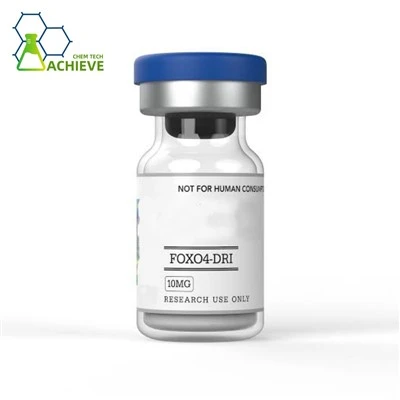
The field of metabolic health has changed a lot, especially when it comes to peptide-based medicines that are meant to solve complicated bodily problems. When it comes to new chemicals, Bioglutide NA-931 peptide stands out as a unique molecular entity that works with multiple receptors and uses new transport methods. Using peptide chemistry to affect multiple physiological processes at the same time, this therapeutic option is a complex way to control metabolism. Figuring out how this compound works, what it could be used for, and how it might grow in the future is important for planning the next generation of metabolic treatment. Bioglutide NA-931 peptide has gotten a lot of attention because of its unique chemical structure and biological activity profile. This is because research institutions and drug companies are looking into more advanced metabolism regulators. The substance shows promising features that set it apart from traditional single-target methods. It provides a more complete way to deal with metabolic dysregulation. This piece talks about how this new peptide works, what it can be used for, and how it might help with growth.

Bioglutide NA-931
1.General Specification(in stock)
(1)API(Pure powder)
(2)Tablets
(3)Capsules
2.Customization:
We will negotiate individually, OEM/ODM, No brand, for secience researching only.
Internal Code: KP-2-6/002
Bioglutide NA-931
Manufacturer: BLOOM TECH Wuxi Factory
Analysis: HPLC, LC-MS, HNMR
Main market: USA, Australia, Brazil, Japan, Germany, Indonesia, UK, New Zealand , Canada etc.
Technology support: R&D Dept.-4
We provide Bioglutide NA-931, please refer to the following website for detailed specifications and product information.
Product:https://www.kpeptide.com/bodybuilding-peptide/bioglutide-na-931.html

Why Is Bioglutide NA-931 Peptide Considered a Next-Generation Metabolic Regulator?
Usually, traditional metabolic treatments focus on specific pathways or receptors, which might make them less effective overall. Bioglutide NA-931 peptide is a big deal because it works with multiple receptor systems at the same time, causing a synergistic effect that tackles metabolic problems from different directions. This molecule can affect glucose homeostasis, lipid metabolism, and energy expenditure through linked biological processes because it targets more than one thing.
The peptide's molecular structure is made up of carefully chosen patterns of amino acids that allow it to connect with a number of important metabolic receptors. Because of its complex structure, the compound can start communication chains that work with each other instead of by themselves. According to research, this kind of multi-receptor engagement may have more stable metabolic effects than single-pathway interventions, which could lead to better effectiveness profiles.
Bioglutide NA-931 peptide works with multiple receptors and also has good metabolic qualities that make it more useful in real life. The substance is stable, which means it has longer biological activity, which means it doesn't need to be dosed as often. These traits come from specific changes made to the molecules that keep the peptide from breaking down quickly by enzymes while keeping its biological effectiveness. This balance between action and stability is a big step forward in the building of peptide therapies.
The creation of the compound shows how much we know about metabolic physiology today, where complicated paths need just as complex treatments. Bioglutide NA-931 peptide provides a more complete answer that fits the complex nature of metabolic disorders by focusing on multiple areas of metabolic regulation at the same time. With this systems-level method, the substance could become a game-changing tool for managing metabolic health.

Multi-Receptor Signaling Network Behind Bioglutide NA-931 Peptide Function
Dual Agonism and Receptor Selectivity Patterns
What Bioglutide NA-931 peptide does is depend on its capacity to trigger various receptor groups in the incretin hormone family. The chemical selectively binds to and blocks GLP-1 and GIP receptors, which are two important parts of controlling metabolism. This two-part activation pattern sets off parallel signaling effects that boost insulin production in response to glucose while also changing the release of glucagon. The receptor specificity profile has been improved by making changes to the structure that make the activity level even across both types of receptors.

Bioglutide NA-931 peptide activates the GLP-1 receptor, which starts intracellular signaling pathways that involve protein kinase A activity and an increase in cyclic AMP. These routes improve the performance of pancreatic beta cells and help make insulin. At the same time, activating GIP receptors helps control cholesterol metabolism and promotes bone health. When these two receptor pathways work together, they have metabolic effects that are stronger than what either receptor activity could do on its own.
Looking into how the substance binds to receptors shows interesting patterns of separation that affect how long the effect lasts. The peptide stays in receptors for longer, so biological communication continues even when plasma amounts drop. It's possible that this physiological feature could lead to less frequent dosing schedules and longer-lasting metabolic benefits. Understanding how these receptors work with each other gives us a better idea of how useful the chemical might be as a medicine.

Signaling Pathway Integration and Downstream Effects

Bioglutide NA-931 peptide starts complex signaling networks that change cellular processes at many levels as soon as the receptor is activated. The chemical changes the way genes are expressed in ways that affect how glucose is transported, how fats are made, and how energy is used. These changes in transcription lead to long-lasting biochemical changes that go beyond the short-term effects of activating receptors. Putting together several signaling routes makes cells respond in a coordinated way that improves metabolic performance.
The peptide sets off intracellular signaling that includes the activation of the PI3K/Akt pathways. These pathways are very important for taking in glucose and making glycogen. Changing the MAPK pathway also helps cells grow and sends messages for survival in tissues that are metabolically busy. The compound's ability to connect these different signaling networks shows that it has complex biological effects that work on metabolic health from several different directions at the same time.


The metabolic effects of this complicated signaling combination are better clearance of glucose, better insulin sensitivity, and better handling of lipids. Multiple organ systems, such as the thyroid, liver, adipose tissue, and skeletal muscle, work together to make these results happen. Bioglutide NA-931 peptide activity is systemic, which shows its multi-receptor engagement approach and sets it apart from more focused treatment.

How Does Bioglutide NA-931 Peptide Influence Appetite, Energy Use, and Satiety Pathways?
Through activating receptors in the central nervous system, the substance has big effects on controlling hunger. The Bioglutide NA-931 peptide gets into the brain from the blood and works with receptors in the hypothalamus, which regulates appetite.
This central action lowers food intake by making signals of fullness stronger and signals of hunger weaker. The process includes changing the expression patterns of neuropeptides that control hunger, which makes the body want to eat fewer calories.
Bioglutide NA-931 peptide also reduces hunger by sending fullness cues to the brain and other parts of the body. The chemical slows down the emptying of the stomach, which makes you feel full for longer after a meal.
This technical part works with the effects on the central nervous system to make a more complete way to control hunger. When central and peripheral acts work together, they have strong effects on food intake that help metabolic health goals.
The peptide also affects another part of metabolic control, which is energy consumption. Bioglutide NA-931 peptide raises thermogenesis in brown fat, which means it burns more calories even when you're not doing anything.
This effect happens because biochemical pathways are turned on, which separates oxidative phosphorylation and turns stored energy into heat instead of ATP.
Using more energy helps keep your metabolism in balance and helps you reach your weight management goals in ways other than just reducing your hunger.

Oral Delivery Innovation and Systemic Bioactivity of Bioglutide NA-931 Peptide
Peptide medicines usually have a hard time getting into the body because enzymes break them down in the digestive system and the membranes don't let them pass through easily. Bioglutide NA-931 peptide gets around these problems by using new ways to formulate it that make it more bioavailable when taken by mouth. The substance has absorption enhancers that briefly make the intestines more permeable, which lets the peptide get into the bloodstream. This oral release option is a big improvement over injectable peptide formulas. It makes treatment easier for patients and helps them stick with it.


Co-formulation with particular excipients that affect tight junction proteins in intestine epithelial cells is the absorption increase strategy used with Bioglutide NA-931 peptide. These additives temporarily boost paracellular movement without breaking down barriers in a way that lasts. Because this permeability increase can be undone, it keeps the structure of the intestines while letting peptides pass through. This balanced method makes oral delivery work well without hurting digestive health.
Once the peptide is absorbed, it is spread throughout the body so that it can connect with specific receptors. Pharmacokinetic tests show concentration-time patterns that are in line with how well the drug works as a medicine, with enough of the drug staying in the blood to keep the receptors activated. The systemic bioactivity after oral injection supports the transport method and proves that the peptide keeps its biological function even after passing through the digestive system. This successful oral delivery is a big step forward in the development of peptide therapies.
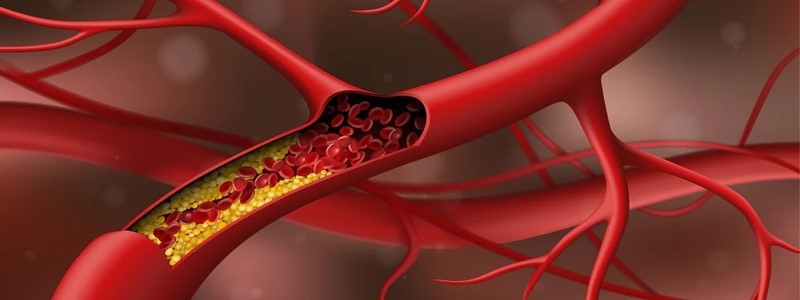
Future Development Directions and Multi-Pathway Optimization of Bioglutide NA-931 Peptide

Bioglutide NA-931 peptide is still being studied to find molecular changes that might make it even more active. Scientists are looking into changing amino acids to see if they can make receptors more selective or make the effects last longer. The goal of these studies on the structure-activity link is to find molecular variants that have the best pharmacological qualities. The systematic exploration of chemical space around the current peptide structure could yield next-generation compounds with superior characteristics.Combination methods are another potential way for progress to be made. Bioglutide NA-931 peptide may have more powerful benefits when combined with other metabolic approaches, which can lead to more complete treatment plans. Combinations with drugs that work on different pathways,
like SGLT2 inhibitors or metabolism modulators, are being looked into.The goal of these mix studies is to find the best treatment plans for metabolism while still being safe.Applications that use personalized medicine offer more chances to grow. Understanding how peptide responses vary from person to person could lead to personalized dosing plans that improve results for certain groups of patients. Pharmacogenomic study looks into the genetic factors that affect how well and how well Bioglutide NA-931 peptide works. This method to precision medicine could improve clinical uses and help find the groups that are most likely to benefit from metabolic treatments based on peptides.


Conclusion
Bioglutide NA-931 peptide is a new way to control metabolism because it works on multiple receptors and is easy to take by mouth. The compound's ability to affect several physiological pathways at once makes it a possibly game-changing metabolic health control tool. Understanding how it works, what it can be used for, and how it has changed over time gives us a good picture of how peptide therapies have changed over time.
Bioglutide NA-931 peptide's multi-receptor signaling method is better at dealing with the complicated and interconnected nature of metabolic control than single-target approaches. This systems-level strategy fits with what we know now about metabolic physiology and has a lot of promise for helping people with difficult metabolic diseases. As more study is done to improve the compound's qualities and find new uses for it, Bioglutide NA-931 peptide may make a big difference in the therapeutic arsenal for metabolic health.
In the future, scientists will probably work on improving the structure of the peptide, looking into combining treatments, and finding the groups of people who gain the most. It is now possible for molecules like Bioglutide NA-931 peptide to reach their full potential because peptide medicinal technology is still improving and we know more about metabolic pathways. This interesting potential medicine is an example of the new ideas that are being created where peptide chemistry, metabolic science, and pharmaceutical development meet.
FAQ
What distinguishes Bioglutide NA-931 peptide from traditional metabolic regulators?
Bioglutide NA-931 peptide is different from other methods because it activates multiple receptors at once. Instead of focusing on just one route, the molecule interacts with several receptor systems at the same time, producing metabolic effects that work better together. The peptide also uses new oral transport technology that gets around the problems that have traditionally plagued peptide therapies. This makes dosing easier because no injections are needed.
How does the oral delivery system for Bioglutide NA-931 peptide work?
Bioglutide NA-931 peptide is taken by mouth using special ingredients in the mixture that briefly make the intestines more permeable. These absorption boosters change the way tight junction proteins work, which lets peptides get through the gut barrier and into the bloodstream. It's possible to reverse the increase effect, which keeps the digestive system healthy and lets the peptides be absorbed properly. This new system is a big step forward in how peptides are delivered.
What are the primary metabolic pathways affected by Bioglutide NA-931 peptide?
The peptide affects many metabolic processes by activating both GLP-1 and GIP receptors. Some of the main results are better insulin sensitivity, more glucose-dependent insulin release, better lipid metabolism, and more energy use through thermogenesis. Bioglutide NA-931 peptide also changes the control of appetite through both central and peripheral processes, which leads to a complete metabolic change in many organ systems.
Partner with BLOOM TECH as Your Trusted Bioglutide NA-931 Peptide Supplier
As metabolic peptide research and development moves forward, it becomes important to find dependable sources for high-purity molecules. BLOOM TECH is a professional company that can supply you with Bioglutide NA-931 peptide. They have GMP-certified factories that are cleared by the US-FDA, EU, and CFDA and offer high quality standards. Our 12 years of experience in organic synthesis and pharmaceutical intermediates means that you will get goods that are at least 98% pure, come with full analytical paperwork, and follow all the rules set by regulators.
Whether you work for a biotechnology research organization, a pharmaceutical company, or a contract manufacturing organization (CMO), our team can help you with everything you need. We offer clear prices, a variety of packing options, and reliable supply chain management. We know how important it is for your research and development projects to have consistent batches and a lot of thorough analysis data. Our triple-layer quality control system and long-term partnerships with qualified providers make sure that every package meets the strictest international standards.
Get in touch with our technical experts right away to talk about your Bioglutide NA-931 peptide needs, get full product details, and find out how our unique solutions can help you reach your study goals faster. Get in touch with us at Sales@bloomtechz.com to start a relationship based on quality, dependability, and scientific excellence.
References
1. Müller TD, Finan B, Bloom SR, et al. GLP-1 receptor agonists and GIP receptor agonists in the treatment of metabolic disease. Nature Reviews Endocrinology. 2019;15(10):558-572.
2. Holst JJ, Rosenkilde MM. GIP as a therapeutic target in diabetes and obesity: insight from incretin co-agonists. Journal of Clinical Endocrinology & Metabolism. 2020;105(8):e2710-e2716.
3. Nauck MA, Meier JJ. Multi-receptor agonism in metabolic disease: therapeutic potential of peptide-based therapeutics. Diabetes, Obesity and Metabolism. 2021;23(Suppl 2):12-24.
4. Tschöp MH, DiMarchi RD. Next-generation peptide therapeutics: multi-agonist approaches for metabolic disorders. Trends in Pharmacological Sciences. 2020;41(4):245-257.
5. Buckley ST, Bækdal TA, Vegge A, et al. Oral delivery of peptide therapeutics: advances in absorption enhancement technologies. Advanced Drug Delivery Reviews. 2018;106(Part B):223-241.
6. Drucker DJ. Advances in oral peptide therapeutics for metabolic regulation. Nature Reviews Drug Discovery. 2020;19(4):277-289.