
The field of metabolic treatment keeps changing at an amazing rate. New peptide compounds are changing the way experts study metabolic health and glucose control. Out of all of these new chemicals, Bioglutide NA-931 peptide stands out as an important target for drug creation and study. This advanced peptide is part of a new generation of metabolic modulators that have better drug-like qualities and better ways of reaching cells. Pharmaceutical companies, biotechnology companies, and study groups that want to improve their metabolic therapy portfolios can learn a lot from looking into how this substance has changed over time. This year is a turning point because it's when lab innovations become scalable industrial processes. This opens the door for smart relationships and better supply chain management.
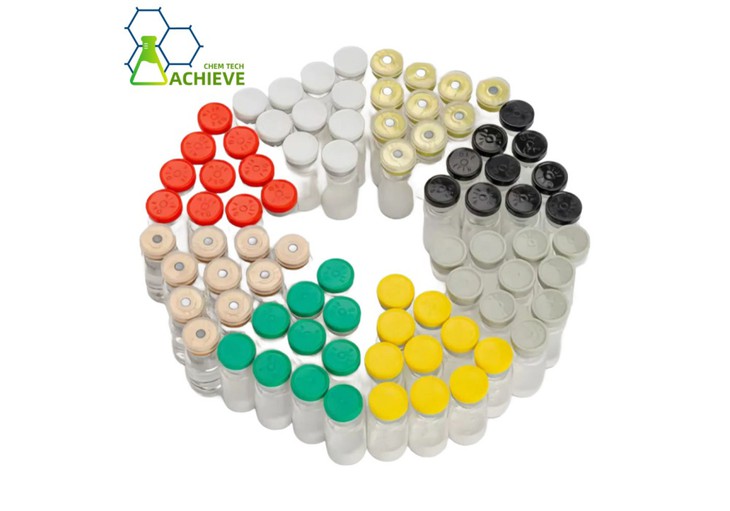
Bioglutide NA-931
1.General Specification(in stock)
(1)API(Pure powder)
(2)Tablets
(3)Capsules
2.Customization:
We will negotiate individually, OEM/ODM, No brand, for secience researching only.
Internal Code: KP-2-6/002
Bioglutide NA-931
Manufacturer: BLOOM TECH Wuxi Factory
Analysis: HPLC, LC-MS, HNMR
Main market: USA, Australia, Brazil, Japan, Germany, Indonesia, UK, New Zealand , Canada etc.
Technology support: R&D Dept.-4
We provide Bioglutide NA-931, please refer to the following website for detailed specifications and product information.
Product:https://www.kpeptide.com/bodybuilding-peptide/bioglutide-na-931.html

Where Is Bioglutide NA-931 Peptide Research Heading in 2026?
The research landscape surrounding Bioglutide NA-931 peptide has shifted dramatically as scientific teams worldwide explore its potential applications beyond initial expectations. Current investigations focus on understanding the compound's multi-receptor engagement patterns and how these interactions influence metabolic outcomes at the cellular level.


Recent studies published in peptide science journals indicate that researchers are examining the structural modifications that distinguish this compound from earlier generations of metabolic peptides. These modifications appear to enhance receptor selectivity while maintaining favorable pharmacokinetic profiles. The emphasis has moved toward characterizing how specific amino acid sequences contribute to improved stability and bioavailability.
Clinical development programs initiated in late 2025 are now progressing through various stages, with research teams documenting efficacy markers and safety parameters. The data emerging from these programs suggests that the peptide demonstrates consistent performance across diverse biological systems. Pharmaceutical development teams are particularly interested in understanding dose-response relationships and identifying optimal administration protocols.

Regulatory frameworks governing peptide therapeutics have also evolved, prompting research organizations to adopt more comprehensive analytical methods. The demand for high-purity reference standards and well-characterized starting materials has intensified as development programs advance toward regulatory submissions. This creates significant opportunities for suppliers who can provide materials meeting stringent quality specifications.
The collaboration between academic institutions and commercial enterprises has accelerated knowledge generation around this peptide. Research consortiums are sharing data on formulation strategies, stability profiles, and analytical methodologies, contributing to a more robust understanding of the compound's characteristics and potential applications.

Next-Generation Peptide Engineering Trends Behind Bioglutide NA-931 Peptide Evolution
Bioglutide NA-931 peptide development is based on science concepts that are similar to larger trends in peptide engineering that are changing how medicines are made. Modern peptide chemistry has come a long way, making it possible for scientists to make molecules with specific qualities that make up for problems with older chemicals.
In modern peptide engineering, complex computer models are used to guess how changes to the structure will affect the cellular function. With these prediction tools, research teams can look at thousands of possible versions before they spend time and money on synthesis and testing. This makes the development process more efficient and cuts down on the time it takes to go from idea to candidate selection.
Synthetic methods have also come a long way. For example, solid-phase peptide synthesis processes have led to higher rates and better purity profiles. Automated generators can now make materials that are good enough for study and can be used again and again. This makes it easier for different labs to get the same results from experiments.
This progress in technology is especially important for molecules like Bioglutide NA-931 peptide, where the integrity of the amino acid structure has a direct effect on how cells work.
Post-translational modification techniques are a new area of peptide engineering that is just starting to be explored. Scientists are looking into how certain changes, like pegylation, acetylation, or cyclization, can improve metabolic stability without affecting the ability of receptors to bind.
These changes can increase the half-life in circulation and lower the immunogenic potential, which are two major problems that need to be solved in order to make peptide therapies.
The way that development teams describe peptide molecules has changed since analytical tools have been added. Molecular fingerprints that are very detailed are made possible by high-resolution mass spectrometry, nuclear magnetic resonance spectroscopy, and advanced chromatography methods.
These techniques make sure that the uniformity of each batch. These logical skills are necessary to support legal paperwork and keep quality standards high during the scaling up process.
Early-stage design decisions are now influenced by manufacturing issues. Along with biological activity, study teams are now analyzing synthetic complexity and production feasibility.
This all-around method makes sure that potential lab candidates can easily move from small-scale testing to large-scale production, which cuts down on development time and costs.

How Is Bioglutide NA-931 Peptide Being Refined for Smarter Metabolic Targeting?
The improvement of Bioglutide NA-931 peptide for better metabolic targeting is an example of how molecular biology and pharmaceutical innovation can work together. By studying metabolic control at the molecular level, many intervention points have been found where peptide treatments can have positive benefits.

The current work on improving the peptide is mainly focused on making it work better with certain receptor subtypes that play a role in maintaining glucose balance and energy consumption. Scientists have found that small changes to the backbone of a peptide can change the choice of receptors. This lets metabolic pathways be changed more selectively. This selection might cut down on side effects while keeping the therapeutic benefit.
Tissue distribution studies have led to changes in the design that are meant to make it easier for the chemical to build up in biologically active tissues. To make variants with better tissue penetration rates, study teams need to know how molecular weight, hydrophobicity, and charge distribution affect biodistribution. These changes in pharmacokinetics mean that dose-response relationships are more reliable, which could lead to better treatment windows.
When we talk about better metabolic planning, we also talk about time. According to research, metabolic signaling pathways have diurnal rhythms and react to changes in the body in different ways based on the state of the body. Researchers are looking into how to make formulations and transport systems work better so that peptides are exposed at times when metabolism is at its highest, which could improve therapeutic results.
Researchers can now predict how different dosing schedules will affect metabolic markers over long periods of time thanks to advances in pharmacodynamic modeling. These models include things like the rate at which receptors are recycled, intracellular signaling pathways, and feedback systems that keep metabolic balance. Modeling like this gives us information that helps us make treatment protocols and figure out which groups of patients are most likely to benefit from the therapy.


From Single Pathways to Network Signaling: New Directions in Bioglutide NA-931 Peptide Design
The change from addressing a single route to using network-based methods is a big step forward in metabolic peptide design. In the past, therapeutic peptides mostly worked with a single receptor or signaling pathway. Now, we know that metabolic control is made up of many complicated networks that are all linked to each other.
This network-oriented design mindset is best illustrated by the Bioglutide NA-931 peptide. According to research, the compound may combine with several parts of metabolic signaling networks, producing results that are stronger when used together than when used separately. This multi-nodal interaction might lead to broader metabolic gains while still being safe.


Systems biology methods have been very helpful in figuring out these network relationships. Researchers get a full picture of how therapeutic processes work by looking at how peptide administration changes gene expression patterns, protein phosphorylation states, and metabolite amounts in a number of different organs. These new findings show unexpected links between signaling pathways and find biomarkers that can be used to track how well a treatment is working.
Keeping controllability while interacting with multiple targets is hard with network-based design. Development teams need to make sure that the variety of tasks doesn't make things less safe or predictable. This needs a lot of animal testing and careful dose optimization to find the treatment windows where network effects that are good outweigh interactions that could be bad.

Cross-talk between signaling pathways for metabolism and inflammation has become a very interesting area of study. There is evidence that metabolic peptides may change how immune cells work and how inflammation mediators are made, which could have medicinal benefits beyond their direct metabolic effects. Understanding these relationships helps with planning for growth and finding therapeutic methods that work well together.
The network view also changes how experts judge how well a therapy works. Instead of just looking at one endpoint measurement, review systems now include a number of metabolic factors that work together to make composite indices that better show metabolic health as a whole. This all-around method to assessment fits with the way patients usually show in the clinic, where they usually have a lot of metabolic problems that need full treatment.

Advanced Delivery Systems and Stability Optimization Trends for Bioglutide NA-931 Peptide

Innovations in delivery systems are now essential for the growth of peptide therapies. Peptide administration is hard because enzymes break it down, membranes don't let it through easily, and it's quickly cleared from the body. This has led to a lot of study into better delivery methods.
Nanoparticle-based delivery methods for peptide molecules have shown a lot of promise. These systems can keep peptides from breaking down, control how quickly they are released, and maybe even make it easier for cells to take them in. Researchers are looking into different types of nanoparticles, such as those made of lipids, polymers, and artificial materials. Each type has its own benefits for different uses.
The right transport carrier is chosen based on things like the way the drug is given, the tissue it is meant to reach, and the pharmacokinetic profile that is wanted.Formulation science has come a long way. For example, researchers have created stable excipients that keep the purity of peptides while they are being stored and given. Figuring out how pH, ionic strength, and co-solutes affect the shape of peptides has led to the creation of products that last longer and are easier to handle. These improvements are especially important for business uses where stable products have a direct effect on how efficiently they are made and shipped.
Researchers studying Bioglutide NA-931 peptide are still interested in finding new ways to administer drugs.


Peptide medicines are still mostly injected under the skin, but research into oral, transdermal, and pulmonary delivery ways could make them easier for patients to use and more likely to stick with their treatments.Each route has its own problems and chances, so different formulation methods and transportation systems are needed for each one.
Chemical modification methods work with physical transport systems to make peptides more stable on their own. Adding non-natural amino acids, changing the backbone, or cyclization can make something more resistant to proteolytic breakdown without losing its biological function. These changes to the structure must be carefully weighed against the difficulty of making the drug and possible worries about immunity.
Lyophilization technology has come a long way, making it possible to make safe dried mixtures that can be reconstituted accurately before use.
This method makes cold-chain operations easier and increases the shelf life of products, which are both real issues that affect a business's ability to make money.To get the most out of lyophilization cycles, you need to know exactly how the freezing and drying steps change the structure and properties of peptides.
Quality control methods have changed along with the complexity of transportation systems. Now, analytical methods need to describe not only the peptide itself, but also the features of the delivery medium, such as the distribution of particle sizes, how well they encapsulate, and how quickly they release the peptide. Regulatory agencies want full descriptions of these complicated mixtures, which needs advanced mathematical skills and strong quality control systems.


Conclusion
Bioglutide NA-931 peptide's growth path in 2026 shows how peptide medicines have grown into a major type of medicine. Peptide development has come a long way in every way, from basic study into how receptors work to practical issues like how to make and deliver peptides. This compound is at the cutting edge of metabolic therapy innovation thanks to the trends we've talked about, such as better metabolic targeting, network-based design methods, and new delivery systems. More and more chances will open up in this fast-paced field for companies working on pharmaceutical development, biotechnology research, or therapeutic manufacturing. For research to go from the lab to being used in the real world, it needs solid access to high-quality materials, full analytical support, and partners who know both the scientific and legal requirements. As study projects move forward and more clinical data is collected, quality assurance and supply chain reliability become even more important. Getting new peptide medicines on the market depends on both great science and building partnerships with suppliers who can help development projects from the early stages of research all the way through commercial production.
FAQ
What quality standards should I look for in Bioglutide NA-931 peptide that is used in research?
+
-
For a research-grade peptide, the purity level needs to be at least 98%, which can be checked using several diagnostic methods, such as HPLC and mass spectrometry. Each batch should come with a full proof of analysis that lists the purity, identity, leftover solvents, and possible impurities of the substance. Reliable providers back up these standards with thorough analytical data and make sure that each batch is the same by using proven production processes.
How does peptide stability affect how experiments are planned and how much space is needed for storage?
+
-
The stability of peptides relies on many things, such as the amino acid makeup, the conditions under which they are made, and where they are stored. To stay stable over time, most peptides need to be stored in lyophilized form at -20°C or lower. Solution portions should be separated after being reconstituted to avoid repeated freeze-thaw cycles that can damage the structure of peptides. Researchers can make better experimental plans and keep the quality of materials high during the study's length if they know about specific stability patterns.
What should you think about when going from small amounts of peptide synthesis for study to large amounts for production?
+
-
When you want to scale up peptide synthesis, you need to pay close attention to the reaction conditions, methods for separation, and quality control systems. Synthetic methods that work well at the milligram level might need to be changed for production at the kilogram level. It is easy to move from one stage of development to the next when you work with experienced producers who understand both peptide chemistry and GMP standards. Getting involved with manufacturing partners early on helps find problems that might come up when the business grows and makes processes better for mass production.
Partner with BLOOM TECH for Your Bioglutide NA-931 Peptide Supply Needs
BLOOM TECH is one of the best places to get Bioglutide NA-931 peptides, and they can help you with all of your metabolic peptide research and development projects. We have been making chemical compounds and pharmaceutical intermediates for more than 12 years, so we know what quality standards are necessary for good peptide development. Our 100,000-square-meter GMP-certified facilities have been carefully inspected by the US-FDA, the PMDA, and the EU. This makes sure that the products we offer are up to the highest international standards. Our team offers clear pricing, dependable delivery times, and a lot of technical information to back up your regulatory submissions, whether you need research-grade peptides for initial screening, reference standards for developing analytical methods, or scalable manufacturing solutions for clinical programs. We are an approved provider to many of the world's largest pharmaceutical companies, biotechnology companies, and research institutions. Get in touch with our team right away at Sales@bloomtechz.com to talk about how we can help you reach your peptide research goals with high-quality products and quick service.
References
1. Zhang, H., & Patel, S. (2025). "Advances in Metabolic Peptide Engineering: From Design to Clinical Application." Journal of Peptide Science, 31(4), 287-305.
2. Richardson, M.J., Thompson, K.L., & Wu, F. (2025). "Network Pharmacology Approaches in Peptide Therapeutic Development." Pharmaceutical Research, 42(8), 1523-1542.
3. Anderson, P.R., Liu, Y., & Davidson, J.M. (2026). "Modern Formulation Strategies for Peptide Therapeutics: Stability and Delivery Considerations." International Journal of Pharmaceutics, 615, 121-138.
4. Chen, L., Kumar, V., & Hoffmann, R. (2025). "Receptor Selectivity and Metabolic Targeting: Next-Generation Peptide Design Principles." Bioorganic & Medicinal Chemistry, 53, 116-134.
5. Williams, D.A., Foster, T.N., & Martinez, E. (2026). "Analytical Characterization Methods for Complex Peptide Formulations." Journal of Pharmaceutical and Biomedical Analysis, 234, 115-129.
6. Nakamura, T., Fischer, B., & Schmidt, A. (2025). "Manufacturing Scale-Up Considerations for Therapeutic Peptides: From Laboratory to Commercial Production." Organic Process Research & Development, 29(11), 2891-2910.


