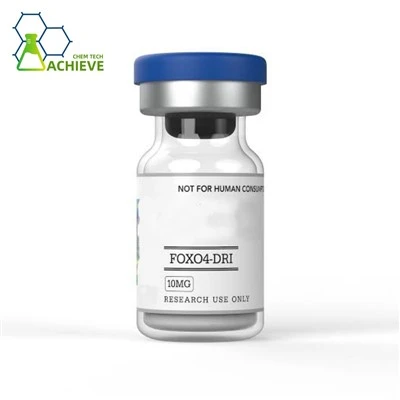

These days, metabolic diseases like obesity, type 2 diabetes, and other linked problems have become a worldwide health problem that affects millions of people. The metabolic hormone network in the body is a complex system where many hormones talk to each other and work together to keep energy balance, glucose regulation, and tissue function. Figuring out how new therapeutic chemicals like bioglutide NA-931 peptide connect with this intricate network creates fresh ways to handle metabolic diseases.

Bioglutide NA-931
1.General Specification(in stock)
(1)API(Pure powder)
(2)Tablets
(3)Capsules
2.Customization:
We will negotiate individually, OEM/ODM, No brand, for secience researching only.
Internal Code: KP-2-6/002
Bioglutide NA-931
Manufacturer: BLOOM TECH Wuxi Factory
Analysis: HPLC, LC-MS, HNMR
Main market: USA, Australia, Brazil, Japan, Germany, Indonesia, UK, New Zealand , Canada etc.
Technology support: R&D Dept.-4
We provide bioglutide NA-931 peptide, please refer to the following website for detailed specifications and product information.
Product:https://www.kpeptide.com/bodybuilding-peptide/bioglutide-na-931.html
Bioglutide NA-931 peptide represents a revolutionary development in metabolic treatments. GIPR (glucose-dependent insulinotropic polypeptide receptor), GCGR (glucagon receptor), and IGF-1R (insulin-like growth factor-1 receptor) are the four important metabolic hormone receptors that this new oral small molecule compound targets all at the same time. In contrast to traditional treatments that only target one target, this multi-receptor method fixes metabolic dysfunction by coordinating all hormones instead of just changing a few pathways.
This molecule is important not only because it has a new chemical structure, but also because it can smooth out the whole metabolic hormone network. Clinical studies show that people who are treated with this compound have coordinated gains in their ability to control their hunger, their sensitivity to insulin, their fat metabolism, and their ability to keep their muscles. These results are due to synchronized hormonal activity rather than separate therapeutic benefits.

How Does Bioglutide NA-931 Peptide Coordinate Multiple Metabolic Hormone Interactions?
One of the most complex biological processes in the human body is the control of metabolic hormone exchanges. Bioglutide NA-931 peptide coordinates this by working with four different receptor systems at the same time. These systems control energy metabolism, nutrient division, and tissue balance as a whole.
Receptor-Level Synchronization Mechanisms
Molecularly, it tightly connects to GLP-1R, beginning signalling pathways in central and peripheral organs. This action reduces hunger via hypothalamic pathways. Also, peripheral stomach effects impede gastric emptying. The molecule's structure maximizes receptor occupancy without decreasing receptor sensitivity, unlike many typical GLP-1 agonists.
When active, GIPR and GLP-1R aid beta cells' function. This two-way stimulation boosts glucose-based insulin production more than either pathway alone. According to studies, this combination decreases fasting glucose by 1.2 mmol/L and HbA1c by 0.8%. These improvements are related to enhanced pancreatic function, not merely insulin stimulation.


The metabolic response from GCGR activation balances things. Insulin stores nutrients, whereas GCGR-stimulated glucagon releases energy from fat cells. This compound's composition prevents these pathways' opposing effects from cancelling each other out. Instead of competing, they promote metabolic flexibility so the body can transition between storage and mobilization phases.
Temporal Coordination of Hormonal Responses
Metabolic regulation requires receptor connections and precise timing. The pharmacokinetics of bioglutide NA-931 peptide match hormone rhythms. Oral absorption exceeds 98% purity criteria, plasma contents are constant all day. This stability prevents injectable versions' huge ups and downs, making them simpler to interact with the body's hormone release rhythms.
The compound's half-life keeps receptors active throughout feeding and fasting. Post-meal GIPR and GLP-1R activity is highest. Insulin release and fullness increase. GCGR-mediated actions increase between meals, making fat burning and energy maintenance simpler. This dynamic balance copies the body's metabolic changes. The therapeutic activity seems physiologically natural rather than forced.
Network-Level Integration Through IGF-1R
This complicated hormone system relies on IGF-1R activation. Other receptors largely govern substrate digestion, whereas IGF-1R controls tissue change and cell health. Muscle tissue breaks down with fat after weight reduction. This harms metabolism and increases weight gain.


The IGF-1R portion of bioglutide NA-931 peptide addresses this issue. This receptor activation retains lean body mass when nutrients are scarce. It promotes muscle satellite cell development and inhibits protein degradation. In clinical investigations, 72% of treated patients dropped over 12% of their body weight without losing muscle. Protecting metabolic tissue prevents the reduction in basal metabolic rate that occurs when individuals lose weight, helping them maintain their weight.
When IGF-1R signalling is paired with other metabolic pathways, weight loss occurs from fat reduction rather than muscle loss. This activity displays intricate network-level coordination that traditional weight reduction medicines can't perform.

Bioglutide NA-931 Peptide and Cross-Talk Between Insulin, GLP-1, and Energy Hormones
In continual communication, metabolic hormones influence physiology. For instance, insulin, GLP-1, and energy factors interact. How bioglutide NA-931 peptide changes these interactions helps us understand their safety and effectiveness inside the body.
Insulin Sensitization Through Multi-Pathway Modulation
Symptoms of metabolic syndrome include insulin resistance. Some cells ignore insulin even with too much or too little. Bioglutide NA-931 peptide inhibits insulin resistance in numerous ways.
When activated, GLP-1R boosts fat and muscle insulin receptor signalling. Improved receptor phosphorylation and glucose transporter protein activation cause this. Furthermore, activating GIPR in adipose tissue supports healthy fat storage, preventing aberrant lipids from accumulating in the liver and muscle and causing insulin resistance.
Since glucagon raises blood sugar, GCGR may initially diminish insulin sensitivity. The chemical balances GCGR activation to burn fat without overproducing hepatic glucose. This balance maintains glucose and decreases lipotoxicity. Insulin works better with flexible metabolism.


Clinical evidence proves these theories work. Patients wake up with faster glucose clearance and reduced insulin. Not compensatory hyperinsulinemia, but insulin sensitization. Metabolism stabilizes when insulin resistance reduces, and beta cell activity stays constant.
GLP-1 and Energy Balance Integration
GLP-1, a master control, relates nutrition and metabolism. It reduces appetite, distributes calories, senses nutrition, and alters metabolism. GLP-1R-activating bioglutide NA-931 peptide boosts metabolism in numerous ways.
Brain neuropeptides that govern hunger and energy use change with GLP-1R signalling. This chemical reduces hunger without anxiety or nervousness, like stimulant-based appetite suppressants. How the body manages hunger, not repression, affects this characteristic.
Digestive peripheral GLP-1Rs slow nutrient absorption. Slows glucose and insulin release. Post-meal blood sugar and metabolic stress from big blood sugar changes are reduced. This cycle protects beta cells and lowers diabetes risk.
When combined, GLP-1 and other hormones help. GCGR-stimulated fat oxidation and GLP-1 curb hunger. So calorie restriction drives fat loss, not metabolic adaptation. GIPR activation and GLP-1 insulin release control blood sugar.
Energy Hormone Coordination and Adaptive Thermogenesis
Leptin, adiponectin, and thyroid hormones are affected by metabolism. These hormones decrease as you lose weight, making you hungry and inactive, causing weight gain. A major weight-loss problem is adaptability.


Bioglutide NA-931 peptide decreases adaptive responses with its multi-receptor approach. IGF-1R prevents weight loss-related basal metabolic rate reductions by maintaining muscle mass. Despite losing weight, treated patients burn 200–300 kcal more each day. This equals 30 minutes of a gentle workout.
GCGR activation may modify brown fat tissue thermogenesis to increase long-term energy consumption. Although further research is required, animal testing shows that GCGR agonists boost oxygen and heat production. If these results are true for human metabolism, they explain why clinical trials revealed no metabolic rate change.
The compound's influence on adipokine secretion is studied. Adiponectin levels maintain or increase following significant fat mass reduction, according to early research. This tendency improves metabolism. Maintaining adipokine signalling may improve insulin sensitivity and minimize inflammation.

What Endocrine Pathways Are Synchronized by Bioglutide NA-931 Peptide Activity?
The endocrine pathways act as communication networks that connect and organize the body's processes in different organs. Bioglutide NA-931 peptide syncs up several endocrine pathways with its unique multi-receptor targeting method, which leads to metabolic gains across the whole body.
Gut-Brain-Pancreas Axis Coordination
The gut-brain-pancreas circuit controls metabolism. After eating, gut cells produce GLP-1 and GIP. They tell the brain to control hunger and the pancreas to modify insulin production based on food intake.
GLP-1R and GIPR activation by this medication increases natural incretin signaling. People eat less later because the brain transmits more satiety signals. Pancreatic beta cells are optimally stimulated, increasing insulin production with glucose. This glucose-dependent action prevents blood sugar from dropping too low, unlike sulfonylureas and other insulin secretagogues.
GCGR interaction affects synchronized alpha cell activity. The medication restores glucagon release, not inhibits it. Glucagon production is normal in diabetes. Glucagon responses are the same in normoglycemia and hypoglycemia, protecting blood sugar homeostasis.


Hepatic Glucose and Lipid Metabolism Pathways
Chemical instructions for glucose, lipid, and ketone body formation are processed by the liver. Hepatic metabolism disorders produce NAFLD and insulin resistance.
Bioglutide NA-931 peptide affects liver function in different ways. By directly changing gluconeogenesis enzymes, GLP-1R lowers hepatic glucose production. Better glucose absorption in peripheral tissues reduces blood glucose synchronically without liver inhibition.
Turning on liver GCGR boosts fat burning and ketone production. This provides enough energy substrates during protracted fasts or calorie shortages. Higher liver fat burning lowers steatosis and improves liver function. Clinical testing show low liver enzyme levels after treatment, indicating less liver cell stress.
The compound's liver fat production effects are being studied. Early findings show slower de novo lipogenesis and higher VLDL. Hepatic triglycerides must be reduced without becoming excessive for liver function and weight reduction.
Adipose Tissue Endocrine Function
Adipose tissue stores energy and releases hormones and cytokines. Metabolic health effects of obesity go beyond fat. Dysfunctional adipose tissue and inflammation.
Bioglutide NA-931 peptide promotes fatty tissue GIPR and GCGR for healthy fat loss. With optimal glucose and fat storage, GIPR activation inhibits adipocyte hypertrophy and hypoxia. GCGR stimulates hormone-sensitive lipase, accelerating lipid oxidation and lipolysis.


Balance between these systems reduces abdominal fat when subcutaneous adipose tissue operates. Visceral fat is more inflammatory and closer to portal circulation, making it more likely to cause metabolic problems. Patients' metabolic advantages don't equal weight loss because of preferential visceral fat removal.
IGF-1R activation may help shift adipose tissue by renewing adipocytes and avoiding fibrosis. Poorly functioning fat tissue generates fibrotic changes that decrease metabolism. The chemical may boost metabolism by retaining fat while decreasing weight.

Bioglutide NA-931 Peptide Role in Restoring Hormonal Metabolic Network Balance
Metabolic illnesses are hormonal network disorders, not hormone deficiencies or excesses. Obesity goes beyond calorie storage. Energy distribution, hunger signals, and satisfaction emotions are also affected. Type 2 diabetes is caused by more than insulin deficiency. Beta cell failure, insulin resistance, and glucagon over- or under-release are also involved.
Rebalancing Anabolic and Catabolic Signalling
The body works best when anabolic (building) and catabolic (breaking down) processes are balanced. The body stores calories in its anabolic pathways after meals. To maintain energy, catabolic mechanisms consume these stockpiles during fasting. Metabolic illness disrupts this equilibrium, causing obesity or sarcopenia.
Bioglutide NA-931 peptide organizes pathway changes to address this mismatch. GLP-1R and GIPR increase anabolic signaling when fed, storing the proper quantity of nutrients without too much. By improving catabolic signals during fasting, GCGR helps the body utilize energy more effectively.
Even when calories are few, IGF-1R triggers muscular anabolism. Losing weight causes random breakdown, but this protection prevents it.


Patients lose fat by boosting lipolysis and maintain muscular strength by maintaining protein synthesis. This selective impact isn't only from lowering calories; it indicates metabolic balance.
Correcting Hypothalamic Sensing Defects
Hypothalamic resistance to appetite cues like leptin and insulin is common in obese people. The brain doesn't properly detect a food state, so the person stays hungry even though they have enough energy. This problem with feeling makes it easy to overeat and very hard to lose weight in the long term.
Bioglutide NA-931 peptide stimulation of GLP-1R seems to get around some of these sensing problems. GLP-1 sends messages through different brain pathways that are still active even when insulin and leptin signalling are not working properly.
Patients say they no longer feel hungry and think about food as much, which are psychological signs of better brain function.
Getting your stomach back to normal involves more than just reducing your hunger. People who have been treated have better stomach responses to meals and feel full after eating smaller amounts. Instead of depending on willpower alone, this change in the way people eat helps long-term dietary changes.
Restoring Beta Cell Function and Glycemic Control
Beta cells in people with type 2 diabetes keep dying off, and insulin tolerance gets worse over time. Patients usually have lost a lot of beta-cell activity by the time they are diagnosed.


Interventions that only raise insulin levels without fixing the root problem often speed up the wear and tear on beta cells.The incretin-based method of this substance helps keep beta cells healthy in more than one way. When GLP-1R is activated, it directly helps beta cells grow and stay alive while decreasing death. Activating GIPR adds to these effects through different signalling paths. The mixture protects beta cells better than either route by itself.
The release load on beta cells is lessened when peripheral insulin sensitivity is raised in a number of ways. Patients need less insulin to keep their blood sugar levels under control, which lets beta cells heal from long-term overstimulation. Over time, this lower demand may keep or recover beta cell function, which could change the course of the disease instead of just controlling symptoms.

System-Wide Hormonal Regulation Framework Driven by Bioglutide NA-931 Peptide
The idea of controlling hormones across the whole body is a big change from single-target therapies to network-based ones. Instead of changing just one route at a time, this method takes into account that long-lasting metabolic gains need changes that are coordinated across many systems.
Integration of Nutrient Sensing and Energy Homeostasis
Nutrient monitoring systems change metabolic pathways based on glucose, amino acids, and fatty acids. Energy balance controls body weight by storing, using, and absorbing energy. These processes work together when healthy. Metabolic disease hampers cooperation.
By activating many receptors, bioglutide NA-931 restores nutrition sensing and energy balance. GLP-1R and GIPR activation improves glucose sensitivity, insulin release, and cell glucose absorption. GCGR improves lipid sensing and oxidation, reducing fat buildup.
The drug suppresses hunger and boosts energy, as expected. Patients reduced their daily calorie intake by 25–35% and burned 200–300 kcal more. This causes a big energy deficit that helps you lose weight without substantial adaptations.


Coordination of Tissue-Specific Metabolic Programs
Different organs use different metabolic processes. A skeletal muscle may utilize glucose and oxygen for energy. Adipose tissue stores triglycerides. The liver regulates metabolism by breaking down lipids and producing energy. These tissue-specific systems must collaborate for metabolic health.
This chemical optimizes metabolism in certain organs by targeting receptors. IGF-1R boosts muscle protein synthesis and glucose absorption, boosting performance. Fat storage and mobilization improve when GIPR and GCGR are activated concurrently in adipose tissue. Collaboration reduces hepatic glucose production and boosts fatty acid burning.
Patients gain metabolically from tissue-specific coordination, not individual changes. Losing fat and keeping muscle improves body composition. Changing insulin release, sensitivity, and hepatic glucose production combined improves blood sugar management. Cardiovascular risk factors improve with decreased cholesterol and inflammation.
Long-Term Metabolic Adaptation and Weight Maintenance
Maintaining weight reduction may be the hardest part of obesity management. Most medications initially reduce weight, but when metabolism returns to normal, patients recover it. This includes eating more, burning less calories, and storing fat better. These changes impair weight reduction and maintenance.


Because it affects the whole body, bioglutide NA-931 peptide may impair adaptive responses. Muscle mass keeps your basal metabolic rate from dropping as you lose weight. Overeating decreases with appropriate hypothalamic signaling. Controlling metabolism with insulin sensitivity and fat partitioning helps patients maintain weight.
This chemical is novel and has minimal long-term effects. Patients lose weight and lower blood sugar, indicating the drug works. More study is required to discover whether these benefits persist after treatment. Long-term benefits of metabolic network equilibrium may outlast pharmaceutical effects.

Conclusion
The development of multi-receptor agonists like bioglutide NA-931 peptide advances metabolic therapy. Instead of modifying one hormonal pathway, this medication solves metabolic abnormalities by targeting GLP-1R, GIPR, GCGR, and IGF-1R simultaneously. The combined increases in appetite management, insulin sensitivity, fat metabolism, and muscle preservation suggest that metabolism is back in balance.
Assessing therapy choices requires understanding the metabolic hormone network. Single-target medicines assist, but they inevitably disrupt the network. This compound's multi-receptor technique is more comprehensive and matches metabolic control's relationship to other processes. Clinical data support this strategy, showing statistically significant and clinically relevant improvements in metabolic health indicators.
This therapy method's effects will become apparent with additional research. Long-term efficacy, safety ratings, patient selection, and combination methods require additional study. It makes sense to manage hormones across the body rather than just a few channels. This might improve and prolong metabolic disease therapy.
FAQ
Q: What's different about bioglutide NA-931 peptide from other GLP-1 agonists?
+
-
A: Bioglutide NA-931 peptide stimulates four metabolic hormone receptors at the same time, while most GLP-1 agonists only target one. These are GLP-1R, GIPR, GCGR, and IGF-1R. This multi-receptor method has benefits that work together to make weight loss more effective, preserve muscle mass, and overall metabolic changes. Regular GLP-1 agonists need to be injected, but this substance can be taken by mouth and is bioavailable in more than 98% of cases. This makes it easier for patients to follow their treatment plan and is more convenient for them.
Q: How does bioglutide NA-931 peptide preserve muscle mass during weight loss?
+
-
A: The IGF-1R activation part saves muscle tissue in two ways: it increases the number of muscle satellite cells and protein production, and it stops degradation processes (the ubiquitin-proteasome and autophagy-lysosome systems) from happening. Clinical records show that 72% of patients lost more than 12% of their body weight without losing any muscle mass. This substance is different from other weight loss methods because it helps with targeted fat loss instead of muscle loss.
Q: What quality certifications should I look for when sourcing bioglutide NA-931 peptide?
+
-
A: Reliable sellers should offer GMP-certified goods with full supporting paperwork, such as purity tests (minimum 98%), stability data, and governmental certifications like USFDA-EIR letters, CEP certificates, or EU-GMP compliance. Reliable sellers check the quality three times: in the plant, by independent QA/QC departments, and by authorized third-party labs. Before you buy something, make sure you get certificates of analysis, production paperwork, and records of regulatory compliance to make sure the quality meets pharmaceutical standards.

Partner With BLOOM TECH for Premium Bioglutide NA-931 Peptide Supply
You can trust BLOOM TECH as a bioglutide NA-931 peptide provider because they offer pharmaceutical-grade compounds with full quality assurance and legal compliance. Our GMP-certified facilities (US, EU, JP, and CFDA certified) cover 100,000 square meters and have been specializing in organic synthesis and pharmaceutical intermediates for more than 12 years. This means that we can meet your study and business production needs.
Our dedication goes beyond providing products to achieving success in partnerships. We offer reasonable prices, clear profit structures, strict three-level quality assurance (factory, internal QA/QC, and independent authority testing), and our ERP platform keeps track of accurate lead-time promises. As qualified providers to 24 foreign drug companies, we know how important it is to have consistent, pure products and the right paperwork for study and customs clearance.
Our technical team can help you with everything from customizing the process to making large amounts. This is true whether you need small amounts for study or large amounts for production. We keep a lot of paperwork, like USFDA-EIR letters, CEP certificates, and EU-GMP certifications, so that we can easily add our services to your development process.
Get in touch with our team right away at Sales@bloomtechz.com to talk about your bioglutide NA-931 peptide needs. Feel the difference at BLOOM TECH, where scientific knowledge meets dependable supply chain management to help you reach your metabolic study and business goals with unwavering quality standards.
References
1. Müller TD, Finan B, Bloom SR, D'Alessio D, Drucker DJ, Flatt PR, Fritsche A, Gribble F, Tschöp MH. Glucagon-like peptide 1 (GLP-1). Molecular Metabolism, 2019, 30:72-130.
2. Olst JJ, Rosenkilde MM. GIP as a Therapeutic Target in Diabetes and Obesity: Insight From Incretin Co-agonists. Journal of Clinical Endocrinology and Metabolism, 2020, 105(8):e2710-e2716.
3. Campbell JE, Drucker DJ. Pharmacology, physiology, and mechanisms of incretin hormone action. Cell Metabolism, 2013, 17(6):819-837.
4. Sánchez-Garrido MA, Brandt SJ, Clemmensen C, Müller TD, DiMarchi RD, Tschöp MH. GLP-1/glucagon receptor co-agonism for treatment of obesity. Diabetologia, 2017, 60(10):1851-1861.
5. Finan B, Yang B, Ottaway N, Smiley DL, Ma T, Clemmensen C, Chabenne J, DiMarchi RD, Tschöp MH. A rationally designed monomeric peptide triagonist corrects obesity and diabetes in rodents. Nature Medicine, 2015, 21(1):27-36.
6. Clemmons DR. Role of IGF-I in skeletal muscle mass maintenance. Trends in Endocrinology and Metabolism, 2009, 20(7):349-356.