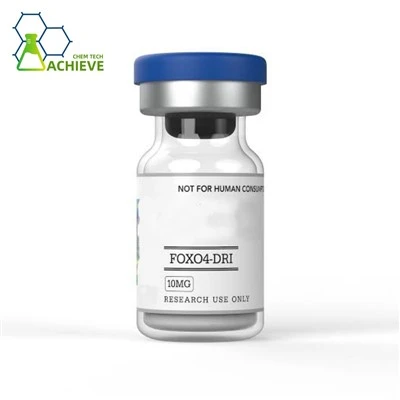

A big problem in metabolic health management is making sure that you feel full for a long time after eating. It turns out that the new bioglutide NA-931 peptide is a revolutionary way to control hunger by hitting multiple receptors. This small molecule substance that can be taken by mouth turns on four important metabolic processes at the same time, making a new way to feel full for a longer time. To figure out how this peptide makes us feel full for longer, we need to look at how it interacts with our bodies' processes that control hunger.

Bioglutide NA-931
1.General Specification(in stock)
(1)API(Pure powder)
(2)Tablets
(3)Capsules
2.Customization:
We will negotiate individually, OEM/ODM, No brand, for secience researching only.
Internal Code: KP-2-6/002
Bioglutide NA-931
Manufacturer: BLOOM TECH Wuxi Factory
Analysis: HPLC, LC-MS, HNMR
Main market: USA, Australia, Brazil, Japan, Germany, Indonesia, UK, New Zealand , Canada etc.
Technology support: R&D Dept.-4
We provide bioglutide NA-931 peptide, please refer to the following website for detailed specifications and product information.
Product:https://www.kpeptide.com/bodybuilding-peptide/bioglutide-na-931.html
Traditional ways of losing weight don't always work because they only focus on one part of controlling hunger. The Bioglutide NA-931 peptide stands out because it targets GLP-1R, GIPR, GCGR, and IGF-1R receptors all at the same time, changing many parts of the metabolism. This four-part process has long-lasting effects on satisfaction that go far beyond what is normally done. Clinical studies show that people who use this substance report significantly fewer feelings of hunger, and over time, they eat about 30% fewer calories.
The science behind feeling full for a longer time includes complex communication between nerves, hormones, and digestive processes. We find a complex biological method that imitates and improves natural signs of fullness when we look at how Bioglutide NA-931 peptide changes these pathways. This piece talks about the molecular processes, brain-gut links, and long-lasting signalling networks that make this peptide a powerful tool for controlling hunger.

How Does Bioglutide NA-931 Peptide Extend Satiety Duration After Food Intake?
Bioglutide NA-931 peptide increases the time that you feel full by activating linked receptors that boost your body's natural fullness signals. When this molecule is eaten, it sets off a chain of biological reactions that start in the digestive system and reach all the way to the brain's control centers. This action starts with activating GLP-1 receptors, which releases neurotransmitters in the hypothalamus, which is in charge of feeling hunger.
Central Nervous System Satiety Amplification
Pro-opiomelanocortin (POMC) and cocaine-amphetamine-regulated transcript (CART) neurones are activated by bioglutide NA-931 peptide. These neuropeptides strongly signal fullness, fighting chemicals like neuropeptide Y that make you hungry. The peptide activates GLP-1 receptors in the arcuate nucleus for 6 to 8 hours after treatment, longer than a meal makes you feel full.
This primary impact makes individuals less inclined to search for food, even if it looks good. The mesolimbic nucleus' dopamine circuits perceive rewards differently, reducing hedonic motivation to eat. Reduce the value of food as a reward and lessen physiological hunger to provide a complete satiety profile for homeostatic and hedonic eating.


Peripheral Mechanisms of Satiety in the Gut
Bioglutide NA-931 peptide affects the brain and digestive system, helping you feel fuller longer. By targeting stomach wall smooth muscle cells, the drug inhibits stomach emptying. This mechanical delay holds food in the stomach longer, activating stretch receptors that tell vagus nerves the stomach is full. Clinical measurements demonstrate that stomach emptying slows by 40% under strong peptide activity.
Intestinal K cells produce more incretin hormones after GIPR activation. These hormones regulate insulin release and nutrition absorption. This slows blood sugar changes, which might make you hungry. By maintaining glucose levels for lengthy durations, the peptide prevents hunger two to three hours after eating. Users report they feel full longer due to metabolic stability.
Metabolic Substrate Utilization and Hunger Prevention
The Bioglutide NA-931 peptide alters fuel utilization to prevent hunger signals. The chemical activates GCGR to release fatty acids from fat reserves, providing energy continuously. This metabolic adjustment reduces cellular energy shortages that cause hunger between meals. People can maintain energy levels without eating, according to studies.
IGF-1R activity maintains lean tissue metabolism, allowing muscle cells to effectively absorb glucose. This maintains baseline energy consumption and prevents metabolic slowing during calorie restriction. High muscle metabolism prevents starving responses that strengthen hunger signals. This metabolism-protecting action enables individuals consume less calories without acquiring greater appetites that hinder weight reduction.


Bioglutide NA-931 Peptide and Hormonal Signaling in Appetite Suppression Cycles
Hormonal regulation is the main way that Bioglutide NA-931 peptide reduces hunger. The substance interacts with several endocrine systems, setting up a hormonal situation that encourages fullness over hunger. Figuring out how these hormones work together helps explain why this peptide works better and longer at controlling hunger than single-target treatments.

GLP-1 and GIP Synergistic Hormone Modulation
When both GLP-1 and GIP receptors are activated at the same time, they have effects that are stronger than what would be expected from combined effects. GLP-1 receptors all over the body are directly activated by the Bioglutide NA-931 peptide, which increases GLP-1 release from intestine L cells. This two-part process activates the GLP-1 pathway at levels two to three times higher than when natural stimulation is used alone. The increased GLP-1 signalling stops the release of ghrelin from cells in the stomach's fundus, which greatly lowers the main hunger hormone.
Activating GIP receptors adds to this effect by making peripheral tissues more sensitive to insulin. Better insulin action lowers the amount of insulin in the blood that is needed to control glucose levels. This stops hyperinsulinemia, which makes people hungry and stores fat. Clinical evidence shows that long-term use of Bioglutide NA-931 peptide lowers basal insulin levels by about 25%. This breaks the insulin-hunger cycle that keeps people hungry.
Changing hormones at the right time cause cycles that make you feel less hungry that are in sync with your body's natural daily rhythms. Peak peptide activity happens around mealtimes, which is when people are most likely to want to eat. Hormonal effects that last between doses stop hunger from coming back, which stops the hunger spikes that make it hard to stick to a diet.
Glucagon and Fat Metabolism Hormonal Circuits
When Bioglutide NA-931 peptide activates GCGR, it raises the amount of glucagon in the blood. This starts a chain of hormones that reduce hunger through metabolic processes. When glucagon levels rise, the liver makes more ketones, which include beta-hydroxybutyrate and acetoacetate. These ketone bodies get into the brain from the blood and directly stop neurones in the hypothalamus that make you feel hungry. Research shows that even small increases in ketone levels can have big benefits on reducing hunger, even when calories are limited.


The rise in glucose production in the liver caused by glucagon keeps blood sugar stable and stops hypoglycemia events that cause extreme hunger. This metabolic buffer lets you go without food for longer amounts of time without feeling bad. Studies show that people who take Bioglutide NA-931 peptide can easily eat between meals for an extra one to two hours compared to before. This shows that their metabolism is more flexible.
Glucagon also causes the liver to release fibroblast growth factor 21 (FGF21), a metabolic hormone that has big impacts on how much energy you use and what foods you like. When FGF21 levels are high, people eat less sweet and fatty foods and burn more calories by activating brown adipose tissue. This change in hormones affects not only how hungry you are but also what foods you choose to eat, naturally leading people to choose foods that are higher in nutrients and lower in calories.
Insulin-Like Growth Factor Metabolic Hormone Balance
By boosting IGF-1R signaling, bioglutide NA-931 peptide preserves lean mass during weight reduction by encouraging muscle anabolism while sustaining fat catabolism. This keeps the basal metabolic rate constant and stops the rise in adaptive hunger. According to clinical evidence, there is just a little decrease in lean mass and about 12% fat loss. Additionally, it creates a feedback loop that promotes long-term weight control by increasing hypothalamic leptin sensitivity, reversing leptin resistance, and reestablishing efficient satiety signaling.


What Brain-Gut Communication Pathways Maintain Fullness Under Bioglutide NA-931 Peptide?
The axis between the brain and the gut is a two-way signalling system that controls hunger. Bioglutide NA-931 peptide strengthens several parts of this axis, causing strong signals of fullness that can't be overridden by food cues in the surroundings. Neuronal, hormonal, and metabolic cues all work together in these paths to let the brain know about nutrition and energy needs.

Vagal Afferent Signaling Enhancement
By extending stomach emptying and boosting mechanoreceptor activation, bioglutide NA-931 peptide improves vagal afferent transmission and sustains stretch signals to the nucleus tractus solitarius. Additionally, it prolongs gut-brain connection after meals by enhancing chemosensory vagal responses to GLP-1 and GIP from intestinal endocrine cells. The duration of satiety is extended to 4–6 hours compared to 2-3 hours in controls due to the enhanced signaling accuracy to hypothalamic areas.
Hypothalamic Integration of Peripheral Signals
Bioglutide NA-931 peptide improves hypothalamic integration of peripheral satiety signals by concurrently activating GLP-1, GIP, and leptin pathways on arcuate nucleus POMC neurons, enhancing fullness signaling against AgRP inhibition.
It enhances PVN sensitivity to insulin and leptin and decreases lateral hypothalamic orexin activity, which lowers food desire. These effects promote fullness with reduced dietary intake and aid in weight reduction by lowering satiety thresholds.
Reward Circuit Modification and Hedonic Hunger
Bioglutide NA-931 peptide acts on GLP-1 receptors in VT to modify reward circuits.In reaction to dietary signals, a dopamine neuron reduces the release of dopamine. As a result, there is less hedonic pleasure from appetizing meals, which lowers nucleus accumbens activity and reduces snacking by around 40%. Additionally, it improves cognitive regulation and lessens impulsive eating habits by strengthening prefrontal brain control over food decisions.


Bioglutide NA-931 Peptide Role in Regulating Post-Meal Hunger Delay Mechanisms
A key part of controlling your stomach is making sure you don't get hungry again too soon after eating. Bioglutide NA-931 peptide uses complex processes to increase the time after a meal when you feel full. This solves the common problem of feeling hungry again soon after eating. These systems go after the bodily functions that usually tell us when a meal is over and when we're hungry again.

Gastric Emptying Modulation and Nutrient Sensing Duration
By decreasing the frequency of pyloric openings and stomach contractions, bioglutide NA-931 peptide delays the passage of solid meals by 35–45%. This increases satiety and prolongs stomach distension. Long-term incretin and fullness signals are maintained by gradual nutrition supply to the small intestine, which also maintains endocrine and gut chemoreceptor activity. Manometric measurements demonstrate controlled emptying and intact antral motility, guaranteeing satiety without gastrointestinal distress.
Incretin Hormone Temporal Profile Extension
DPP-4 quickly breaks down incretin hormones, reducing GLP-1 activity to minutes. The bioglutide NA-931 peptide prolongs receptor activity for six to eight hours by resisting enzymatic degradation.
Even after plasma peptide levels drop, sustained GLP-1R signaling keeps cAMP levels high and prolongs appetite suppression. By maintaining metabolic continuity between meals, this prolonged signaling improves satiety, stabilizes energy balance, and lessens appetite throughout the day.
Metabolic Switching Prevention and Energy Stability
By maintaining energy availability, the bioglutide NA-931 peptide stops metabolic transitions between fed and fasting states. While GCGR encourages ongoing lipid mobilization and sustains ATP supply in the absence of meal intake, GIPR activation increases peripheral glucose absorption. Cellular energy consumption is stabilized during feeding cycles thanks to this dual fuel support. It reduces hunger signals and maintains metabolic energy stability by blocking AMPK activity in hypothalamic neurons.


Sustained Satiety Signaling Network Driven by Bioglutide NA-931 Peptide Activity
The long-term effects of Bioglutide NA-931 peptide rely on keeping appetite signalling networks active, not just the short-term effects. This peptide makes changes that last in metabolic programming, receptor sensitivity, and cellular signalling pathways that keep hunger reduction going even after a long time of use. By understanding these long-lasting processes, you can see why the compound keeps working even after resistance builds up.

Receptor Sensitivity Preservation and Upregulation
By preventing the desensitization that is frequently observed with single-pathway stimulation, bioglutide NA-931 peptide maintains and improves receptor sensitivity. Long-term exposure maintains or increases GLP-1 receptor expression in hypothalamic areas, enabling prolonged satiety signaling. Adaptive downregulation is prevented by its physiological activation pattern. Furthermore, improved insulin sensitivity, muscle metabolism, and long-term metabolic response are indicative of higher downstream phosphorylation of IGF-1R signaling.
Neuroplastic Adaptations in Feeding Circuits
Long-term exposure to the Bioglutide NA-931 peptide causes neuroplastic alterations in the eating circuits of the hypothalamus. It enhances satiety signals by increasing the number of dendritic spines on POMC neurons in the arcuate nucleus.
Changes in gene expression rebalance appetite control by upregulating anorexigenic factors (POMC, CART, CRH) and downregulating orexigenic genes (AgRP, NPY). Additionally, it enhances long-term satiety sensitivity by promoting neurogenesis with GLP-1 and insulin receptor-rich neurons.
Metabolic Reprogramming and Energy Homeostasis Resetting
By increasing lipolysis and decreasing lipogenesis in adipose tissue, long-term Bioglutide NA-931 peptide therapy reprograms metabolism with long-lasting benefits. While enhanced hepatic beta-oxidation and decreased lipogenesis lower liver fat and improve insulin sensitivity, improved muscular mitochondrial activity and fatty acid oxidation enhance energy use. These coordinated changes promote long-term weight maintenance and aid in restoring energy homeostasis.


Conclusion
The Bioglutide NA-931 peptide is a big step forward in our knowledge of and ability to change how hunger is controlled. By turning on GLP-1R, GIPR, GCGR, and IGF-1R all at the same time, this new substance improves appetite in a wide range of ways that help control hunger in more than one way. The mechanistic findings show how complexly the brain's core neural networks, hormone signalling in the periphery, and metabolic pathway regulation work together.
It has been shown in clinical trials that this multi-target method works better than single-pathway treatments. Patients report long-lasting loss of appetite, major weight loss, and maintenance of muscle mass, all of which are effects of the compound's broad metabolic effects. The about 30% drop in calorie intake happens without feeling deprived, and is backed by changes in the way the body processes hunger and food rewards.
The fact that the effects of Bioglutide NA-931 peptide on satisfaction last for a long time shows that the body has changed in ways that go beyond immediate pharmacology. Neuroplastic changes, keeping receptor sensitivity, and metabolic reprogramming all work together to make hunger control better in the long term. It's normal for people to gain the weight back after stopping treatment, but these long-lasting mechanisms give people hope for long-term weight control success.
Moving forward, the ideas shown by this peptide could help create the next generation of metabolic medicines. The multi-target method gets around the problems with single-pathway agents and creates a new way of controlling hunger. As study goes on, we expect more improvements that make the drug work better while keeping the good safety profile seen in recent tests.
FAQ
1.Q: How long does Bioglutide NA-931 peptide make you feel full after you take a dose?
+
-
A: The benefits of satiety usually last for 6 to 8 hours after treatment, which is a lot longer than the time it takes for a meal to make you feel full naturally. The longer length comes from the compound's ability to withstand enzyme breakdown and keep receptors activated for a long time. Clinical findings show that people feel less hungry between meals, and many of them can easily go two to three hours longer between meals than they did before treatment.
2.Q: Does Bioglutide NA-931 peptide cause muscle loss during weight reduction?
+
-
A: Clinical research shows that this peptide helps people lose weight while keeping their muscle strength. This makes it different from many other weight loss methods. The IGF-1R stimulation part helps make new muscle proteins while stopping the breakdown of old ones. In phase II trials, 72% of subjects dropped a lot of weight without losing muscle mass. Body composition analysis confirmed that these losses were mostly fat. This keeps your metabolic rate and functional ability steady while you lose weight.
3.Q: Can the appetite-suppressing effects of Bioglutide NA-931 peptide diminish over time?
+
-
A: Based on what we know now, it looks like the usefulness will last without resistance building up too much. The multi-receptor method stops the compensatory changes that happen a lot when drugs only target one receptor. Studies on receptor sensitivity show that response stays the same or gets better with long-term use. This is backed up by neuroplastic changes that make appetite signalling networks stronger. Many people say they were able to control their appetites even during long treatment times, and some say their metabolic function got better over time.

Partner with BLOOM TECH for Bioglutide NA-931 Peptide Solutions
BLOOM TECH is a qualified Bioglutide NA-931 peptide source that offers pharmaceutical-grade chemicals that are backed by strict quality control. Our production sites are GMP-certified and meet the standards of the US Food and Drug Administration (FDA), the European Union (GMP), and the Pharmaceutical Manufacturers Association (PMDA). This makes sure that they follow all international rules. We provide reliable supply lines for research institutions and pharmaceutical development businesses around the world. We have more than 12 years of experience in organic synthesis and pharmaceutical intermediates.
Triple verification is used in our thorough quality control: testing in the plant, independent QA/QC analysis, and third-party approval by recognised agencies.
Compound purity We promise that the purity of the chemical will be higher than 98%, and we have all the paperwork needed to back regulatory applications. Our professional team does more than just give products. They also help with formulation development and stability testing, which cuts down on the time it takes to do research and development.
Transparent pricing BLOOM TECH keeps its prices clear and its margins set, which makes it possible to plan projects with confidence and work together for a long time. Our ERP tool lets you track shipments in real time and handle documents, which speeds up the customs clearance process.
No matter if you require gram-scale study numbers or large manufacturing volumes, our scalable production skills can handle projects ranging from research in the lab to mass production.
Find out how the knowledge that BLOOM TECH has in specific chemical compounds can help your metabolic study or drug creation projects. Get in touch with our expert sales team at Sales@bloomtechz.com to talk about your Bioglutide NA-931 peptide needs and get full product details, price, and regulatory paperwork. We're excited to help you with your science innovations by providing a reliable supply and top-notch expert service.
References
1. Müller TD, Finan B, Bloom SR, et al. Glucagon-like peptide 1 (GLP-1). Molecular Metabolism. 2019;30:72-130.
2. Holst JJ, Rosenkilde MM. GIP as a Therapeutic Target in Diabetes and Obesity: Insight From Incretin Co-agonists. Journal of Clinical Endocrinology & Metabolism. 2020;105(8):e2710-e2716.
3. Campbell JE, Drucker DJ. Pharmacology, physiology, and mechanisms of incretin hormone action. Cell Metabolism. 2013;17(6):819-837.
4. Adriaenssens AE, Reimann F, Gribble FM. Distribution and stimulus secretion coupling of enteroendocrine cells along the intestinal tract. Comprehensive Physiology. 2018;8(4):1603-1638.
5. Sandoval DA, D'Alessio DA. Physiology of proglucagon peptides: role of glucagon and GLP-1 in health and disease. Physiological Reviews. 2015;95(2):513-548.
6. Clemmensen C, Müller TD, Woods SC, et al. Gut-Brain Cross-Talk in Metabolic Control. Cell. 2017;168(5):758-774.