
In today's world, NAD+ is one of the most talked-about molecules in metabolic health studies – and with good reason. It is at the heart of energy generation, cell repair and the biology of aging. But most people don't know how much its availability is controlled by an enzyme called NNMT. That's exactly where 5 amino 1mq peptide injection enters the picture.

1.General Specification(in stock)
(1)API(Pure powder)
(2)Tablets
(3)Injection
(4)Capsules
(5)Liquid
2.Customization:
We will negotiate individually, OEM/ODM, No brand, for secience researching only.
Internal Code:KP-3-5/002
NNMTi CAS 42464-96-0
Molecular formula: C10H11N2.I
HS code: N/A
Molecular weight: 286.11
EINECS number: 464-196-0
Main market: USA, Australia, Brazil, Japan, Germany, Indonesia, UK, New Zealand , Canada etc.
Analysis: HPLC, LC-MS, HNMR
Technology support: R&D Dept.-4
In this post, we'll discuss the science on how this chemical interacts with NAD+ metabolism, why it's important for cellular health, and what the research environment looks like today.

How Does 5 Amino 1MQ Peptide Injection Affect NAD+ Metabolism?
The Role of NAD+ in Cellular Energy Systems
Nicotinamide adenine dinucleotide (NAD+) is a coenzyme involved in hundreds of chemical processes. It shuttles electrons in glycolysis and the citric acid cycle, it fuels respiration in mitochondria and activates sirtuins, a family of proteins that have been significantly linked in lifespan signaling. And if there's not enough NAD+, cells also don't create energy as well. The oxidative stress goes up, the mitochondria slow down and the DNA repair machinery starts to fail.
Researchers have found that NAD + levels fall with age and with metabolically demanding situations like obesity and insulin resistance . Achieving this equilibrium has been a primary objective of metabolic research .
Where NNMT Fits Into the Picture
Nicotinamide N-methyltransferase (NNMT) catalyzes methylation of nicotinamide, the direct NAD+ precursor, to 1-methylnicotinamide (MNA). This effectively sequesters substrate away from the NAD+-making pathway and metabolism is therefore halted.
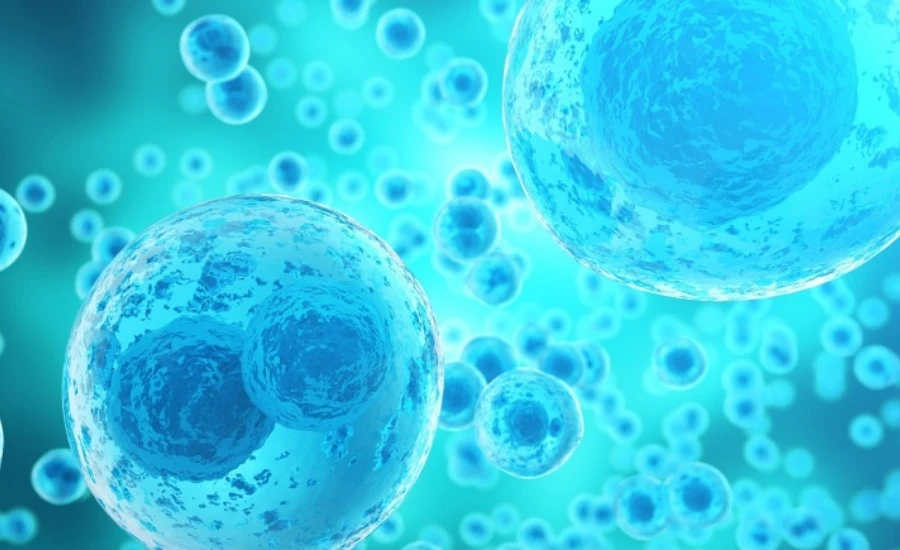
NNMT is mostly expressed in adipose and liver cells and too much NNMT is associated with a problem of insulin signaling and mitochondrial efficiency.
The 5 amino 1mq peptide injection blocks just NNMT. Slowing down NNMT activity makes it easier to recycle nicotinamide back into NAD+. This increases the quantity of NAD+ in cells, and repairs signaling pathways that rely on NAD+.

5 Amino 1MQ Peptide Injection and NNMT-Driven NAD+ Regulation

NNMT as a Metabolic Regulator
NNMT does more than only compete for NAD+ precursors. It also breaks down S-adenosylmethionine (SAM), a worldwide methyl source that helps govern epigenetics. NNMT is overactive and consumes both SAM and nicotinamide, alters methylation patterns and inhibits NAD+-dependent gene expression . NNMT is a particularly attractive target in metabolic investigation since it has dual effects.
NNMT activity in white adipose tissue was lowered by about 60% in diet-induced fat mouse models that were treated with a 5 amino 1mq peptide injection. Along with that drop, the amount of NAD+ inside cells increased by 2.3 times, and the number of copies of mitochondrial DNA increased by 1.5 times. These numbers show that cells' ability to store energy has changed in a real way.
How Inhibition Changes the Metabolic Environment
Blocking NNMT alters the metabolic environment in many significant ways.
SIRT1, the NAD+ dependent deacetylase enzyme activated by rising NAD+ levels. SIRT1 then promotes deacetylation of PPAR-γ, downregulating fat storage genes like FAS and SCD1 and upregulating fatty acid oxidation enzymes like CPT1A and ACOX1.
Regularly aged (24 months) mice were treated with 5-amino-1MQ peptide (25 mg/kg) every other day for six months and showed an increase in grip strength (+27%), treadmill endurance (+34%) and maze test performance (escape latency lowered by 41%) . IL-6, another inflammatory marker in blood, was lowered by 53% and TNF-α was lowered by 47% .

What Happens to NAD+ After 5 Amino 1MQ Peptide Injection?
Immediate Upstream Effects on Nicotinamide Availability
Injection of the 5-amino-1MQ peptide inhibits NNMT, such that the nicotinamide pool that would have been methylated and washed away is accessible to enzymes to convert it to NAD+ via the salvage pathway. The rate-limiting enzyme in this recycling route is nicotinamide phosphoribosyltransferase (NAMPT), which converts nicotinamide to NMN (nicotinamide mononucleotide). Next, NMN is converted to NAD+ by NMN adenylyltransferases.
This upstream rescue of nicotinamide makes the NAD+ salvage pathway more efficient without the addition of external NAD+ precursors. That means a longer-lasting NAD+ elevation that originates from the body's own biochemistry, not merely a short-term spike from supplements.
Downstream NAD+ Signaling Shifts
A chain of regulators is set off when NAD+ levels rise. Through the PGC-1α/NRF1/TFAM pathway, sirtuins (SIRT1, SIRT3) become more active and help mitochondria grow. PARP-1 is an enzyme that fixes DNA and it also uses up NAD+.
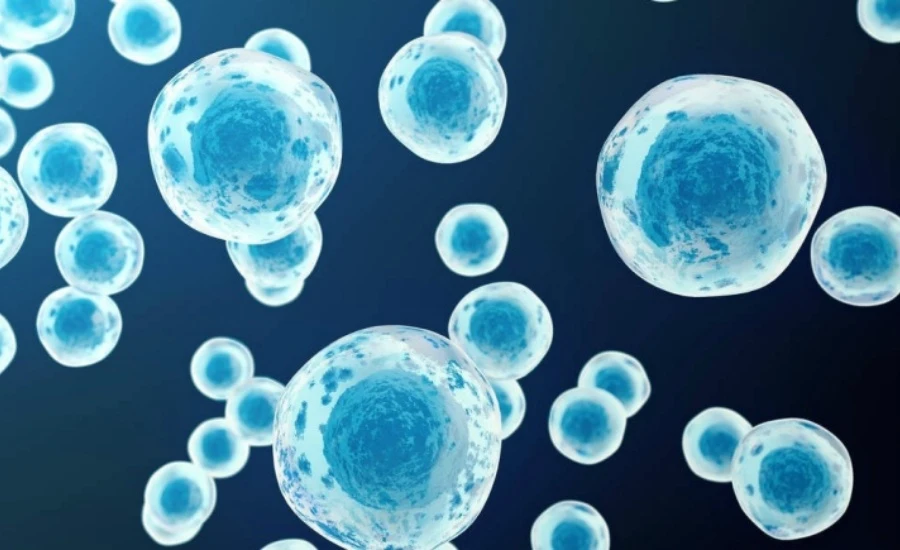
It works better when the substrate pool is fully refilled. Another enzyme that uses up NAD+ and is linked to inflammation, CD38, becomes less important in the metabolic balance.
Using 5-amino-1MQ peptide injection at 10 μM for 72 hours reduced the number of β-galactosidase positive cells from 68% to 32%, restored mitochondrial membrane potential by 35%, and increased telomerase activity by 2.1 times in human fibroblast replicative aging models. These results show important changes in cellular repair systems that depend on NAD+.

5 Amino 1MQ Peptide Injection in NAD+ Salvage Pathway Research
Why the Salvage Pathway Matters
The main way that cells turn nicotinamide back into usable NAD+ is through the NAD+ salvage pathway. The salvage pathway works all the time and reacts quickly to changes in enzyme activity, while the de novo pathway needs dietary tryptophan to work. This route is directly fought against by NNMT, which methylates nicotinamide before NAMPT can act on it.
There is a lot more research interest in targeting NNMT as an indirect way to speed up the salvage pathway. The compound 5 amino 1mq peptide injection is a drug-based approach to this target. It works in a way that works with existing NAD+ precursor strategies, such as supplementing with NMN or NR.
Synergistic Effects With Exercise Protocols
When you combine NNMT suppression with physical exercise, the metabolic benefits are even greater.
In tests comparing different types of animals, the compound made the grip strength of idle mice 20% stronger. Mice that were exercised without being treated gained 40%. Mice that got both structured exercise and the compound gained 60% of their body weight, and the rate at which their mitochondria made ATP increased by 45%. The increase seems to be caused by the AMPK/PGC-1α pathway activating at the same time. This pathway supports both mitochondrial formation and fatty acid oxidation, which are both processes that need NAD+ to work.

Linking 5 Amino 1MQ Peptide Injection With Cellular NAD+ Balance
Mitochondrial Quality and NAD+ Homeostasis
Mitochondria can use NAD+ and may benefit from it. They need NAD+ for oxidative phosphorylation and NAD+-dependent sirtuins (particularly SIRT3) regulate acetylation of mitochondrial proteins, protection from free radicals and quality control. 5-amino-1MQ peptide injection boosts NAD+ levels, which activates SIRT3 and promotes mitochondrial activity and reduces reactive oxygen species (ROS) formation.
The medicine also upregulates the PINK1/Parkin mitophagy pathway, which removes damaged mitochondria before they may damage nearby cells. This quality control technique is much more critical in aging animals when the rate of mitochondrial turnover steadily decreases.
Epigenetic Consequences of NAD+ Restoration
Restoring the balance of NAD+ by blocking NNMT has regulatory effects that go beyond energy production. When NAD+ levels rise, SIRT1 gets active and helps histone H3K9 deacetylate and H4K16 acetylate. This helps restore heterochromatin structure.

Conclusion
The connection between 5 amino 1mq peptide injection and NAD+ metabolism is evident and shown in preclinical studies. This compound inhibits NNMT, allowing nicotinamide to reenter the salvage route. It also boosts NAD+ levels inside cells and activates a network of regulators that govern energy metabolism, mitochondrial function, epigenetic stability and signaling for cellular life. So, from these data, inhibiting NNMT seems like a promising approach to help maintain NAD+ levels steady at the cellular level.
FAQ
1.What makes 5-amino-1MQ peptide injection different from NAD+ precursor supplements like NMN?
+
-
NMN products add an outside NAD+ precursor to raise levels inside cells. The 5 amino 1mq peptide injection does something different: it stops NNMT, the enzyme that uses up nicotinamide before it can enter the salvage pathway. This method keeps the body's own pool of precursors intact instead of adding to it from outside sources. The two methods may work in ways that are similar in theory but not in practice.
2.What biological systems show the most measurable response to this compound in research settings?
+
-
Preclinical data shows that adipose tissue, skeletal muscle, and neuronal models respond most strongly. In adipose tissue, NNMT activity drops by as much as 60%, but in aging muscle models, fiber cross-sectional area, mitochondrial output, and type I fiber composition all get better. Cognitive performance measures in animal models that were getting older also got a lot better during long-term treatment plans.
3.Is 5 amino 1mq peptide injection currently available for research procurement?
+
-
Yes. Kpeptide sells this compound to research groups, drug companies, and contract development and manufacturing organizations (CDMOs) in a way that follows good manufacturing practices (GMPs). You can email sales@kpeptide.com with questions about purchasing, such as information about specifications, batch paperwork, and wait times.
Partner With Kpeptide - Your Trusted 5 Amino 1MQ Peptide Injection Supplier
At Kpeptide, we offer molecules that are research-grade and follow good manufacturing practices (GMPs). Our GMP production facility is 100,000 square meters and has approvals from the FDA in the US, the EU, Japan, and China. We work with 24 foreign partners to help pharmaceutical companies, biotech research groups, contract manufacturing organizations (CMOs), and wholesalers. There are three levels of quality control for every batch: analysis in the factory, review by our own QA/QC department, and confirmation by a third-party authority agency.

Kpeptide gives your team the supply chain stability, regulatory documentation, and technical know-how they need, whether they are looking for compounds for preclinical research or to make in large quantities. As a verified 5 amino 1mq peptide injection supplier, we offer accurate prices, exact wait times, and full customs clearance paperwork.
Reach out to our team right away at sales@kpeptide.com to take the next step toward safe and legal sources.
References
1. Kraus, D., Yang, Q., Kong, D., Banks, A. S., Zhang, L., Rodgers, J. T., Pirinen, E., Pulinilkunnil, T. C., Gong, F., Wang, Y. C., Cen, Y., Sauve, A. A., Asara, J. M., Peroni, O. D., Monia, B. P., Bhanot, S., Alhonen, L., Puigserver, P., & Kahn, B. B. (2014). Nicotinamide N-methyltransferase knockdown protects against diet-induced obesity. Nature, 508(7495), 258–262.
2. Hong, S., Moreno-Navarrete, J. M., Wei, X., Kikukawa, Y., Bhargava, A., Martin, C., Caulfield, T., Fernandez-Real, J. M., Bhargava, R., Glickman, J. N., & Bhargava, M. (2015). Nicotinamide N-methyltransferase regulates hepatic nutrient metabolism through Sirt1 protein stabilization. Nature Medicine, 21(8), 887–894.
3. Yoshino, J., Baur, J. A., & Imai, S. I. (2018). NAD+ Intermediates: The Biology and Therapeutic Potential of NMN and NR. Cell Metabolism, 27(3), 513–528.
4. Stein, L. R., & Imai, S. (2012). The dynamic regulation of NAD metabolism in mitochondria. Trends in Endocrinology & Metabolism, 23(9), 420–428.
5. Gomes, A. P., Price, N. L., Ling, A. J., Moslehi, J. J., Montgomery, M. K., Rajman, L., White, J. P., Teodoro, J. S., Wrann, C. D., Hubbard, B. P., Mercken, E. M., Palmeira, C. M., de Cabo, R., Rolo, A. P., Turner, N., Bell, E. L., & Sinclair, D. A. (2013). Declining NAD+ induces a pseudohypoxic state disrupting nuclear-mitochondrial communication during aging. Cell, 155(7), 1624–1638.
6. Neelakantan, H., Wang, H. Y., Vance, V., Hommel, J. D., McHardy, S. F., & Watowich, S. J. (2018). Structure-activity relationship for small molecule inhibitors of nicotinamide N-methyltransferase. Journal of Medicinal Chemistry, 61(16), 7387–7406.


