


Mitochondria are sometimes considered the powerhouses of the cell – and for good reason. These organelles manage energy generation, control cell metabolism and are crucial to how well our bodies mature. More and more scientists are interested in substances that might influence the work of mitochondria at the molecular scale. One such drug that is gathering steam in the preclinical research arena is the 5 amino 1mq peptide injection. This synthetic small molecule has remarkable impacts on cellular energy pathways.

1.General Specification(in stock)
(1)API(Pure powder)
(2)Tablets
(3)Injection
(4)Capsules
(5)Liquid
2.Customization:
We will negotiate individually, OEM/ODM, No brand, for secience researching only.
Internal Code:KP-3-5/002
NNMTi CAS 42464-96-0
Molecular formula: C10H11N2.I
HS code: N/A
Molecular weight: 286.11
EINECS number: 464-196-0
Main market: USA, Australia, Brazil, Japan, Germany, Indonesia, UK, New Zealand , Canada etc.
Analysis: HPLC, LC-MS, HNMR
Technology support: R&D Dept.-4
This blog explores what current studies reveal about 5 amino 1mq peptide injection and its role in mitochondrial function research - covering biogenesis, quality control, and cellular respiration.

Why Study Mitochondria With 5 Amino 1MQ Peptide Injection?
The Link Between NNMT and Mitochondrial Decline
Mitochondrial failure is one of the first and most reliable signs of metabolic decline. When cells are old or under heavy metabolic load mitochondria are less efficient. The membrane potential is diminished, the reactive oxygen species (ROS) are increased and the ATP generation is decreased. For years, scientists have hunted for molecular targets to stop or slow the process.
NNMT, nicotinamide N-methyltransferase, is at the root of all these problems. NNMT utilizes S-adenosylmethionine (SAM) and diverts nicotinamide away from the NAD⁺ salvage pathway. This restricts the cell's capacity to generate NAD + , a crucial molecule for mitochondrial respiration and sirtuin-dependent repair. When NNMT activity is strong, levels of NAD⁺ fall, and this leads to less efficient mitochondria.
5 amino 1mq peptide injection inhibits NNMT, which sends nicotinamide back to the process of making NAD+.

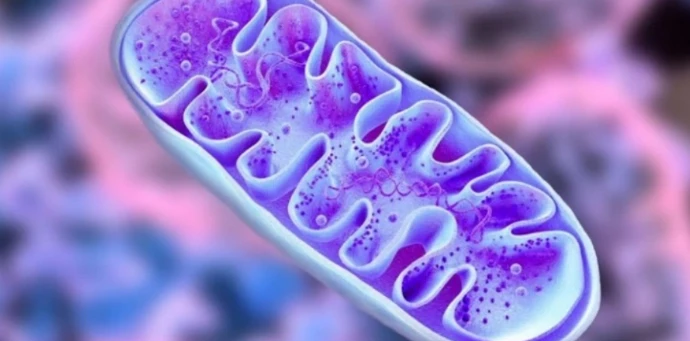
Because of this process, it is a very useful tool for researchers looking into mitochondrial decline in metabolic and aging settings.
What Research Models Reveal
In preclinical tests using diet-induced fat mice, 5-Amino-1MQ (50 mg/kg, once a day for 8 weeks) treatment increased NAD⁺ levels by 2.3 times in white adipose tissue and increased the number of copies of mitochondrial DNA by 1.5 times. These numbers show that mitochondrial content and activity have been increased in a real way, which is in line with how the chemical blocks NNMT.
These results show that 5 amino 1mq peptide injection has become a science topic of interest for study groups, contract drug manufacturing organizations, and drug companies that are looking into metabolic modulation.

5 Amino 1MQ Peptide Injection and Mitochondrial Biogenesis
Activating the PGC-1α Pathway
The NRF1–TFAM signaling axis plays a major role in mitochondrial biogenesis , the process by which cells make new mitochondria . PGC-1α is a master regulator of the transcription of nuclear and mitochondrial genes necessary to make functional mitochondria.
Studies have shown that injection of 5-Amino-1MQ peptide activates this pathway and enhances mitochondrial development. It boosts the amount of NAD+ in the cells, which then activates SIRT1, a NAD+-dependent deacetylase. PGC-1α activation causes NRF1 and TFAM expression . These proteins then help to make copy DNA in the mitochondria and to form the respiratory chain.
In a model of natural aging mice (24-month-old animals given 25 mg/kg every other day for 6 months), the substance improved physical endurance, muscle fiber cross-sectional area, and mitochondrial ATP output, all of which are signs of better biogenesis.
Synergy With Physical Activity
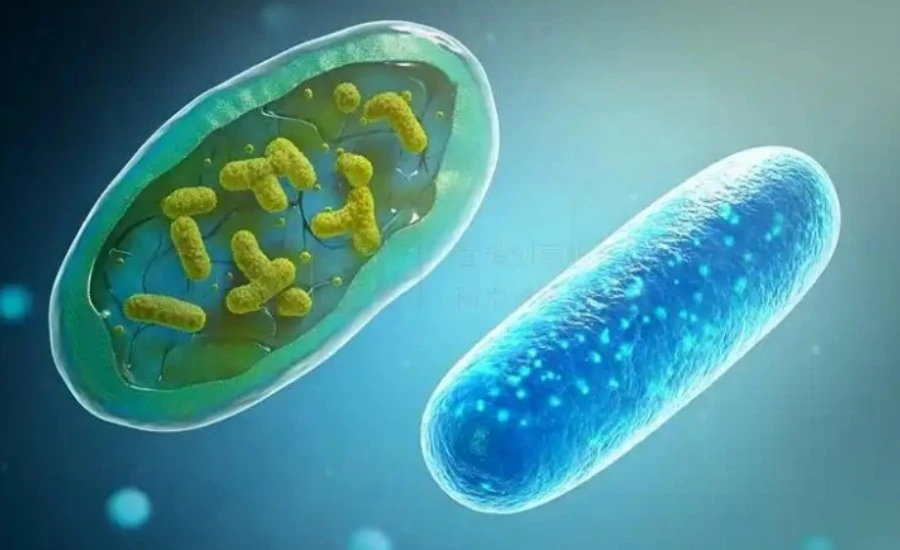
An intriguing dimension of 5-Amino-1MQ research is its interaction with exercise. The chemical made mice's grip stronger by about 20% when they weren't moving. When mice were given organized exercise, their grip strength went up by 40%. When both treatments were used together, grip strength went up by 60% and the rate at which mitochondria made ATP went up by 45%. The combined activation of the AMPK/PGC-1α pathway seems to be what causes this synergistic effect. This is important information for researchers studying metabolic optimization and musculoskeletal health.

How Does 5 Amino 1MQ Peptide Injection Relate to Mitochondrial Quality?
Mitophagy and Damaged Mitochondria Clearance
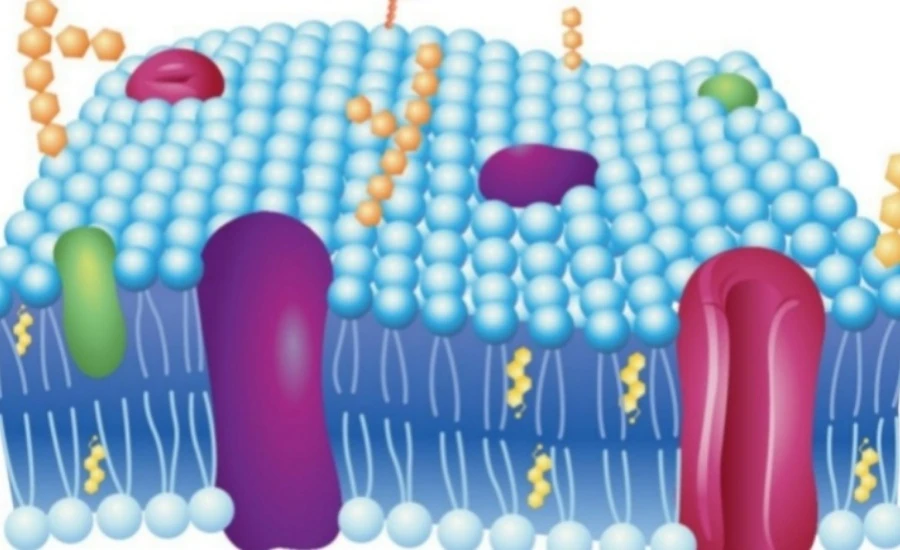
Quality control at the mitochondria isn't simply generating new ones, it's also eliminating damaged ones. The PINK1/Parkin–mediated mitophagy system is the major process by which cells recognize and eliminate damaged mitochondria. When this mechanism is impaired, damaged mitochondria accumulate and produce excess ROS, which contributes to cellular stress .
Researchers have found that 5 amino 1mq peptide injection increases the production of PINK1 and Parkin, which speeds up the process of mitophagy. In addition to its biogenic effects, this action makes sure that the cellular mitochondrial pool stays bigger and better working. Human cell replicative aging models were treated with 10 μM for 72 hours. This increased the mitochondrial membrane potential (ΔΨm) by 35%, which shows that the mitochondrial health was directly improved.
Antioxidant Defense and ROS Reduction
One of the hallmarks of mitochondrial malfunction is increased ROS generation.
High oxidative stress may damage DNA, proteins, and mitochondrial membranes. This triggers a feedback cycle that encourages cell death. The chemical tackles this problem by boosting the activity of antioxidant enzymes, SOD2 (superoxide dismutase 2) and GPX1. These enzymes are located in the mitochondrial matrix, where they detoxify superoxide and hydrogen peroxide, thereby decreasing oxidative damage.
Transcriptomic data from aging cell models treated with 5-Amino-1MQ revealed substantial increases in SOD2 and GPX1 levels and decreases in pro-inflammatory markers, such as IL-6 and TNF-α levels. The patterns support the involvement of the chemical as a mitochondrial quality modifier in research settings.
5 Amino 1MQ Peptide Injection and PGC-1α-Related Mitochondrial Research
NAD⁺ as the Upstream Signal
Through NAD+, the connection between 5-Amino-1MQ and PGC-1α is made. The molecule protects nicotinamide so that it can be turned into NAD+ through the salvage route. When NAD+ levels rise, SIRT1 turns on, which deacetylates PGC-1α and turns it on. This chain reaction has been studied a lot in the field of metabolism, and 5 amino 1mq peptide injection is thought to be an upstream regulator of mitochondrial gene transcription.
Downstream Metabolic Effects
When PGC-1α is turned on, it encourages the production of fatty acid oxidation enzymes like CPT1A and ACOX1. When 5-Amino-1MQ was given to obese mouse models, these genes were significantly increased, which was linked to better lipid regulation and less fat mass. The substance also stopped adipogenic genes like FAS and SCD1 from working by deacetylating PPAR-γ.
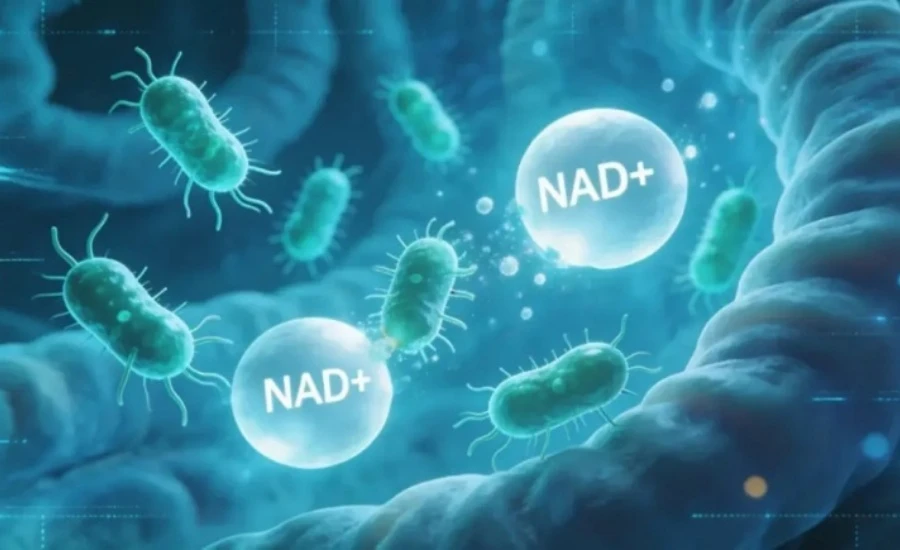
This has two effects at once: it increases the use of fuel in mitochondria and stops the buildup of fat. Because of these effects, it is a useful research compound for understanding the metabolic axis of mitochondrial activity.

Assessing Cellular Respiration With 5 Amino 1MQ Peptide Injection

Mitochondrial Membrane Potential as a Readout
One of the best ways to tell if the respiratory chain is working is to look at the mitochondrial membrane potential (ΔΨm). A healthy mitochondrial membrane has a strong electrical gradient; a drop in this gradient means that ATP production is not working as well. Researchers who used 5-Amino-1MQ on replicative aging cell models saw a 35% increase in ΔΨm after treatment, which suggests that electron transport chain coupling got better directly.
ATP Output and Functional Recovery
Beyond membrane potential, ATP production rate serves as a functional measure of cellular respiration. In studies that combined exercise with 5-Amino-1MQ, mitochondrial ATP production rose by 45% compared to controls who did nothing. This improvement comes from better substrate flow through the TCA cycle and oxidative phosphorylation. These changes are linked to more NAD⁺ being available and PGC-1α being turned on.
Researchers using 5 amino 1mq peptide injection as a study tool can leverage these measurable endpoints - ΔΨm, ATP output, and mitochondrial DNA copy number - to figure out how the compound affects cellular respiration in a controlled way.
Conclusion
Research into mitochondrial function is moving forward quickly, and 5 amino 1mq peptide injection has become an important research compound in this area. It can stop NNMT, raise NAD⁺, turn on PGC-1α, encourage mitophagy, and lower oxidative stress, which makes it a useful tool for studying mitochondrial formation, quality control, and cellular respiration. Its action at these molecular levels has been supported by preclinical data in metabolic, aging, and exercise models. This makes it a substance that researchers in metabolism and aging should pay close attention to.
FAQ
Q1: What makes 5 amino 1mq peptide injection useful in mitochondrial function studies?
+
-
5-Amino-1MQ stops NNMT from working, which raises the amount of NAD⁺ inside cells. Because NAD⁺ is an important part of mitochondrial respiration, sirtuin activation, and PGC-1α signaling, this compound lets us study how blocking NNMT changes mitochondrial biogenesis, membrane potential, and ATP production in lab models.
Q2: Has 5 amino 1mq peptide injection shown effects on mitochondrial quality control pathways?
+
-
Yes. Preclinical study shows that the substance increases PINK1/Parkin-mediated mitophagy, a process that gets rid of damaged mitochondria from the cell. It also raises the expression of antioxidant enzymes (SOD2, GPX1), which stops ROS from building up in the mitochondrial matrix and protects the integrity of the whole organelle.
Q3: What research models have been used to study 5 amino 1mq peptide injection and mitochondrial function?
+
-
Diet-induced fat mouse models, natural aging mouse models (24-month-old animals), human fibroblast replicative aging models, and exercise intervention approaches have all been used in studies. To figure out what the substance does to mitochondria, scientists have looked at the number of copies of mitochondrial DNA, the membrane potential, the amount of ATP produced, and changes in transcriptomes.
Partner With Kpeptide for Your 5 Amino 1MQ Peptide Injection Research Needs
Kpeptide is a GMP-certified quality, regulatory compliance (US-FDA, EU-GMP, PMDA, CFDA) 5 amino 1mq peptide injection supplier. Our joint venture manufacturing base covers an area of 100,000 square meters, with more than 12 years experience in synthesis using organic materials.

Our triple-checked quality assurance, lead times and complete CMC documentation provide pharmaceutical firms, CDMOs, biotechnology businesses and research institutes peace of mind. Each batch passes in-factory QC, our internal QA review, and third-party authority inspection so you obtain consistent, research-grade material.
Reach out to our professional team today and experience one-on-one service tailored to your project requirements. Contact us at sales@kpeptide.com.
References
1. Kannt A, Pfenninger A, Teichert L, et al. Association of nicotinamide-N-methyltransferase mRNA expression in human adipose tissue with insulin resistance. Diabetologia. 2015;58(4):799–808.
2. Kraus D, Yang Q, Kong D, et al. Nicotinamide N-methyltransferase knockdown protects against diet-induced obesity. Nature. 2014;508(7495):258–262.
3. Yoshino J, Baur JA, Imai SI. NAD⁺ intermediates: the biology and therapeutic potential of NMN and NR. Cell Metabolism. 2018;27(3):513–528.
4. Cantó C, Menzies KJ, Auwerx J. NAD⁺ metabolism and the control of energy homeostasis: a balancing act between mitochondria and the nucleus. Cell Metabolism. 2015;22(1):31–53.
5. López-Otín C, Blasco MA, Partridge L, Serrano M, Kroemer G. The hallmarks of aging. Cell. 2013;153(6):1194–1217.
6. Gariani K, Menzies KJ, Ryu D, et al. Eliciting the mitochondrial unfolded protein response by nicotinamide adenine dinucleotide repletion reverses fatty liver disease in mice. Hepatology. 2016;63(4):1190–1204.


