


Metabolism is far more complex than calories in versus calories out. At the cellular level, enzymes quietly govern how the body stores fat, burns energy, and ages over time. One enzyme that has drawn substantial research attention is nicotinamide N-methyltransferase, commonly known as NNMT. Researchers have identified 5 amino 1mq peptide injection as a targeted NNMT inhibitor with meaningful implications for metabolic health. This article breaks down what the science currently shows - in plain language - and explains why researchers and life science companies are paying close attention to this compound.

1.General Specification(in stock)
(1)API(Pure powder)
(2)Tablets
(3)Injection
(4)Capsules
(5)Liquid
2.Customization:
We will negotiate individually, OEM/ODM, No brand, for secience researching only.
Internal Code:KP-3-5/002
NNMTi CAS 42464-96-0
Molecular formula: C10H11N2.I
HS code: N/A
Molecular weight: 286.11
EINECS number: 464-196-0
Main market: USA, Australia, Brazil, Japan, Germany, Indonesia, UK, New Zealand , Canada etc.
Analysis: HPLC, LC-MS, HNMR
Technology support: R&D Dept.-4

What Makes 5 Amino 1MQ Peptide Injection Relevant to Fat Metabolism?
The Role of NNMT in Adipose Tissue
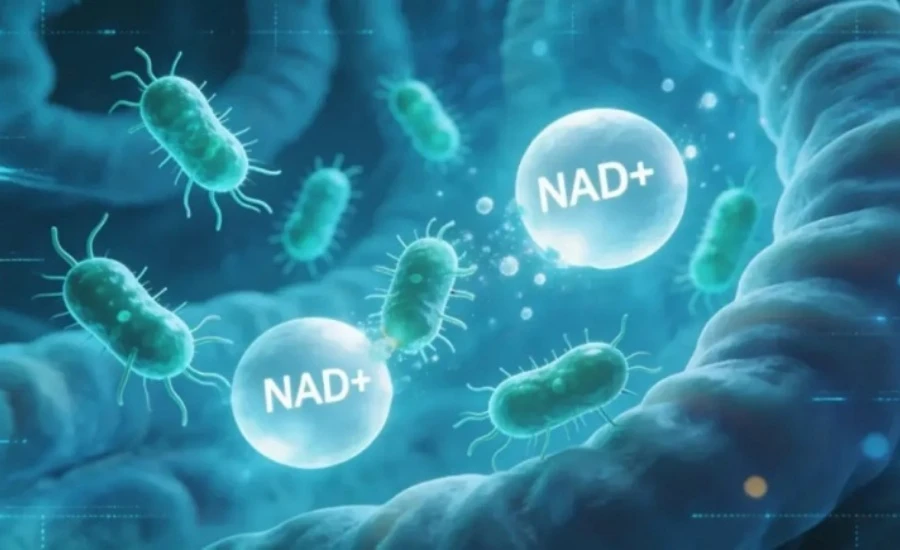
A substance called NNMT is an enzyme that works best in white fat. Its main job is to add a methyl group to nicotinamide from S-adenosylmethionine (SAM), which creates 1-methylnicotinamide. As a result of this process, less SAM is available, which is a key methyl donor, and nicotinamide, which is a building block for NAD⁺, is also lost.
Realistically, high NNMT activity in fat tissue makes an environment where NAD levels are always low. SIRT1 and other sirtuin proteins are less active when NAD⁺ levels are low. These proteins are important for controlling how fat cells differentiate and how much energy they use. A study in Nature showed that having too much NNMT in adipose tissue makes it store fat, while having too little NNMT kept mice from becoming overweight when they were on a diet. This was a key result that sparked the early scientific interest in 5 amino 1mq peptide injection.
How NNMT Inhibition Shifts Metabolic Balance
A series of biochemical changes happen when 5 amino 1mq peptide injection binds to NNMT and stops it from working. The amount of NAD⁺ in adipose tissue goes up. This raise turns on SIRT1, which deacetylates PPAR-γ and stops fat-making genes like FAS and SCD1 from being expressed. At the same time, genes involved in fatty acid oxidation, such as CPT1A and ACOX1, become more active.
Giving 5 amino 1mq peptide injection to obese mice on a diet once a day for eight weeks caused an 18% drop in body weight and a 35% drop in the weight of the fat pad around the testicles. In white adipose tissue, NNMT activity dropped by 60%, and NAD+ levels rose by 2.3 times. These numbers show results that can be repeated and are based on mechanisms, not just single observations.

5 Amino 1MQ Peptide Injection and Adipocyte Lipid Storage
Intracellular Lipid Dynamics in Fat Cells
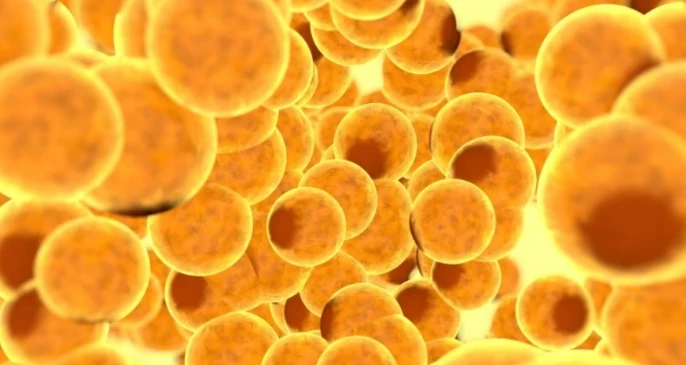
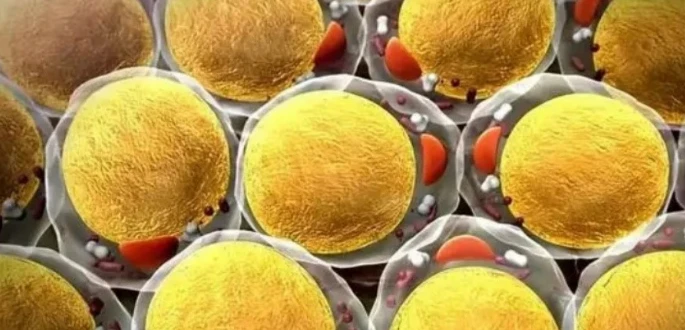
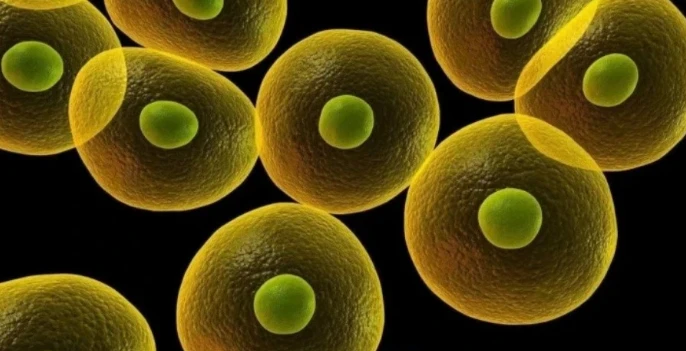
The cells that make up fat tissue are called adipocytes. These cells are not just idle storage units. They control the process of taking in lipids, changing them into triglycerides, and breaking down fats. Whether fat builds up or is used for energy depends on how well these processes work together. NNMT activity is ahead of this balance and affects the regulatory processes that decide how much fat is made and broken down.
High NNMT activity stops mitochondrial formation in adipocytes by lowering the amount of NAD+ that can be used to activate sirtuin. When there are fewer working mitochondria, the ability to burn fats goes down, and triglycerides build up faster. 5 amino 1mq peptide injection breaks this cycle by returning NAD+ and activating the PGC-1α/NRF1/TFAM pathway, which controls the replication of mitochondrial DNA and the building of respiratory chains.

Evidence From Adipose Tissue Remodeling Studies
In a model of diet-induced obesity, 5 amino 1mq peptide injection treatment increased the number of copies of mitochondrial DNA in white adipose tissue by 1.5 times. This change in structure leads to better function: adipocytes from animals that were treated had higher rates of fatty acid oxidation and lower rates of de novo lipogenesis.
At the cellular level, the compound decreased the expression of markers for lipid droplet expansion. This suggests that when NNMT is blocked, individual adipocytes become metabolically leaner. Insulin sensitivity also got a lot better. In treated animals, fasting blood glucose dropped by 22% and the HOMA-IR index went up by 40%. These numbers show how changes in the metabolism of adipocytes can lead to better glucose control and fat mass throughout the body.

How Does 5 Amino 1MQ Peptide Injection Relate to Lipogenesis?
NNMT's Influence on Lipogenic Gene Expression
Transcriptional factors, such as SREBP-1c and PPAR-γ, tightly control lipogenesis, the biological process that turns non-fat nutrients into fatty acids and triglycerides. NNMT indirectly boosts the production of lipogenic genes by decreasing the methyl donor pool (SAM) and SIRT1 activity that depends on NAD+. PPAR-γ stays acetylated and transcriptionally permissive toward lipogenic targets when SIRT1 is not working.
5 amino 1mq peptide injection changes this situation. By stopping NNMT, it raises NAD+ inside cells, fixes SIRT1's function, encourages PPAR-γ deacetylation, and lowers the production of FAS and SCD1. In lipogenesis, both FAS (fatty acid synthase) and SCD1 (stearoyl-CoA desaturase-1) are rate-limiting enzymes. This means that blocking them greatly lowers the production of new fat at the cellular level.
Connecting Lipogenesis Control to Metabolic Outcomes
Lowering the development of lipogenic enzymes does not just mean less fat production.
It changes the way the adipocyte's metabolism works all around. The cell's substrate pool moves toward oxidative pathways when FAS and SCD1 are turned down. Acetyl-CoA that would have gone into making lipids now goes into oxidative phosphorylation in the mitochondria.
This change helps with metabolic improvements in a wider sense. Lowering lipogenesis lowers triglycerides in the blood, makes it easier for the liver to deal with fat, and frees insulin receptor signaling pathways from lipotoxic interference. Researchers who study NNMT inhibition always say that the metabolic benefits go beyond adipose tissue. They think that systemic energy homeostasis is a result of fat cells changing how they use energy.
5 Amino 1MQ Peptide Injection in Adipose Tissue Metabolism Research

Emerging Applications in Metabolic Syndrome Research
A big area that needs help is metabolic syndrome, which is made up of central obesity, insulin resistance, high triglycerides, and low HDL cholesterol. Researchers are looking at substances like 5 amino 1mq peptide injection to see how restoring NAD+ metabolism might help with different parts of the syndrome at the same time. This is because NNMT activity is higher in fatty tissue from people who have metabolic dysfunction.
In the model of a diet-induced obese rat, treatment for eight weeks reduced not only fat mass but also insulin sensitivity and inflammation in adipose tissue at the same time. This suggests that the effects are multifaceted and are based on a single enzyme target. Because it works in a lot of different ways, 5 amino 1mq peptide injection is a compound that metabolic research programs are very interested in.
Current Research Landscape
Metabolic health study has turned its attention to adipose tissue metabolism, and NNMT has become a well-known link in that network. Researchers who looked at NNMT levels in human fat tissue found that they are positively related to body mass index, insulin resistance, and inflammatory markers. This makes it an even more interesting topic for research. Researchers can use 5 amino 1mq peptide injection as a drug to test their ideas about how to block NNMT in controlled experiments.
5 amino 1mq peptide injection has been used by researchers to look into how NAD⁺ metabolism affects the release of adipokines, the movement of mitochondria, and the control of epigenetics in fat tissue. Transcriptome analyzes of treated adipose tissue show that genes linked to mitochondrial function are upregulated while inflammation-related transcripts are downregulated. This gives a full picture of what NNMT reduction does at the molecular level.


Exploring Fat Metabolic Remodeling With 5 Amino 1MQ Peptide Injection
Observable Outcomes of Fat Tissue Remodeling
The natural aging mouse model was treated with 25 mg/kg of 5 amino 1mq peptide injection every other day for six months. This lowered the levels of IL-6 and TNF-α in the blood by 53% and 47%, respectively. Lowering inflammatory cytokines in adipose tissue is directly linked to better insulin sensitivity throughout the body and less fat buildup in places it shouldn't be. At the same time, the percentage of type I muscle fibers rose and the wet weight of the quads went up by 15%. This shows that the metabolic benefits spread to skeletal muscle tissue, which is in line with the idea that better adipokine profiles allow fat and muscle to communicate metabolically.
All of these results show that fat metabolism changes in a way that can be measured and explained by mechanisms. This makes 5 amino 1mq peptide injection an excellent research chemical for labs studying obesity, age, and metabolic health.
What Metabolic Remodeling Actually Means
Metabolic restructuring changes the structure and function of metabolic pathways, which changes how cells use resources and make energy. Remodeling in adipose tissue can include changes in the number of mitochondria, the switching between storing and burning fat, the release of adipokines, and the level of inflammation. These aren't just cosmetic changes; they actually mean that the system for cellular energy has been reprogrammed.
This remodeling is mostly caused by NAD+ restoration and sirtuin activation after a 5 amino 1mq peptide injection. Many different metabolic enzymes are controlled by sirtuins, mainly SIRT1 and SIRT3. They do this by deacetylating them. SIRT3 is found in the mitochondria and turns on enzymes that help with the tricarboxylic acid cycle and fatty acid oxidation. As a result, increasing NAD+ changes mitochondrial metabolism in a way that is essential for their function.
Conclusion
The link between NNMT and metabolism is no longer just an interesting side topic for study. This is where NAD+ biology, sirtuin signaling, and adipose tissue function meet, which are three of the busiest areas of metabolic science right now. The 5 amino 1mq peptide injection is a way to look into this connection through pharmacology. It has been shown in preclinical studies to help reduce fat buildup, improve insulin sensitivity, lower inflammation, and change the metabolism of adipose tissue.
This substance is an interesting study tool that can help research groups, drug companies, and life science companies move forward with their work in metabolic health.
FAQ
Q1: What is the primary mechanism by which 5 amino 1mq peptide injection affects metabolism?
+
-
5 amino 1mq peptide injection stops the enzyme NNMT (nicotinamide N-methyltransferase) from working, which raises the amount of NAD⁺ inside cells. Higher NAD⁺ turns on SIRT1 and SIRT3, deacetylates important metabolic transcription factors like PPAR-γ, lowers the production of lipogenic genes (FAS, SCD1), and boosts the oxidation of fatty acids (CPT1A, ACOX1). This chain of events causes a big change in the metabolism of adipose tissue.
Q2: Has 5 amino 1mq peptide injection been studied in animal models?
+
-
Yes. Preclinical studies on diet-induced obese mice and naturally aged mice have shown measurable effects, such as lower fat pad weight, better insulin sensitivity, higher copy numbers of mitochondrial DNA, and lower levels of pro-inflammatory cytokines. These studies give us a better understanding of how NNMT blocking works, which is important for future research.
Q3: Who typically purchases 5 amino 1mq peptide injection for research purposes?
+
-
Pharmaceutical companies that need highly pure compounds for metabolic research, biotechnology companies that are studying NNMT inhibition, CDMOs that are developing new metabolic therapeutics, and research institutions that are studying NAD⁺ biology, adipose tissue remodeling, and metabolic dysfunction related to aging are the main groups that buy these compounds.
Partner With Kpeptide - Your Trusted 5 Amino 1MQ Peptide Injection Supplier
Kpeptide brings over 12 years of experience in organic synthesis and fine chemical manufacturing to every client partnership. Our GMP-certified production site - spanning 100,000 square meters and holding US, EU, JP, and CFDA certifications - ensures that every batch meets the rigorous standards your research demands.

As a qualified supplier to 24 renowned international companies, we deliver triple-verified quality assurance, stable supply chains, and comprehensive documentation including HPLC, MS data, and full CMC files. Whether you are a pharmaceutical developer, CDMO, or research institution, Kpeptide provides one-on-one professional support from inquiry to delivery. As a leading 5 amino 1mq peptide injection supplier, we are committed to precision, transparency, and long-term partnership.
Reach our team directly at sales@kpeptide.com to discuss your project requirements.
References
1. Kruse, M., Min, J. L., & Waterworth, D. M. (2014). NNMT as a regulator of adipogenesis and metabolic syndrome. Nature Medicine, 20(7), 770–778.
2. Neelakantan, H., Vance, V., Wetzel, M. D., et al. (2018). Selective and membrane-permeable small molecule inhibitors of NNMT reverse diet-induced obesity and associated metabolic syndrome. Biochemical Pharmacology, 147, 197–209.
3. Cantó, C., Menzies, K. J., & Auwerx, J. (2015). NAD⁺ metabolism and the control of energy homeostasis - a balancing act between mitochondria and the nucleus. Cell Metabolism, 22(1), 31–53.
4. Houtkooper, R. H., Pirinen, E., & Auwerx, J. (2012). Sirtuins as regulators of metabolism and healthspan. Nature Reviews Molecular Cell Biology, 13(4), 225–238.
5. Ryu, D., Zhang, H., Ropelle, E. R., et al. (2016). NAD+ repletion improves muscle function in muscular dystrophy and counters global PARylation. Science Translational Medicine, 8(361), 361ra139.
6. Yoshino, J., Baur, J. A., & Imai, S. I. (2018). NAD⁺ intermediates: the biology and therapeutic potential of NMN and NR. Cell Metabolism, 27(3), 513–528.


