


Metabolic science is at a fascinating juncture. Scientists across the globe are looking at new substances that might change what we know about how cells produce energy, store fat, and age. Among them, 5 amino 1mq peptide injection has gained considerable interest from the research groups focusing on NNMT inhibition and NAD+ pathway regulation.

1.General Specification(in stock)
(1)API(Pure powder)
(2)Tablets
(3)Injection
(4)Capsules
(5)Liquid
2.Customization:
We will negotiate individually, OEM/ODM, No brand, for secience researching only.
Internal Code:KP-3-5/002
NNMTi CAS 42464-96-0
Molecular formula: C10H11N2.I
HS code: N/A
Molecular weight: 286.11
EINECS number: 464-196-0
Main market: USA, Australia, Brazil, Japan, Germany, Indonesia, UK, New Zealand , Canada etc.
Analysis: HPLC, LC-MS, HNMR
Technology support: R&D Dept.-4
This synthesised tiny molecule, 5-Amino-1-methylquinoline, is much more than simply another laboratory reagent. It represents a new way to study metabolic control at the level of cells. Research organisations and pharmaceutical businesses are expanding their interest in how this molecule might provide new insights into energy metabolism, mitochondrial function and metabolic syndrome pathways.
To understand where metabolic research may go next, however, we need to look not only at the proven pathways of the chemical, but also its untapped potential. The future is full with fascinating possibilities as researchers create experiments that stretch the bounds of present knowledge.

What New Uses Could 5 Amino 1MQ Peptide Injection Have in Metabolic Research?
The field of metabolic research is still changing very quickly. Scientists are finding that the 5 amino 1mq peptide injection can be used in a lot of different ways, not just for weight loss. The current exploratory directions point to a number of potential uses that should be looked into further.
Investigating Metabolic Flexibility in Aging Populations
Metabolic flexibility, which is cells' ability to switch between burning glucose and fatty acids, gets worse as you age. This decrease is linked to a number of diseases that come with getting older. In preclinical tests using 24-month-old mouse models, 5-Amino-1MQ increased grip strength by 27% and increased running endurance by 34%. These results show that studying how blocking NNMT might help restore metabolic switching ability in aging tissues could be useful for future research.
Researchers could come up with ways to measure how substrates are used before and after compounds are given. These kinds of studies might show if lowering NNMT and raising NAD+ levels can wake up metabolic pathways that have been dormant in senescent cells. The effects go beyond just treating symptoms to knowing how aging works at its core.
Exploring Epigenetic Modifications Through Metabolic Intervention

Through molecules like S-adenosylmethionine (SAM), epigenetic control is directly linked to metabolic states. The activity of NNMT changes the availability of SAM, which changes the patterns of methylation in DNA and histones. New study areas could look into how long-term NNMT inhibition by 5 amino 1mq peptide injection changes the structure of chromatin in tissues that are metabolically active.
Scientists could look into whether this route changes the way genes are expressed in ways that affect fat metabolism, insulin signaling, or inflammatory reactions. These epigenetic changes could be mapped across different types of tissue by using chromatin immunoprecipitation and methylation sequencing in the lab. If you understand these links, you might be able to figure out why metabolic interventions sometimes have effects that are specific to a tissue.
Studying Inflammatory Metabolism Connections
A lot of metabolic disorders are marked by long-lasting, low-grade inflammation. In research studies with old mice, 5-Amino-1MQ treatment cut inflammation markers IL-6 and TNF-α by 53% and 47%, respectively.
This anti-inflammatory effect makes it important to look into mechanisms other than just weight loss.
In the future, researchers might look into whether blocking NNMT directly changes the chemistry of immune cells. When macrophages and T-cells are activated, their metabolism changes, and the availability of NAD+ affects these changes. Researchers could look into how changing the levels of NAD+ and NADH by blocking NNMT changes the activation of immune cells, the production of cytokines, and the healing of inflammatory states in metabolic tissues.

5 Amino 1MQ Peptide Injection in Emerging NNMT and NAD+ Studies
One of the most exciting areas of metabolic study right now is where NNMT biology and NAD+ metabolism meet. As researchers put this regulatory network together, the 5 amino 1mq peptide injection is a useful drug that helps them break down these pathways.
Mapping Tissue-Specific NNMT Functions
NNMT expression varies a lot between tissues, with adipose tissue, liver, and kidney showing the most activity. This pattern of spread points to roles that are specific to tissues that are still not fully understood. Using 5-Amino-1MQ in research could help make a detailed picture of how blocking NNMT affects different organ systems.
Researchers have found that NNMT activity drops by 60% in adipose tissue, while NAD+ levels rise by 2.3 times. Doing the same kinds of studies on hepatic tissue, skeletal muscle, and cardiac muscle could show if blocking NNMT has the same metabolic effects or different effects on different tissues. Comparative studies like these could help explain why metabolic changes work in some organs but not others.
A lot of NNMT is found in kidney tissue, but its exact function is still unknown. Protocols for research could look into whether NNMT activity in renal tissue affects filtration, reabsorption, or the processing of metabolic waste.

Figuring out how these tissue-specific processes work could lead to new research uses for studies of metabolic control.
Investigating NAD+ Salvage Pathway Dynamics
Homeostasis of NAD+ depends on how it is made, used, and recycled. While handling nicotinamide, NNMT uses up methyl groups from SAM, which could cause a metabolic block. Getting rid of this bottleneck with a 5 amino 1mq peptide injection lets researchers study the capacity and control of the salvage pathway.
Using isotope labeling techniques, experimental designs could keep track of how nicotinamide is used. These kinds of studies could figure out how much nicotinamide is free for making NAD+ when NNMT activity drops. This information would make it clear whether NNMT inhibition works mainly by making substrates more available or by having other signaling effects as well.
Researchers could also look into how blocking NNMT and adding NAD+ precursors affect each other.
Using more than one method together could show benefits that work better together or reveal ways that individual interventions are limited. If we understand these dynamics, we might be able to make future experimental protocols better.
Characterizing Circadian Rhythm Influences on NNMT Activity
Circadian rhythms control metabolic processes, and NAD+ levels change throughout the day. New data shows that NNMT activity may also change with circadian rhythms. This could mean that affects of the time of day are connected to metabolic regulation. Using timed administration of 5-Amino-1MQ in studies could show if blocking NNMT has metabolic effects that change over time.
Researchers could check metabolic signs at different times of the day after the substance is given. This kind of temporal mapping could help find the best times to intervene or show how NNMT activity fits in with the overall control of metabolism by the circadian rhythm. These new ideas could help researchers figure out how to dose their metabolic study methods.

How Could 5 Amino 1MQ Peptide Injection Expand Cellular Metabolism Research?
Cellular metabolism is made up of complex webs of biochemical reactions that keep life going. For studying mechanisms, research tools that can specifically change certain points in these networks are very useful. The 5 amino 1mq peptide injection gives researchers an exact place to mess with the metabolism control of cells.
Dissecting Mitochondrial Biogenesis Signaling
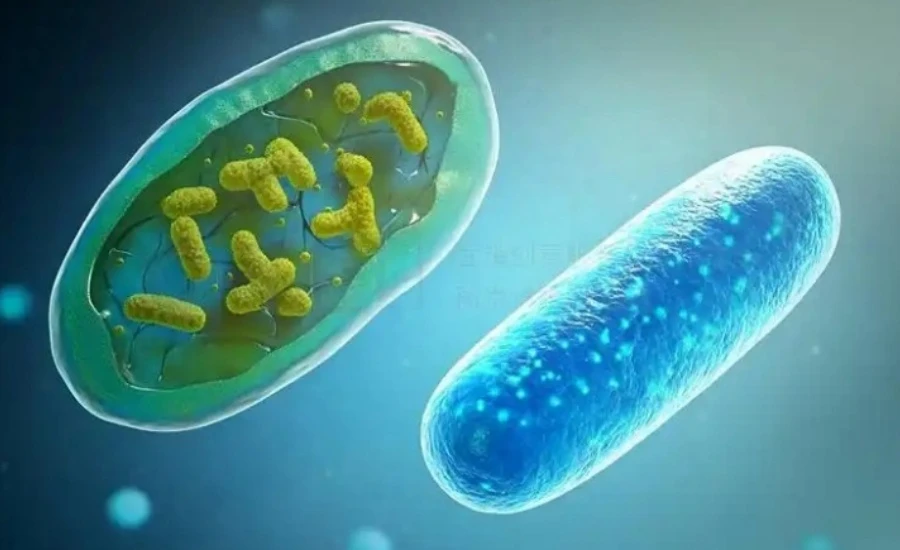
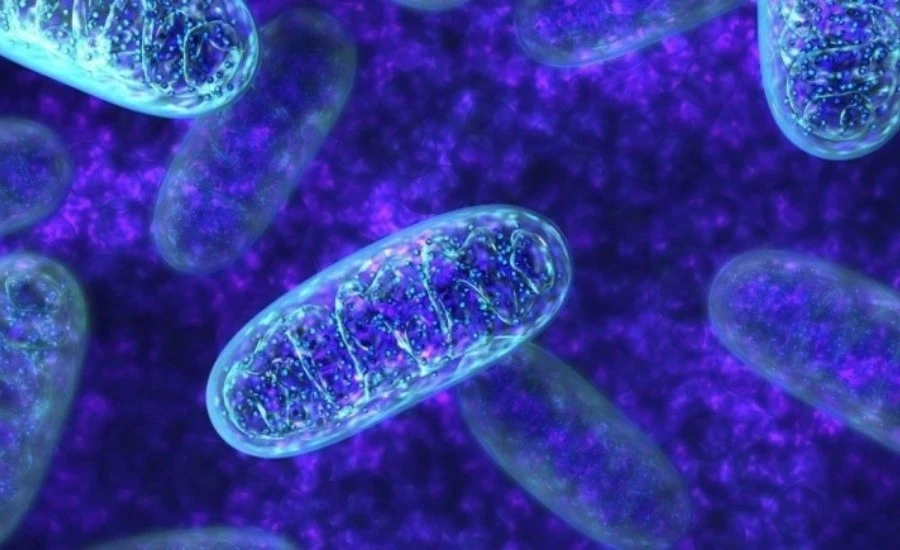
The amount and quality of mitochondria directly affect how much energy a cell can store. Researchers have found that treating cells with 5-Amino-1MQ increases the number of copies of mitochondrial DNA by 1.5 times. This suggests that biogenesis is improved. This action probably happens because NAD+ turns on SIRT1, which deacetylates PGC-1α. PGC-1α is a master driver of mitochondrial biogenesis.
In the future, scientists may be able to figure out full communication pathways that go from blocking NNMT to making mitochondria. Genetic knockdown of pathway parts could be used in studies to find out which steps are most important. To understand how effects work, it would be helpful to know whether they need SIRT1 activity, AMPK signaling, or other pathways.
Researchers could also look into how mitochondria keep the quality of their products high. To keep mitochondrial groups working, enhanced biogenesis needs to work with mitophagy.
Using mitochondrial quality markers in studies could help find out if blocking NNMT affects both the building and breaking down processes, allowing for healthy mitochondrial recycling.
Examining Substrate Oxidation Preferences
Cells constantly choose whether to burn glucose, fatty acids, or amino acids based on what is available and how much energy they need. Many metabolic diseases are marked by metabolic inflexibility, which means not being able to switch substrates in the right way. Researchers could use 5 amino 1mq peptide injection to look into how the abundance of NAD+ affects the choice of substrate.
Respirometry could be used in experimental methods to measure how much oxygen different substrates in cells or tissues exposed to the chemical use. When treated, studies have shown that genes involved in fatty acid oxidation, such as CPT1A and ACOX1, are expressed more. A more in-depth kinetic analysis could show if this is because of altered allosteric regulation, changes in cofactor availability, or changes in enzyme expression.

Researchers could also look into whether substrate preferences change during metabolic changes, such as cycles of fasting and feeding. Figuring out how blocking NNMT affects metabolic flexibility might help us come up with new ways to treat diseases that cause rigid metabolic states.
Probing Protein Acetylation Landscapes
A substance called NAD+ is used by sirtuins to remove acetyl groups from proteins all over cells. So, changes in the availability of NAD+ affect the patterns of protein acetylation, which in turn affects many cellular processes. Researchers have found that 5-Amino-1MQ turns on SIRT1, which helps certain deacetylation events happen.
Acetyl-proteomics could be used in large-scale studies to map global changes in acetylation after NNMT inhibition. Such fair methods could find targets that were not expected and show new ways to regulate things. If you look at acetylation patterns in different types of cells or metabolic processes, you might find effects that rely on the situation.
A lot of research could be done on acetylation of digestive enzymes, which controls how active they are. Finding out which enzymes go through acetylation changes could help us understand how metabolic processes affect other parts of the body and lead to the discovery of new regulatory nodes in metabolic networks.

5 Amino 1MQ Peptide Injection and New Directions in Energy Regulation Studies
Energy control happens on many levels, from the physiology of molecules to the physiology of whole organisms. To study these processes, researchers need to have access to tools that can change energy metabolism in controlled, repeatable ways. This kind of tool is provided by the compound 5-Amino-1MQ, which works specifically on NNMT.
Investigating Brown Adipose Tissue Activation
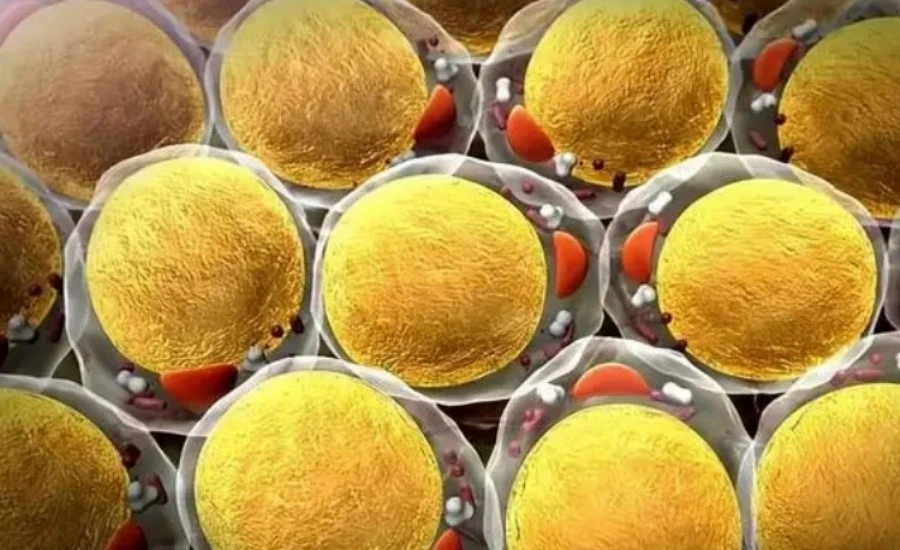
5-Amino-1MQ may influence brown adipose tissue (BAT) activity and white-fat browning. Researchers could measure thermogenic genes such as UCP1, DIO2, and PRDM16, along with oxygen consumption and heat production. Further studies should determine whether these effects depend on adrenergic signaling or involve alternative pathways, clarifying NNMT's role in energy metabolism.
Characterizing Nutrient Sensing Pathway Integration
AMPK, mTOR, and sirtuins coordinate metabolism according to nutrient availability, with NAD+ linking these pathways through NNMT. Researchers could examine how 5-Amino-1MQ affects NAD+ levels, sirtuin activity, and AMPK/mTOR signaling. Long-term studies should also assess compensatory adaptations that may alter nutrient-sensing pathways and influence treatment effectiveness.
Exploring Exercise Mimetic Potential
Exercise improves metabolism through AMPK activation, increased NAD+ demand, and mitochondrial function. Since 5-Amino-1MQ may enhance exercise-related gains, researchers could compare their transcriptomic and metabolomic signatures to identify shared and distinct pathways. Further studies should determine whether NNMT inhibition mimics or complements exercise in performance, recovery, and adaptation.

Where Could 5 Amino 1MQ Peptide Injection Research Go Next?
Asking new questions from different points of view is often necessary for scientific progress. Researchers are learning more about how to block NNMT and how NAD+ is used by cells. This is opening up new study possibilities that could make a big difference in the field.
Investigating Inter-Organ Metabolic Communication
Inter-organ metabolic communication occurs through circulating hormones, metabolites, cytokines, and extracellular vesicles. Researchers could combine tissue-specific NNMT knockout models with systemic 5-Amino-1MQ treatment to distinguish local from systemic effects. Studying adipose–liver, muscle–brain, and gut–organ interactions may reveal tissue-specific targets and explain whole-body metabolic responses.
Examining Microbiome-Metabolism Interactions
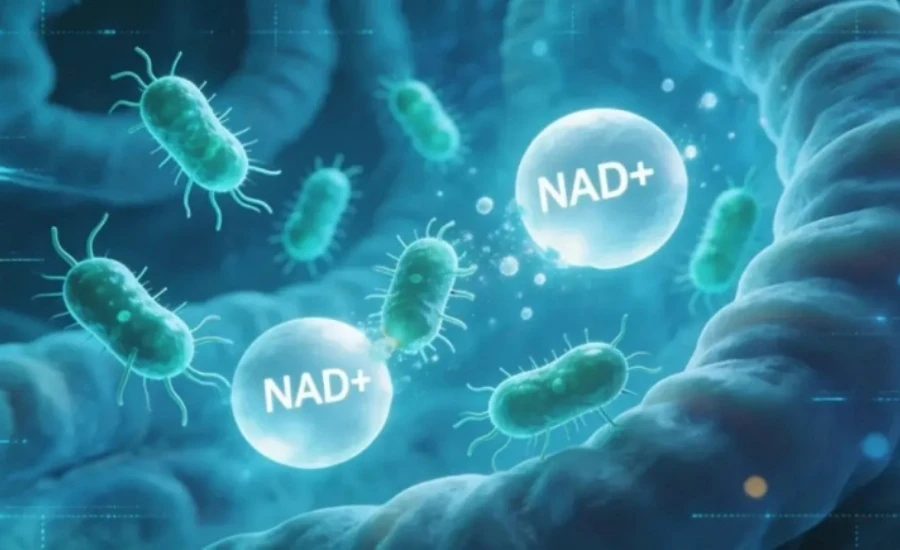
The gut microbiome influences host metabolism through microbial metabolites, immune regulation, and signaling. Research could examine how 5-Amino-1MQ alters microbiome composition and gut metabolites, and whether these changes contribute to metabolic improvements. Understanding microbiome-dependent effects may also explain individual differences in response to NNMT inhibition and clarify host–microbe interactions.
Developing Combination Metabolic Interventions
Complex metabolic diseases may require combination therapies.
Studies could examine NNMT suppression with mitochondrial nutrients, AMPK activators, or NAD+ precursors using factorial designs to identify additive, synergistic, or antagonistic effects. Researchers could also test treatment sequences and timing to determine whether specific interventions should precede others for optimal metabolic outcomes.
Conclusion
As new tools and ways of thinking about things come out, metabolic research keeps growing. The 5 amino 1mq peptide injection is a useful addition to the research toolbox because it allows precise control of NNMT activity and the metabolism of NAD+ that follows. The unique way this chemical works could help researchers who are studying how cells control energy, how mitochondria work, and how metabolic flexibility works.
It's possible that future research will find surprising links between NNMT function and other parts of the body. Researchers will get a fuller picture of metabolic control as they collect data from a wider range of experimental models and circumstances. The compound can change many parts of cellular metabolism, such as gene expression and mitochondrial function, making it a useful tool for studying how things work.
For this field to move forward, researchers must keep doing thorough work, come up with creative ways to run experiments, and talk with each other openly. The questions that have been raised throughout this discussion are not final answers, but rather starting points for further research. Metabolic study is still an active field that is changing quickly and has a lot of room for big findings.
FAQ
1.What makes 5 amino 1mq peptide injection useful for metabolic research?
+
-
Researchers can study NAD+ metabolism, methylation reactions, and how these things affect the control of cellular energy because the substance directly stops the NNMT enzyme from working. This narrow focus makes it easy to do experiments that look at how the availability of NAD+ affects the function of mitochondria, the expression of genes, and the flexibility of metabolism.
2.How does 5-Amino-1MQ differ from NAD+ precursor supplementation in research applications?
+
-
NAD+ precursors directly provide the building blocks for NAD+, but 5-Amino-1MQ stops the NNMT route from using up NAD+ precursors. This is a very different process that might protect the body's own nicotinamide instead of adding extra precursors from outside the body. Comparing these methods in research helps to explain how NAD+ balance is maintained and finds the technique that works best in certain situations.
3.What research areas could benefit most from studying NNMT inhibition?
+
-
Several areas, such as aging biology, metabolic syndrome research, mitochondrial disease research, and study into cellular senescence, could learn a lot from this. Because it changes inflammation, protein acetylation, and epigenetic regulation, the substance is also useful for studying immunometabolism and gene regulation. This tool could be useful for any study that looks at how cellular metabolism affects bigger bodily processes.
Partner with Kpeptide for Your 5 Amino 1MQ Peptide Injection Research Needs
Getting metabolic research further requires dependable access to high-quality research materials and flexible partnerships with suppliers. Kpeptide is a qualified supplier of 5 amino 1mq peptide injections. They have more than 12 years of experience making organic chemicals and pharmaceutical intermediates. Our 100,000 square meter GMP-certified production facilities meet US, EU, JP, and CFDA standards, so you can be sure that your research will be done in a way that meets all applicable laws and regulations.

We know that time limits are important for study. Our streamlined supply chain and clear price model take away the guesswork, so you can focus on experimental design instead of worrying about how to get things. We have a track record of being reliable because we are approved suppliers to 24 international biotechnology and pharmaceutical companies. Our technical support team gives you full analytical documentation, which includes HPLC and MS data to back up your research protocols with the data you need.
Kpeptide has solutions that can be changed to fit the needs of your project, whether you work for a pharmaceutical business, a research group, a CDMO, or an academic lab. Get in touch with our team to talk about your specific needs and find out how our dedication to quality, low prices, and quick service can help your metabolic research program move faster. Get in touch with us right away at sales@kpeptide.com to talk about possible partnerships.
References
1. Komatsu M, Kanda T, Urai H, et al. NNMT activation can contribute to the development of fatty liver disease by modulating the NAD+ metabolism. Scientific Reports. 2018;8(1):8637.
2. Kraus D, Yang Q, Kong D, et al. Nicotinamide N-methyltransferase knockdown protects against diet-induced obesity. Nature. 2014;508(7495):258-262.
3. Ulanovskaya OA, Zuhl AM, Cravatt BF. NNMT promotes epigenetic remodeling in cancer by creating a metabolic methylation sink. Nature Chemical Biology. 2013;9(5):300-306.
4. Hong S, Moreno-Navarrete JM, Wei X, et al. Nicotinamide N-methyltransferase regulates hepatic nutrient metabolism through Sirt1 protein stabilization. Nature Medicine. 2015;21(8):887-894.
5. Sampson CM, Dimet AL, Neelakantan H, et al. The role of nicotinamide N-methyltransferase in cellular energy metabolism. Molecular and Cellular Endocrinology. 2021;520:111093.
6. Neelakantan H, Vance V, Wang HY, et al. Selective and membrane-permeable small molecule inhibitors of nicotinamide N-methyltransferase reverse high fat diet-induced obesity in mice. Biochemical Pharmacology. 2018;147:141-152.


