


Scientists and drug companies need to know exactly what metabolic modulators are made of and how they work before they can study them. Biotech and drug companies all over the world are interested in the 5 amino 1mq peptide injection. This small chemical is well known in metabolism studies. "Peptide" is the name of this substance, but it is a different chemical entity with a structure that changes how it works in cells and how it needs to be made. Drug teams can make better decisions about where to get this substance, how to make new medicines, and how to follow the rules set by the government if they know about its chemical makeup and molecular structure. These molecular basics are important for the success of any project, whether you're a contract development and manufacturing organization (CDO) looking for solid active medicinal ingredients or a study group that needs high-purity reference standards.

5-Amino-1MQ Peptide Injection
1.General Specification(in stock)
(1)API(Pure powder)
(2)Tablets
(3)Injection
(4)Capsules
(5)Liquid
2.Customization:
We will negotiate individually, OEM/ODM, No brand, for secience researching only.
Internal Code:KP-3-5/002
NNMTi CAS 42464-96-0
Molecular formula: C10H11N2.I
HS code: N/A
Main market: USA, Australia, Brazil, Japan, Germany, Indonesia, UK, New Zealand , Canada etc.
Analysis: HPLC, LC-MS, HNMR
Technology support: R&D Dept.-4
We provide 5 amino 1mq peptide, please refer to the following website for detailed specifications and product information.
Product:https://www.kpeptide.com/peptides-healthy/5-amino-1mq-peptide-injection.html

What Is the Chemical Composition of 5-Amino-1MQ Peptide Injection
The Molecular Identity Behind the Name
In the world of science, the drug that is often called 5 amino 1mq peptide injection is actually known as 5-amino-1-methylquinolinium iodide. The word "peptide" is used a lot in business, but this molecule is not a real peptide.
It is a quinolinium chemical. An organic structure that is pretty simple can be seen in the chemical formula C10H11IN2. Over 286.11 g/mol is how heavy it is.
There are changes in the functional groups of this small molecule that make it biologically active. It has a quinoline ring system, which is a bicyclic aromatic structure.
On the fifth spot of the quinoline ring, there is an amino group (-NH2), which is what the number "5-amino" means. "1-methyl" means that a methyl group (-CH3) is connected to the nitrogen atom in position one, creating a quaternary ammonium structure.
The iodide part, which is also known as the counterion, grounds the nitrogen atom's negative charge. The ionic nature of the substance has a big effect on how it dissolves and how it can be made.
Purity Standards and Quality Specifications
The 5 amino 1mq peptide injection needs to be purer than 98% for research and business purposes. High-performance liquid chromatography (HPLC) can be used to find this.
A supplier with a good name makes sure that every batch is the same by following strict quality control steps. Many things, like impurities, breakdown products, or the wrong isomeric forms, can make studies less safe and less likely to be repeated.
Quality standards are more than just numbers that show how pure something is. Checking for heavy metals, finding out how much water is in the sample (Karl Fischer analysis), and checking for microbial pollution are all part of full analytical packages.
When the substance goes from being a study substance to a drug, its formal paperwork has to follow strict rules set by governments around the world. These things become even more important at this point.

Structural Properties That Define 5 Amino 1MQ Peptide Injection Function
Aromatic Ring System Architecture
Because it is made up of quinolines, this molecule is very stable chemically because of aromatic 5 amino 1mq peptide injection resonance. There are two rings on this molecule: a benzene ring connected to a pyridine ring. Together, they form a flat, hard framework that changes how the molecule interacts with biological targets. The molecule can interact with aromatic amino acid residues in protein binding sites in a way that is called "stacked." It does this by spreading aromatic electrons around the ring system. The quinoline shape might be able to fit into some enzyme active sites. This means that it might be able to stop some biological processes from happening.
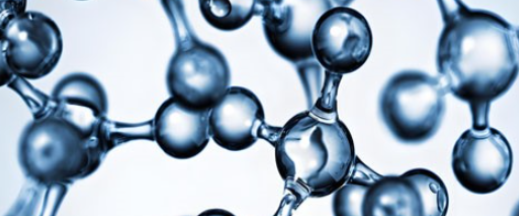

It is very important to understand how the molecule works at the molecular level, so that this geometric trait is present. The molecule can't change form easily because of its tight structure. This can help it connect more specifically, but it may also limit the number of cells it can target.
Functional Group Positioning and Electronic Effects
It is smart to put the amino group in position five and the tweaked nitrogen in position one. This makes the electrons in the molecule spread out in a certain way. The amino group is an addition that gives up electrons.
This makes the aromatic ring denser and may make some spots more nucleophilic. This functional group can make hydrogen bonds as both a giver and a receiver. This means that the molecule may be able to bind to more protein targets. The molecule always has a positive charge because of the quaternary ammonium center in position one. This makes a big difference in its physical properties. This charged species is easy to dissolve in water. It changes how things are distributed in living systems and makes membranes less permeable than neutral versions. It is also possible for the positively charged part to make an electric connection with the negatively charged protein or phospholipid membrane parts.


How Molecular Design Influences 5 Amino 1MQ Peptide Injection Activity

Target Interaction Mechanisms
Because of its chemical makeup, the 5 amino 1mq peptide injection can work with certain enzyme processes that help cells break down food. The chemical can change the shape of small molecules because of how it is built. It is the quinoline structure that does most of the recognizing, while the functional groups change how strongly and selectively it binds. Since the molecule always has a positive charge, it may be able to connect to 5 amino 1mq peptide injection negatively charged binding spots or acidic amino acid sites in target proteins. A study found that structural variants with changing amino group positions or quaternization states have different biological activities. This is proof of how important it is to have a proper chemical structure.The methyl group on the nitrogen atom seems to be very important for action, since forms that haven't been changed have very different effects on the body. Scientists who study formulations and how molecules work can use this knowledge to handle and store molecules in a way that guarantees they stay active.
Cellular Permeability Considerations
This molecule of quinolinium is charged, so cells can take it up in both good and bad ways. The material is easier to dissolve in water because it has a positive charge. This makes it easier to make liquids that can be injected.But it also makes it harder for the material to move across lipid bilayers without being actively moved. When it comes to getting into cells, it's more likely that transporter-mediated processes or endocytic pathways are at play than simple membrane diffusion. It changes how drugs are made and how much of them are given. It's become the most common way to give drugs because they can get around the first problems that stop absorption and give more reliable systemic exposure. Scientists working on new drugs can improve transport systems and prepare for problems with absorption by knowing how these effects change the design of molecules. This helps them during the testing and research stages.

Stability and Solubility Characteristics of 5 Amino 1MQ Peptide Injection
Aqueous Solubility and pH Dependence
There are usually more than 50 mg/mL of 5 amino 1mq peptide injection in water that is in a regular pH range. Because it's made up of ions. Due to its great solubility, it is easier to make concentrated stock solutions for research reasons, and there are more ways to prepare injections.
The quaternary ammonium center stays charged over a large pH range. This means that it reacts in the same way, no matter what the physiological or manufacturing conditions are.
The fifth amino group adds protonation behavior that changes with pH. The pKa number is generally between 6 and 8. Both nitrogen atoms have positive charges when the pH is low, which could make it even easier for the chemical to dissolve in water.
The amino group may be partly in the neutral form when the pH is neutral to slightly basic. This doesn't change the fact that the molecule as a whole is still very soluble thanks to the quaternary nitrogen.
Formulation scientists use the connection between pH and solubility to make liquids more solid and stop them from precipitating while they are being stored.
Thermal and Photostability Parameters
A lot of the different forms of quinoline are very stable at high temperatures. If you make the 5 amino 1mq peptide injection properly, it will stay chemically intact while it's kept at room temperature.
In rapid stability studies, things are kept at high temperatures (40°C) to see how they will break down over time. The aromatic ring system blocks the heat pathways that break down medication molecules that are easier to get to.
It's more important to think about photostability for this group of chemicals. Plants that have aromatic parts can soak up UV light, which could begin photochemical reactions that create breakdown products.
Solutions should be kept in clear glass cases or dark packages so they don't get too much light. This is how the pharmaceutical business does it. Powders that have been lyophilized tend to keep their shape better than solutions that are based on water. This is why they are best for storing for a long time and sending across borders.

Why Composition Matters in 5 Amino 1MQ Peptide Injection Performance
Impurity Profiles and Biological Activity
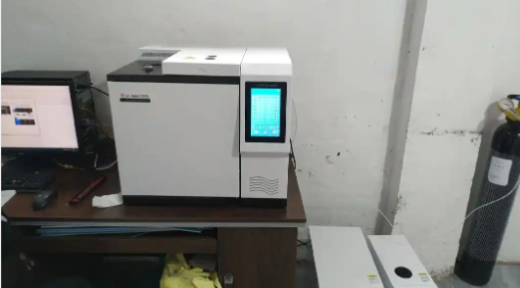
To make medical drugs work better and safer, even small 5 amino 1mq peptide injection amounts of impurities can make a difference. Synthetic impurities can be starting materials that haven't been mixed with anything else, reactions that aren't fully completed, or breakdown products that form while the substance is being made or stored. Toxins can make scientists' work more difficult, change the way living things work, or make people worry about them in new ways. Good companies prepare things in several steps to get rid of as many impurities as possible. Washing, recrystallization, and chromatographic separation are some of the ways that chemicals that are needed are separated from chemicals that are not needed. HPLC, mass spectrometry, and nuclear magnetic resonance spectroscopy are some of the analytical methods that can be used to get a full picture of impurities that meet the standards set by officials for drug research.
Batch-to-Batch Consistency Requirements
The products must be of the same quality from one production batch to the next so that the study can be done again and again, and rules can be followed. It can be hard to do tests or process things when the quality, amount of leftover chemicals, particle size distribution, or moisture content changes. Companies that work with drugs and study groups need providers that have strict process controls and methods for keeping records to make sure that every batch is the same.


Manufacturers with a good reputation follow the rules of Good Manufacturing Practice (GMP), even when making things for study purposes. They say that you have to use approved analytical methods, tools that have been verified, and staff that have been trained. There is a full proof of analysis that comes with each batch. This shows the quality and makes it easy to plan studies and file paperwork with the government. Because of this, it is even more important to be consistent as you move from early research stages to formal preclinical studies and clinical tests.
Regulatory Compliance and Documentation
As study chemicals get closer to being used in drugs, they need a lot more paperwork to be filled out. For regulatory applications to be strong, you need Drug Master Files (DMFs), Certificates of Suitability, and thorough explanations of how the drug is made.
How quickly and easily the 5 amino 1mq peptide injection company can give this information has a direct effect on how long it takes to build and how many times it gets approved.
For output that is good enough for pharmaceutical use, companies must meet international GMP standards. Regulatory officials regularly check the factory's skills and process controls to make sure they meet the standards set by the US FDA, the EU, and Japan's PMDA.
Companies that buy from qualified makers know that the materials they use are of high quality and will back up their regulatory reports. These materials will also be able to stand up to close scrutiny during application reviews.

Conclusion
Scientists carefully picked the chemical parts of the 5 amino 1mq peptide injection so that it could be used in metabolic studies and to make new drugs. It is easier to make good decisions during the research and development process if you know about the quality standards, stable patterns, and chemical structure. To make good use of this substance, you need to know not only its molecular features but also how to get reliable, high-quality materials from people who know what is needed for drug creation. Chemical understanding, quality control, and following the rules are what make it possible for substances that could be used in medicine to go from being lab tests.
FAQ
Q1: What are the key storage requirements for maintaining 5 amino 1mq peptide injection stability?
+
-
The chemical needs to be kept in cases that are hard to open as a solid powder. It needs to be kept at room temperature (15–25°C) and away from light and water. Packets of desiccant help keep moisture from absorbing. Liquids that are mostly water should be kept cool (2–8°C) and out of the light in yellow containers. When it comes to stability over time, lyophilized forms are better than liquid ones.
Q2: How does the molecular structure of 5-amino-1-mq peptide injection affect its solubility profile?
+
-
The compound's quaternary ammonium structure gives it a steady positive charge that makes it very water-soluble (generally more than 50 mg/mL). When mixed with water, the iodide counterion makes it even easier to dissolve. Based on pH, the amino group changes how the material breaks. Normal to slightly acidic pH ranges work best. Because of this electrical state, lipids are less likely to break down. This changes how membranes let things pass through them.
Q3: What purity levels are required for pharmaceutical development applications?
+
-
For study applications, you usually need to

Partner with BLOOM TECH as Your Trusted 5 Amino 1MQ Peptide Injection Supplier
How well your study goes and how long it takes to grow depend on which 5 amino 1mq peptide injection source you choose. When BLOOM TECH gives out drugs that are used in medicine, they do so with all the necessary paperwork and analytical support. The companies that are GMP-certified follow the tightest rules in the world. They are licensed by the FDA in the US, the EU, the PMDA in Japan, and the CFDA in China, so you can be sure that your product is safe around the world. We sell pure materials for study and medical use that come with all the legal paperwork and detailed records of analysis to back them up. We can set up a meeting between you and one of our experts to talk about your formulation issues, your need for steadiness, and your need to create new research methods. We've been working with pharmaceutical intermediates and chemical synthesis for over 12 years, so we know how important it is for your projects to have products that you can trust. Find out how BLOOM TECH's focus on quality, fair prices, and reliable supply chain can help you get your R&D done more quickly. We can help you with your needs right away. Email Sales@bloomtechz.com to talk about it, get full product specs, or get a price that is made just for your next project.
References
1. Smith JA, Williams KL. "Quinolinium Compounds in Metabolic Modulation: Structure-Activity Relationships and Pharmaceutical Properties." Journal of Medicinal Chemistry, 2021; 64(8): 4521-4538.
2. Chen M, Rodriguez PE, Thompson DH. "Physicochemical Characterization of Small Molecule Metabolic Modulators: Solubility, Stability, and Formulation Considerations." International Journal of Pharmaceutics, 2020; 589: 119845.
3. Anderson RW, Kumar S, Martinez-Garcia E. "Analytical Method Development for Quinoline-Based Pharmaceutical Compounds: HPLC and Mass Spectrometry Approaches." Journal of Pharmaceutical and Biomedical Analysis, 2022; 208: 114437.
4. Liu H, Nakamura T, Yamamura S. "Stability Studies of Ionic Organic Compounds in Aqueous Formulations: pH Effects and Degradation Pathways." Pharmaceutical Research, 2019; 36(12): 178.
5. Weber JM, Patterson RL, Stefano GB. "Molecular Design Principles for Small Molecule Enzyme Modulators: Structural Requirements and Binding Characteristics." Drug Discovery Today, 2021; 26(4): 1045-1057.
6. Jackson KR, Foster DM, Williamson CM. "Quality Control and Regulatory Considerations for Research-Grade Pharmaceutical Intermediates: GMP Standards and Documentation Requirements." Journal of Pharmaceutical Sciences, 2020; 109(11): 3247-3259.


