A lot of complicated cellular processes keep the metabolism in check so that cells can make energy. Nicotinamide adenine dinucleotide (NAD+) is one of these. It is very important for controlling metabolism, DNA repair, and cellular respiration. Researchers have recently learned more about how changing certain enzymes may change how certain peptide medicines break down NAD+. Researchers are using a new tool called the 5 amino 1mq peptide injection to study metabolism. They want to see how it works with nicotinamide N-methyltransferase (NNMT) and how that changes the source of NAD+. Understanding the link between peptide-based medicines and cellular energy pathways is becoming more and more important for metabolic studies, science, and pharmaceutical research. The way 5-amino-1-methylquinolinium affects NAD+ metabolism can help us figure out how cells use energy better and how to improve metabolism. The article talks about the science behind how this peptide shot changes NAD+ routes, the enzymes that are involved, and what this means for the way cells use energy in general.

5-Amino-1MQ Peptide Injection
1.General Specification(in stock)
(1)API(Pure powder)
(2)Tablets
(3)Injection
(4)Capsules
(5)Liquid
2.Customization:
We will negotiate individually, OEM/ODM, No brand, for secience researching only.
Internal Code:KP-3-5/002
NNMTi CAS 42464-96-0
Molecular formula: C10H11N2.I
HS code: N/A
Main market: USA, Australia, Brazil, Japan, Germany, Indonesia, UK, New Zealand , Canada etc.
Analysis: HPLC, LC-MS, HNMR
Technology support: R&D Dept.-4
We provide 5 amino 1mq peptide, please refer to the following website for detailed specifications and product information.
Product:https://www.kpeptide.com/peptides-healthy/5-amino-1mq-peptide-injection.html

How Does 5 Amino 1MQ Peptide Injection Regulate NAD+ Pathways?
Some metabolic enzymes that control nicotinamide metabolism are linked to the 5-amino-1-methylquinoline peptide injection. These enzymes control the NAD+ pathways. Many things that cells do are made easier with NAD+. It helps with glycolysis, the citric acid cycle, and oxidative phosphorylation, among other things. The metabolic rate slows down when cells have less NAD+. This could change how cells work and how much energy they make.
Understanding NAD+ Metabolism and Cellular Function
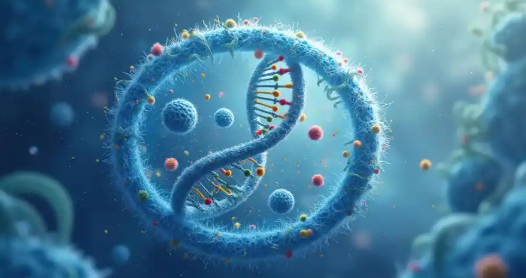
The amount of NAD+ in cells is always shifting between oxidized (NAD+) and reduced (NADH) forms as biological processes happen. Over 400 biochemical processes depend on this coenzyme, which means that every cell needs it to stay alive. The de novo pathway starts with tryptophan, the Preiss-Handler pathway starts with nicotinic acid, and the salvage pathway starts with nicotinamide. These are the three main ways the body makes NAD+. The salvage process is the main way that NAD+ is turned back on in human cells. Nicotinamide phosphoribosyltransferase (NAMPT) changes nicotinamide into nicotinamide mononucleotide (NMN). After that, NMN turns into NAD+. Nicotinamide can be changed by NNMT into N-methyl-nicotinamide, but this can't be used to make NAD+. The amount of NAD+ that is available can change a lot because of this competing route.

Systemic Distribution and Tissue-Specific Effects
The 5-amino-1-methylquinolinium substance is injected and then goes through the bloodstream to different areas that have varying amounts of NNMT expression. Adipose tissue, liver, and muscle are the key places where NNMT works because they have a lot of it. What happens to different organs depends on how active NNMT is to begin with, how much NAD+ is present, and how much energy the body needs. The physiological factors determine how well the peptide gets into certain systems and maintains high levels of inhibition. The drug gets to all parts of the body through injection without going through the first round of processing in the liver, which could lower uptake. By looking at how drugs are spread in tissues, scientists and drug makers can make better dosing plans and guess how metabolism will work in different body situations.

5 Amino 1MQ Peptide Injection and NNMT Inhibition Mechanism
As a result of the 5 amino 1mq peptide injection stopping NNMT, certain structural interactions happen at the enzyme's active site. NNMT changes nicotinamide into N-methyl-nicotinamide and S-adenosylhomocysteine by giving it a methyl group. This reaction pulls nicotinamide out of the route that saves NAD+. This is a metabolic branch point that has a big impact on how cells handle NAD+.
Structural Basis of NNMT Enzyme Inhibition
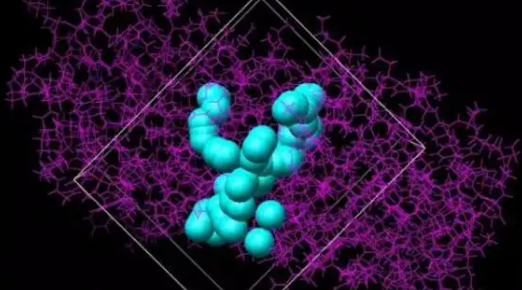
NNMT is an enzyme in the methyltransferase family. A special part of it can bind both the substrate (nicotinamide) and the cofactor (S-adenosylmethionine). Some parts of 5-amino-1-methylquinolinium's structure are like nicotinamide's, but there are some differences that make it better at binding and blocking. Natural nicotinamide can't get to the area where the reaction takes place because the quinolinium core structure is in the spot where the substrate is bound. Scientists have used crystallography to look at NNMT and found important amino acid groups that help it find targets and do its thing. A part of the inhibitor, called an amino group, forms hydrogen bonds with some residues. The methylquinolinium molecule then sets up hydrophobic and electrostatic interactions that keep the enzyme-inhibitor complex steady. A competitive suppression profile is made up of molecules that interact with each other and try to bind to the same spot.
Selectivity and Specificity Considerations
The 5-amino-1-methylguanidine peptide injection can be useful for research if it works well with NNMT and not with other methyltransferases. Many methyltransferase enzymes that work with different types of substrates are coded for in the human DNA. It's possible for studies to go wrong or for body impacts to happen that weren't supposed to happen when selective NNMT blocking is used. Biochemical tests that check the specificity of an inhibitor generally look at how well it works against groups of enzymes that are linked. Tests like these show that the 5-amino-1-methylquinolinium scaffold binds to NNMT better than other methyltransferases. The selectivity profile comes from the inhibitor working well with NNMT's unique active site design. This design is a little different from other related enzymes, but they all do the same job.

Does 5 Amino 1MQ Peptide Injection Increase NAD+ Availability?
What we want to know about the 5 amino 1mq peptide injection is whether stopping NNMT makes cells have more NAD+ that can be measured. Researchers who study biochemical pathways think that lowering nicotinamide methylation should keep the NAD+ production substrate. To see if this idea works in the lab, we need to check how much NAD+ is in cells that have been treated with peptides.
Measuring NAD+ Levels in Biological Systems
It is hard to get a good reading on NAD+ because it is active and changes in different organs. Some of the methods used for analysis are enzyme cycle tests, liquid chromatography-mass spectrometry (LC-MS), and tools that use light to find things. Each method has its own pros and cons when it comes to sensitivity, accuracy, and sample handling. Researchers looking into metabolic treatments need to use testing methods that have been tried and tested and have been shown to work in order to get the right NAD+ readings.A number of different types of experiments have been carried out to find out how stopping NNMT changes the amount of NAD+. Some of these are cell growth techniques, animal models, and studies of certain organs. These studies show that stopping NNMT can sometimes raise NAD+ levels, mostly in tissues that have a lot of NNMT already. There are different types of tissues, different metabolic states at the start, and different amounts of NAD+ that can be raised.
Time-Dependent Effects on Cellular NAD+ Pools
The way NAD+ changes over time after a peptide shot tells us a lot about how 5 amino 1mq peptide injection metabolism works. Long-term NNMT suppression that lasts for days or weeks may have different effects than short-term suppression that lasts for hours. The first reactions might be caused by quick changes in where substrates are found. Long-term effects might include more flexible changes in enzyme expression or metabolic pathway flux.Researchers who look at NAD+ levels at different times after a dose help explain these time trends. These kinds of studies help us figure out when to give a drug and tell the difference between biological effects that happen directly and reactions that happen after the drug is given. To make new drugs and do studies that need to guess how metabolism will change, it's important to understand these time-dependent processes.
NAD+ Salvage and Energy Cycling with 5 Amino 1MQ Peptide Injection
The NAD+ salvage route is a key way for human cells to keep NAD+ levels steady. Because processes that use up NAD+ keep making nicotinamide, this path always turns it back into NAD+. This creates a good metabolic loop. The 5-amino-1-mq peptide injection could help this salvage process work better by slowing the loss of nicotinamide through methylation by NNMT.
The Salvage Pathway and Metabolic Efficiency
In the NAD+ salvage route, NAMPT is the enzyme that moves the least quickly. Phosphoribosyl pyrophosphate (PRPP) helps it change nicotinamide to NMN. This enzyme reaction changes how well cells can take back nicotinamide that has been used up by processes. In theory, stopping NNMT increases the flow of the salvage route, which makes more substrates available for NAMPT. The salvage cycle ends when NMN adenylyltransferases change NMN to NAD+. It doesn't matter how much substrate is available or how much NAD+ cells need; these two steps always happen. Muscles, the heart, and the liver all use a lot of energy, so they need the salvage pathway to work well so that NAD+ levels stay high enough for metabolic activities.
Redox Balance and Metabolic Homeostasis
Cells' redox state and metabolic state can be seen in the amount of NAD+ to NADH they have. This number changes many enzyme processes and communication paths that depend on how much energy cells have. This important number might change when NNMT is blocked or when other things happen that change how NAD+ is used. This could have an impact on how metabolism is managed. The make, use, and replacement of NAD+ must all work together to keep the right NAD+/NADH balance. The salvage path helps keep this balance because it reuses nicotinamide well. More substrates for the salvage pathway may be made available by the peptide injection. This may help keep the NAD+/NADH ratios in a good range when the body is under a lot of metabolic stress or needs a lot of energy.

Cellular NAD+ Optimization Driven by 5 Amino 1MQ Peptide Injection
Increasing the amount of NAD+ in cells is a goal of research and therapy in many areas, such as metabolic studies, engineering, and drug development. With the 5-amino-1-mq peptide injection, NAD+ changes in a way that is different from when you take in straight NAD+ precursors or turn on sirtuin.
Comparative Approaches to NAD+ Enhancement
Increasing the amount of NAD+ in cells can be done in various ways, and each one has its own unique effect. Adding nicotinamide riboside (NR) or NMN directly as a NAD+ intermediate can help make metabolic substrates that skip over some enzyme steps. Direct control methods, on the other hand, include starting enzymes that make NAD+ or stopping enzymes that use NAD+. Injecting peptides to lower NNMT is not the same as air, and they have helpful customer service if you are a research school, biotechnology business, contract development and manufacturing organization (CDO), or pharmaceutical company that wants to learn more about NAD+ metabolism. Get in touch with our sales team to talk about your needs for a 5 amino 1mq peptide injection.
We can help you reach your study goals faster with the quality and reliability you expect. Adding precursors stops substrate loss instead of adding more substrate. This difference could be useful when the body is still making enough nicotinamide, but the substrate pool is getting too low because of too much NNMT activity. When researchers know these changes in how treatments work, they can pick the best ones for different research or treatment goals.
Tissue-Specific Metabolic Considerations
Each tissue has its own metabolic and NNMT expression patterns. This means that blocking NNMT has various impacts on each tissue. Adipose tissue usually has a lot of NNMT and may have big changes in NAD+ after a peptide injection.
It can also be found in the kidneys, liver, and skeletal muscle, though the amounts are different depending on the body's metabolism and health. The body's metabolism and how it is controlled are affected by effects that are unique to organs. If the amount of NAD+ in adipose tissue changes, it might impact how fats are broken down, how adipokines are produced, and how insulin affects the body. Changing the amount of NAD+ in the liver can affect how glucose is controlled, how lipids are made, and how xenobiotics are broken down. It is important to understand these processes that happen only in certain tissues in order to predict what will happen in the body as a whole.
Long-Term Metabolic Adaptation and Homeostasis
If you stop NNMT for a long time with frequent peptide injections, your metabolism may change in ways that aren't immediately clear to your body.
Cells have control systems that can tell when the amount of NAD+ changes and act on it. Some of these are sirtuins and other enzymes that rely on NAD+ and control regulatory processes. Over a long time, these compensatory responses could either make the changes in NAD+ stronger or weaker. Long-term research on NNMT decrease helps tell the difference between biochemical changes that only last a short time and changes that happen over a long period of time. These tests find out if cells can keep their NAD+ levels high even when NNMT is blocked for a long time or if they canz get back to normal even though NNMT is still blocked. You can use these results to figure out how much to give and to guess what will happen over time with long-term peptide treatment.

Conclusion
It is possible to change how cells use NAD+ by stopping NNMT with the 5 amino 1mq peptide injection. Nicotinamide methylation might be stopped by this peptide, which could leave substrates open for the NAD+ salvage route. There might be more NAD+ in cells after this. Based on science, this plan works because stopping some enzymes can cause bigger changes in metabolism through well-known biological processes. Scientists study effects that are unique to tissues, changes over time, and how these two processes work with other metabolic pathways to learn more about the link between NNMT activity and NAD+ control. Scientists and drug makers can use the peptide shot to learn more about how metabolism works and how NAD+ works. More is being learned about how NAD+ is broken down by scientists. Targeted actions like stopping NNMT may aid metabolic studies and the development of new drugs. The biochemistry of NAD+ is very involved. It has many biosynthetic paths, many consuming processes, and links to how cells make energy. To see how important it is to be exact when planning metabolic changes, look at this. Because the 5-amino-1-methylquinolinium structure only reacts with NNMT, it can be used as a research drug to find out how nicotinamide methylation changes the balance of NAD+ and how metabolism works.
FAQ
1. What is the primary mechanism by which 5 amino 1mq peptide injection affects NAD+ levels?
+
-
This peptide blocks NNMT only, so the enzyme can't change nicotinamide to N-methyl-nicotinamide. Nicotinamide is a substrate that can get into the NAD+ salvage pathway through NAMPT action. This blockage keeps it blocked. Cells might be able to get more NAD+ this way. Nicotinamide can either help make NAD+ or go through methylation, which can't be undone. This is what the process is aiming for.
2. Which tissues show the most significant response to NNMT inhibition?
+
-
Some tissues naturally have a lot of NNMT and are the ones that respond most strongly to reduction. Adipose tissue, the liver, and some types of skeletal muscle express relatively high NNMT levels. So, these are the main places where the peptide injection might have an effect on the making of NAD+. The strength of the response depends on the type of tissue that has NNMT, the amount of NAD+ that is already there, and the workload of the metabolism.
3. How does NNMT inhibition differ from direct NAD+ precursor supplementation?
+
-
If you block NNMT, the NAD+ metabolic pathway doesn't lose substrate, and the synthesis pathway gets more substrate by adding more intermediates. We use the peptide injection method to target a certain enzyme process that interferes with the creation of NAD+. On the other hand, precursors give straight steps to processes that happen later, like NMN or nicotinamide riboside. These changes in how things work could have different metabolic effects, depending on how active NNMT was to begin with and the cell's metabolic state.

Partner with BLOOM TECH as Your Trusted 5 Amino 1MQ Peptide Injection Supplier
You can get 5 amino 1mq peptide injection from BLOOM TECH, which you can trust. They offer a full quality warranty and sell drugs that are safe for use in medicine. For more than 12 years, we've been making organic compounds and fine chemicals. We can give you research-grade peptides that meet the high-quality standards (≥98%) needed for drug development and metabolic research. We have GMP-certified factories that follow all the rules to make sure that the quality of your NAD+ pathway study stays the same. These factories are approved by the US-FDA, the EU, the Japan PMDA, and the CFDA. From the time you place an order until it arrives, our dedicated technical team takes care of everything. This includes providing detailed analysis data (HPLC, MS), flexible packing, and a stable supply chain, which is important for keeping your study going. The prices at BLOOM TECH are fair, and they have helpful customer service if you are a research school, biotechnology business, contract development and manufacturing organization (CDO), or pharmaceutical company that wants to learn more about NAD+ metabolism. Get in touch with our sales team at Sales@bloomtechz.com to talk about your needs for a 5-amino-1-mq peptide injection. We can help you reach your study goals faster with the quality and reliability you expect.
References
1. Kraus D, Yang Q, Kong D, et al. Nicotinamide N-methyltransferase knockdown protects against diet-induced obesity. Nature. 2014;508(7495):258-262.
2. Campagna R, Mateuszuk L, Wojnar-Lason K, et al. Nicotinamide N-methyltransferase in endothelium protects against oxidant stress-induced endothelial injury. Biochimica et Biophysica Acta - Molecular Cell Research. 2021;1868(1):118889.
3. Ulanovskaya OA, Zuhl AM, Cravatt BF. NNMT promotes epigenetic remodeling in adipose tissue through the regulation of S-adenosylmethionine. Nature Chemical Biology. 2013;9(5):300-306.
4. Komatsu M, Kanda T, Urai H, et al. NNMT activation can contribute to the development of fatty liver disease by modulating the NAD+ metabolism. Scientific Reports. 2018;8(1):8637.
5. Revollo JR, Grimm AA, Imai S. The NAD biosynthesis pathway mediated by nicotinamide phosphoribosyltransferase regulates Sir2 activity in mammalian cells. Journal of Biological Chemistry. 2004;279(49):50754-50763.
6. Cantó C, Menzies KJ, Auwerx J. NAD+ metabolism and the control of energy homeostasis: a balancing act between mitochondria and the nucleus. Cell Metabolism. 2015;22(1):31-53.