


Obesity is a concern for health care systems globally, impacting millions struggling with weight control and metabolic health. But researchers find that traditional methods frequently don't work and are looking for novel answers. Enter 5 amino 1mq peptide. This small-molecule compound is buzzing around scientific circles interested in how our bodies store and burn fat.

1.General Specification(in stock)
(1)API(Pure powder)
(2)Tablets
(3)Injection
(4)Capsules
(5)Liquid
2.Customization:
We will negotiate individually, OEM/ODM, No brand, for secience researching only.
Internal Code:KP-3-5/002
NNMTi CAS 42464-96-0
Molecular formula: C10H11N2.I
HS code: N/A
Molecular weight: 286.11
EINECS number: 464-196-0
Main market: USA, Australia, Brazil, Japan, Germany, Indonesia, UK, New Zealand , Canada etc.
Analysis: HPLC, LC-MS, HNMR
Technology support: R&D Dept.-4
It selectively inhibits an enzyme called nicotinamide N-methyltransferase (NNMT), which surprisingly has a function in metabolic control. This peptide is different from traditional weight reduction methods which focus on suppressing hunger or blocking nutrition absorption, but instead operates at the cellular level to regulate adipose tissue activity. Researchers have shown that this chemical modulates NNMT activity and influences key metabolic pathways that regulate fat storage, energy expenditure, and cell differentiation.
With more studies coming out on 5 amino 1mq peptide , it is becoming more interesting to learn the molecular basis of obesity . Scientists are especially interested in how this peptide affects NAD+ levels, a crucial coenzyme in energy metabolism, and activates pathways linked to cellular lifespan and metabolic health. Such processes may allow redefining the obesity as a complicated metabolic illness that needs specific molecular therapies rather than lifestyle changes.

How Is 5 Amino 1MQ Peptide Studied in Obesity Research?
Experimental Models in Metabolic Research
When studying the 5 amino 1mq peptide, researchers usually use more than one experimental method to fully understand its effects. Scientists can study cellular responses without having to deal with the complexity of whole-organism systems when they use 3T3-L1 preadipocytes in vitro studies. When cells are subjected to different amounts of the peptide, these cell cultures make it possible to measure very accurately differentiation markers, lipid buildup, and changes in gene expression.
Animal models, especially obese mice that were put on a diet, are very important for testing how well something works in real life. To make these models work like real people who are overweight, high-fat foods are given to mice for long periods of time. This causes them to gain weight, get more fat, and have problems with their metabolism. Researchers can see changes in the animals' body makeup, how much energy they use, how sensitive their bodies are to insulin.
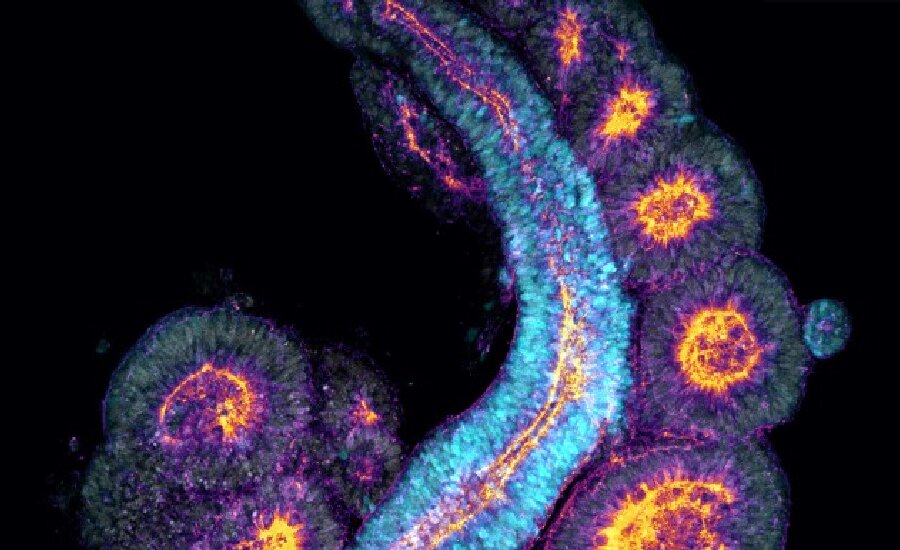
And how certain genes are expressed in different tissues when they give these animals the 5 amino 1mq peptide.
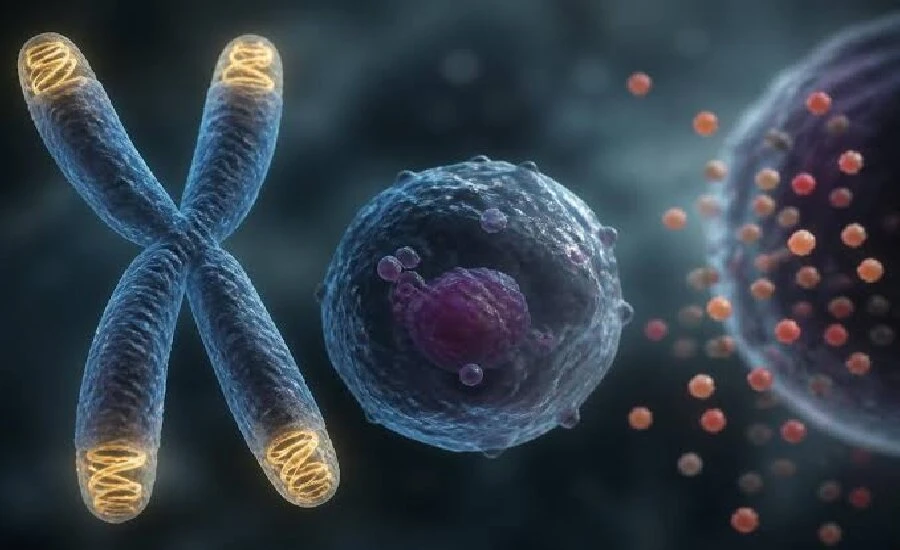
These models are improved by using more advanced mathematical methods. High-performance liquid chromatography (HPLC) checks the quality and quantity of compounds, and mass spectrometry finds changes in the metabolism of people who have been treated. Researchers also use imaging technologies to see where fat tissue is located and how much fat is in different organs. This gives them a lot of information about how the peptide affects metabolism throughout the body.
Dosing Protocols and Treatment Duration
The scientific methods used to study this compound depend on the goals of the research. 11–14-day short-term studies help find out about sudden changes in gene expression or enzyme activity and how the metabolism reacts. Researchers can see right away how these protocols change weight and metabolic markers when they are given every day at doses ranging from 10 to 30 mg/kg body weight.
Studies that last at least 28 days give us information about long-term effectiveness, safety, and possible adaptive responses.
These longer treatments show if the metabolic changes seen at the start last over time and if the animals treated have any bad effects. During these long protocols, researchers carefully watch what people eat, how active they are, the weight of their organs, and their blood chemistry to make sure they do a full safety review.
Dose-response tests help find the best times to start and stop treatment. Scientists find the lowest amount that changes metabolism in a real way without exposing people to unnecessary risks by comparing different dose levels. Having this knowledge is very helpful for figuring out how to use lab results in the real world, setting safety limits, and learning how compound concentration affects biological reaction.
Measuring Metabolic Outcomes
Different ways of measuring are needed to figure out how much the peptide affects things. Body composition and weight analysis methods, such as dual-energy X-ray absorptiometry (DEXA), can tell the difference between losing fat mass and keeping lean tissue.

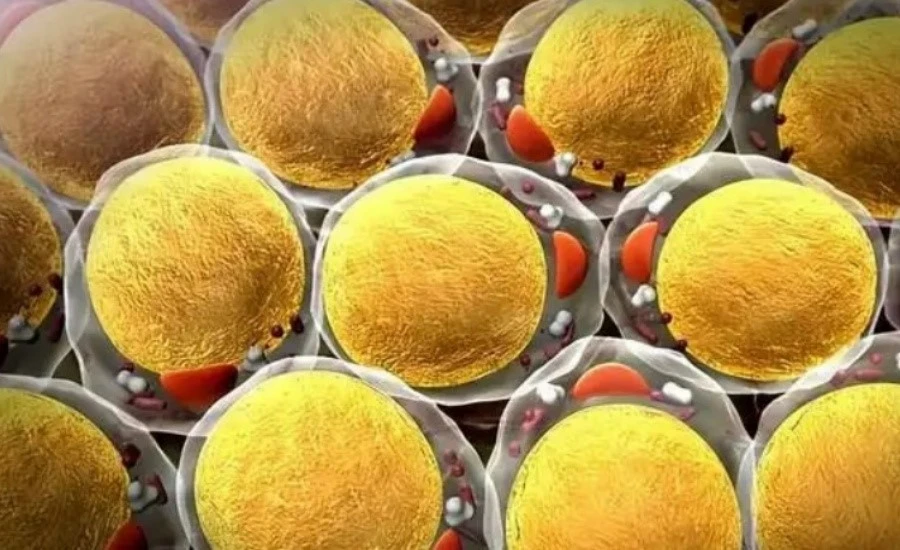
This is an important difference to make because healthy weight loss should focus on losing fat mass while keeping muscle mass.
Metabolic cage systems let you keep an eye on how much oxygen is being used and how much carbon dioxide is being made, as well as how much energy is being used and how much fuel is being used. These readings show if the animals that were handled burn more calories when they're at rest and if they prefer to burn fats over carbohydrates, which are both important signs of how flexible their metabolism is.
Molecular analyzes give us information about how things work. Scientists take RNA from fat, liver, and muscle to check how active genes are in making fat, breaking down fat, reducing inflammation, and using energy. Western blotting tests the proteins to see if changes in gene expression lead to changes in the amounts of enzymes. Samples of blood show metabolites, hormones, and inflammatory markers that show the metabolic status of the whole body.

5 Amino 1MQ Peptide and Adipose Tissue Metabolism
Adipocyte Differentiation and Maturation
There are two ways that adipose tissue grows: existing fat cells getting bigger (hypertrophy) and new fat cells forming from precursor cells (hyperplasia). As adipocytes differentiate into adult adipocytes that can store fat, the second step is known as adipogenesis. According to research, NNMT activity goes up during this differentiation process, and this higher activity seems to help adipocytes mature.
Researchers see big drops in adipogenesis markers when they add the 5 amino 1mq peptide to preadipocytes that are starting to differentiate. Key transcription factors like PPARγ (peroxisome proliferator-activated receptor gamma) and C/EBPα (CCAAT/enhancer-binding protein alpha) are less active. These factors control the genetic program that turns preadipocytes into cells that store fat. Studies show that the peptide stops more than 70% of adipogenesis at a concentration of 30 μM compared to controls that were not treated.
The peptide's effect on NAD+ availability seems to be linked to this reduction. During its methylation processes, NNMT usually uses up NAD⁺.

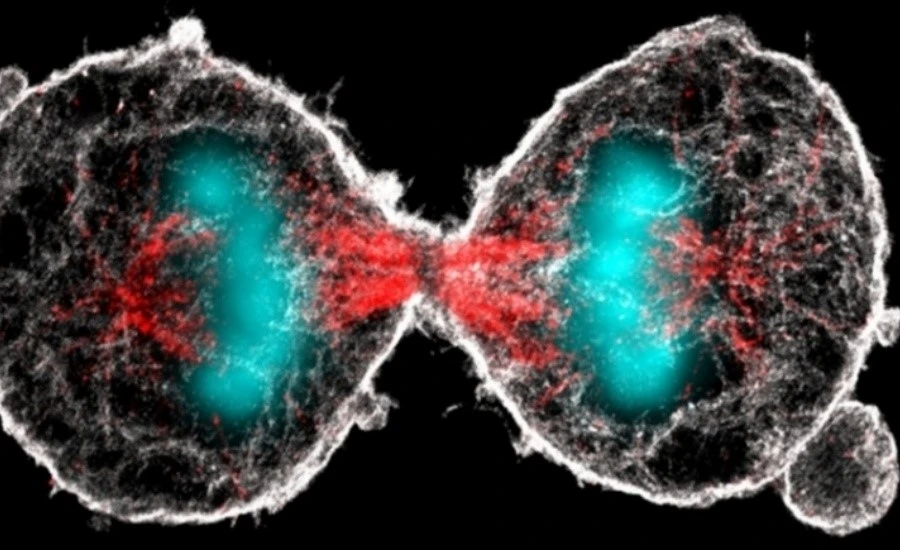
The molecule protects cellular NAD+ stores by blocking NNMT. This then turns on sirtuins, especially SIRT1, a protein deacetylase that controls metabolism and has been linked to pathways for long life. When SIRT1 is activated, it stops adipogenic transcription factors from working. This stops preadipocytes from developing into adipocytes that are full of fat.
Inflammatory Modulation in Adipose Tissue
Metabolically healthy fat is different from metabolically damaged fat in one essential pathological feature: inflammation associated with obesity. In the overweight individual adipocytes are stressed and secrete pro-inflammatory signals which recruit immune cells, notably macrophages, to adipose depots. These macrophages, once in, generate a prolonged inflammatory milieu with increased levels of tumour necrosis factor-alpha (TNF-α), interleukin-6 (IL-6) and other cytokines.
The anti inflammatory benefits of 5 amino 1mq peptide have been examined and satisfactory findings are shown. "The mice on a high-fat diet, when given peptides, significantly reduce inflammatory markers in their fat tissue.
Under the microscope, the tissue shows decreased macrophage invasion, meaning fewer immune cells are accumulating in fat storage.
This reduction in inflammation is associated to improved metabolic parameters, suggesting that the peptide's anti-inflammatory actions are part of its beneficial benefits.
These anti-inflammatory effects are achieved via a number of routes. Inhibition of NNMT increases NAD+ levels. This activates SIRT1, which deacetylates and inhibits NF-κB that regulates the expression of proinflammatory genes. Also, the treated adipocytes generate higher levels of particular lipid compounds that assist quell inflammation, such as palmitic acid hydroxy stearic acids (PAHSAs). This switch from an inflamed adipose milieu to an anti-inflammatory one helps to normalise metabolism and insulin sensitivity.
Lipid Handling and Triglyceride Dynamics
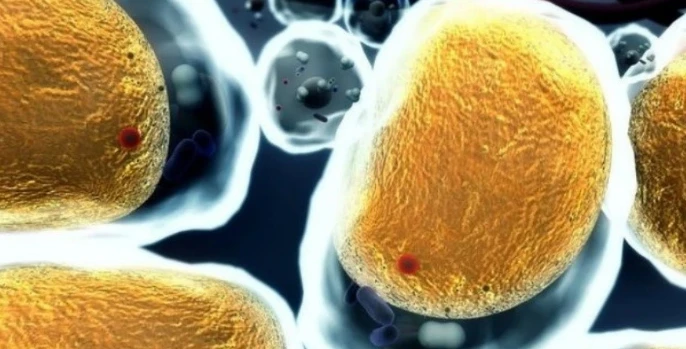
NNMT inhibition by 5-Amino-1MQ redirects lipid metabolism from storage to mobilisation. Treated animals demonstrate increased ATGL and HSL activity, decreased FAS and ACC expression and enhanced metabolic rates[31]. The fatty acids released are quickly oxidised, especially in muscle and brown fat, leading to fat loss without the need for calorie restriction.


What Can 5 Amino 1MQ Peptide Research Tell Us About Fat Storage?
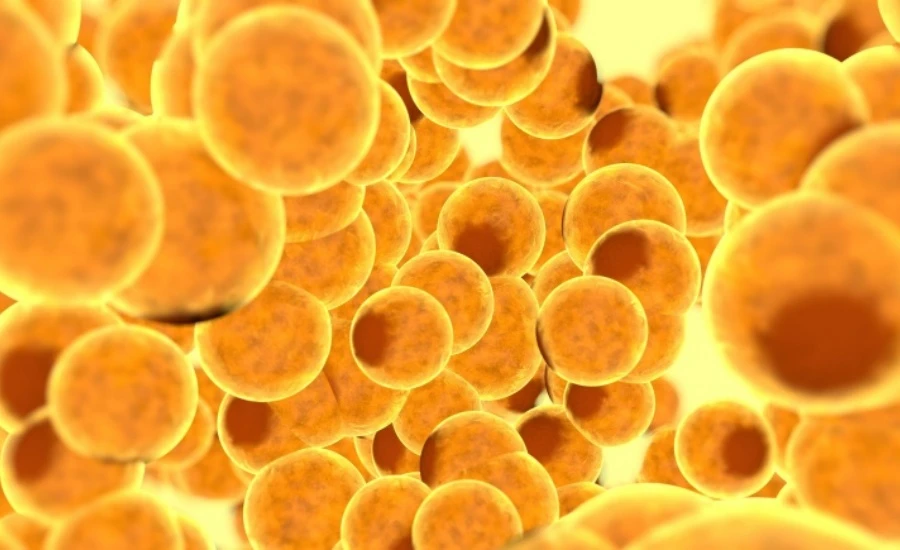
To solve the problem of obesity, we still need to know how our bodies choose whether to store fat or burn it. The study of the 5 amino 1mq peptide sheds light on previously unknown mechanisms that control these choices. The fact that NNMT expression is linked to how bad obesity is across species suggests that this enzyme controls energy balance in a way that has been passed down through evolution.
Studies show that as obesity gets worse, NNMT levels rise in fatty tissue. This creates a feedback loop: more fat storage leads to higher NNMT expression, which lowers NAD+ levels, speeds up SIRT1 activity, and creates conditions that encourage more fat storage. This makes the metabolism less flexible, and adipocytes get stuck in storage mode, not responding to messages that would usually make them use fat when they don't have enough energy.
The peptide's ability to break this cycle shows that fat storage isn't just an inactive result of eating too many calories;
It's a process that is actively controlled by molecular barriers. Researchers can change the behavior of adipocytes from storing fat to letting them move fat around by targeting one of these gatekeepers. This new information supports NNMT as a true therapeutic target and suggests that metabolic interventions might have better results if they target regulatory processes instead of just making energy deficits by decreasing appetite.
Also, research shows that NNMT expression and function are different in different tissues. Visceral adipose tissue is the fat that surrounds organs and is bad for your metabolism. It often has higher NNMT levels than subcutaneous stores. In animal models, peptide treatment reduces visceral fat accumulation more than other types of fat. This suggests that it might be possible to target the most unhealthy parts of fat. This selectiveness could lead to metabolic effects that aren't as great as those that happen when all fat stores are reduced at the same rate.

NNMT Inhibition and Energy Expenditure in 5 Amino 1MQ Peptide Studies

Mitochondrial Function and Oxidative Capacity
NNMT suppression with 5-Amino-1MQ increases cellular NAD⁺ availability, supporting mitochondrial respiration and ATP production. Studies report higher oxygen consumption and basal metabolic rates after treatment, suggesting increased energy expenditure. Enhanced NAD⁺ levels may also improve metabolic flexibility by promoting efficient fat oxidation, potentially reducing ectopic lipid accumulation and insulin resistance.
Muscle Metabolism and Physical Performance
Adipose tissue gets most of the study interest when it comes to obesity, but skeletal muscle is just as important for energy balance and metabolic health. At rest, muscles use up a lot of energy, and they are also the main place where insulin stimulated glucose uptake happens. Even though it has been studied less than NNMT expression in adipose stores, it seems to be related to metabolic activity in muscle tissue.
Findings from a study that looked at how 5 amino 1mq peptide affects muscle are very interesting.
Older mice that were treated with the peptide have about 40% better grip strength than control mice. This suggests that the peptide affects muscle performance in ways other than just metabolic effects. This increase in strength could be due to better mitochondrial function in muscle fibers, better protein synthesis, or less inflammation interfering with the machinery that contracts.
Another clinically important finding is that the peptide helps keep muscle mass while fat is being lost. A lot of weight-loss methods, especially those that severely limit calories, lead to a loss of lean body mass along with fat loss. Losing muscle slows down your metabolism, which makes you more likely to gain weight when you start eating normally again. Studies show that animals given the peptide lose mostly fat mass while keeping or even slightly gaining lean mass. This is a good change in body makeup that should help them keep their weight off.
Thermogenesis and Brown Adipose Activation
Brown adipose tissue (BAT) burns energy as heat through non-shivering thermogenesis and is generally less active in obesity.
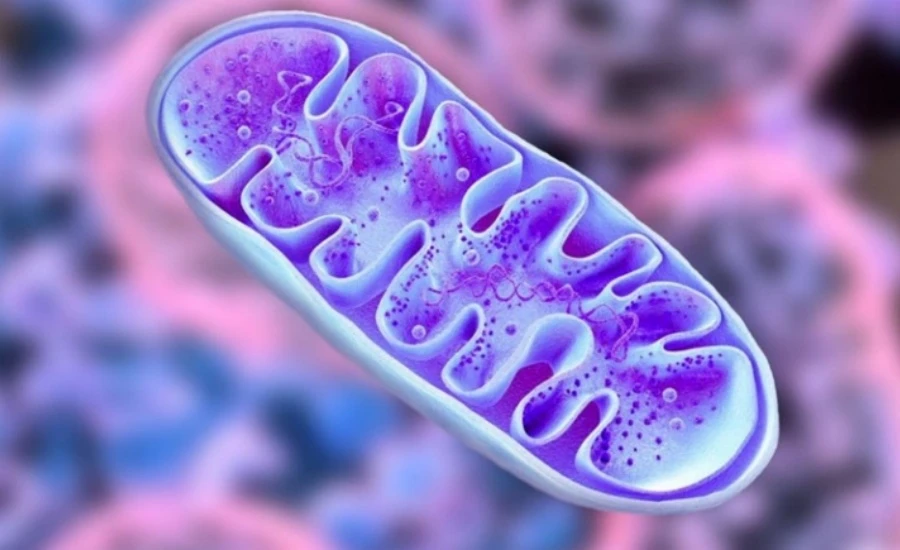
NNMT inhibition may increase NAD⁺ availability, improve brown adipocyte mitochondrial function, and promote white-fat browning. Early studies report higher UCP1 and thermogenic markers, suggesting increased energy expenditure, though further research is needed.

5 Amino 1MQ Peptide: From Adipocyte Biology to Obesity Research
Early cellular findings with 5-Amino-1MQ-including reduced adipocyte differentiation, altered gene expression, and less fat accumulation-were reflected in animal studies, supporting translation from in vitro to whole-organism outcomes. However, long-term effects also depend on inter-organ communication, hormones, behavior, circadian rhythms, and neural pathways, requiring broader research.
Research on NNMT inhibition shows how a single metabolic regulator can influence fat storage, insulin sensitivity, inflammation, and energy use. It also highlights the complexity beyond "calories in versus calories out" and suggests that restoring NAD⁺ during aging may help address obesity, metabolic dysfunction, and age-related decline.
NNMT inhibition complements existing obesity research by addressing metabolic pathways distinct from appetite suppressants, absorption inhibitors, and incretin-based treatments. Studies suggest combining it with diet, exercise, or other therapies may produce stronger effects than single interventions. Future research should determine how best to integrate NNMT inhibition into multimodal obesity treatment strategies.
Conclusion
The study of the 5 amino 1mq peptide is a new and exciting area of obesity research. It gives us new ideas about how metabolism works and possible ways to help people who are overweight. This small-molecule regulator changes basic processes that control how fat is stored, how much energy is used, and metabolic health by going after NNMT. Studies show that this method lowers fat mass, makes insulin work better, lowers inflammation, and improves metabolic flexibility through well-known molecular processes.
The peptide is different from other treatments because it can help you lose fat while keeping your lean mass, burn more calories without making you hungry, and improve metabolic factors across multiple organs. Together, these features and the fact that NNMT inhibition has been shown to be safe in experimental studies make it look like a potential area that needs more research.
As research moves from lab models to possible clinical uses, there are still a lot of questions that need to be answered. Dosage schedules that work best, long-term safety and effectiveness, response difference between individuals, and combining with other medicines are all things that need to be studied in a planned way. Despite this, there is strong scientific evidence to support further research and suggests that targeting metabolic regulatory pathways like NNMT may lead to new ways of dealing with the persistent global problem of obesity.
FAQ
1.What makes 5 amino 1mq peptide different from traditional weight loss approaches?
+
-
In contrast to common ways that mainly reduce hunger or stop the intake of nutrients, this peptide works at the molecular level by stopping the activity of the NNMT enzyme. This process changes how adipocytes store and release fat, raises energy levels by improving mitochondrial function, and lowers inflammation in adipose tissue. According to research, these effects happen without a big change in how much food is eaten. This means that weight loss is caused by changes in metabolism rather than eating less. This may make the weight loss last longer and reduce the common side effects that come with suppressing your appetite.
2.How long does it take to see metabolic changes with 5 amino 1mq peptide in research studies?
+
-
Preclinical research shows that metabolic responses happen pretty quickly, and changes in gene expression can be seen just a few days after treatment starts. In animal models, changes in body composition can be seen within 11 to 14 days, and the fat loss continues over the course of longer 28-day protocols. Increases in energy use show up early on in treatment programs, which helps people lose fat over time. The quick reaction points to direct metabolic effects rather than slow adaptive changes. However, the best treatment time for long-lasting benefits is still being studied.
3.Can research on this peptide help us understand why some people struggle more with weight management?
+
-
New data suggests that NNMT expression changes a lot between people and is linked to how obese someone is. Some people may have higher NNMT activity because of their genes or their surroundings, which can make their metabolisms more likely to store fat than move it around. This would make it harder to lose weight, even if you ate right and worked out. Understanding NNMT's function helps explain why people are different in how likely they are to become overweight and how well they respond to treatment. This could lead to more personalized methods in the future, where people's metabolic traits are taken into account when designing treatments. This study shows that obesity isn't just a matter of willpower; it's also caused by measurable biological differences that affect how the body uses energy.
Looking for a Reliable 5 Amino 1MQ Peptide Supplier?
In terms of research and development, Kpeptide is at the top of the field. They offer high-purity 5 amino 1mq peptide provider options and have over 12 years of experience in organic synthesis and pharmaceutical intermediates. Our production sites are GMP-certified by the US, EU, Japan, and the CFDA. They make sure that the quality is research-grade by providing full analytical documents, such as HPLC and MS verification. As approved providers to 24 international biotechnology and pharmaceutical companies, we offer highly consistent batches, reasonable prices with clear cost structures, and top-notch technical support for your obesity research projects. To help you reach your scientific goals, our professional team provides one-on-one service with clear communication, accurate wait times, and dependable cold-chain operations.

Whether you're studying how adipocytes differentiate, metabolic pathways, or how to help people lose weight, Kpeptide gives you the consistent quality and regulatory compliance that your research needs. Get in touch with our experts at sales@kpeptide.com to talk about your specific needs.
References
1. Kannt A, Rajagopal S, Kadnur SV, et al. A small molecule inhibitor of Nicotinamide N-methyltransferase for the treatment of metabolic disorders. Scientific Reports. 2018;8:3660.
2. Kraus D, Yang Q, Kong D, et al. Nicotinamide N-methyltransferase knockdown protects against diet-induced obesity. Nature. 2014;508(7495):258-262.
3. Ulanovskaya OA, Zuhl AM, Cravatt BF. NNMT promotes epigenetic remodeling in cancer by creating a metabolic methylation sink. Nature Chemical Biology. 2013;9(5):300-306.
4. Hong S, Moreno-Navarrete JM, Wei X, et al. Nicotinamide N-methyltransferase regulates hepatic nutrient metabolism through Sirt1 protein stabilization. Nature Medicine. 2015;21(8):887-894.
5. Brachs S, Polack J, Brachs M, et al. Genetic Nicotinamide N-Methyltransferase (Nnmt) deficiency in male mice improves insulin sensitivity in diet-induced obesity but does not affect glucose tolerance. Diabetes. 2019;68(3):527-542.
6. Campesi I, Occhioni S, Tonolo G, et al. Ageing/menopausal status in healthy women and ageing in healthy men differently affect cardiometabolic parameters. International Journal of Medical Sciences. 2016;13(2):124-132.


