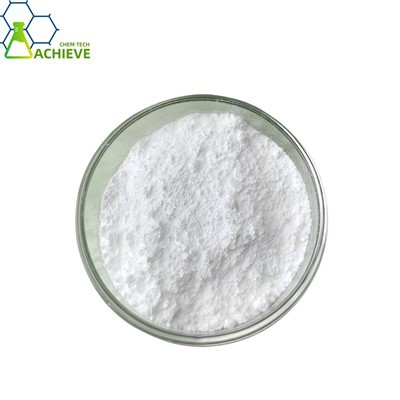

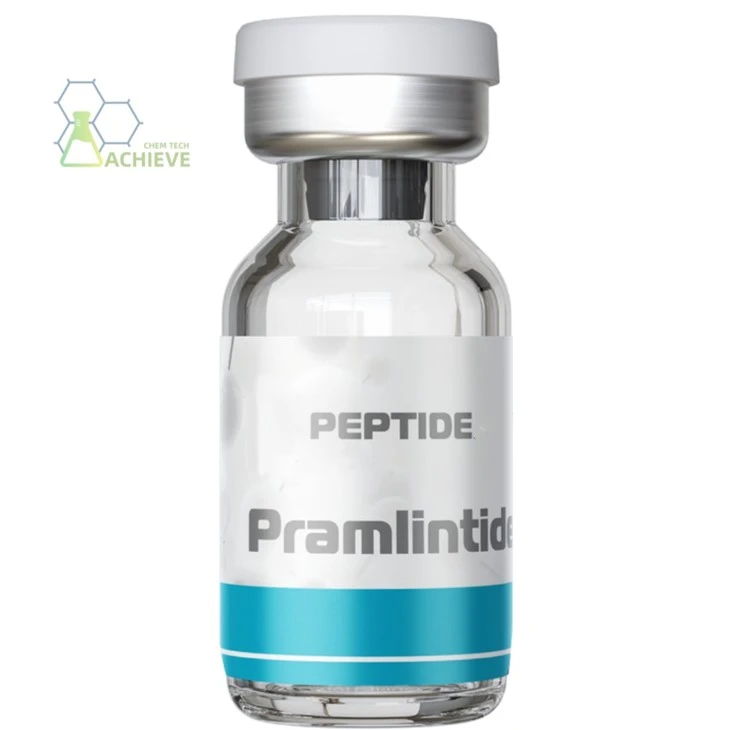


Pramlintide peptide is a synthetic analogue of pancreatic amyloid polypeptide (Amylin), which has important clinical application value as an anti diabetes drug. Usually white in color, with high purity (generally up to 99%), molecular formula C171H267N51O53S2. C2H4O2.H2O, molecular weight approximately 4027.46. It is a stable non polymerized isomer formed by replacing the amino acids at positions 25, 28, and 29 of pancreatic amyloid peptide with proline, overcoming the disadvantages of natural pancreatic amyloid peptide such as instability, easy hydrolysis, high viscosity, and easy aggregation in solution.
Source: ChemicalBook, 39 Health Network
Products Description

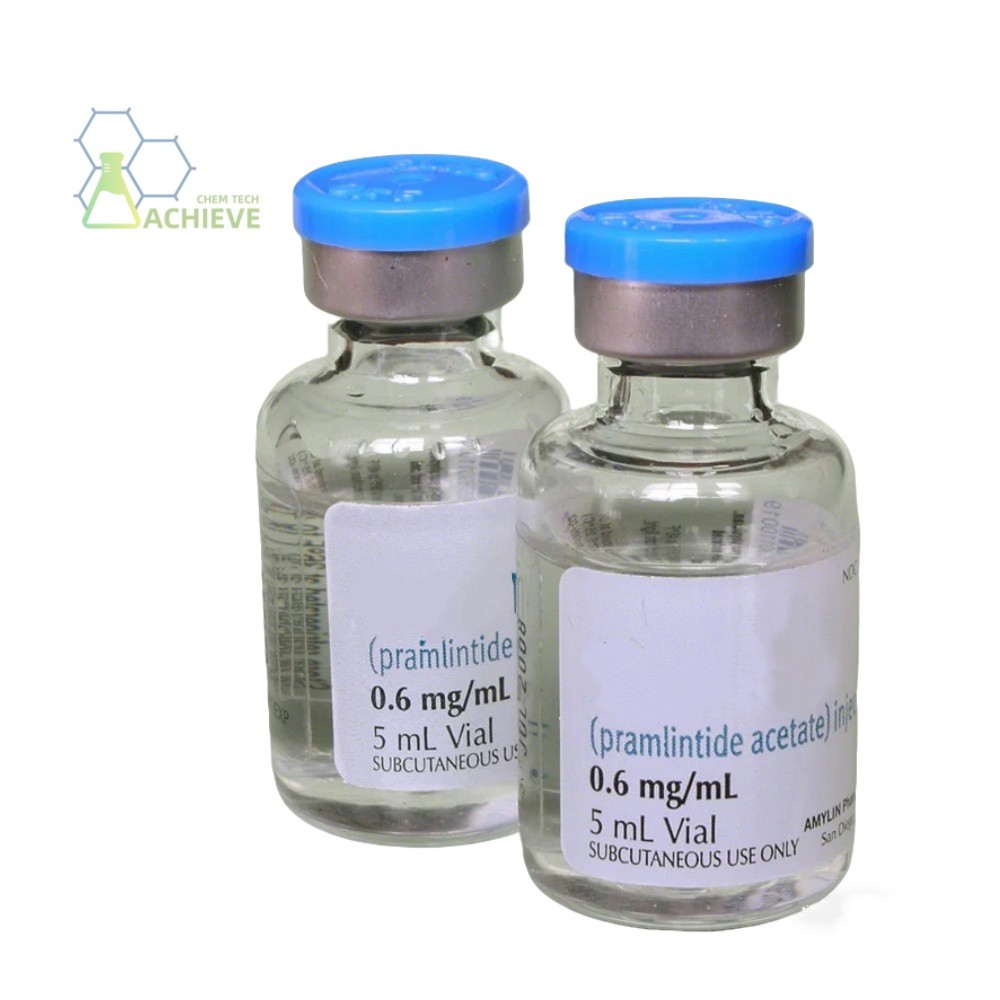



Pramlintide COA


Pramlintide peptide is a synthetic analogue of pancreatic amyloid polypeptide, which has important clinical application value as an anti diabetes drug.
Solid-phase synthesis method
Method Overview
Solid phase synthesis is currently one of the most commonly used methods for the synthesis of Pramlintide powder. This method adopts a gradual condensation strategy, using Rink Amide AM resin as a carrier, and coupling amino acids to the resin one by one through a specific condensing agent to form a fully protected linear pramlintide resin. Subsequently, the protective groups were removed by cracking solution, and the target product was obtained through oxidation, purification, and other steps.
Specific steps
Resin preparation and amino acid coupling:
Choose an appropriate resin (such as Rink Amide AM resin) as the carrier, swell the resin with DMF (N, N-dimethylformamide), and remove the Fmoc (fluorenylmethoxycarbonyl) protecting group.
According to the amino acid sequence of Pramlintide, the Fmoc protected amino acids are coupled onto the resin from the C-terminus to the N-terminus. Coupling reactions typically use condensing agent systems such as HBTU (hexafluorophosphate benzotriazole-1-yl-oxytriphenylphosphine)/HOBt (1-hydroxybenzotriazole)/DIEA (diisopropylethylamine).
Cracking and deprotection:
After completing the coupling of all amino acids, use a lysis buffer (such as a mixed solution of TFA/benzyl sulfide/phenol/H ₂ O/EDT/TIS) to remove the protective groups and obtain the free form of fully protected linear pramlintide.
Oxidation and Purification:
The molecule of Pramlintide contains two cysteine residues that need to be oxidized to form a pair of disulfide bonds. Common oxidation methods include air oxidation, DMSO oxidation, and hydrogen peroxide oxidation. Among them, the hydrogen peroxide oxidation method is widely used due to its advantages of simplicity, convenience, and no need for filtration and purification in the intermediate process.
The crude pramlintide after oxidation was purified by semi preparative reverse phase high performance liquid chromatography (RP-HPLC) to obtain high-purity pramlintide powder.
Source of information:
The Zhihu column "Solid phase synthesis of Pramlintide" provides a detailed introduction to the specific steps and experimental conditions of solid-phase synthesis, including resin selection, use of condensing agents, ratio of cracking solution, and oxidation and purification methods.
Three segment synthesis method
Method Overview
The three segment synthesis method is a method of synthesizing pramlintide molecules by dividing them into three segments through orthogonal protecting groups, and then connecting the segments through specific coupling reactions. This method can overcome the problems of low yield and poor purity in traditional solid-phase synthesis, and improve synthesis efficiency and product purity.
Specific steps
Fragment synthesis:
According to the amino acid sequence and structural characteristics of pramlintide, it is divided into three fragments for synthesis. The synthesis of each fragment can be achieved through solid-phase synthesis or solution phase synthesis.
During fragment synthesis, orthogonal protecting groups (such as Fmoc/NSC) are used to protect amino acids to ensure that no side reactions occur during fragment ligation.
Fragment coupling:
Perform coupling reactions on the synthesized three fragments in a specific order. The coupling reaction is usually carried out in solution, using specific coupling agents (such as 6-Cl-HOBt, TCTU, etc.) and bases (such as DIEA) to promote the reaction.
After the coupling reaction is completed, the intermediate is detected and purified by methods such as HPLC and mass spectrometry.
Deprotection and purification:
After completing the coupling of all fragments, use appropriate deprotection reagents (such as TFA, triisopropylsilane, phenol, etc.) to remove the protective groups and obtain the target product.
After deprotection, the crude pramlintide was purified by RP-HPLC to obtain high-purity pramlintide peptide .
Source of information:
The patent "Method for Preparing Pramlintide" published by X Technology Network provides a detailed introduction to the specific steps and experimental conditions of the three fragment synthesis method, including fragment division, selection of protective groups, coupling reaction conditions, and deprotection and purification methods.

Pranin has unique advantages in the treatment of type 2 diabetes by regulating blood glucose metabolism through multiple targets:
Improving blood glucose control:
Significantly reducing HbA1c, decreasing the need for exogenous insulin dosage, and lowering the risk of hypoglycemia.
Stabilize postprandial blood glucose:
Delay gastric emptying+inhibit glucagon, reduce blood glucose fluctuations, and lower the risk of cardiovascular complications.
Assisted weight management:
The weight loss effect is comparable to GLP-1 receptor agonists, but the risk of hypoglycemia and gastrointestinal side effects is lower, and the cost-effectiveness ratio is higher.
Its core applicable population includes those who fail to reach the standard of insulin treatment, those who have large fluctuations in postprandial blood glucose and those who need weight intervention, providing an important choice for individualized treatment of type 2 diabetes. In the future, with the in-depth study of the physiological function of pancreatic amyloid polypeptide, the potential application of prallin peptide in the fields of pre diabetes intervention, obesity related metabolic diseases and so on is worth further exploring.


(1) Common adverse reactions
There may be some adverse reactions during the process of weight loss. The most common of these are gastrointestinal symptoms, such as nausea, vomiting, etc. In type 1 diabetes patients, the incidence of nausea is high, about 40% of patients will have nausea symptoms; The incidence of nausea in type 2 diabetes patients is about 20%. In addition, neurological symptoms such as headache and dizziness may also occur. These adverse reactions are usually more pronounced in the early stages of treatment and gradually alleviate with prolonged treatment time. Patients should closely monitor their own reactions during use, and seek medical attention promptly if serious adverse reactions occur.
For relevant safety information, please refer to Research on Therapeutic Drugs for diabetes and other materials.
(2) Low blood sugar risk
Although it does not cause hypoglycemia on its own, it is usually used in combination with insulin. Insulin has the effect of lowering blood sugar, and when combined with pramlintide, it may increase the risk of hypoglycemia caused by insulin. Therefore, when using these two drugs in combination, patients should reduce their insulin dosage during meals in advance and closely monitor their blood glucose levels, especially in the early stages of treatment and dosage adjustment, to prevent the occurrence of hypoglycemia.
Relevant risk information can refer to materials such as the "Endocrinology and Metabolic Disease Diagnosis and Treatment Manual - Insulin Linpeptide GLP".

Storage conditions
Storage conditions are crucial for its stability and effectiveness.
Powder type should be freeze-dried at -20 ℃ and stored away from light, with a shelf life of up to 3 years; If stored at 4 ℃, the shelf life is 2 years.
If the powder is dissolved in a solvent, the storage conditions are more stringent: it can be stored for 6 months at -80 ℃, and only for 1 month at -20 ℃. Ice packs should be used for transportation, and adjustments may need to be made according to the different products.
Source: AbMole official website
Safety and Adverse Reactions
It has shown good safety in clinical applications, but some adverse reactions may also occur. Common adverse reactions include gastrointestinal symptoms such as nausea and vomiting, which are usually more pronounced in the early stages of medication and may gradually alleviate with prolonged use. In addition, as mentioned earlier, the combination with insulin may increase the risk of hypoglycemic reactions.
Source: Endocrine Disease Drug Therapy, 39 Health Network

Research progress and future prospects
With the deepening of the understanding of the pathogenesis of diabetes, the research of new anti diabetes drugs such as Pranin is also advancing. In the future, breakthroughs are expected in the following areas:
Optimize the administration method:
Urrently, pramlintide peptide is mainly administered via subcutaneous injection. In the future, more convenient administration methods may be developed, such as oral formulations or transdermal patches, to improve patient medication compliance.
Expanding indications:
In addition to diabetes, the potential application value in other metabolic diseases such as obesity, nonalcoholic fatty liver disease, etc. is gradually revealed, and its indication range may be expanded in the future.
Research on combined drug use:
Further explore the combined drug use scheme with other anti diabetes drugs or metabolic regulation drugs to play a synergistic role and improve the therapeutic effect.
Hot Tags: pramlintide peptide, China pramlintide peptide manufacturers, suppliers, salcatonin injection, intranasal desmopressin acetate, best glp 1 peptide, prilocaine felypressin, glp1 shot, etelcalcetide structure