Pramlintide tablets are a novel oral hypoglycemic drug developed based on Pramlintide. Prallin peptide is a synthetic amylin analog, which is similar to the amylin secreted by human body in structure and function, and shows unique value in the treatment of diabetes.
In terms of applicable population, it is mainly applicable to patients with type 1 and type 2 diabetes, especially those who still have poor GLs control after iletin treatment. It can be used as an auxiliary treatment drug of iletin to help further stabilize GLs.
Products Description

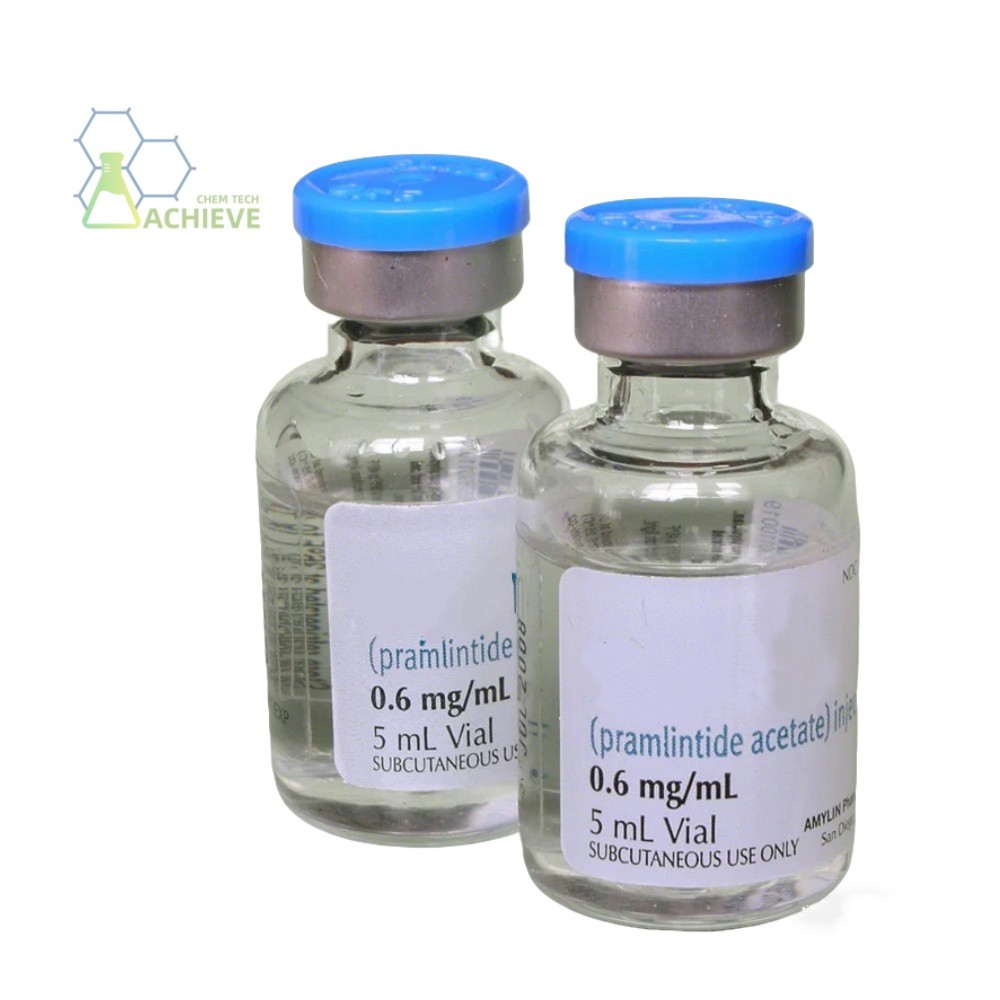



Pramlintide COA


Pramlintide tablets are a synthetic analogue of pancreatic amyloid peptide, possessing all the functions of pancreatic amyloid peptide. It is not mainly used in tablet form, and the current common administration method is subcutaneous injection before meals. However, basic information on its weight reducing mechanism and effects is of great significance for understanding its potential tablet applications. It can inhibit the release of glucagn, delay gastric emptying and inhibit food intake. It has been approved by FDA as an adjunctive treatment of iletin therapy for patients with type 1 and type 2 diabetes, and has shown some effect in weight management.
For relevant research information, please refer to the current situation and progress of diabetes drugs.
The mechanism of weight loss

(1) Inhibition of glucagon secrtion
Glucagn secrtion is one of the main causes of postprandial hyperglycemia. Under normal circumstances, the postprandial glucagn secrtion will be inhibited, but the postprandial glucagn secrtion of type 1 and type 2 diabetes patients is often not completely inhibited, or even increased. It can inhibit the abnormal secrtion of glucagn and reduce the release of glucose from the liver. The liver is an important organ for glucose metabolism in the body. When glucagn secrtion decreases, liver glycogen breakdown and gluconeogenesis weaken, thereby reducing the release of glucose into the bloodstream and lowering GLs levels. At the same time, due to the decrease in GLs fluctuations, the body's demand for iletin is relatively reduced, which helps to improve iletin resistance and has a positive impact on weight control.
This mechanism is detailed in materials such as the "Endocrinology and Metabolic Disease Diagnosis and Treatment Manual - Iiletin Linpeptide GLP".
(2) Delay gastric emptying
By acting on the posterior vagus nerve plexus of the brainstem, it promotes gastric vagal nerve signal transduction and slows down gastric emptying rate. The prolonged residence time of food in the stomach slows down the rate of glucose absorption in the small intestine, prolonging the time for glucose absorption into the bloodstream, thereby reducing the early postprandial GLs peak. When the rate of GLs rise slows down, the body does not rapidly secrete large amounts of iletin to lower GLs, reducing the role of iletin in promoting fat synthesis and inhibiting fat breakdown. In addition, delayed gastric emptying can also cause a sense of fullness and reduce food intake. For example, after eating, due to the slow emptying of food in the stomach, the stomach remains in a state of fullness, transmitting signals of satiety to the brain, thereby suppressing the desire to eat again, helping to control total calorie intake and achieve the goal of weight loss.

This mechanism is detailed in materials such as the "Endocrinology and Metabolic Disease Diagnosis and Treatment Manual - Insulin Linpeptide GLP".

(3) Inhibition of feeding
It can bind to the pancreatic amyloid receptor on the membrane of brain neurons, and act on the hypothalamic feeding center through receptor-mediated signal transduction, producing a satiety effect. The hypothalamus is an important center for regulating feeding behavior, receiving various signals from both inside and outside the body, such as GLs levels, hormone levels, etc., and regulating appetite based on these signals. After acting on the hypothalamus, the neural activity of the feeding center is altered, causing the body to feel full and reducing the desire and intake of food. In the long run, this change in feeding behavior helps to form new dietary patterns, reduce calorie intake, and promote weight loss.
This mechanism of action is mentioned in the "Status and Progress of diabetes Therapeutic Drugs" and other materials.
Clinical research evidence on weight loss
(1) Study on patients with type 1 diabetes
In the study on patients with type 1 diabetes, the patients were divided into the treatment group and the placebo group. The treatment group added pranylin peptide (twice a day, 120 μ g each time) on the basis of iletin, with subcutaneous injection before meals. After 26 weeks of treatment, the results showed a weight loss of 2.0kg in the treatment group, while the placebo group gained 0.5kg. In another 52 week study, patients in the treatment group also received treatment with prallintide (twice a day, 120 μ g each time), resulting in a weight loss of 1.4kg, which was significantly different from the placebo group (P<0.05). These studies show that it has a significant weight loss effect in type 1 diabetes patients, and the effect is better than placebo.

Relevant research data can refer to materials such as "World New Drug Dynamics and Analysis of Lindeplan Blood Glucose".

(2) Study on patients with type 2 diabetes
For patients with type 2 diabetes, several studies have also confirmed the weight loss effect of Pranin. For example, in one study, the body weight of patients with type 2 diabetes could be reduced by 1.5kg after 120 μ g of prallin peptide was applied. In another study, patients were divided into different dose groups and treated with different doses of the substance. The results showed that with the increase of the dose, the effect of weight loss was more obvious. These studies indicate that it has a positive effect on the weight control of type 2 diabetes patients, and its weight loss effect may be related to the dose.
Relevant research can refer to "diabetes breakthrough weight management Lintipram injection" and other materials.
Challenges of potential tablet applications
It is a peptide drug that may be affected by factors such as gastric acid and digestive enzymes in the gastrointestinal tract, leading to drug degradation and affecting its absorption and bioavailability. How to improve the stability of tablets in the gastrointestinal tract through formulation technology and ensure effective absorption of drugs is one of the important challenges faced in the development of pramlintide tablets.
The development of dosage forms for peptide drugs poses certain difficulties. Suitable excipients and preparation processes need to be selected to ensure the quality and stability of the tablets. At the same time, it is also necessary to consider the release characteristics of the drug, so that the drug can be slowly and continuously released in the body, achieving the desired therapeutic effect. In addition, the appearance, taste, and other aspects of the tablets also need to be optimized to improve patient acceptance.
Comparison with other weight loss drugs
(1) Comparison with GLP-1 receptor agonists
GLP-1 receptor agonists such as semaglutide are also commonly used weight loss drugs. Compared with pramlintide, GLP-1 receptor agonists mainly exert their effects by activating GLP-1 receptors, which have the effects of inhibiting appetite and delaying gastric emptying. In terms of weight loss effect, studies have shown that semaglutide can help patients lose 15% -18% of their weight within 68 weeks, with a significant weight loss effect. The weight loss of prallintide is relatively small, usually around a few kilograms. However, while reducing weight, prallintide also has a certain improvement effect on metabolic indicators such as GLs and blood lipids, and its mechanism of action is different from that of GLP-1 receptor agonists. The combination of the two may have a synergistic effect, enhancing the weight loss effect.

Relevant comparative information can refer to materials such as "Latest Research | Pros and Cons Analysis Guiding the Selection of Weight Loss Drugs".
(2) Compared to orlistat
Orlistat reduces calorie intake and achieves weight loss by inhibiting lipase activity in the gastrointestinal tract, preventing approximately 30% of dietary fat from being absorbed. Long term use of Orlistat can help maintain a weight loss of 5% -10% and improve blood lipid abnormalities. Compared with this substance, the mechanism of action of orlistat mainly targets fat absorption, while prallintide exerts its effects in multiple aspects such as inhibiting glucagn secrtion, delaying gastric emptying, and inhibiting feeding. Orlistat may cause some gastrointestinal adverse reactions, such as oily stools, fat diarrhea, etc., while the adverse reactions of pramlintide tablets mainly include gastrointestinal symptoms such as nausea and vomiting, as well as the risk of hypoglycemia. Both have their own characteristics in terms of weight loss effects and adverse reactions, and doctors can choose the appropriate medication according to the specific situation of the patient.
For relevant comparative information, please refer to materials such as "Not Just Thin! How Long lasting Weight Loss Products Can Help You Reshape Metabolism and Say Goodbye to the Yo Yo Effect".
Hot Tags: pramlintide tablets, China pramlintide tablets manufacturers, suppliers, salcatonin injection, intranasal desmopressin acetate, best glp 1 peptide, thymulin peptide, glp1 shot, etelcalcetide structure