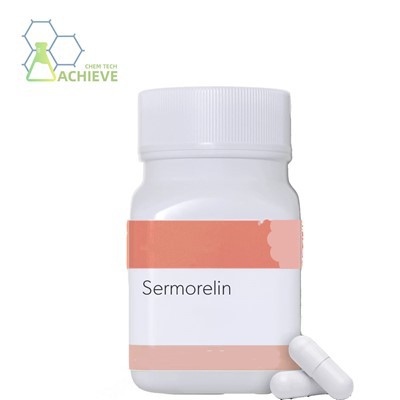


Semax Peptide, as a highly targeted intervention for cerebral pathologies, offers the core advantages of precise physiological targeting and a focused mechanism of action. Unlike broad-spectrum pharmaceuticals that often introduce redundant metabolic byproducts or systemic side effects, it is engineered to act exclusively within the central nervous system. Its therapeutic scope is strictly confined to the modulation of neurological functions, specifically targeting cerebral injuries and associated cognitive impairments, thereby avoiding unnecessary interference with other bodily systems.
Our Products


Semax COA

Its application is highly concentrated on three primary neurological conditions. First, it is utilized in the management of acute cerebrovascular accidents, such as ischemic strokes, where it aids in limiting neuronal injury and supporting tissue repair. Second, it addresses chronic cognitive decline, including vascular dementia, by enhancing neuroplasticity and optimizing cerebral metabolism. Third, Semax peptide is applied in the treatment of traumatic cerebral injuries (TBI), where it helps regulate recovery processes and mitigate post-traumatic cognitive dysfunction. By honing in on these specific diseases,leverages its neuron-protective and neuroreparative properties to deliver precise therapeutic value, solidifying its unique advantage as a streamlined intervention for cerebral health.
Intervention adaptation for ischemic stroke
(Acute phase and recovery phase)

The intervention needs of ischemic stroke vary in different stages of the disease, and one of it's core advantages is its strong adaptability, which can accurately meet the different core needs of its acute and recovery phases, without the need for additional intervention methods. Through targeted regulation, it efficiently helps improve the disease and functional recovery, and reduces the adverse effects of disease progression. Compared with conventional regulation methods, its intervention is more targeted and can reduce unnecessary burden on the body.
Acute phase intervention: relying on its targeted intervention advantages, it can quickly act on the affected area, effectively slow down the degree of injury to cerebral related tissues, curb the further development of the disease, reduce the expansion of injury scope, lay a solid foundation for subsequent recovery, and alleviate various discomforts in the acute phase. The intervention efficiency is outstanding and does not require a long onset period.
Recovery period conditioning: Focusing on functional repair after injury, with its gentle and precise conditioning advantages, it helps the cerebral related functions gradually return to normal, improves the recovery status of limbs, cognition and other aspects, effectively reduces the probability of sequelae, accelerates the recovery process, and avoids additional stimulation to the body, adapting to long-term conditioning needs.

Source of information:
- 1. The medicine in prevention of disease progression and development of examinations in patients with cerebral insufficiency, Semantic Scholar, October 2025
- 2. Semax; MEHFPGP_Neuro-Central Core ", Sohu Mobile, March 2026
Multidimensional improvement effect of sequelae of traumatic cerebral injury
(Concussion, Cerebral contusion and laceration)

After traumatic cerebral injuries such as concussion and cerebral contusion, multidimensional sequelae such as cognition, emotion, and headache are prone to occur, and there are significant differences in the severity and types of symptoms among different patients. it's core advantage lies in multidimensional collaborative regulation and adaptation to the diversity of symptoms, without the need to separate interventions for different types of sequelae. It can target various discomfort symptoms, achieve comprehensive improvement from physical to cognitive and emotional aspects, and help patients gradually return to normal life.
(I)Cognitive improvement:
With the advantage of precise targeting of cognitive related areas, Semax peptide can effectively alleviate problems such as cognitive delay, delayed response.And insufficient thinking coherence caused by injury, and achieve differentiated regulation for different degrees of cognitive decline.Whether it is short-term memory fragmentation and attention loss caused by mild concussion, or long-term cognitive confusion and logical confusion caused by cerebral contusion and laceration, it can gradually improve the decline of cognitive function and reduce the impact of injury on daily learning, work, and life cognitive activities. The conditioning process is gentle and does not interfere with other normal functions of the cerebral, avoiding discomfort caused by excessive regulation, allowing the patient's cognitive state to recover smoothly, and adapting to patients with different degrees of traumatic cerebral injury.


(II)Emotional state harmony:
With its precise adaptation advantage in regulating cerebral emotions, it can improve abnormal states such as emotional fluctuations, depression, irritability, anxiety, and sensitivity that are prone to occur after traumatic cerebral injury, maintaining a stable and steady emotional state. Emotional abnormalities after injury often reverse cognitive and physical recovery, forming a vicious cycle of "poor mood slow recovery". It can upregulate emotional stress response from the root, reducing the interference of emotional problems on the recovery process. At the same time, its regulatory effect is in line with the physiological rhythm of the human body, avoiding excessive excitement or suppression of emotions, helping patients maintain a positive and stable psychological state, and creating a good psychological foundation for overall recovery.
(III)Headache and other discomfort relief:
With the core advantages of targeted relief and independence, it can accurately alleviate the discomfort symptoms such as tension headaches, pulsatile headaches, dizziness, etc. left after traumatic cerebral injury, while also relieving accompanying discomfort such as fatigue and lack of attention. Compared to some short-term relief measures, its conditioning effect is more sustainable, gradually reducing the frequency and severity of discomfort symptoms, and will not develop tolerance or dependence due to long-term use, greatly improving the comfort of patients during the recovery period. By alleviating physical discomfort, patients can focus more on cognitive and functional recovery, clearing obstacles for the overall rehabilitation process.

Source of information:
A neuron-protective Peptide with Therapeutic Potential, Enhanced Wellness NY, December 2025
Regulation of cognitive impairment related to cerebrovascular disease
The cognitive abnormalities caused by cerebrovascular disease are mainly manifested as abnormalities in memory and attention, which often require long-term regulation. This drug's core advantage lies in focusing on the core of cognitive abnormalities, with strong targeting and no unnecessary interference. It can adapt to this type of cognitive impairment in a targeted manner without interfering with other cerebral functions, alleviate related symptoms, steadily improve cognitive status, adapt to long-term regulation, and have no additional burden on the body.

- Memory regulation: Relying on its precise action on memory related areas, it alleviates the problem of poor memory storage and retrieval, improves the current situation of memory decline, reduces the occurrence of daily memory blur, forgetfulness, and other situations, and helps gradually improve memory function. The regulation effect is long-lasting and gentle, without sudden intervention reactions.
- Attention improvement: With its advantage of focusing on cognitive regulation, it alleviates the problem of difficulty concentrating and easy dispersion of attention, enhances the continuity and concentration of attention, improves the situation of insufficient daily thinking concentration, adapts to daily work and life needs, and does not affect other normal thinking activities of the cerebral.
Source of information:
- 1. Semax; MEHFPGP; 80714-61-0; Cerebral Peptide_ Neuro_ Act_ Regulation ", Mobile Sohu, February 2026
- 2. Semax (Peptide Researcher), Peptide Researcher, December 2025
References
Unlock Cognitive Power and Neuroprotection with Drug, Peptide Maven, March 2026
Neuron-protective Peptides | MCE, MCE, February 2026
C37H51N9O10S: Origins, Pharmacology, Development, and Abuse Analysis ", web literature, December 2025

In summary, Semax peptide's core applications have always been firmly focused on three core scenarios: whole course intervention for ischemic stroke, multidimensional improvement of sequelae of traumatic cerebral injury, and precise regulation of cognitive impairment related to cerebrovascular disease. It does not involve any unrelated application directions, and its core advantages run through the entire intervention process for various diseases. It has precise targeting, strong adaptability, mild and efficient regulation, and no unnecessary interference from the body.
These advantages complement each other and work together, enabling it to accurately meet the personalized regulation needs of different diseases, diseases, and patients. Compared to conventional generalized intervention methods, it can effectively alleviate discomfort symptoms caused by various diseases through targeted conditioning without the need for additional auxiliary intervention methods, promote gradual recovery of body functions, and significantly reduce the burden and conditioning costs on patients. Its clear application orientation, unique conditioning advantages, and intervention effects supported by relevant research play an irreplaceable and important role in the intervention and recovery process of cerebral related diseases. It not only provides reliable and efficient core support for the rehabilitation path of such patients, but also meets the core needs of long-term conditioning and precise intervention, helping patients gradually return to normal life and improve the quality of recovery.


Foundation period: The budding of peptide science (1902-1952)
Bayliss&Starling from the University of London discovered Secretin, the first polypeptide substance discovered by humans, in the gastrointestinal tract of animals. They won the Nobel Prize in Physiology or Physiology, and peptide science was officially born, laying the seeds for the study of brain peptides.
Von Euler&Gaddum extracted Substance P from mammalian intestinal and brain tissues.
It was confirmed to be a peptide containing 11 amino acids, and the first neuropeptide was discovered. The scientific community began to pay attention to the regulatory effects of peptides on the nervous system, and the concept of "neuropeptides" emerged from this.
American biochemist Stanley Cohen discovered that nerve growth factor (NGF) - a peptide substance - can promote the growth of sympathetic nerve fibers.
He was awarded the Nobel Prize in Medicine for revealing the crucial role of peptides in neural development, providing a theoretical foundation for the neuroprotective function of brain peptides.
The Vigneaud team completed the artificial synthesis of oxytocin (8-peptide) for the first time;
Sanger completed insulin primary structure sequencing (won the Nobel Prize in Chemistry in 1958), proving that peptides can be artificially synthesized, opening up the possibility of "designing brain peptides".
Breakthrough period: Synthetic technology and the great discovery of neuropeptides (1963-1975)
Merrifield established the solid-phase peptide synthesis method (SPPS), which greatly improved the synthesis efficiency and purity (winning the Nobel Prize in Chemistry in 1984). The large-scale artificial synthesis of brain peptides became possible from then on.
Chinese scientists successfully synthesized crystalline bovine insulin (51 peptide) - the world's first artificially synthesized peptide bioactive substance. China achieved a "zero breakthrough" in the field of peptides, laying the foundation for the subsequent localization of brain protein peptides.
Hughes&Kosterlitz isolated endogenous opioid peptides (enkephalins, endorphins) from human and animal neural tissues, pioneering a new field of "cell growth regulators" (winning the Nobel Prize in Medicine for related achievements in 2000). Neuropeptide research reached a climax, directly giving birth to the concept of "brain peptides" - active peptides that can regulate brain function.
Birth period: Brain peptides officially appeared (1980s-1990s)
American biologist Merrifield further promoted research on active peptides, clarifying the critical roles of peptides in growth and development, metabolism, disease, and aging.
Japanese scholars Sudoh et al. first isolated brain natriuretic peptide (BNP, 32 peptide) from pig brain. Named after its initial discovery from brain tissue (which is mainly secreted by the ventricles), BNP became the gold standard biomarker for heart failure diagnosis.
It was listed as a diagnostic tool for acute and chronic heart failure by ACC/AHA and ESC guidelines.
Hainan Huakang United University began developing domestically produced brain protein hydrolysate injections, which were equivalent in efficacy to the German "Shipushan".
Patents related to brain protein peptides were successively published, optimizing the enzymatic hydrolysis preparation process and paving the way for industrialization.
The Human Genome Project was launched, and gene decryption propelled unprecedented prosperity in peptide research; The large-scale production of functional peptides through genetic engineering has become a reality.
Russia developed the synthetic heptapeptide ACTH (4-7) (MEHFPGP) - an artificially synthesized brain peptide derived from ACTH (4-10) fragments, which was approved for clinical use. ACTH (4-7) became the world's first approved "synthetic brain peptide" drug for stroke rehabilitation, cognitive impairment, and other purposes.
Standardization period: The leap from drugs to food (2002-2013)
There was a wave of brain protein peptide imitation in China, with dosage forms expanding from injections to oral drugs and liquids; The National Medical Products Administration has specified its indications.
Israeli scientists were awarded the Nobel Prize in Chemistry for their discovery of the ubiquitin regulated protein peptide degradation mechanism.
The country further standardized the quality standards of brain protein peptides and promoted the development of the industry towards natural extracts.
The National Health and Family Planning Commission issued Announcement No. 3, which clarified that brain protein peptide hydrolysates that meet the requirements can be managed as ordinary food.
Explosion period: Deepening scientific research and market explosion (2014-2025)
Computer-based virtual screening technology for active ingredients has been introduced into the peptide field, accelerating the discovery and optimization of brain peptides. The development of brain peptides has shifted from "experience driven" to "data-driven".
Multiple clinical studies have confirmed that ACTH (4-7) can rapidly increase BDNF levels in the hippocampus, activate the serotonergic and dopaminergic brain systems, and improve cognition and memory.
A patent confirmed that brain protein peptides can protect nerve cells and have neuroprotective effects on ischemic hypoxic brain injury and Alzheimer's disease models.
Liang Sha from Northwest A&F University confirmed that bovine whey protein peptides have significant weight loss functions, promoting fat burning and preventing fat accumulation.
A review suggests that specific peptide components can improve memory impairment; Brain protein peptides have shown potential in improving mild cognitive impairment, alleviating chronic brain fatigue, and assisting in the rehabilitation of neurodegenerative diseases.
"Brain protein peptides" will become the "top stream" in the medical and health circles, known as the "smart code" guarding the brain; small molecule structures can efficiently penetrate the blood-brain barrier.
The brain peptide market will continue to differentiate: ① ACTH (4-7) synthetic peptides will follow the prescription drug/research reagent route; ② Brain protein peptide (BPP) takes the route of functional food (recommended dosage 50-150mg/day); ③ Brain natriuretic peptide (BNP) takes the route of in vitro diagnosis (heart failure biomarker+therapeutic drug rhBNP).
References
[1] Bayliss W M, Starling E H. The mechanism of pancreatic secretion[J]. The Journal of Physiology, 1902, 28(5): 325-353.
[2] Von Euler U S, Gaddum J H. An unidentified depressor substance in certain tissue extracts[J]. The Journal of Physiology, 1931, 72(1): 74-87.
[3] Cohen S. Isolation of a mouse submaxillary gland protein accelerating incisor eruption and eyelid opening in the new-born animal[J]. The Journal of Biological Chemistry, 1962, 237: 1555-1562.
[4] Merrifield R B. Solid phase peptide synthesis. I. The synthesis of a tetrapeptide[J]. Journal of the American Chemical Society, 1963, 85(14): 2149-2154.
[5] Niu Jingyi, etc Total synthesis of crystalline bovine insulin [J]. Scientific Bulletin, 1965, 16 (10): 941-942
[6] Hughes J, Kosterlitz H W, Leslie F M. Effect of morphine on adrenergic transmission in the mouse vas deferens[J]. British Journal of Pharmacology, 1975, 55(4): 504-506.
[7] Sudoh T, et al. A new natriuretic peptide in porcine brain[J]. Nature, 1988, 332(6159): 78-81.
[8] National Health and Family Planning Commission Announcement No. 3 of 2013 [Z]
[9] Zhang Yi, Zhou Feiyan, etc Identification and structure-activity relationship of antioxidant peptides derived from earthworm protein [J]. Modern Food Science and Technology, 2023, 39 (3): 164-173
[10] ChemicalBook. Brain Peptide/Semix Product Details [EB/OL]. 2026-03-31 https://www.chemicalbook.com/SupplyInfo_2364467.htm
[11] Baidu Baike Brain natriuretic peptide (BNP) [EB/OL]. 2026-03-27 https://baike.baidu.com/item/ Brain natriuretic peptide/3235925
[12] Sina City Channel Science popularization on the role of brain protein peptides in the cognitive ability of junior high school students [EB/OL]. May 11, 2026
[13] WeChat public platform The Centennial Development History of Peptides [EB/OL]. December 13, 2024
Hot Tags: semax peptide, China semax peptide manufacturers, suppliers, salcatonin injection, intranasal desmopressin acetate, best glp 1 peptide, bitter gourd peptide, glp1 shot, etelcalcetide structure