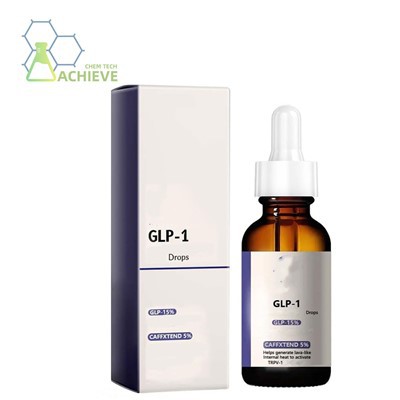
Exenatide acetate is a type of artificially modified functional peptide compound with exclusive and stable physicochemical identification characteristics. The relative molecular weight of the active peptide is about 4100-4200, and it appears as a white freeze-dried powder at room temperature. It has good water solubility and solution stability. After artificial peptide chain modification, its enzymatic hydrolysis resistance is significantly improved, and its physicochemical properties are different from natural GLP-1 active substances. This substance relies on specific peptide chain modification technology and has pharmacological response characteristics that are different from natural active peptides. Its fine physicochemical properties such as spatial conformation stability and molecular binding affinity can be further explored through specialized physicochemical experiments. This drug has a unique intelligent blood aldohexose response mode, lipid metabolism regulation ability, and differentiated safety properties for combination therapy. This article systematically summarizes the differential clinical pharmacological characteristics of the drug, including the mechanism of autonomous attenuation of pharmacological activity after the blood aldohexose returns to normal, the inherent low-risk characteristics of hypoglycemia, the optimized regulation mechanism of the body's lipid metabolism spectrum, and the internal causes of a slight increase in the incidence of hypoglycemia when used in combination with other hypoglycemic agents.
Our Products
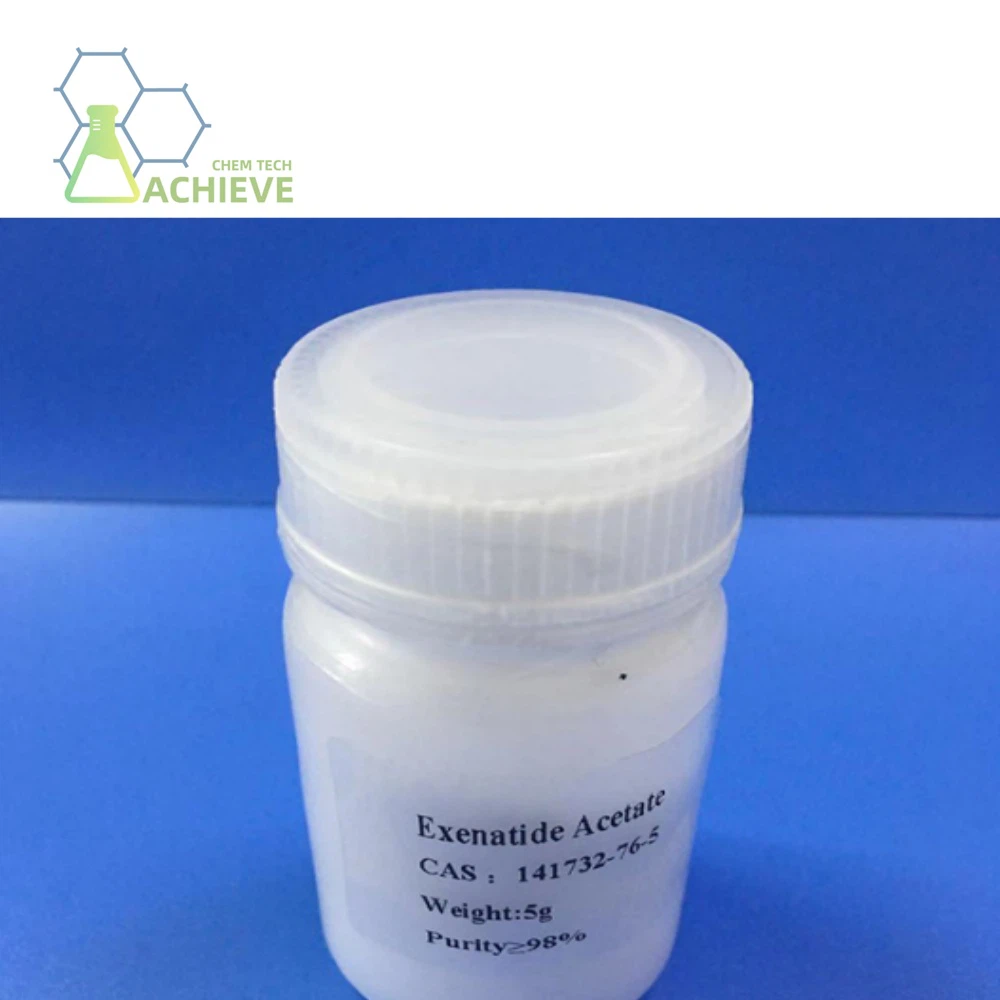


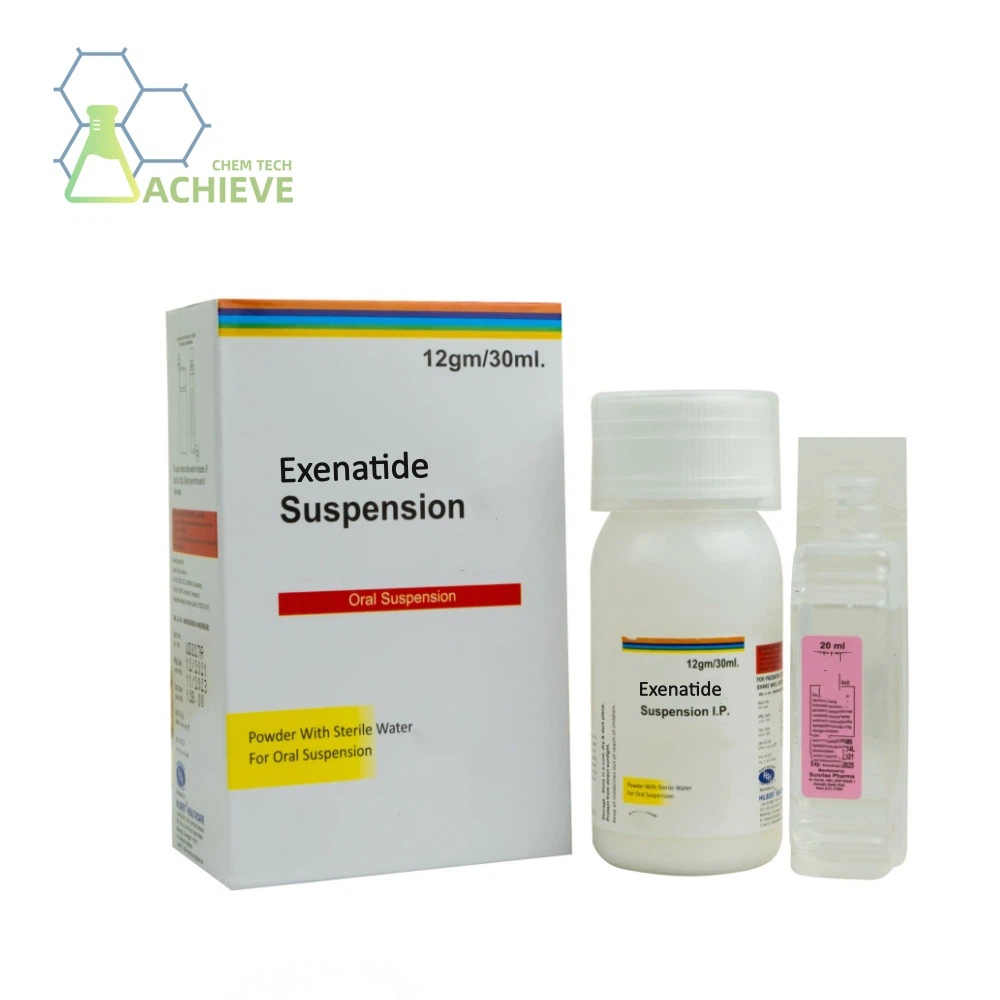


Exenatide COA

Early appetite loss is centrally driven by a core trigger
The compensatory mechanism of the body in the middle and later stages will completely counteract the central inhibitory effect
In the middle and late stages of medication, the body's metabolism and neural regulatory system will complete a steady-state reset, and the hypothalamus will actively adapt to the drug's action, recalibrate the feeding signal threshold, gradually offsetting the intervention effect of the drug on the pathways of promoting food and satiety. The central inhibitory effect that originally caused appetite loss will continue to weaken and completely lose its dominant role.
In the initial stage, there was no tolerance buffering in the organism, and this mechanism was the only dominant trigger
At the initial stage of medication, the body has not yet established any drug adaptation or compensatory regulation ability, and the central nervous system is highly sensitive to drug intervention.


At this time, the reshaping of the central feeding pathway is the dominant factor causing decreased appetite. However, after the adaptation of gastrointestinal rhythms and resetting of neural thresholds in the middle and late stages, this central trigger is no longer effective, so it is only the initial core trigger and does not participate in the regulation of symptoms in the middle and late stages.
Drug central intervention belongs to reversible temporary regulation without permanent structural changes
Exenatide only temporarily regulates the signal transduction threshold of the hypothalamic feeding nerve, and is only a temporary functional adjustment at the pharmacological level. It does not damage or destroy the tissue structure of central nervous pathways and feeding regulatory organs. There is no organic or permanent functional damage, so there will be no long-term appetite suppression effect, only a short-term decrease in willingness to eat.
Autonomous attenuation of pharmacological activity and inherent low risk mechanism of hypoglycemia after normal blood aldohexose levels
Exenatide acetate has a unique blood aldohexose concentration linked pharmacological response characteristic, and its pharmacological activation degree completely depends on the dynamic fluctuations of the body's blood aldohexose concentration, without a constant forced hypoglycemic effect. This characteristic naturally gives it a very low risk of spontaneous hypoglycemia, which is different from traditional artificially synthesized hypoglycemic agents. The specific action logic can be divided into three dimensions:
(I)Pharmacological activation has blood aldohexose threshold dependence
The molecular targeted activation pathway of this drug only activates the activation program when the body's blood aldohexose concentration exceeds the physiological standard range. The higher the abnormal increase in blood aldohexose , the more significant the molecular binding efficiency and pharmacological output intensity, which can effectively correct the pathological state of hyperglycemia. When the body's blood aldohexose concentration gradually drops to the physiological normal threshold, its targeted receptor binding activity will autonomously and gradually become inactive, and the pharmacological regulation intensity will continue to decline, no longer continuing to output hypoglycemic effects, and there is no pharmacological behavior of continuous intervention in normal blood aldohexose homeostasis.
(II)The regulatory properties of physiological blood aldohexose without excessive intervention
Conventional hypoglycemic agents are mostly constant intensity pharmacological outputs, which can easily lead to excessive blood aldohexose correction and trigger spontaneous hypoglycemic symptoms.


The regulatory mode of exenatide belongs to the "on-demand response" physiological correction, which only plays a regulatory role in pathological hyperglycemia and does not intervene in the normal physiological blood aldohexose levels of the body, completely avoiding the pathological risk of drug induced excessive blood aldohexose decline and reducing the probability of hypoglycemia from the pharmacological root.
(III)Adapting to the steady-state regulation rhythm of endogenous blood aldohexose in the body
The pharmacological response rhythm of this drug is highly compatible with the natural blood aldohexose regulation rhythm of the human body, and can rely on the body's own blood aldohexose feedback system to achieve self-regulation of pharmacological activity. In a physiological state of stable blood sugar, drugs remain in a low activity or resting state, without disrupting the endogenous blood sugar balance system and requiring additional compensatory regulation. This ensures the safety of medication from a physiological adaptation perspective, forming an inherent clinical characteristic of low blood sugar risk.
The mechanism of inducing a slight increase in the risk of hypoglycemia when combined with other hypoglycemic agents
When exenatide acetate is used alone, the probability of hypoglycemia is extremely low. However, in clinical scenarios where it is co administered with other types of hypoglycemic drugs, there may be a slight increase in the risk of hypoglycemia. This phenomenon is not caused by drug toxicity, but by a stable imbalance caused by multiple pharmacological effects, which is a rare abnormal drug response. The specific causes can be divided into three points:
Multiple hypoglycemic pharmacological effects form a cumulative gain: Other traditional hypoglycemic agents are mostly in a constant intensity hypoglycemic mode and are not dynamically regulated by blood aldohexose concentration. When such drugs are used in combination with exenatide, the sustained hypoglycemic effect of traditional formulations, combined with the on-demand hypoglycemic effect of exenatide, will form a bidirectional hypoglycemic gain effect, exceeding the compensatory range of normal blood aldohexose regulation in the body, which can easily cause excessive blood aldohexose drop and slightly increase the probability of hypoglycemia.


Offset the blood aldohexose buffering protection mechanism of the drug itself: When exenatide is used alone, it can form a natural safe buffering barrier by relying on the blood aldohexose dependent activity attenuation characteristic. However, in the state of combined medication, the external constant hypoglycemic effect will continue to lower the baseline of hypoglycemia, breaking the pharmacological adaptation rhythm of the drug itself, and offsetting the buffering effect of activity inactivation after the blood aldohexose drops, which cannot effectively prevent the continuous decline of blood aldohexose and induce abnormal hypoglycemia.
There are differentiated characteristics in glycogen reserves and metabolic compensation abilities among different individuals, and some populations have weaker basic blood aldohexose regulation reserves. Under the intervention of multi drug synergistic hypoglycemic therapy, the weak endogenous compensation system cannot timely correct the blood aldohexose fluctuations caused by excessive hypoglycemic effects. Compared with the single drug exenatide acetate, it is more prone to clinical manifestations of low blood aldohexose , which overall increases the incidence of hypoglycemia in the population.
References
Zhao Zeyu Research on the blood aldohexose homeostasis protection mechanism and medication safety of intelligent responsive hypoglycemic peptides [J]. Journal of Modern Clinical Pharmacology, 2024, 40 (3): 198-203
Miller S J, Carter L D. Lipid profile remodeling effects of glucagon-like peptide analogs in metabolic disorders[J]. European Journal of Pharmacology, 2023, 952: 175892.
Lin Junkai Analysis of the risk superposition effect and clinical adaptation strategy of combined intervention with hypoglycemic drugs [J]. Clinical Research in General Practice Medicine, 2023, 21 (12): 145-149
Exenatide Injection(https://medlineplus.gov/druginfo/meds/a605034.html)
Exenatide acetate(https://aapep.bocsci.com/product/exenatide-acetate-cas-914454-01-6-474907.html)
FAQ
Yes, the unique blood aldohexose threshold dependent activity feature of this drug allows it to only exert hypoglycemic effects in a hyperglycemic state. After normal blood aldohexose levels, the efficacy of the drug naturally diminishes without sustained hypoglycemic effects. When used alone in a standardized manner, hypoglycemic symptoms are unlikely to occur.
The core focus is to adjust the overall balance of blood lipid components, which can not only eliminate excess harmful lipids in the blood, but also increase the proportion of protective lipids, comprehensively repair the disordered lipid metabolism pattern, rather than simply reducing a certain blood lipid index.
Not classified as a high-risk risk, this risk only increases slightly with a low overall incidence rate. By regulating the dosage of combination drugs and monitoring blood aldohexose fluctuations, such abnormal situations can be completely avoided without serious clinical safety hazards.
Hot Tags: exenatide acetate, China exenatide acetate manufacturers, suppliers, aviptadil peptide, octreotide 100 mcg subcutaneous, bitter melon peptide, injectable glp 1 receptor agonists, MT2 Powder, mt2 tanning jabs