


Exenatide is a class of artificially modified peptide active pharmacological substances with exclusive chemical identification properties. Its CAS registration number is 141758-74-9, and its basic molecular configuration corresponds to the molecular formula C ₁₈₄₂₈₂ N ₅₀ O ₆₀ S. It belongs to the homologous derivatives of modified enteropancreatin, and the specificity of its molecular structure determines its unique pharmacological targeting and clinical application characteristics. Its complete physicochemical parameters and detailed structural characteristics can be further expanded through specialized pharmacological research. This article aims to analyze three core clinical characteristics of exenatide 2 mg injection, namely, the internal mechanism of pancreatic islet and liver glucose metabolism regulation, the classification of clinical dosage forms and the practice of subcutaneous drug administration, and the absolute drug use contraindication logic of type 1 diabetes population, and accurately disassemble its core medical characteristics.
Our Products Overview
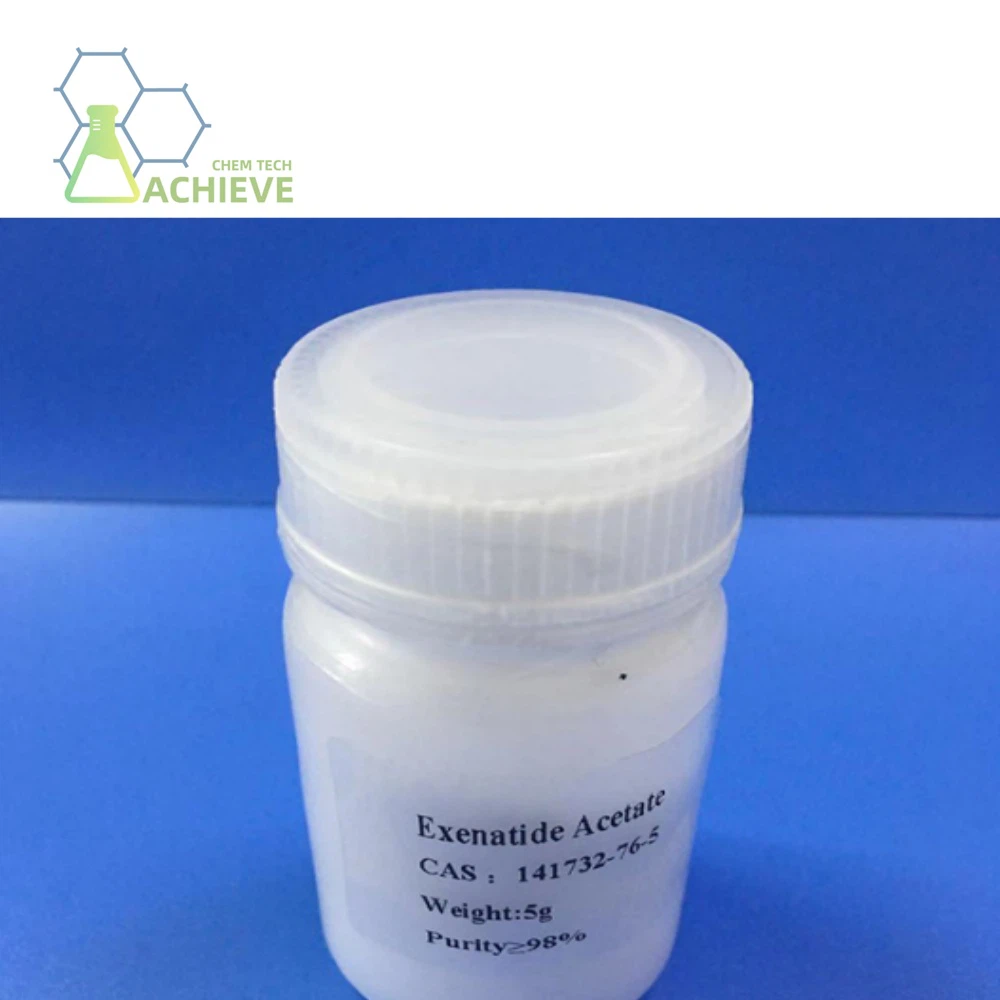

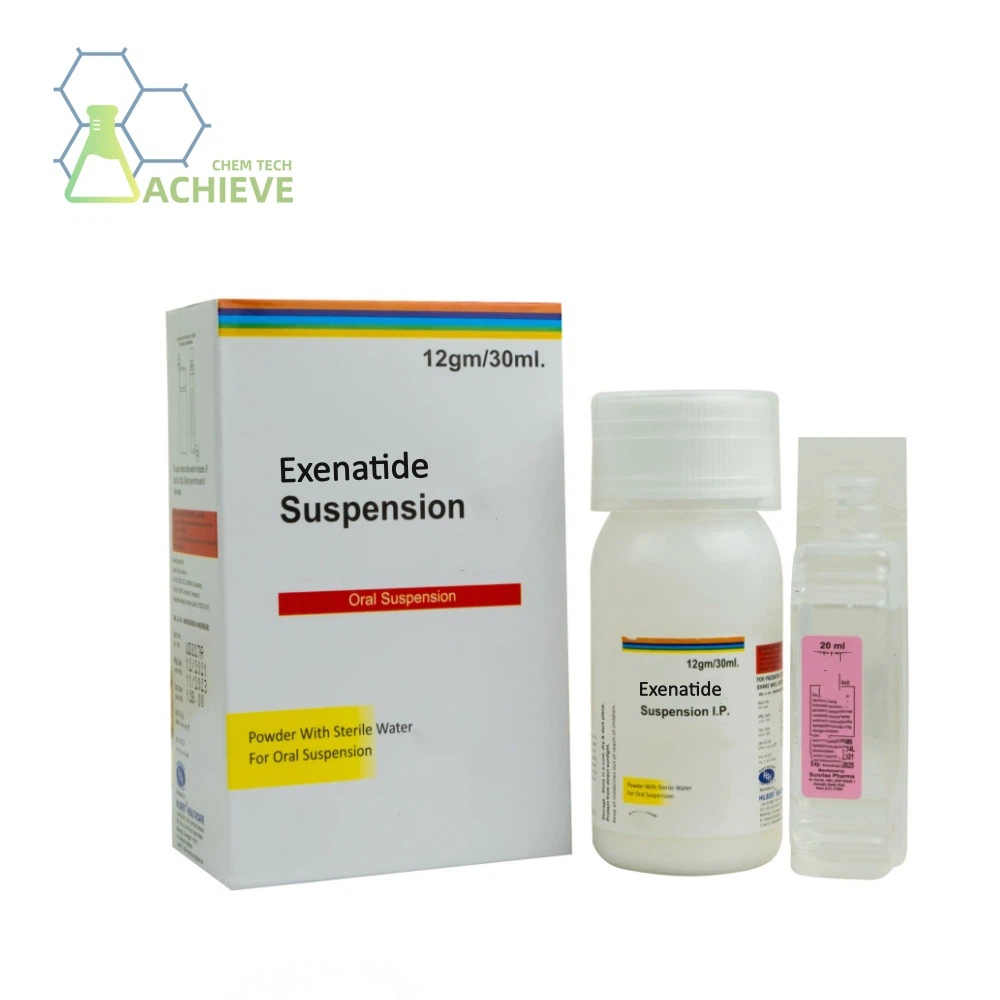


Exenatide COA
 |
||
| Certificate of Analysis | ||
| Compound name | Exenatide | |
| Grade | Pharmaceutical grade | |
| CAS No. | 141732-76-5 | |
| Quantity | 39g | |
| Packaging standard | PE bag+Al foil bag | |
| Manufacturer | Shaanxi BLOOM TECH Co., Ltd | |
| Lot No. | 202601090034 | |
| MFG | Jan 9th 2026 | |
| EXP | Jan 8th 2029 | |
| Structure |
|
|
| Item | Enterprise standard | Analysis result |
| Appearance | White or almost white powder | Conformed |
| Water content | ≤5.0% | 0.54% |
| Loss on drying | ≤1.0% | 0.42% |
| Heavy Metals | Pb≤0.5ppm | N.D. |
| As≤0.5ppm | N.D. | |
| Hg≤0.5ppm | N.D. | |
| Cd≤0.5ppm | N.D. | |
| Purity (HPLC) | ≥99.0% | 99.98% |
| Single impurity | <0.8% | 0.52% |
| Total microbial count | ≤750cfu/g | 95 |
| E. Coli | ≤2MPN/g | N.D. |
| Salmonella | N.D. | N.D. |
| Ethanol (by GC) | ≤5000ppm | 500ppm |
| Storage | Store in a sealed, refrigerator, under inert atmosphere | |
|
|
||


The intrinsic mechanism of pancreatic alpha cell regulation and hepatic glucose metabolism inhibition
Exenatide can achieve stable regulation of endogenous blood glucose homeostasis through multi-target metabolic pathways, accurately intervening in the entire process of glucagon secretion and liver glucose metabolism, and avoiding the problem of abnormal blood glucose rise. The specific functional logic is divided into three dimensions:
Blocking the conversion of non sugar substrates to glucose at the molecular level
The target of action is protein molecules (rate limiting enzymes)
The entire process of hepatic gluconeogenesis is not simply a physiological reaction, but requires the catalysis of multiple specific key rate limiting enzyme molecules to complete. These enzymes are protein macromolecules and serve as the core mediators for initiating gluconeogenesis reactions. Exenatide does not directly act on liver organs or cellular tissues, but directly acts on enzyme molecules themselves, altering their molecular activity and expression levels, and belongs to typical molecular level interventions.
The regulatory mechanism is gene and molecular expression regulation
This drug can downregulate the gene expression of gluconeogenesis at the molecular transcription and translation levels, reduce the synthesis of enzyme molecules, and inhibit the catalytic activity of existing enzyme molecules.


Fundamentally disabling the core functional molecule that catalyzes the transition from non sugar substrates to dextrose, rather than simply inhibiting physiological processes, is therefore considered a molecular level blockade.
Directly cutting off the molecular catalytic chain of biochemical reactions
The conversion of glycerol, lactic acid, and amino acids into dextrose is a multi-step continuous biochemical molecular reaction, each step requiring a corresponding enzyme molecule driver. After the inactivation of the core rate limiting enzyme molecule by exenatide, the entire molecular reaction chain breaks, and non sugar substrates cannot complete molecular structure reconstruction and transformation, achieving molecular level blockade of gluconeogenesis process.
Blocking the hepatic gluconeogenesis pathway
The human liver can convert non carbohydrate substrates into dextrose through gluconeogenesis, which is an important pathway for endogenous blood glucose production. Exenatide can downregulate the activity of key enzymes involved in liver gluconeogenesis, inhibit the conversion of substrates such as amino acids and glycerol to dextrose, reduce the total amount of abnormal glucose synthesis in the liver, and decrease the additional generation of endogenous blood glucose.
Inhibiting the outward release of glycogen from the liver: In cases of low blood sugar or metabolic disorders, liver glycogen rapidly breaks down and releases dextrose to the peripheral blood, causing excessive fluctuations in blood sugar levels. This substance can regulate the hepatic glycogen breakdown rhythm, inhibit pathological hepatic glucose output overload, stabilize peripheral blood glucose concentration, and ultimately achieve the regulatory effect of avoiding abnormal blood glucose elevation.

Classification of Drug Formulations and Clinical Application Characteristics of Subcutaneous Administration
The clinical commercial dosage forms of exenatide are all injection preparations, without oral administration. They rely on subcutaneous administration to complete drug delivery into the bloodstream. According to the drug release process and duration of action, they can be divided into two categories: short acting preparations and long-acting weekly preparations. There are significant differences between the two in terms of frequency of administration, clinical suitability, and patient compliance. The specific characteristics are as follows:

01.Uniform subcutaneous administration site suitability
The effective absorption scenario of exenatide 2 mg injection is subcutaneous loose connective tissue, and clinically compliant application sites include the abdomen, anterior thigh, and lateral upper arm. The above areas have abundant subcutaneous blood flow and stable drug penetration rate, which can avoid problems such as rapid absorption and local stimulation caused by muscle injection. It can ensure that drugs enter the bloodstream at a uniform speed, maintain stable blood drug concentration, and reduce the risk of blood sugar fluctuations.
02.Application standards for short acting preparations
Short acting exenatide preparations do not have long-acting sustained-release carriers, have a short drug metabolism cycle, and have limited time to maintain blood drug concentration.
Clinically, they need to be administered twice a day, which is suitable for patients with significant postprandial blood glucose fluctuations and the need for high-frequency and precise sugar control. They can specifically cover the problem of dextrose metabolism disorders after three meals.
03.The compliance advantage of long-acting weekly preparations
Long acting dosage forms rely on microsphere sustained release drug loading technology, which can achieve slow release of drugs in subcutaneous tissues, and can maintain stable blood drug concentration for seven days after a single administration. Compared to short acting formulations, this dosage form significantly reduces the frequency of administration, avoids the problem of missed or forgotten use of high-frequency administration, significantly improves long-term medication compliance, and is suitable for patients who require long-term steady-state glycemic control.

Core logic of absolute drug taboo in type 1 diabetes population

Exenatide 2 mg injection is definitely forbidden to be used in patients with type 1 diabetes. This contraindication is not simply a summary of clinical experience, but is determined by the lack of compatibility between the drug action mechanism and the core pathological characteristics of type 1 diabetes. The specific contraindication principles can be divided into three layers:
The pathological target is completely misplaced
The core pathology of type 1 diabetes is the immune injury and apoptosis of pancreatic islet β cells, which leads to the absolute lack of insulin in the body. The core mechanism of action of exenatide is to regulate glucagon secretion and inhibit hepatic glucose production. Its hypoglycemic effect depends on the physiological function of the remaining pancreatic islet cells in the body, and cannot compensate for the core pathological defect of absolute insulin deficiency, thus having no effective hypoglycemic value.
Unable to correct the core metabolic defect
The root cause of dextrose metabolism disorder in type 1 diabetes patients is insulin secretion exhaustion, rather than glucagon over secretion or abnormal liver dextrose metabolism. This drug can only intervene in the glycemic pathway and cannot supplement the necessary hypoglycemic hormones in the body. After administration, it cannot reverse the patient's hyperglycemic state and achieve the goal of blood glucose regulation.
There are potential clinical safety risks
If exenatide 2 mg injection is blindly administered to patients with type 1 diabetes, it is not only impossible to control sugar, but also possible to increase the incidence of critical complications such as ketoacidosis and severe blood glucose fluctuations due to the single regulation of glucocorticoid, disorder of the balance of dextrose metabolism, and therefore it is listed as an absolute contraindication scenario.

References
Application of Simenotide in Rare Hereditary Body Fat Abnormalities, Chinese Journal of Medical Genetics, 2023
Clinical and Molecular Features of Patients With Leptin and Leptin Receptor Deficiency: Lessons of 25 Years of Research, Oxford Academic, 2023
Progress in clinical interventions for metabolic abnormalities associated with Leyen's syndrome, Chinese Journal of Practical Internal Medicine, 2022
Setmelanotida: A Melanocortin-4 Receptor Agonist for the Treatment of Severe Obesity Due to Hypothalamic Dysfunction, PMC, 2024
Exenatide(https://en.wikipedia.org/wiki/Exenatide)
Exenatide Injection(https://medlineplus.gov/druginfo/meds/a605034.html)
Exenatide Solution for injection(https://my.clevelandclinic.org/health/drugs/20513-exenatide-solution-for-injection)
FAQ
Ozempic and exenatide are not the same drug, though they belong to the same class of medications called GLP-1 receptor agonists. They differ in their active ingredients, how frequently they are dosed, and their overall effectiveness for weight loss and blood sugar management.
Yes, exenatide is a GLP-1 receptor agonist. It is an incretin mimetic medication primarily prescribed to improve blood sugar control in adults with Type 2 diabetes. Exenatide works by mimicking the naturally occurring GLP-1 hormone to:
- Stimulate insulin release from the pancreas
- Decrease excessive glucagon secretion
- Slow gastric emptying to regulate dextrose absorption
Exenatide belongs to a class of medications called GLP-1 receptor agonists (glucagon-like peptide-1 receptor agonists). It is also referred to as an incretin mimetic.
Hot Tags: exenatide 2 mg injection, China exenatide 2 mg injection manufacturers, suppliers, aviptadil peptide, Best HCG Drops, bitter gourd peptide, CJC 1295 Spray, octreotide 100, Sermorelin Acetate Injection