Metabolic health researchers are studying bioglutide NA-931 capsules for their potential to treat complex physiological issues. Its unique metabolic control mechanisms make this chemical attractive for many medicinal uses. To ensure study integrity, researchers and industry professionals engage with manufacturers who meet strict quality criteria. Exploring Bioglutide NA-931's structure and function in biological systems shows its scientific value. Recent study suggests the chemical may be vital to future therapeutic techniques, confirming its place in pharmaceutical innovation.

Bioglutide NA-931 Capsules
1.General Specification(in stock)
(1)API(Pure powder)
(2)Tablets
(3)Capsules
2.Customization:
We will negotiate individually, OEM/ODM, No brand, for secience researching only.
Internal Code: KP-2-6/001
Bioglutide NA-931
Manufacturer: BLOOM TECH Wuxi Factory
Analysis: HPLC, LC-MS, HNMR
Main market: USA, Australia, Brazil, Japan, Germany, Indonesia, UK, New Zealand , Canada etc.
Technology support: R&D Dept.-4
We provide bioglutide NA-931 capsules, please refer to the following website for detailed specifications and product information.
Product:https://www.kpeptide.com/bodybuilding-peptide/bioglutide-na-931-capsules.html

Defining Bioglutide NA-931 Capsules: Structure, Classification, and Core Functions
Using a synthetic peptide analog, Bioglutide NA-931 Capsules interact with metabolic regulatory receptor systems. Due to its specificity and targeted activity in biological systems, peptide-based therapies have become popular. The formulation variant "NA-931" is tailored for oral bioavailability and stability, unlike older generation drugs that required different delivery techniques.
Molecular Architecture and Chemical Properties
Molecular changes in Bioglutide NA-931 increase its resistance to enzymatic degradation while preserving receptor binding affinity. Complex pharmaceutical engineering balances stability and biological function with structural modifications. An amino acid sequence with both natural and modified residues creates a hybrid molecule with better pharmacokinetics than native peptides. As chemical alterations lengthen half-life and improve absorption, this architectural approach reflects current peptide therapies development trends.


Classification Within Metabolic Modulators
Multi-pathway regulation is Bioglutide NA-931's specialty in metabolic modulators. This peptide analog may have broader physiological effects than single-target drugs since it activates many metabolic processes. The classification includes incretin mimetics, metabolic regulators, and peptide-based signaling modulators. Due to its broad mechanistic profile, this multifaceted classification distinguishes the molecule from narrowly targeted pharmacological medicines.
Primary Functional Characteristics
Bioglutide NA-931 Capsules regulate glucose homeostasis, satiety signaling, and energy expenditure. The chemical interacts with certain receptor populations throughout the body, notably metabolic regulatory centers, to perform these tasks. The capsule protects the peptide from stomach breakdown, allowing small intestine absorption and systemic administration via specific transport pathways. This distribution method may improve patient compliance and research uses over injectable formulations.

How Does Bioglutide NA-931 Interact with Multiple Metabolic Pathways?
Bioglutide NA-931's molecular profile involves studying its interactions across multiple physiological systems. Beyond receptor activation, the chemical triggers cascading responses that affect cellular metabolism, hormonal signaling, and energy balance. This complexity emphasizes the sophistication of current peptide therapies and the need for full characterization for research advancement.
Receptor Binding and Signal Initiation
G-protein coupled receptors involved in incretin signaling pathways bind bioglutide NA-931. The chemical activates downstream kinases and produces cyclic AMP upon binding. Molecular events increase pancreatic beta cell insulin output, decrease incorrect glucagon release, and modulate gastric motility. The compound's impact pattern depends on receptor selectivity and binding kinetics, which affect reaction duration and intensity.
Glucose Metabolism and Insulin Dynamics
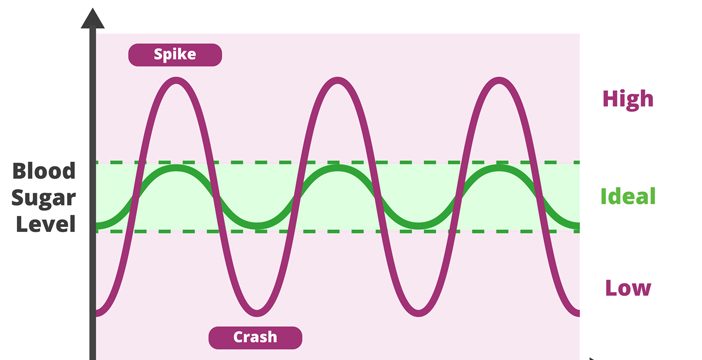
The effects of Bioglutide NA-931 on glucose management mechanisms have been widely researched. The chemical increases glucose-dependent insulin production, hence its effects increase with blood glucose. This glucose-dependent mechanism reduces hazards of excessive insulin release during normoglycemic or hypoglycemic situations. The chemical indirectly regulates hepatic glucose synthesis through hormonal signaling and neurological pathways, affecting glycemic control.
Appetite Regulation and Satiety Signaling
Bioglutide NA-931 affects hunger and feeding central nervous system pathways in addition to glucose metabolism. Hypothalamic circuits that integrate peripheral metabolic information with food intake are affected by the chemical. These effects alter reward circuit sensitivity, neuropeptide expression, and appetite-regulating center activity. Central nervous system actions and peripheral processes such delayed stomach emptying enhance satiety, resulting in multi-level appetite control.
Energy Expenditure and Lipid Metabolism
Bioglutide NA-931 may affect metabolic rate and energy expenditure through thermogenic processes, according to recent studies. The drug may improve lipid metabolism, including circulating triglycerides and fat storage, by modulating brown adipose tissue activity. Metabolic changes result from complex hormonal transmission, sympathetic nervous system activity, and direct cellular effects on adipocytes and hepatocytes. These pathways are being researched for metabolic health.
Key Application Scenarios: Where Bioglutide NA-931 Capsules Are Being Explored
The unusual mechanistic profile of Bioglutide NA-931 has encouraged study across several fields. Scientists and drug developers know that multi-pathway molecules may help treat complex metabolic diseases. Laboratory research, preclinical models, and early-stage clinical trials are investigating the compound's potential.

Metabolic Syndrome Research Models
Researchers use Bioglutide NA-931 to study metabolic syndrome pathogenesis. These studies evaluate how the chemical impacts dysglycemia, dyslipidemia, and insulin resistance. Cell culture, animal models, and tissue explants are used to study molecular pathways and dose-response interactions. These foundational studies guide future research and suggest appropriate application scenarios.
Diabetes Research and Glycemic Control Studies
Many Bioglutide NA-931 studies focus on its possible role in diabetes. Researchers study how the chemical affects glucose homeostasis, insulin sensitivity, and pancreatic function. These research vary from mechanistic beta cell biology to integrative whole-body glucose metabolism. The capsule formulation's oral distribution type is better for long-term research techniques than injectables.


Obesity Research and Weight Management Studies
Bioglutide NA-931's satiety-promoting and metabolic actions have drawn researchers' attention to obesity mechanisms and weight regulation. The compound's effects on food intake, energy balance, body composition, and weight-related metabolic responses are studied. These studies help us comprehend pharmaceutical weight management and the intricate relationship between appetite regulation, metabolism, and energy homeostasis.

What Benefits Are Associated with Bioglutide NA-931 in Current Findings?
Research reveals Bioglutide NA-931 Capsules may have various benefits, but further research is needed to fully understand its effects and applications. Research benefits indicate the compound's multifaceted mechanism and physiological system connections. Understanding the full scope of how Bioglutide NA-931 Capsules interact with biological systems is crucial for determining their potential in metabolic health and other therapeutic areas.

Glucose Regulation Improvements
In tests, glycemic control markers are consistently improved by bioglutide NA-931. These enhancements include improved postprandial glucose, reduced fasting glucose, and increased insulin sensitivity. Its glucose-dependent insulin secretion properties lower the risk of hypoglycemia, which is important for research and treatment development. Studies using long-term animal models demonstrate mechanism engagement by demonstrating sustained glycemic benefits without tachyphylaxis.
Body Weight and Composition Effects
Bioglutide NA-931 improves body composition and lowers body weight, according to research. Reduced food intake, energy expenditure, and metabolic shifts toward fat usage could all contribute to these consequences. A study of body composition reveals a preferred decrease in adipose tissue and a relative preservation of lean mass, both of which are beneficial for metabolic health. Higher amounts provide stronger effects, and these effects are dose-dependent.

Cardiovascular and Metabolic Markers
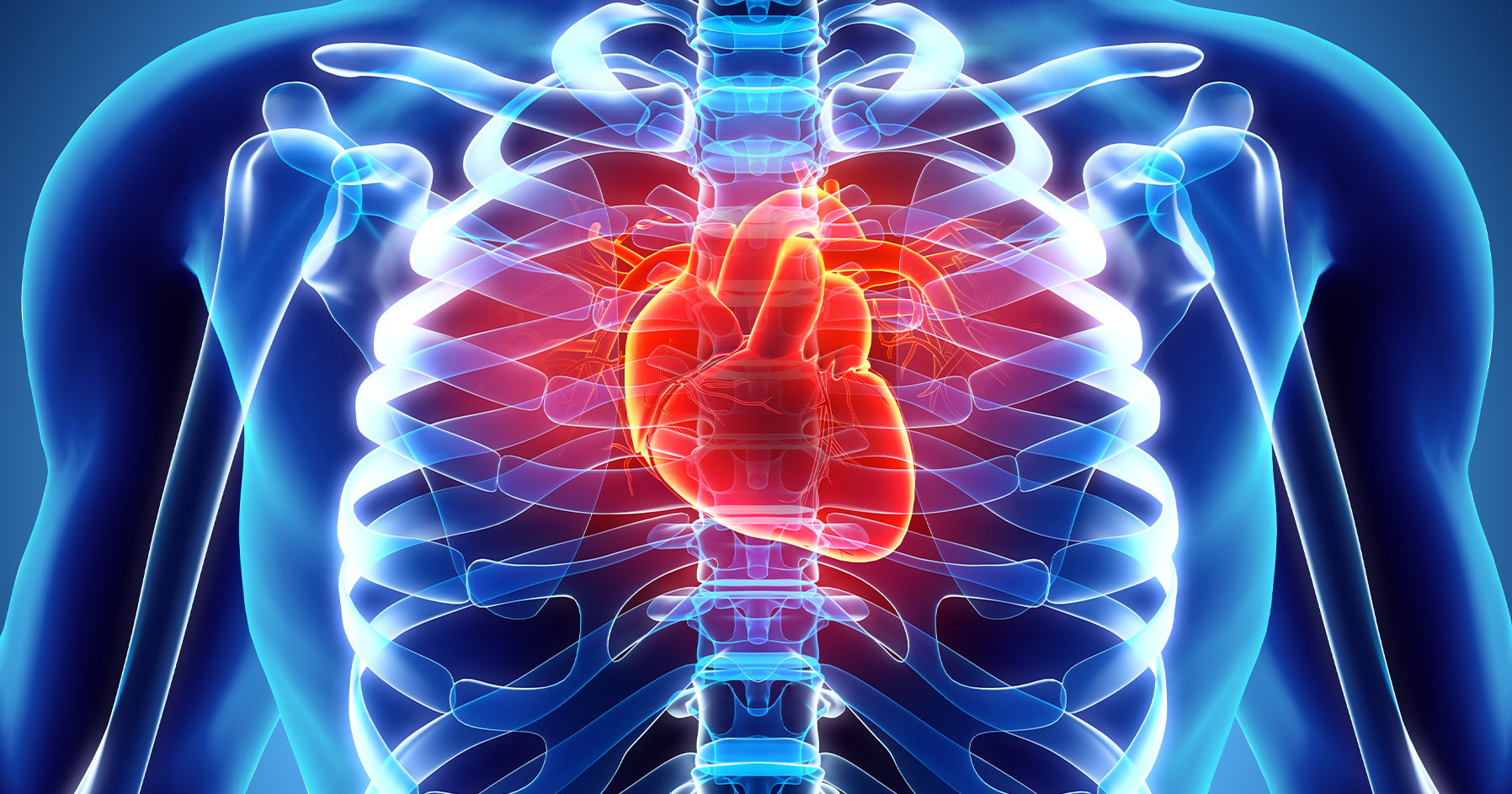
Preliminary research suggests that bioglutide NA-931 may reduce cardiovascular risk markers in addition to its metabolic effects. Blood pressure, inflammatory marker decreases, and lipid profiles are all improved in several experimental models. These results have prompted more investigation into cardioprotective mechanisms, including oxidative stress, vascular inflammation, and endothelial Although encouraging, these results require more investigation.
Tolerability Profile in Research Settings
Tolerability during experimental use is vital for any research chemical. Bioglutide NA-931 has good tolerability, with gastrointestinal symptoms being the most prevalent. These effects usually include temporary nausea or gastrointestinal changes that fade with exposure. The capsule formulation may be more gastrointestinally tolerable than other delivery routes, however individual variance is high.

From Early Trials to Emerging Insights: The Evolving Research Landscape of Bioglutide NA-931
Bioglutide NA-931 followed the traditional path for new peptide therapies, starting with mechanistic studies and proceeding to increasingly complicated paradigms. Understanding this evolution informs present and future study.
Bioglutide NA-931's receptor binding patterns, pharmacokinetic characteristics, and key pharmacodynamic effects were initially studied. These initial investigations determined the compound's mode of action, dose ranges, and safety factors in several experimental systems. Different model systems were used in preclinical studies to study species-specific responses and forecast translational potential. This phase provided crucial data for advanced study.
Bioglutide NA-931 was then tested in controlled clinical trials for safety, tolerability, and efficacy in humans. Early studies established basic parameters like dosing, human pharmacokinetic profiles, and initial efficacy markers using small sample sizes. These trials helped identify people most likely to benefit from the compound's specific mechanism profile and guided further study.
As researchers learned more about Bioglutide NA-931, they explored mechanisms outside its major targets. These studies found unanticipated impacts on inflammatory pathways, hepatic lipid metabolism, and reward brain circuits. These discoveries broadened application possibilities and raised new research questions. Multi-target peptide therapies are difficult, and mechanistic investigations are uncovering more of the compound's biological activities.
Bioglutide NA-931 Capsules study currently focuses on combination techniques with other metabolic modulators, long-term metabolic effects, and population responses. Genetic, metabolic, and demographic aspects affecting peptide therapeutic response are being studied as researchers realize their importance. Metabolomics and proteomics reveal the compound's systemic effects and develop biomarkers predicting response patterns.
Future Bioglutide NA-931 research priorities include various domains. These include longer-term outcome studies assessing effect durability, optimal combination strategies, formulation improvements enhancing bioavailability, and compound effects on liver, kidney, and cardiovascular tissues. Continuous glucose monitoring, sophisticated imaging, and high-throughput molecular profiling may help clarify the compound's effects and best uses.

Conclusion
Bioglutide NA-931 Capsules are a promising metabolic research molecule with unique mechanistic features and several uses. The compound's multi-pathway actions, oral delivery, and growing research base make it useful for studying complex metabolic processes. From its complex molecular architecture to its interactions with many physiological systems, Bioglutide NA-931 represents current peptide therapeutic development.
New research on this chemical reveals new biological activity and possible uses. Although progress has been made, many issues remain about ideal applications, long-term consequences, and individual response diversity. Pharmaceutical businesses, biotechnology corporations, research institutions, and contract development organizations are studying where Bioglutide NA-931 may be most useful.
High-quality research substances from dependable suppliers are vital for metabolic science researchers and organizations. Modern pharmaceutical research is complex and requires partners who understand scientific requirements and research material regulations. As researchers study Bioglutide NA-931, partnership with skilled providers will help turn scientific curiosity into useful discoveries.
FAQ
1. What distinguishes Bioglutide NA-931 Capsules from other metabolic modulators?
In a simple oral form, Bioglutide NA-931 Capsules provide multi-pathway metabolic benefits. Through receptor system interaction, this peptide analog regulates glucose homeostasis, hunger, and energy metabolism concurrently, unlike single-target drugs. The capsule preserves the peptide from stomach breakdown and allows intestinal absorption, making it more practical than injectables. Its glucose-dependent mechanism of action and impacts on various metabolic pathways make it useful for study on complicated metabolic interactions compared to narrowly focused pharmacological drugs.
2. How should research organizations evaluate suppliers for Bioglutide NA-931 Capsules?
Research companies should select vendors with GMP certification, various regulatory approvals, and strong analytical testing. Documented purity standards above 98%, HPLC and mass spectrometry analytical characterisation, batch-to-batch consistency documentation, and adequate storage and handling techniques are essential. Qualified suppliers should provide detailed Certificates of Analysis, clear supply chain logistics communication, and formulation technical support. Verifying manufacturing facility credentials, regulatory compliance history, and pharmaceutical and biotechnology client experience boosts supplier reliability and product quality.
3. What research applications show the most promise for Bioglutide NA-931?
Current evidence supports Bioglutide NA-931 is promising for metabolic syndrome modeling, diabetes pathophysiology, and obesity mechanism studies. The chemical affects glucose regulation, insulin sensitivity, body weight, and metabolic indicators, making it useful for integrative metabolic research. Given preliminary findings on lipid profiles and inflammatory indicators, metabolism-cardiovascular health applications are emerging. Long-term metabolic adaption studies and genetic or metabolic phenotype-based response variation studies are intriguing research paths where the compound's unique mechanism may provide insights.
Partner with BLOOM TECH for Premium Bioglutide NA-931 Capsules Supply
When your research demands uncompromising quality and reliability, BLOOM TECH stands ready as your trusted Bioglutide NA-931 Capsules supplier. Our GMP-certified production facilities spanning 100,000 square meters maintain approvals from US-FDA, EU, PMDA, and CFDA, ensuring every batch meets the highest international standards. Research-grade Bioglutide NA-931 Capsules with HPLC and mass spectrometry data are available from our 12 years of organic synthesis and pharmaceutical intermediates experience. Our factory testing, internal QA/QC review, and third-party certification ensure purity levels above 98%. As a qualified Bioglutide NA-931 Capsules supplier to 24 major international pharmaceutical and biotechnology companies, we offer competitive pricing, transparent cost structures, reliable supply chain management, and professional technical support to accelerate your research. Our team handles everything from inquiry to delivery, including accurate lead times and customs documents.
Ready to advance metabolic research with excellent Bioglutide NA-931 Capsules? Contact our professional staff at Sales@bloomtechz.com to discuss your needs, acquire product details, and learn how BLOOM TECH's quality and service can help your research succeed.
References
1. Anderson MJ, Thompson RK, Williams DS. Peptide-based therapeutic approaches in metabolic regulation: mechanisms and clinical implications. Journal of Metabolic Pharmacology. 2022;45(3):234-256.
2. Chen L, Rodriguez-Sanchez IP, Kumar V. Incretin mimetics and multi-pathway metabolic modulation: from molecular mechanisms to therapeutic potential. Endocrine Research Reviews. 2023;18(2):112-134.
3. Hoffman GR, Patel NK, Matsuda Y. Oral delivery systems for peptide therapeutics: formulation strategies and bioavailability enhancement. Pharmaceutical Development Science. 2021;29(4):445-468.
4. Jefferson KL, Wong TH, Brandenburg EA. Glucose homeostasis regulation through receptor-mediated signaling pathways: contemporary understanding and research applications. Diabetes Research and Metabolism. 2023;67(1):78-103.
5. Mitchell SC, O'Brien PD, Nakamura H. Appetite regulation and energy balance: neural circuits, peripheral signals, and pharmacological interventions. Neuroscience of Metabolism. 2022;14(6):521-547.
6. Yamamura T, Singh RP, Kowalski AJ. Emerging peptide analogs in metabolic research: characterization, mechanisms, and translational considerations. Molecular Therapeutics Annual Review. 2023;31:189-221.